



Butter Lip Balm: Benefits & Why Lip Oils Shine
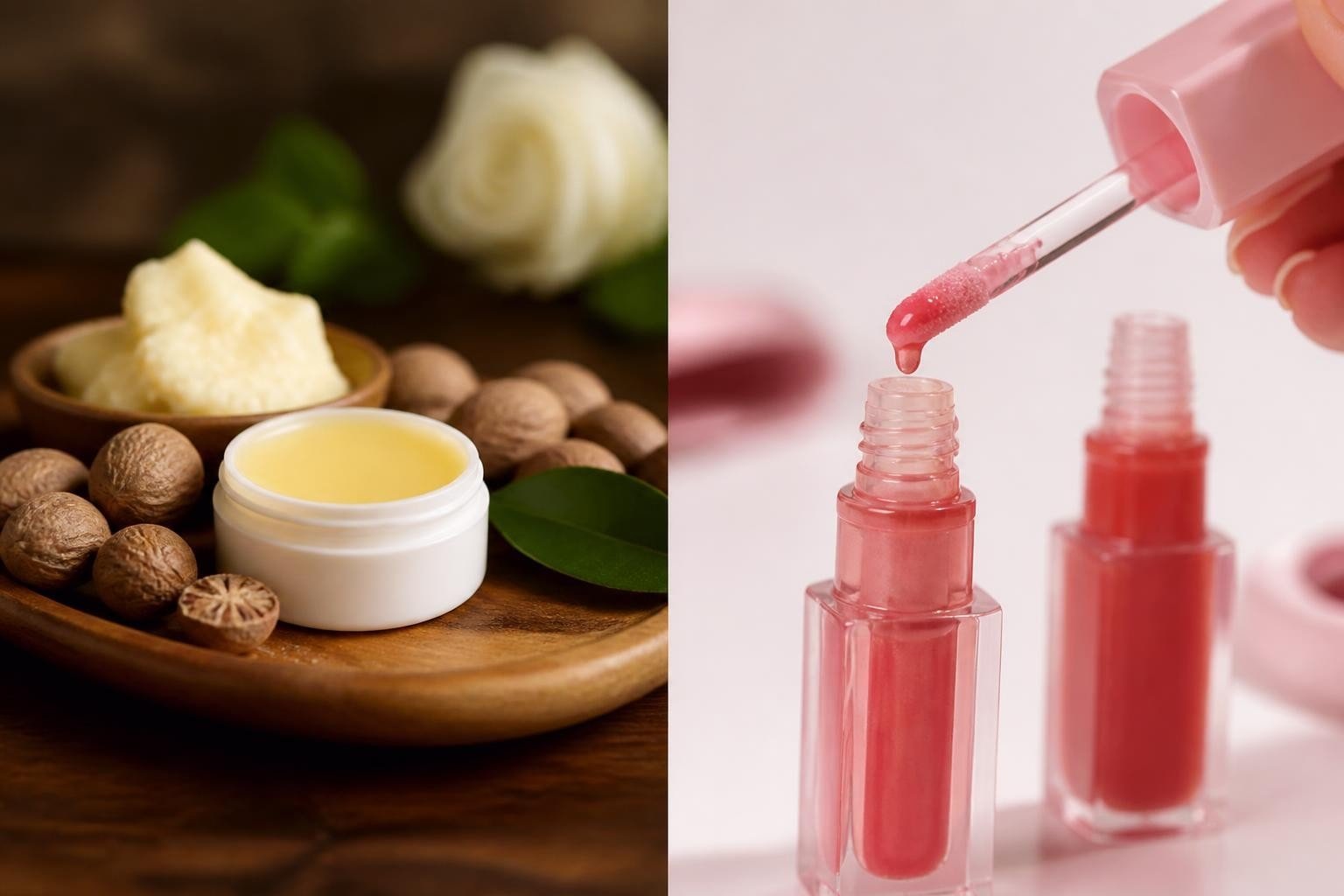
Butter lip balm has become a staple in lip care routines worldwide, offering a richer, more intensive approach to keeping lips soft and hydrated. These formulations typically combine nourishing butters like shea, cocoa, or mango with emollients to create a protective barrier against dryness. While butter lip balms have long been favored for their deeply moisturizing properties, the beauty industry has evolved to introduce innovative alternatives that provide similar benefits with enhanced textures and multifunctional capabilities. Understanding the differences between traditional butter-based formulas and modern options helps you choose the best solution for your lip care needs.
What Makes Butter Lip Balm Different
Butter lip balm stands apart from regular lip balms through its concentrated formula of natural plant butters. These products deliver intense hydration by forming a protective layer on the lips that locks in moisture and shields against environmental stressors.
Core Ingredients in Butter Formulations
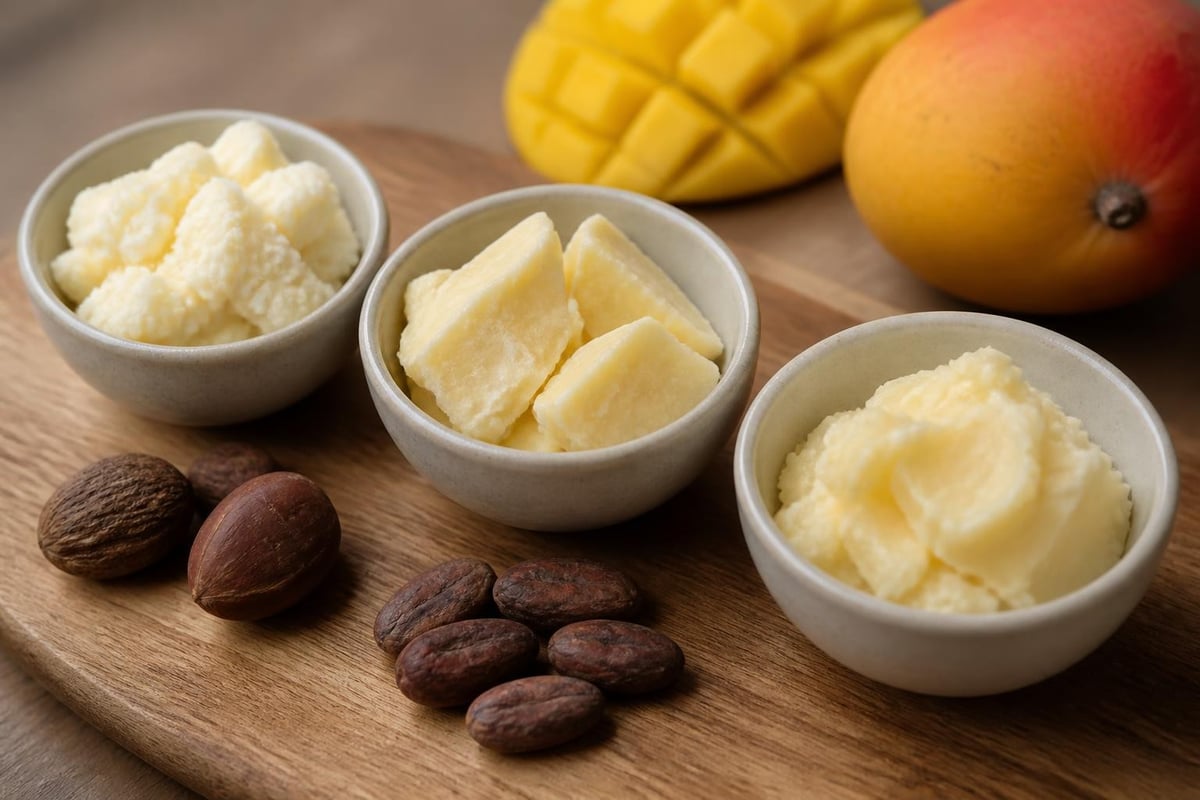
The defining characteristic of butter lip balm lies in its primary ingredients. Shea butter, cocoa butter, and mango butter serve as the foundation for these formulations. Each butter brings distinct properties that contribute to overall lip health.
Shea butter offers exceptional moisturizing benefits due to its fatty acid content. Shea butter lip products provide protective properties that help shield lips from harsh weather conditions. The ingredient contains vitamins A and E, which support skin repair and nourishment.
Cocoa butter creates a rich, creamy texture while providing antioxidant protection. Its natural chocolate scent appeals to many users, though unscented versions are available. This butter excels at softening dry, chapped lips through its emollient properties.
Mango butter absorbs quickly compared to other butters while still delivering deep hydration. It contains vitamins C and A, which support healthy lip tissue. The lightweight feel makes it suitable for those who prefer less heavy formulations.
Texture and Application Experience
Butter lip balm typically presents a thicker, more substantial texture than standard lip balms. This consistency creates a noticeable layer on the lips that some users find comforting, particularly in cold or dry climates.
The application process requires warming the product slightly, either through finger contact or direct application to lips. The richness of the formula means a little product goes a long way. Many users appreciate the long-lasting barrier that reduces the need for frequent reapplication throughout the day.
However, the heavier texture can feel too thick for some preferences, especially in warm weather or for those who prefer minimal sensation on their lips. Understanding the differences between butter lip balm and regular formulas helps determine which suits your lifestyle best.
Benefits of Butter-Based Lip Care
Butter lip balm delivers specific advantages that make it a popular choice for intensive lip care. These benefits address common lip concerns through targeted ingredient selection and formulation design.
Deep Moisturization and Repair
The primary benefit of butter lip balm centers on its ability to provide deep, penetrating moisture. The fatty acids in plant butters mimic the skin's natural lipid barrier, allowing them to integrate seamlessly with lip tissue.
- Intensive hydration for severely dry or cracked lips
- Barrier protection against wind, cold, and environmental damage
- Overnight treatment capabilities for restoration while sleeping
- Long-lasting moisture that reduces reapplication frequency
This intensive approach proves particularly valuable during winter months or in arid climates where lips face constant moisture loss. The occlusive nature of butters prevents transepidermal water loss, maintaining hydration levels longer than lighter formulations.
Soothing Properties for Sensitive Lips
Many butter lip balm products focus on gentle, minimal ingredient lists suitable for sensitive skin. Natural butters typically cause fewer reactions than synthetic ingredients, making them appropriate for those with sensitivities or allergies.
The anti-inflammatory properties found in several plant butters help calm irritated lips. Shea butter, in particular, contains compounds that reduce redness and discomfort associated with chapping or environmental exposure.
| Butter Type | Primary Benefit | Best For |
|---|---|---|
| Shea | Anti-inflammatory protection | Chapped, irritated lips |
| Cocoa | Rich emollient moisture | Extremely dry lips |
| Mango | Lightweight deep hydration | Daily maintenance |
Modern Alternatives: The Lip Oil Revolution
While butter lip balm serves specific purposes, the emergence of lip oils has transformed lip care by offering multifunctional benefits with improved textures. These innovative products combine hydration with aesthetic enhancement, creating a 2-in-1 solution.
Understanding Lip Oil Formulations
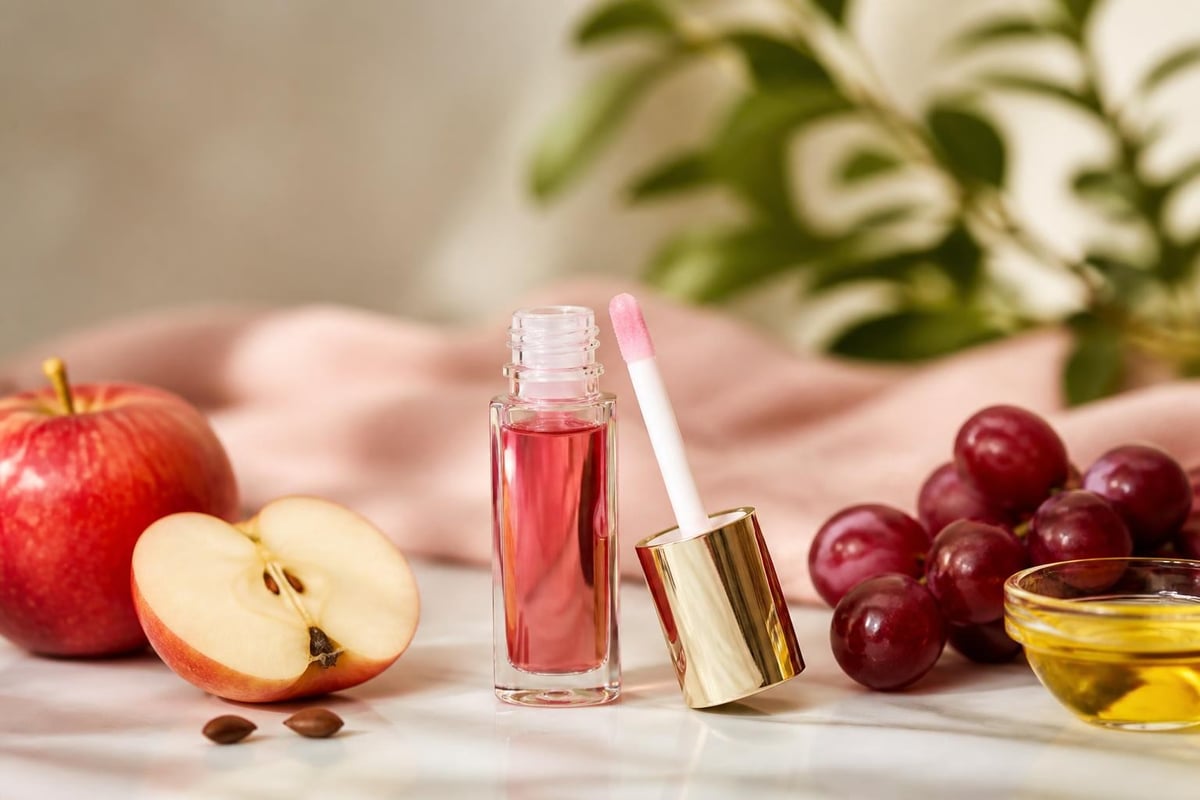
Lip oils are lightweight formulations that use plant-derived oils as their base rather than butters or waxes. This fundamental difference creates a completely different experience on the lips. A lip oil provides non-sticky hydration while delivering a glossy finish and often includes subtle tints for color enhancement.
The silky texture of lip oils sets them apart from both traditional balms and glosses. Unlike sticky lip gloss, which can feel heavy and uncomfortable, lip oils glide smoothly without tackiness. Unlike butter lip balm, which creates a thick barrier, lip oils absorb partially while providing surface shine.
Apple Seed Oil serves as an excellent base for lip oil formulations. This ingredient contains Vitamin E, Vitamin F, and Coenzyme Q10, which support moisture retention and lip health. The lightweight oil absorbs well while leaving a glossy, polished appearance.
Key Benefits of Choosing Lip Oils
Non-sticky lip oil formulations address common complaints about traditional lip products. The texture feels comfortable throughout the day without requiring constant checking or reapplication due to transfer or heaviness.
Primary advantages include:
- Plumping effect from enhanced hydration and light-reflecting properties
- Long-lasting tint that stains lips gently for extended color
- Deep hydration without heaviness or greasiness
- Versatile application alone or layered over other lip products
- Natural glossy finish without the stickiness of traditional gloss
For those seeking effective lip care for dry lips, lip oils offer a compelling alternative. The formulation style suits modern preferences for multifunctional products that streamline beauty routines.
Lip Oil vs Lip Gloss: Critical Distinctions
Many people wonder about the difference between lip oil and traditional lip gloss. While both provide shine, their formulations and benefits differ significantly.
Lip gloss typically uses synthetic polymers or sticky bases to create shine. These formulas prioritize visual impact over lip health, offering temporary cosmetic enhancement without meaningful hydration. The sticky texture can feel uncomfortable and often requires frequent reapplication as the product wears away.
Lip oil for dry lips takes a different approach by prioritizing nourishment alongside aesthetics. The oil base provides actual moisture to lip tissue rather than simply sitting on the surface. This means lip oils improve lip condition over time rather than just masking dryness temporarily.
| Feature | Lip Oil | Lip Gloss | Butter Lip Balm |
|---|---|---|---|
| Texture | Silky, non-sticky | Sticky, tacky | Thick, creamy |
| Primary Function | Hydration + Tint | Shine only | Moisture barrier |
| Finish | Natural glossy | High shine | Subtle or matte |
| Feel | Lightweight | Heavy | Substantial |
| Longevity | Moderate with stain | Low | High |
Selecting the Right Formula for Your Needs
Choosing between butter lip balm and alternative formulations depends on your specific lip care goals, lifestyle, and preferences. Understanding your priorities helps identify the most suitable option.
Assessing Your Lip Care Priorities
Consider what you need most from your lip care product. Different formulations excel in different areas, making the "best" choice highly personal.
Choose butter lip balm when:
- You experience severe dryness or cracking requiring intensive treatment
- You live in extremely cold or dry climates demanding maximum protection
- You prefer substantial texture and don't mind frequent reapplication
- You need overnight treatment for damaged lips
- You have no interest in color or shine, focusing solely on repair
Choose lip oil when:
- You want hydration without heavy texture or stickiness
- You prefer multifunctional products offering both care and color
- You appreciate a glossy, polished appearance without traditional gloss tackiness
- You need good lip moisturizer for daily maintenance
- You value clean, vegan, or plant-based formulations
Climate and Seasonal Considerations
Weather conditions significantly impact lip care needs. Different seasons may call for adjusting your approach to maintain optimal lip health throughout the year.
Winter and cold weather typically demands more intensive moisture barriers. The combination of cold air, indoor heating, and wind creates harsh conditions that strip moisture rapidly. Butter lip balm excels in these situations through its occlusive properties.
Summer and warm weather often requires lighter formulations that won't feel heavy or melt in heat. Lip oils maintain their consistency and feel comfortable even in warm temperatures. The non-sticky texture proves particularly valuable when sweating or in humid conditions.
Year-round use of lip care products prevents damage before it occurs. Rather than waiting for chapping to develop, consistent application maintains lip health regardless of season. Regular lip balm use provides continuous protection against environmental stressors.
Ingredient Quality and Sourcing
The effectiveness of any lip care product depends heavily on ingredient quality and sourcing practices. Understanding what goes into your butter lip balm or lip oil helps you make informed choices aligned with your values.
Natural vs. Synthetic Components
Natural ingredients offer several advantages in lip care formulations. Plant-based butters and oils provide nutrients beyond simple moisture, supporting overall lip health through vitamins, antioxidants, and fatty acids.
Vegan formulations exclude animal-derived ingredients like beeswax, lanolin, or carmine dyes. Plant-based alternatives deliver comparable or superior performance while aligning with ethical consumption preferences. Many modern brands prioritize vegan standards as part of their commitment to sustainability.
Cruelty-free practices ensure no animal testing occurs during product development or ingredient sourcing. This ethical approach reflects growing consumer demand for beauty products that cause no harm in their creation.
Locally sourced ingredients from specific regions can offer unique benefits. Korean beauty brands, for example, leverage indigenous ingredients like ginseng, green tea, and traditional botanicals that have supported skin health for centuries. This regional expertise combines traditional knowledge with modern formulation science.
Reading Labels and Understanding Formulations
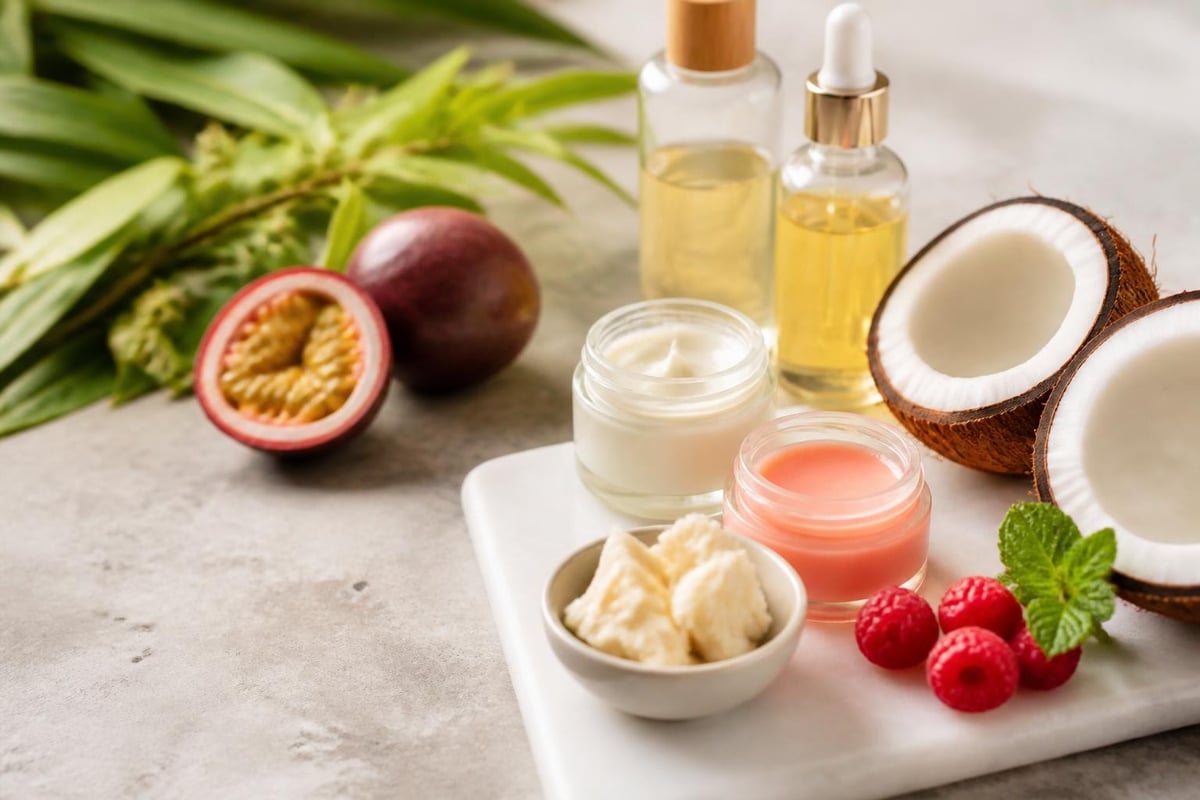
Ingredient lists reveal significant information about product quality and potential effectiveness. Understanding basic label-reading principles helps identify superior formulations.
Ingredient order matters. Components appear in descending order by concentration, with the first few ingredients comprising the majority of the formula. A butter lip balm listing shea butter first contains primarily that ingredient, while one listing it last contains minimal amounts.
Avoid problematic additives that may cause irritation or provide no benefit. Artificial fragrances, petroleum derivatives, and excessive preservatives often indicate lower-quality formulations. Simple, recognizable ingredient lists typically perform better and cause fewer reactions.
Look for beneficial extras beyond base formulation. Vitamins, antioxidants, and botanical extracts enhance basic moisturization with additional skin-supporting properties. Quality products incorporate these thoughtfully rather than simply padding ingredient lists for marketing purposes.
Application Techniques for Maximum Benefit
Proper application maximizes the effectiveness of butter lip balm and lip oil products. These techniques ensure you receive full value from your chosen formulation.
Preparing Lips for Application
Gentle exfoliation removes dead skin cells that prevent products from penetrating effectively. Use a soft toothbrush, sugar scrub, or dedicated lip exfoliant once or twice weekly. This preparation step allows butter lip balm or lip oil to absorb better and work more effectively.
Clean, dry lips receive products best. Remove any previous lip products, food residue, or oils before applying new treatment. This creates direct contact between the product and lip tissue.
Strategic Application Methods
For butter lip balm:
- Warm product slightly by rubbing fingers together or applying gentle pressure to the container
- Apply a thin, even layer across entire lip surface
- Press lips together gently to distribute product
- Reapply as needed, typically every 2-3 hours in normal conditions
For lip oil:
- Apply using the doe-foot applicator or fingertip for precise coverage
- Start at the center of lips and work outward
- Layer over lip color for added dimension and hydration
- Reapply as desired for color refreshment or moisture boost
The lightweight, non-sticky nature of quality lip oils makes frequent reapplication easy and comfortable without buildup or heaviness.
Enhancing Your Lip Care Routine
Comprehensive lip care extends beyond simply applying products. A holistic approach addresses multiple factors contributing to lip health and appearance.
Daily Habits That Support Lip Health
Hydration from within remains fundamental to healthy lips. Drinking adequate water throughout the day supports moisture levels in all skin tissue, including delicate lip skin. No topical product can fully compensate for dehydration.
Sun protection prevents damage that accelerates aging and causes dryness. Many modern lip products include SPF, though dedicated lip sunscreen provides more reliable protection. UV exposure damages lip tissue similarly to facial skin, requiring consistent protection.
Avoiding harmful behaviors preserves lip health. Licking lips actually increases dryness as saliva evaporates, taking natural moisture with it. Picking or biting lips creates damage that requires more intensive treatment to repair.
Building a Complete Lip Care System
A comprehensive approach combines different product types for optimal results. Rather than viewing it as butter lip balm versus lip oil, consider how each serves distinct purposes within a complete routine.
Nighttime intensive treatment with rich butter lip balm provides deep restoration while sleeping. The extended contact time and lack of talking, eating, or drinking allows maximum absorption and repair.
Daytime maintenance with lip oil offers continuous moisture without interfering with eating, drinking, or conversation. The non-sticky texture and subtle tint provide both care and enhancement throughout active hours.
For those exploring Korean lip care approaches, this layered methodology reflects K-beauty philosophy of preventive care and multifunctional products. The emphasis on maintaining health rather than just treating problems creates better long-term results.
K-Beauty Innovation in Lip Care
Korean beauty brands have pioneered significant advances in lip care formulation and application. This innovation extends beyond butter lip balm to create new product categories that better serve modern needs.
The Rise of Multifunctional Lip Products
K-beauty philosophy emphasizes products that accomplish multiple goals simultaneously. Rather than requiring separate items for moisture, color, and shine, advanced formulations combine these functions seamlessly.
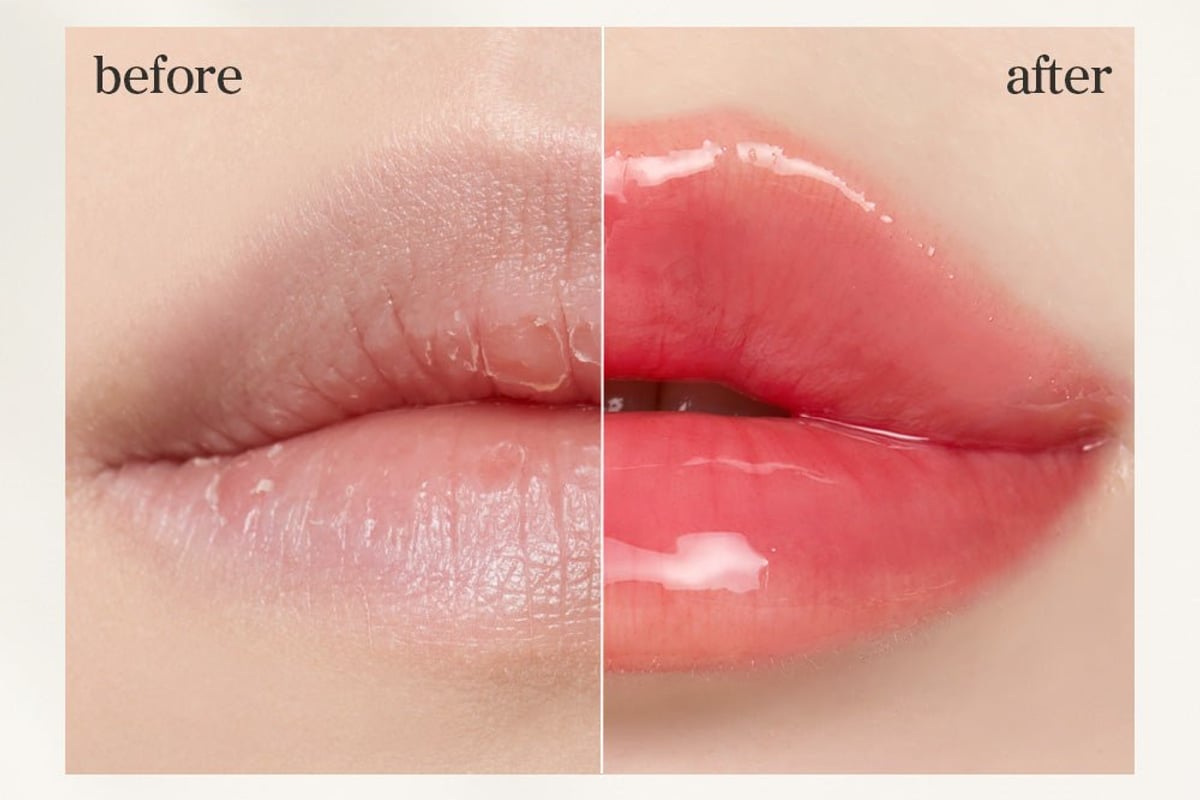
Lip oils with tint exemplify this approach perfectly. A single product delivers deep hydration through nourishing oils, provides long-lasting color through fruit extracts that gently stain lips, and creates a glossy finish that rivals traditional gloss without stickiness. This efficiency appeals to busy lifestyles while maintaining high performance standards.
The nooni Appleberry Lip Oil demonstrates this multifunctional approach with its lightweight formula that combines Apple Seed Oil for moisture with berry-inspired tint for natural color enhancement. Its non-sticky texture makes it suitable for everyday wear, whether alone or layered over other lip products.
Fruit Extract Technology
Modern lip oils leverage fruit extracts for both functional and aesthetic benefits. These natural ingredients provide vitamins, antioxidants, and gentle color while maintaining clean formulation standards.
Apple extracts offer particularly valuable properties for lip care. Rich in polyphenols and vitamins, they support skin health while providing subtle sweetness without synthetic fragrance. The natural fruit acids gently condition lips without irritation.
Berry extracts including cranberry, strawberry, and blackberry contribute antioxidant protection alongside natural pigments. These create beautiful tints that enhance natural lip color rather than masking it completely.
Traditional Korean botanicals like ginseng and peony bring time-tested benefits to modern formulations. These ingredients combine cultural heritage with contemporary science, creating unique products unavailable from conventional Western brands.
Sustainability and Ethical Considerations
Modern consumers increasingly prioritize sustainability and ethical practices when selecting beauty products. These values influence choices between traditional butter lip balm and newer alternatives.
Environmental Impact of Ingredients
Plant-based formulations generally carry lower environmental footprints than synthetic alternatives. Sustainable farming practices for shea, cocoa, and mango butters support local economies while preserving ecosystems. Certification programs ensure ethical sourcing that benefits both communities and environments.
Packaging choices significantly impact overall product sustainability. Recyclable materials, minimal packaging, and refillable options reduce waste associated with beauty routines. Some brands prioritize these factors as core values rather than afterthoughts.
Local ingredient sourcing reduces transportation impacts while supporting regional agriculture. Korean beauty brands utilizing local botanicals demonstrate this principle, connecting product quality with environmental responsibility.
Vegan and Cruelty-Free Standards
Vegan certification ensures no animal-derived ingredients appear in formulations. This extends beyond obvious components like beeswax to include less apparent animal products such as carmine (crushed insects for red color) or lanolin (sheep wool grease).
Cruelty-free verification confirms no animal testing occurred at any stage of product development. This ethical standard has become increasingly important to consumers who refuse to support beauty products involving animal harm.
Many modern lip oils meet both standards naturally through their plant oil bases and fruit extract tints. This alignment between formulation needs and ethical values creates products that perform excellently while respecting these important principles.
Addressing Specific Lip Concerns
Different lip conditions require targeted approaches. Understanding how various formulations address specific concerns helps select the most appropriate solution.
Severe Dryness and Cracking
Intensive butter lip balm treatment works best for severely compromised lips. The thick barrier prevents further moisture loss while ingredients actively repair damage. Apply generously before bed and upon waking for accelerated healing.
Gradual transition to lighter formulas maintains results once initial healing occurs. Moving from heavy butter formulations to lip oils for daily maintenance prevents recurrence while improving comfort.
Color Correction and Enhancement
Tinted lip oils address concerns about pale or uneven lip color. The gentle staining effect from fruit extracts creates natural-looking enhancement that develops gradually with regular use. Unlike traditional lipstick, the effect remains subtle and believable.
Plumping effects from proper hydration make lips appear fuller and healthier. Well-moisturized lips reflect light better, creating visual volume without irritating plumping ingredients that some find uncomfortable.
Aging and Fine Lines
Preventive care through consistent moisture application delays visible aging. Lips lack oil glands, making them particularly vulnerable to dehydration lines and texture changes. Regular use of quality lip care products maintains smoothness and suppleness.
Antioxidant-rich formulations combat free radical damage that accelerates aging. Ingredients like Vitamin E and Coenzyme Q10 found in advanced lip oils provide this protection while delivering primary moisturizing benefits.
Cost Considerations and Value
Evaluating lip care products requires considering long-term value beyond initial purchase price. Different formulations offer varying cost-effectiveness based on performance and longevity.
Price vs. Performance Analysis
Premium butter lip balm products typically cost more per unit than basic formulations. However, the concentrated nature means less product achieves desired results, potentially extending product life. Quality ingredients also perform more effectively, reducing the need for constant reapplication.
Multifunctional lip oils offer exceptional value by replacing multiple products. A single lip oil eliminates the need for separate balm, gloss, and tinted lip product, simplifying routines while reducing overall costs.
Longevity factors include product stability, required application frequency, and actual usage patterns. Products requiring constant reapplication may cost less initially but provide poor long-term value compared to longer-lasting alternatives.
Investment in Lip Health
Preventive care costs less than corrective treatment. Regular use of quality lip care products prevents severe dryness, cracking, and damage that require more intensive (and expensive) solutions to address.
Quality over quantity proves more economical long-term. A single excellent lip oil or butter lip balm that performs reliably provides better value than multiple ineffective products purchased trying to find something that works.
Butter lip balm has served lip care needs for years through intensive moisturization, while modern innovations like lip oils offer enhanced textures and multifunctional benefits that align with contemporary preferences. Whether you choose rich butter formulations for intensive treatment or lightweight lip oils for daily hydration with tint, selecting quality ingredients and appropriate formulations ensures healthy, comfortable lips year-round. Discover how nooni combines K-beauty expertise with vegan, sustainably sourced ingredients to create innovative lip oils that deliver deep hydration, non-sticky texture, and beautiful natural tints in one elevated solution.
Read more
Discover why butter for lips is the secret to soft, hydrated lips. Learn about natural butters, oils, and modern formulas for lasting moisture.
Get the real benefits of clay mask for oily skin, from deep pore cleansing to smoother texture. Learn how clay masks help manage shine and prevent breakouts.