



Good Lip Moisturizer: How to Choose the Best for Your Lips
Finding a good lip moisturizer is essential for maintaining soft, healthy lips year-round. Whether you're battling dryness from cold weather, sun exposure, or simply looking for everyday hydration, the right product makes all the difference. In 2026, the landscape of lip care has evolved significantly, with innovative formulations like lip oils emerging as game-changers alongside traditional balms and treatments. Understanding what makes a lip moisturizer truly effective helps you make informed choices that deliver real results without the sticky residue or short-lived hydration of conventional products.
What Makes a Good Lip Moisturizer in 2026
A good lip moisturizer does more than temporarily coat your lips. It should provide deep, lasting hydration while addressing specific concerns like dryness, cracking, or lack of volume. The most effective formulas penetrate the delicate lip barrier to deliver nourishment from within rather than simply sitting on the surface.
Key Characteristics to Look For
Modern lip moisturizers excel when they combine multiple benefits into one streamlined product. The best formulations offer:
- Deep hydration that lasts for hours without constant reapplication
- Non-sticky texture that feels comfortable throughout the day
- Natural ingredients sourced responsibly and processed minimally
- Barrier protection against environmental stressors like wind and sun
- Versatile application that works alone or under other lip products
According to experts featured in The Guardian's review of the best lip balms, consumers increasingly prioritize clean ingredients and multi-functional products that simplify their beauty routines. This shift reflects a broader movement toward intentional, elevated simplicity in skincare.
Understanding Different Types of Lip Moisturizers
The lip care market offers several distinct product categories, each with unique benefits and textures. Knowing the difference helps you select the right option for your lifestyle and preferences.
Lip Balms: Traditional Protection
Lip balms remain the most recognized category of lip moisturizers. These solid or semi-solid formulations typically contain waxes, butters, and oils that create a protective barrier on lips.
Advantages of lip balms include:
- Portable, mess-free application
- Long shelf life and stability
- Wide availability and variety
- Often include SPF protection
However, some balms can feel heavy or waxy, and cheaper formulations may actually dry lips over time by creating dependency. WebMD's guide to decoding lip balm ingredients explains how certain ingredients like menthol or camphor can provide temporary relief while potentially causing long-term irritation.
Lip Oils: The Modern Alternative
Lip oil is a lightweight, oil-based lip treatment that provides hydration, shine, and often a subtle tint in one formula. Unlike traditional glosses, lip oils use nourishing plant oils as their primary base, delivering moisture that absorbs into lips rather than just coating them. This makes lip oil an ideal choice for anyone seeking a non-sticky lip oil that feels silky and comfortable.
What is a lip oil used for? Lip oils serve a dual purpose: they act as both a hydrating treatment and a glossy cosmetic product. This 2-in-1 function makes them perfect for simplifying your beauty routine while ensuring your lips receive continuous care throughout the day.
Key benefits of lip oils:
- Non-sticky, silky texture that feels weightless on lips
- Long-lasting tint or stain that enhances natural lip color
- Plumping effect from increased hydration and circulation
- Deep hydration using nutrient-rich oils like Apple Seed Oil
- Glossy finish without the tackiness of traditional gloss
For those specifically searching for a lip oil for dry lips, these formulations excel at penetrating the lip barrier with vitamins E and F, coenzyme Q10, and essential fatty acids. The oil base ensures ingredients reach deeper layers where moisture is most needed.
Lip Oil vs Lip Gloss: Understanding the Difference
When comparing lip oil vs lip gloss, the distinction lies primarily in formulation and function. Lip gloss typically uses synthetic polymers and silicones to create shine, resulting in a sticky texture that sits on the lip surface. Lip oils, by contrast, use natural plant oils that provide hydration along with shine.
| Feature | Lip Oil | Lip Gloss |
|---|---|---|
| Base | Natural plant oils | Synthetic polymers, silicones |
| Texture | Silky, non-sticky | Often sticky, thick |
| Primary Function | Hydration + shine | Shine + color |
| Absorption | Absorbs into lips | Sits on surface |
| Longevity | Moderate with staining effect | Shorter wear time |
This comparison reveals why lip oils have gained popularity as a superior alternative for those seeking hydration without stickiness. The natural oil base means your lips receive actual nourishment rather than just cosmetic coverage.
Treatment Masks and Intensive Care
For severely dry or damaged lips, overnight treatment masks offer concentrated repair. These thicker formulations work while you sleep, delivering intensive moisture and healing ingredients. Allure's list of the best lip treatments highlights how these products complement daily moisturizers by providing periodic deep conditioning.
Essential Ingredients in a Good Lip Moisturizer
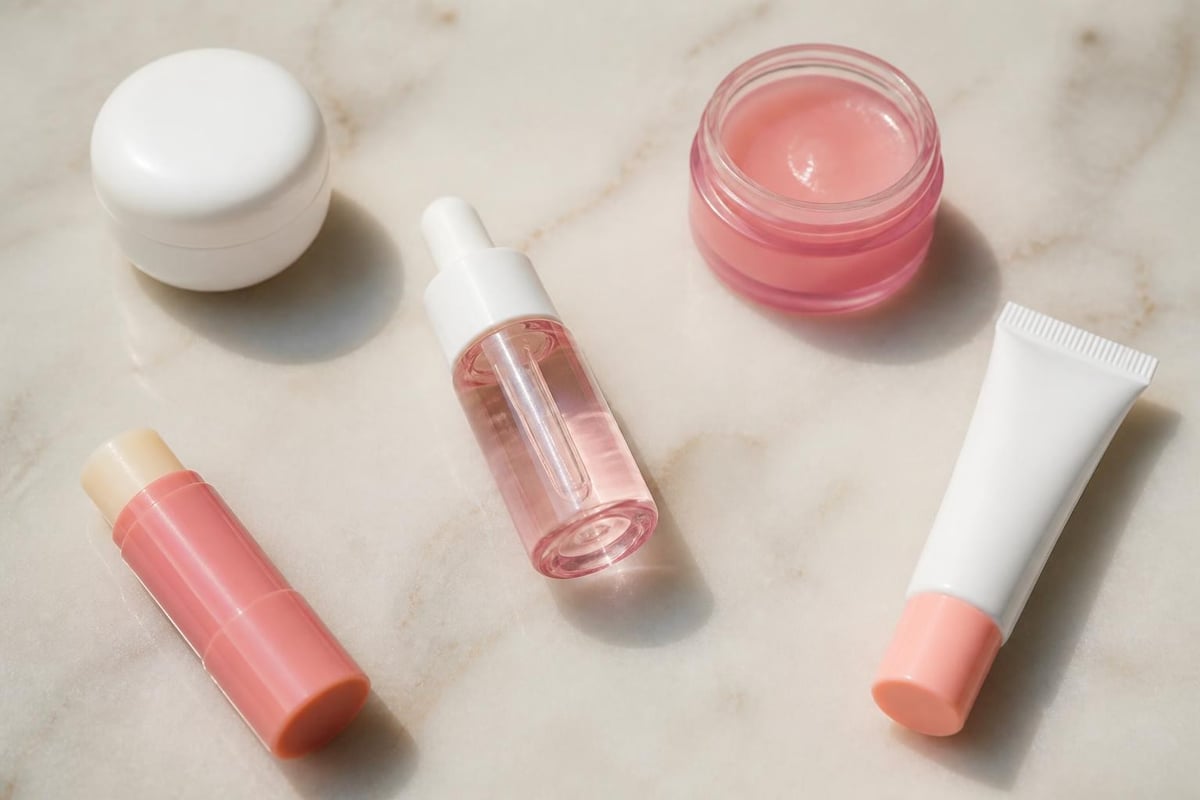
The ingredient list determines how well a lip moisturizer performs. Understanding key components helps you identify truly effective products versus those that provide only superficial benefits.
Nourishing Oils and Butters
Apple Seed Oil has emerged as a particularly effective ingredient in K-beauty lip care formulations. This lightweight oil contains high concentrations of vitamin E, vitamin F (essential fatty acids), and coenzyme Q10. These components work synergistically to maintain moisture levels, support skin barrier function, and provide antioxidant protection.
Other beneficial oils include:
- Jojoba oil: Closely mimics skin's natural sebum for easy absorption
- Coconut oil: Provides antibacterial properties and deep conditioning
- Argan oil: Rich in vitamin E and fatty acids for repair
- Shea butter: Creates a protective barrier while delivering moisture
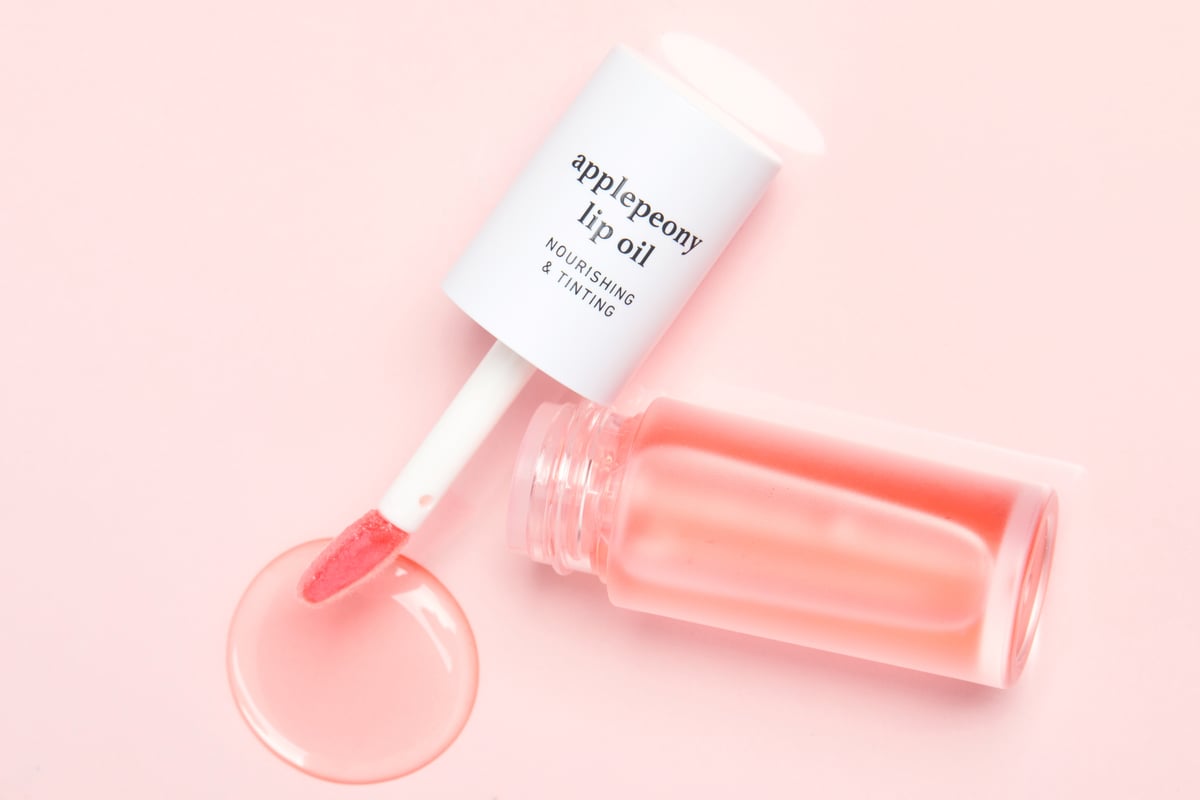
The nooni applepeony lip oil exemplifies how Apple Seed Oil can be combined with fruit extracts to create a formula that's both deeply hydrating and aesthetically pleasing. Its lightweight, non-sticky texture makes it ideal for everyday wear, whether alone or layered over other lip products.
Humectants and Hydrators
Humectants draw moisture from the environment and deeper skin layers to the lip surface. A good lip moisturizer typically includes at least one of these powerful hydrators:
- Hyaluronic acid: Holds up to 1000 times its weight in water
- Glycerin: Attracts and retains moisture effectively
- Honey: Natural humectant with antibacterial properties
- Aloe vera: Soothes while providing hydration
Fruit Extracts and Botanical Ingredients
Modern formulations increasingly incorporate fruit extracts that provide both functional benefits and natural color. Fig extract, vanilla fruit extract, ginseng, peony, and berry extracts offer antioxidants, vitamins, and subtle tinting properties. These plant-based ingredients align with growing consumer demand for vegan and cruelty-free beauty products.
When examining product labels, look for recognizable, naturally derived ingredients rather than long lists of synthetic compounds. Locally sourced ingredients often maintain higher potency since they undergo less processing and transportation stress.
How to Choose the Right Lip Moisturizer for Your Needs
Selecting a good lip moisturizer requires assessing your specific concerns, lifestyle, and preferences. Not every product works equally well for every person, so understanding your priorities streamlines the selection process.
Assessing Your Lip Concerns
Start by identifying your primary lip care needs:
For chronic dryness: Look for oil-based formulations with humectants and occlusive ingredients. Lip oils with Apple Seed Oil or similar nourishing bases provide sustained relief without the heavy feel of traditional balms.
For sun exposure: Choose products with broad-spectrum SPF 30 or higher. The Daily Beast's article on the best lip balms with SPF emphasizes that lips are particularly vulnerable to UV damage due to thin skin and lack of melanin.
For color and hydration: Tinted lip oils offer the perfect balance, providing moisture while enhancing natural lip color with fruit-inspired shades. The long-lasting stain effect means color persists even after the gloss fades.
For sensitive lips: Seek fragrance-free, hypoallergenic formulas with minimal ingredients. Avoid products containing menthol, camphor, or artificial flavors that may cause irritation.
Texture and Finish Preferences
Your ideal texture depends on personal preference and intended use:
| Preference | Best Option | Why It Works |
|---|---|---|
| No stickiness | Lip oil | Absorbs rather than sits on surface |
| Matte finish | Balm or treatment | Provides moisture without shine |
| High shine | Lip oil or gloss | Reflects light for fuller appearance |
| Buildable color | Tinted lip oil | Sheer to medium coverage depending on application |
Lifestyle Considerations
Think about when and how you'll use your lip moisturizer:
- Busy professionals benefit from long-wearing formulas that don't require frequent reapplication
- Outdoor enthusiasts need SPF protection and weather resistance
- Minimalists appreciate multi-functional products that replace both lip balm and gloss
- Clean beauty advocates prioritize vegan and sustainably sourced ingredients
Understanding grooming routines across different contexts helps inform product selection. Just as Onesociety emphasizes natural ingredients and scientific backing in beard care, effective lip care requires the same thoughtful approach to formulation and ingredient selection.
The Science Behind Effective Lip Hydration
Lip skin differs significantly from the rest of your face, requiring specialized care approaches. The lips lack oil glands, making them dependent on external moisture sources. Additionally, the stratum corneum (outermost skin layer) is much thinner on lips, leading to faster moisture loss.
How Moisture Penetrates Lip Tissue
Effective lip moisturizers work through multiple mechanisms:
- Occlusion: Creating a barrier that prevents water loss
- Humectancy: Drawing moisture to the lip surface
- Emolliency: Filling spaces between skin cells for smoothness
- Active delivery: Penetrating with vitamins and beneficial compounds
Oil-based products excel at the third and fourth mechanisms. The lipophilic (fat-loving) nature of plant oils allows them to integrate with the lip's natural lipid structure, delivering nutrients where they're needed most. This explains why a non-sticky lip oil can provide more lasting results than water-based glosses.
The Plumping Effect of Proper Hydration
Well-hydrated lips naturally appear fuller and smoother. When lip cells contain adequate moisture, they plump up, reducing the appearance of fine lines and creating a more youthful look. Some ingredients like peptides or mild irritants create additional temporary plumping, but sustained hydration offers the most natural-looking enhancement.
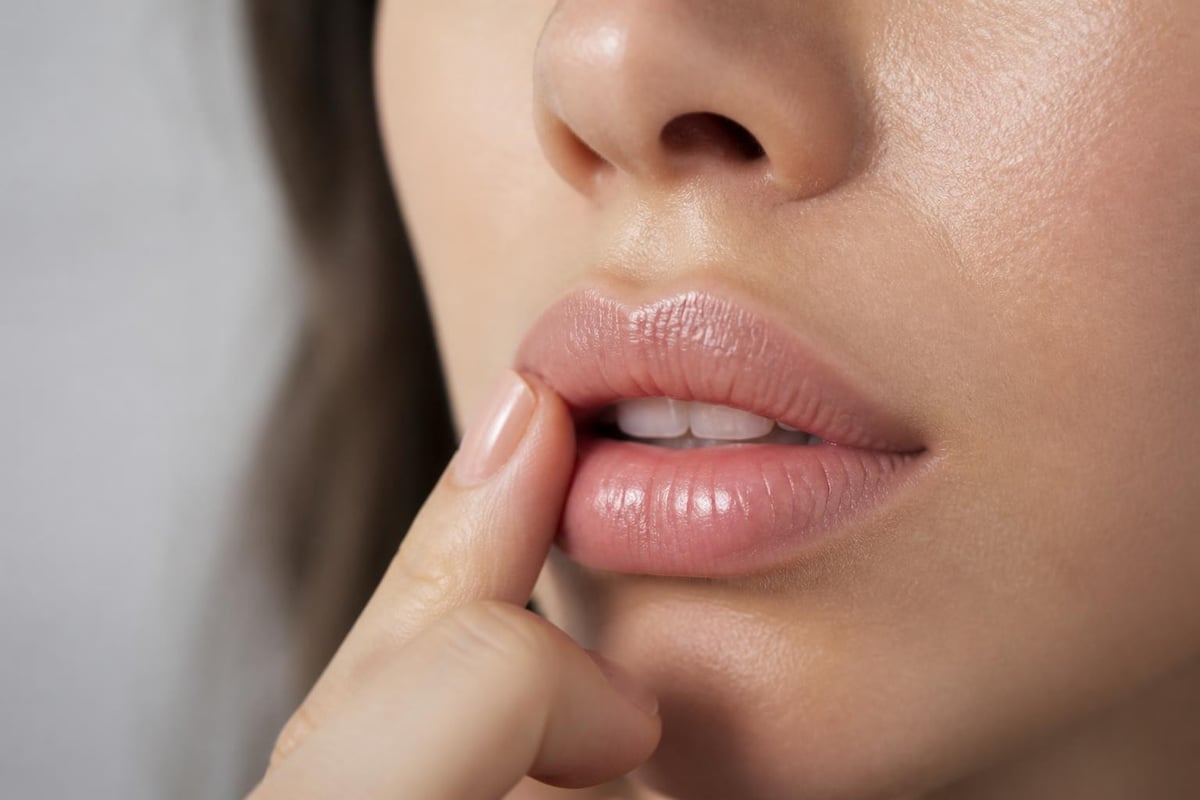
Application Tips for Maximum Effectiveness
Even the best lip moisturizer performs poorly if applied incorrectly. Following proper application techniques ensures you receive full benefits from your chosen product.
Preparation Is Key
Before applying any lip moisturizer:
- Gently exfoliate once or twice weekly to remove dead skin cells
- Pat lips dry after cleansing rather than rubbing
- Avoid licking lips, which actually increases dryness
- Stay hydrated internally by drinking adequate water
Optimal Application Techniques
For lip oils and treatments:
- Apply a small amount to the center of your lower lip
- Press lips together to distribute evenly
- Allow 30 seconds for absorption before applying additional products
- Reapply as needed, typically every 3-4 hours for maintenance
For overnight treatment:
Apply a generous layer before bed, allowing the product to work uninterrupted during sleep. This intensive approach helps repair damage accumulated throughout the day.
Layering Products Effectively
Lip oils work beautifully alone or as part of a layered routine:
- Under lipstick: Apply lip oil first for a hydrating base that prevents feathering
- Over lip color: Add gloss and dimension to matte lipsticks
- Throughout the day: Touch up over existing makeup without disturbing color
The versatility of modern lip oils makes them suitable for various looks, from natural everyday makeup to more dramatic evening styles.
Seasonal Adjustments for Year-Round Lip Health
Your lip care needs change with environmental conditions. Adapting your routine seasonally ensures consistent protection and hydration regardless of weather challenges.
Winter Protection Strategies
Cold weather and indoor heating create the perfect storm for lip dryness. During winter months:
- Increase application frequency to combat lower humidity
- Choose richer formulas with added occlusives like waxes
- Protect against wind by applying before outdoor activities
- Use a humidifier indoors to maintain moisture in the air
Who What Wear's expert-recommended lip treatments emphasize that winter requires more intensive care than other seasons due to harsh environmental factors.
Summer Sun Safety
UV protection becomes paramount during warmer months:
- Select SPF-containing products for daytime wear
- Reapply every 2 hours when outdoors, just like facial sunscreen
- Avoid glossy products in extreme heat as they can magnify sun exposure
- Stay in shade during peak UV hours when possible
Who What Wear's guide to the best lip balms with SPF provides comprehensive options for sun-conscious consumers who refuse to compromise on lip health.
Transitional Season Care
Spring and fall bring fluctuating conditions requiring flexible approaches:
- Assess daily based on current weather rather than calendar date
- Keep multiple products available for different conditions
- Adjust based on activities (indoor vs. outdoor, heated vs. air-conditioned spaces)
- Monitor lip condition and respond to early signs of dryness
Sustainability and Ethical Considerations
Modern consumers increasingly evaluate products based on environmental impact and ethical production practices. A good lip moisturizer should align with your values as well as your skincare needs.
Ingredient Sourcing Matters
Locally sourced ingredients typically offer multiple advantages:
- Reduced carbon footprint from transportation
- Fresher materials with higher potency
- Support for regional agriculture and economies
- Greater transparency in sourcing practices
K-beauty brands have pioneered this approach, emphasizing indigenous Korean ingredients like ginseng, fig, and other botanicals that thrive in the local climate. This regional focus ensures optimal freshness while celebrating traditional beauty wisdom.
Vegan and Cruelty-Free Formulations
Animal-derived ingredients like beeswax, carmine (crushed beetles for red color), and lanolin appear in many traditional lip products. Vegan alternatives using plant-based waxes, fruit extracts for color, and plant oils for emolliency perform equally well while aligning with ethical standards.
Cruelty-free certification ensures no animal testing occurred during product development. In 2026, this standard has become expected rather than exceptional, with many regions legally prohibiting cosmetic animal testing.
Packaging and Waste Reduction
Sustainable packaging choices include:
- Recyclable materials like glass or aluminum
- Minimal packaging reducing unnecessary waste
- Refillable containers for long-term cost and environmental savings
- Biodegradable components when plastic is unavoidable
Look for brands committed to eco-friendly practices throughout their production chain, not just in marketing claims.
Common Mistakes That Undermine Lip Moisturization
Even with a good lip moisturizer, certain habits sabotage your results. Avoiding these common errors ensures your chosen product can perform optimally.
Over-Exfoliation Damage
While removing dead skin helps moisturizers penetrate better, excessive scrubbing causes micro-tears and inflammation. Limit exfoliation to twice weekly using gentle, sugar-based scrubs rather than harsh chemical or physical exfoliants.
Product Overload
Applying too much product doesn't accelerate results. Lips can only absorb a certain amount of product at once. Excess simply sits on the surface, potentially feeling uncomfortable or transferring to cups and utensils. Use thin, even layers and reapply as needed rather than slathering on thick coats.
Ignoring Hydration and Diet
External moisturizers can't compensate for chronic dehydration or nutritional deficiencies. Drink adequate water throughout the day and ensure your diet includes healthy fats from sources like avocados, nuts, and fish. These internal factors significantly influence lip health.
Inconsistent Application
Sporadic use prevents products from building and maintaining the moisture barrier your lips need. Establish a routine of applying lip moisturizer morning, evening, and throughout the day as needed. Consistency yields far better results than occasional intensive treatment.
Expert Recommendations and Product Selection
Dermatologists and beauty professionals offer valuable insights into selecting effective lip care products. Their expertise helps cut through marketing claims to identify truly beneficial formulations.
What Dermatologists Look For
According to dermatologist reviews like those featured in this YouTube analysis of the best lip balms for chapped lips, medical professionals prioritize:
- Evidence-based ingredients with proven moisturizing effects
- Minimal irritants including synthetic fragrances and dyes
- Appropriate pH levels that don't disrupt lip tissue
- Barrier-supporting components that enhance natural protection
Dr. Dray's review of the best lip balms emphasizes the importance of both hydration and SPF protection, noting that many consumers neglect sun safety for their lips despite high cancer risk in this area.
Reading Reviews Critically
Consumer reviews provide real-world insights but require critical evaluation:
Look for reviewers who:
- Have similar lip concerns to yours
- Discuss long-term use (beyond initial application)
- Mention specific improvements or disappointments
- Note whether they repurchased the product
Be skeptical of reviews that:
- Only describe immediate feel without discussing lasting effects
- Focus exclusively on packaging or scent
- Make exaggerated claims about dramatic overnight transformations
- Appear incentivized or lack specific details
Testing New Products Safely
When trying a new lip moisturizer:
- Patch test on a small lip area first if you have sensitive skin
- Use consistently for at least one week before judging effectiveness
- Avoid changing multiple products simultaneously so you can identify what works
- Note any irritation immediately and discontinue if problems persist
The Future of Lip Care Innovation
The lip care industry continues evolving with new technologies and ingredient discoveries. Understanding emerging trends helps you make forward-thinking choices that may offer enhanced benefits.
Biotechnology and Ingredient Innovation
Scientists are developing bio-fermented ingredients that increase potency and absorption. These advanced formulations use beneficial bacteria to break down plant compounds into more bioavailable forms, similar to how fermentation enhances the nutritional value of foods.
Personalization and Customization
Some brands now offer customized lip care based on individual assessments of lip condition, climate, and preferences. While not yet mainstream, this personalized approach represents the future of targeted beauty solutions.
Smart Packaging and Application
Innovations like temperature-responsive formulas and applicators that measure ideal product amounts may soon become standard. These technologies ensure optimal application and storage conditions for maximum product efficacy.
Microbiome-Friendly Formulations
Just as facial skincare increasingly considers the skin microbiome, lip care products are beginning to incorporate prebiotics and probiotics that support beneficial bacteria. This approach may offer enhanced barrier function and resilience against environmental stressors.
Finding a good lip moisturizer transforms your daily comfort and confidence, providing hydration that lasts while enhancing your natural beauty. Whether you choose traditional balms, innovative lip oils, or intensive treatments, prioritizing quality ingredients and consistent application delivers the soft, healthy lips you deserve. For those seeking the perfect balance of deep hydration, non-sticky texture, and beautiful tint, explore how nooni combines K-beauty innovation with sustainable, vegan formulations designed specifically for modern lip care needs.
Read more
Find the best lip balm for every need, from dry lips to sun protection. Get expert tips on choosing formulas that truly hydrate, soothe, and protect.
Discover what a korean lip set includes, how to choose the best products, and why K-beauty lip care is revolutionizing hydration and color in 2026.