



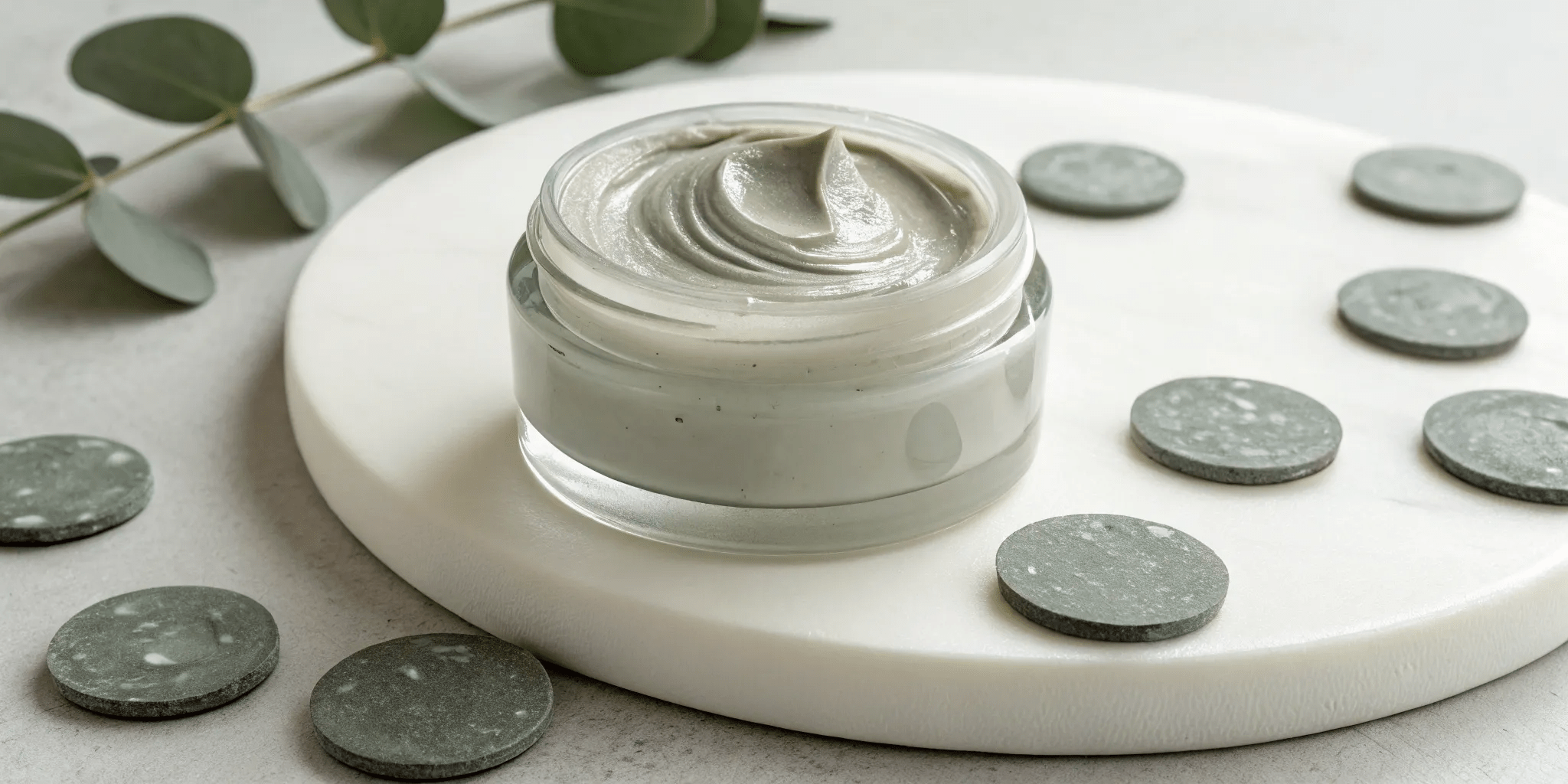
6 Real Benefits of a Clay Mask for Oily Skin
Clay masks are a staple in skincare, but they also come with a lot of confusing advice. You might have heard they’re too drying, that you should let them crack completely, or that using them more often is better. It’s time to clear up the myths. Using a clay mask the wrong way can leave your skin feeling tight and irritated instead of balanced and refreshed. We’re here to set the record straight, explaining how these masks actually work and how to avoid common mistakes. Let’s get into the real benefits of a clay mask for oily skin and how to achieve them without the guesswork.
Key Takeaways
- Find your perfect clay match: The best clay mask for you depends on your skin's specific needs. Select a powerful bentonite clay for a deep cleanse on very oily skin, or opt for gentle kaolin clay if you need a milder approach for sensitive skin.
- Use your mask correctly to avoid dryness: For the best results, apply your clay mask to a clean face two to three times a week. Rinse it off before it fully dries and cracks, and always follow up with a moisturizer to keep your skin hydrated and balanced.
- Think management, not a permanent cure: A clay mask is an excellent tool for managing oil and keeping pores clear, but the effects are temporary. Consistent use as part of a regular skincare routine is the key to achieving long-term balance and clarity.
What Is a Clay Mask and How Does It Work?
If you have oily or combination skin, you've probably heard about clay masks. They're a go-to for a reason. At its core, a clay mask uses the natural properties of different clays to draw out impurities from your skin. Think of it as a mini-detox for your face. But how does a simple layer of clay actually manage to leave your skin feeling so fresh and clean? It all comes down to two key actions: absorbing excess oil and clearing out your pores. This simple yet effective process helps reset your complexion, making it a perfect addition to a routine focused on healthy, balanced skin.
How clay absorbs oil
The main reason clay masks are so loved by those with oily skin is their incredible ability to absorb excess oil. Clay essentially acts like a sponge for your skin. When you apply the mask, the clay particles soak up the extra sebum (your skin's natural oil) that can make your face look shiny. This process helps mattify your complexion without completely stripping it of moisture. Certain clays, like kaolin and bentonite, have even shown promise in controlling oiliness without causing excessive dryness, leaving your skin feeling balanced and refreshed.
How clay clears out pores
Beyond just tackling surface oil, clay masks work their way deep into your pores to give them a thorough clean. Throughout the day, your pores can collect a mix of dirt, dead skin cells, and leftover makeup. Clay has a unique ability to bind to these impurities and lift them away as the mask dries. This deep cleansing action is great for removing dirt, pollution, and product buildup that can lead to breakouts. In fact, consistent use can make a visible difference, with research showing a significant reduction in both whiteheads and blackheads over time.
Which Clay Is Right for Your Oily Skin?
Walking down the skincare aisle, you’ll see "clay mask" on a lot of labels, but not all clays are created equal. Think of them like different types of tea; each one has a unique profile and offers slightly different benefits. The best clay for you depends on just how oily your skin gets and whether it’s also sensitive or prone to breakouts. Understanding the key players will help you pick a mask that leaves your skin feeling balanced and refreshed, not tight and stripped.
Choosing the right clay is all about matching its intensity with your skin’s needs. If your skin produces a lot of oil and you’re dealing with clogged pores, a more absorbent clay might be your new best friend. On the other hand, if your skin is oily but also gets irritated easily, a gentler clay is the way to go. Let’s get to know three of the most popular clays for oily skin so you can find your perfect match.
Bentonite clay
If your skin feels extra oily and you’re looking for a deep, powerful cleanse, bentonite clay is your go-to. This highly absorbent clay acts like a magnet for excess sebum and impurities. Research highlights its strong oil-absorbing abilities, making it a fantastic choice for those with very oily and acne-prone skin. It gets deep into your pores to draw out gunk, helping to reduce shine and clarify your complexion. Think of it as the heavy-duty option for hitting the reset button on congested skin.
Kaolin clay
For those with oily skin that’s also on the sensitive side, kaolin clay is a much gentler alternative. Often white or pink, this mild clay is great at absorbing excess oil without being harsh. Studies have shown that kaolin can control oiliness without leaving your skin feeling overly dry or tight. It’s the perfect balancing act, making it ideal if you want to manage shine while keeping your skin calm and happy. If other clay masks have left your skin feeling stripped, kaolin is definitely one to try.
French green clay
French green clay is another amazing option for a thorough detox. True to its name, this clay gets its color from decomposed plant matter and iron oxides. It’s known for being very effective at pulling out oil and clearing out pores, making it a solid choice for most oily skin types. Its composition gives it a detoxifying quality that helps draw out impurities from the skin, leaving it feeling clean and revitalized. If you’re looking for a mask that provides a deep clean and a fresh-faced glow, French green clay is a wonderful pick.
The Benefits of Clay Masks for Oily Skin
If you have oily skin, you’ve probably heard that a clay mask is your best friend for managing that midday shine. And it’s true, they are fantastic for soaking up excess oil. But their benefits go far beyond just a temporary matte finish. Think of a clay mask as a weekly reset for your complexion. It’s a multi-tasking treatment that can deep clean your pores, refine your skin’s texture, and even help keep breakouts at bay.
When you add a clay mask to your skincare routine, you’re not just dealing with oil on the surface. You’re addressing some of the underlying issues that come with it, like clogged pores and uneven tone. The right mask can help you achieve a clearer, smoother, and more balanced complexion over time. It’s about giving your skin what it needs to look and feel its healthy, glowing best, without the excess grease. Let’s get into the specific ways a clay mask can work for you.
Temporarily control excess oil
The most immediate and satisfying benefit of a clay mask is its power to absorb oil. Clay minerals have a natural ability to act like a sponge, soaking up the extra sebum sitting on your skin's surface and within your pores. This is why your skin looks so fresh and matte right after you rinse one off. It’s an easy way to get that persistent shine under control without stripping your skin. While the effect is temporary, using a mask consistently can help keep your skin’s oil levels more balanced day-to-day.
Deep clean and refine pores
Sometimes a daily cleanser isn't enough to get all the grime out. Clay masks are pros at pulling out the stubborn impurities that settle deep within your pores, like leftover makeup, dirt, and pollution. By drawing out all that buildup, they help clear the congestion that can make pores look larger and more noticeable. Regular use can lead to a smoother, more refined appearance, giving your skin a clean slate and a soft-focus finish. It’s a satisfying deep clean you can see and feel.
Help reduce blackheads and breakouts
Clogged pores are often the starting point for blackheads and pimples. Since clay masks are so effective at clearing out that pore-clogging mixture of oil and dead skin cells, they can be a great tool for preventing breakouts before they start. One clinical study found that using a clay mask twice a week significantly reduced both blackheads and whiteheads over four weeks. By keeping your pores clean, you’re creating a less inviting environment for acne to form.
Improve skin texture and tone
You might think of clay masks as drying, but the right formula can actually improve your skin's texture and hydration. The same study that showed a reduction in blackheads also found that the clay mask increased skin hydration by nearly 30% after a month. When your skin is properly hydrated and your pores are clear, your overall texture becomes smoother and more even. This helps create a soft, supple canvas that looks naturally healthy and balanced.
Gently exfoliate and detoxify
As a clay mask dries on your skin, it gently adheres to the outermost layer of dead skin cells. When you rinse it off, you’re also washing away that dull, flaky layer without the need for harsh scrubbing. This mild exfoliation helps reveal the fresher, brighter skin underneath. Think of it as a gentle detox that lifts away impurities and surface buildup, leaving your complexion feeling refreshed and renewed. It’s a simple way to maintain a smooth surface and a healthy glow.
Soothe irritated skin
While some intense clay masks can feel stripping, many modern formulas are designed to be gentle and calming. Certain types of clay have soothing properties, and many masks include extra ingredients like aloe or centella asiatica to calm redness and irritation. Research has shown that well-formulated clay masks are generally well-tolerated, even on acne-prone skin, and can cause less irritation over time. It’s all about finding a mask that purifies without punishing your skin, leaving it feeling comfortable and balanced.
Do Clay Masks Actually Work? What the Research Says
So, let's get straight to it: do clay masks actually live up to the hype? The short answer is yes, they absolutely can be a fantastic tool in your skincare arsenal, especially if you have oily or combination skin. They aren’t magic, but the science behind them is solid. Clay has a unique ability to absorb excess oil and draw out impurities from your pores, which is why they leave your skin feeling so clean and refreshed.
But like any skincare product, results depend on realistic expectations. Think of a clay mask not as a permanent fix, but as a powerful maintenance step, like a deep cleaning for your face. It helps manage shine and prevent breakouts, giving your skin a chance to reset. When you understand what they can do and what they can't, you can make them a truly effective part of your routine. Let's look at what the research says and how to set the right expectations for your skin.
What the science says
If you're a bit of a skincare nerd, you'll be happy to know that science backs up the benefits of clay masks. Research indicates that for oily and acne-prone skin, a clay mask can be both effective and gentle. One study found that it helps reduce acne, control oil, and even improve skin hydration, all without causing irritation. The magic is in the clay itself. Ingredients like kaolin and bentonite are known for their ability to soak up excess sebum without completely stripping your skin. They also work to trap and remove dirt, pollution, and product buildup from deep within your pores, which helps stop breakouts before they start.
Setting realistic expectations
Now for a little real talk. While a clay mask can make your skin look and feel less oily right after you use it, the effect is usually temporary. As many users find, that shine can start to creep back after a day or so. This doesn't mean the mask isn't working. It just means that a clay mask is a tool for management, not a permanent cure for your skin type. Think of it as a weekly reset that helps keep oil production in check and your pores clear. For lasting results, it’s all about consistency and incorporating the mask into a well-rounded skincare routine.
Common Myths About Clay Masks
Clay masks are a fantastic tool in any skincare arsenal, especially when you’re dealing with oily skin. But with so much information out there, it’s easy to get mixed up about what they can and can’t do. Believing some of the common myths can lead to disappointment or, even worse, irritated skin from using them incorrectly. Let’s clear the air and debunk a few of the most persistent myths about clay masks.
Understanding the truth helps you set realistic expectations and use your mask in a way that truly benefits your skin. Think of it as getting to know your favorite product on a deeper level so you can get the best possible results. When you know how a mask works, you can fit it into your routine perfectly. Our goal is to help you achieve that healthy, balanced glow, and that starts with having the right information about your skincare products. Let's separate fact from fiction.
Myth: Clay masks are a permanent fix for oily skin
It would be amazing if a weekly mask could permanently change our skin type, but sadly, that’s not how it works. A clay mask is a temporary solution for managing oil. The clay does an excellent job of absorbing the excess sebum that’s currently on your skin’s surface and inside your pores, leaving your face feeling fresh and matte. However, it doesn’t stop your sebaceous glands from producing more oil later.
Think of it as a reset button for your complexion. It’s incredibly effective for a quick refresh and to keep oiliness in check, but the effects are not permanent. For long-term oil control, you’ll want to rely on a consistent daily routine with ingredients that help regulate sebum production over time.
Myth: Using them more often is better
Since the oil-absorbing effects are temporary, it might seem logical to use a clay mask more frequently to keep shine at bay. However, this approach can backfire. Using a clay mask too often, like every day, can strip your skin of its natural oils. When your skin becomes overly dry, it can trigger your glands to produce even more oil to compensate, leading to a frustrating cycle of oiliness and breakouts.
Listen to your skin. For most people with oily skin, using a clay mask one to three times a week is the sweet spot. This frequency allows you to reap the clarifying benefits without causing irritation or dehydration.
Myth: All clay masks work for everyone
The term "clay mask" is a broad category. Different types of clay have different properties, and not every formula is a perfect match for every person, even within the oily skin type. For example, bentonite clay is highly absorbent and great for very oily skin, while kaolin clay is gentler and better suited for sensitive or combination skin.
Beyond the clay itself, the other ingredients in the formula matter. Some masks might contain harsh additives that can cause irritation. It’s always best to look for a well-formulated product, like our Pore-Clarifying Clay Mask with Heartleaf, which combines gentle clay with soothing ingredients. Always choose a mask that aligns with your skin’s specific needs.
Myth: They can clear closed comedones
Clay masks are champions at clearing out blackheads, which are open pores filled with oxidized sebum. But when it comes to closed comedones, those stubborn little flesh-colored bumps under the skin, they aren’t the most effective solution. Closed comedones are pores that are completely blocked, and a surface-level treatment like a clay mask can’t always penetrate deep enough to clear them out.
To effectively treat closed comedones, you typically need chemical exfoliants like salicylic acid (BHA) or glycolic acid (AHA). These ingredients work by dissolving the bonds between dead skin cells and clearing the blockage from within the pore. A clay mask can be a helpful part of your routine, but it’s not the primary tool for this specific concern.
How to Choose the Right Clay Mask for Oily Skin
Walking down the skincare aisle, or scrolling online, can feel overwhelming with so many clay masks to choose from. But finding the right one for your oily skin doesn't have to be a guessing game. When you know what to look for, you can pick a formula that helps you get that clear, balanced complexion you’re after. It’s all about checking the label for the right ingredients and understanding how they work for you.
Check for key clay ingredients
First things first, let’s talk clay. For oily and acne-prone skin, two types are true standouts: bentonite and kaolin. Bentonite clay is incredibly absorbent, acting like a sponge to soak up excess sebum and impurities from your pores. Kaolin clay is a bit gentler but still a powerhouse at cleansing and exfoliating without being too harsh. A comprehensive assessment of clay masks confirms their efficacy and safety for oily skin, making them ingredients you can trust. Many of the best formulas use a blend of these clays to give you balanced results.
Look for helpful active ingredients
While clay is the star of the show, its supporting cast matters, too. Look for masks that include other ingredients that complement the clay’s oil-absorbing abilities. Activated charcoal is a fantastic partner for clay because it’s known for its ability to draw out dirt and toxins from deep within your pores. You might also find ingredients like volcanic ash, which works similarly to purify the skin. To keep your skin from feeling tight or dry, look for soothing additions like fruit extracts or gentle hydrators that help maintain balance while the clay does its deep-cleaning work.
Consider the formula type
Clay masks come in a few different forms, and the one you choose can affect your experience. The most common types of clay masks are made with bentonite, kaolin, or French green clay. As we covered, bentonite is a heavy-hitter for very oily skin, while kaolin is a great starting point if your skin is on the sensitive side. French green clay is another classic choice, packed with minerals that help detoxify and clarify. The formula might be a thick, ready-to-apply paste or a powder you mix with water. Ready-to-use formulas are convenient and often contain other beneficial ingredients for a more complete treatment.
Don't forget to patch test
Whenever you introduce a new product into your routine, especially an active one like a clay mask, it’s always smart to patch test first. Apply a small amount of the mask to a discreet area, like your jawline or behind your ear, and wait 24 hours to see how your skin reacts. This simple step can save you from potential irritation. Since clay masks can sometimes be drying, it’s also a good idea to follow up with a hydrating moisturizer. This helps replenish any lost moisture and keeps your skin barrier happy and healthy.
How Often Should You Use a Clay Mask for Oily Skin?
Finding the sweet spot for how often to use a clay mask is all about balance. You want to get all the amazing oil-absorbing and pore-clearing benefits without sending your skin into a panic. The right frequency depends on your skin's unique needs, but there are some solid guidelines and warning signs to keep in mind. Listening to your skin is the most important step, so let’s get into what you should look for.
How to decide your masking frequency
For most people with oily skin, using a clay mask two to three times a week is the perfect rhythm. This schedule gives your skin a regular deep clean, helping to pull out excess sebum, dirt, and impurities from your pores before they can cause trouble. The deep cleansing benefits of clay masks are best achieved with this kind of consistent, but not daily, use. Think of it as a weekly reset that keeps your complexion feeling fresh and balanced. If your skin is on the combination side or just a little sensitive, you might start with once a week and see how it feels before adding another session.
Signs you're overdoing it
Your skin is great at telling you when it’s unhappy, so pay attention to the signals. If you notice any new tightness, flakiness, or redness after masking, you’re likely overdoing it. Clay is super absorbent, and using it too often can strip your skin of its natural oils, leading to dryness and irritation. Some people find that the oil-reducing effects are a short-term solution, and if your skin starts producing even more oil, it might be a sign of dehydration. If you see any of these signs, scale back your masking to once a week and always follow up with a hydrating moisturizer to replenish your skin.
How to Apply a Clay Mask the Right Way
Getting the most out of your clay mask isn't just about picking the right one; it's also about how you use it. Applying it correctly and following up with the right skincare steps can make all the difference between a good masking session and a great one. Think of it as a mini-ritual that gives your skin a chance to reset. Following a few simple steps ensures your skin gets all the purifying benefits without any of the potential dryness or irritation.
Your step-by-step application guide
First things first, always start with a clean face. Use a gentle cleanser to wash away any makeup, dirt, or oil. This gives the mask a clear path to get into your pores and do its job effectively. After patting your skin dry, use clean fingers or a mask brush to spread a thin, even layer over your face. Be sure to avoid the delicate skin around your eyes and mouth. Now, relax and let the mask work for the time recommended on the packaging, usually 10 to 15 minutes. You want to rinse it off while it’s still slightly tacky, not bone-dry and cracking. Use lukewarm water and a soft washcloth to gently remove every trace.
Your post-mask skincare steps
What you do after rinsing is just as important as the mask itself. Clay masks are fantastic at drawing out impurities, but they can also pull some moisture from your skin. To keep your skin balanced and happy, you need to follow up with hydration. After patting your face dry, immediately continue with your usual skincare routine, including a hydrating toner or serum and your favorite moisturizer. This step is non-negotiable, even for oily skin types. In fact, sometimes skin produces more oil when it’s dehydrated, so adding moisture back in can actually help regulate oil production over time. Your skin will feel soft, smooth, and perfectly balanced.
Are There Any Side Effects to Using Clay Masks?
Clay masks are a fantastic tool for managing oily skin, but it’s smart to know about their potential side effects. Like any potent skincare product, their effectiveness comes from powerful properties that can sometimes be too much of a good thing if used incorrectly. The great news is that most issues are completely avoidable. By understanding how clay works and listening to your skin’s needs, you can easily sidestep any unwanted effects and just enjoy the benefits.
Potential dryness or stripping
The main job of a clay mask is to absorb excess oil, but sometimes it can get a little overzealous. If you leave a mask on for too long (past the point where it’s fully dry and cracking), it can start to draw moisture from your skin, not just the surface oil. This can lead to a tight, uncomfortable feeling of dryness or dehydration. Even oily skin needs to stay hydrated to be healthy, and stripping it of its natural moisture can sometimes cause it to produce even more oil to compensate.
Possible sensitivity and irritation
While generally well-tolerated, some people might experience mild irritation, redness, or itching after using a clay mask. This can happen if you have particularly sensitive skin or if the specific formula contains other ingredients that don't agree with you. However, a well-formulated mask is designed to be gentle. In fact, a comprehensive assessment of a clay mask for oily and acne-prone skin found that it was well-tolerated and actually caused less irritation and dryness over time. It’s all about finding the right product for you.
How to minimize potential side effects
A few simple adjustments to your routine can make all the difference in your masking experience. First, never let your clay mask dry completely. The magic happens when the mask is damp; once it’s cracking, it’s only drying out your skin. Rinse it off when it’s about 80% dry. Always follow up with your favorite hydrating products, like a gentle toner and moisturizer, to replenish your skin’s barrier. If you’re new to clay masks or trying a new one, start by leaving it on for a shorter time, like five minutes, to see how your skin reacts.
How to Fit a Clay Mask Into Your Routine
Adding a clay mask to your skincare lineup doesn't have to be complicated. Think of it as a dedicated treatment session, a little reset button for your skin that you press a couple of times a week. It’s the perfect excuse to slow down and give your complexion some focused attention. The key is knowing exactly where it fits between your other steps to get the most out of it. By placing it correctly in your routine, you allow the clay to work its magic without disrupting your skin’s balance. We’ll walk through exactly when, how often, and what to do after you mask to keep your skin feeling clear and looking healthy.
When to Use a Clay Mask in Your Routine
The golden rule is to use your clay mask right after you cleanse. Start with a clean, slightly damp face. This ensures you’ve washed away any surface-level impurities, makeup, and daily grime, giving the mask a clear path to get deep into your pores. Applying it to a clean slate means the clay can focus on its main job: absorbing excess oil and pulling out congestion.
Once you’ve cleansed, pat your skin gently so it’s not dripping wet, and then apply your mask. After you rinse the mask off, you can then move on to the rest of your routine, like applying toner, serums, and moisturizer. This order allows the mask to purify your skin effectively before you replenish it with hydrating and nourishing ingredients.
How Often Should You Mask?
For oily skin, a good starting point is to use a clay mask two to three times a week. This frequency is often enough to help manage excess oil and keep pores clear without over-drying your skin. Some studies have shown that using a clay mask just twice a week can make a noticeable difference in oiliness and skin texture.
However, always read the directions on your specific product, as some formulas are designed for shorter or longer wear times. The most important thing is to listen to your skin. If you notice any excessive dryness or tightness, scale back to once a week. Your skin’s needs can change, so feel free to adjust as you go.
What to Do After Your Masking Session
Post-mask care is just as important as the mask itself. After you’ve thoroughly rinsed the clay off with lukewarm water, your skin is perfectly prepped for the next steps. Since clay is so effective at absorbing oil, it’s essential to follow up with products that will add hydration back into your skin. This prevents your skin from feeling tight or dry and helps maintain a healthy moisture barrier.
Immediately follow up with your favorite hydrating toner, a nourishing serum, and a good moisturizer to lock everything in. This final step replenishes any lost moisture, soothes the skin, and leaves your complexion feeling balanced, soft, and refreshed. Think of it as completing your mini-facial and sealing in all the benefits of your skincare routine.
Frequently Asked Questions
My skin feels tight after using a clay mask. Am I doing something wrong? That tight feeling is a super common signal from your skin. It usually means one of two things: you either left the mask on for too long, or you skipped the hydration step afterward. A clay mask should be rinsed off while it’s still slightly tacky, not after it's completely dry and cracking. Most importantly, always follow up with a good moisturizer to replenish your skin’s barrier and keep it feeling comfortable and balanced.
Can I use a clay mask if my oily skin is also sensitive? Yes, you absolutely can. The key is to choose the right type of clay. Look for masks that use kaolin clay, which is known for being much gentler than more absorbent clays like bentonite. Also, check the label for soothing ingredients that can help calm your skin. The best first step is always to patch test a new mask on your jawline to see how your skin reacts before applying it to your whole face.
Will a clay mask get rid of my blackheads and my whiteheads? Clay masks are fantastic for dealing with blackheads. Because blackheads are in open pores, the clay can effectively get in there and pull out the trapped oil and debris. However, they are less effective on closed comedones, or whiteheads. Since those are trapped under a layer of skin, a surface treatment like a mask can't always clear them out. For those, you may need a chemical exfoliant like salicylic acid.
Is it okay to only apply a clay mask to my T-zone? Of course. That’s actually a very smart way to use your mask, especially if you have combination skin. Applying the mask only to the areas that get extra oily, like your forehead, nose, and chin, is a great way to spot-treat. This allows you to target oiliness and congestion where you need it most without drying out the other, more balanced parts of your face.
What's the most important step to remember after I rinse the mask off? The most crucial step after rinsing off your clay mask is to immediately hydrate your skin. Even if your skin is oily, it still needs moisture. A clay mask does a deep clean, and following it with a hydrating toner, serum, and moisturizer is essential. This step replenishes your skin, keeps your moisture barrier healthy, and actually helps prevent your skin from overproducing oil to compensate for any dryness.
Read more
Discover butter lip balm benefits and why lip oils offer non-sticky hydration. Learn about shea butter, deep moisture, and 2-in-1 tint formulas.
Discover why lip oil best delivers non-sticky hydration, tint, and shine. Learn benefits, how to use, and find your perfect K-beauty lip oil.