



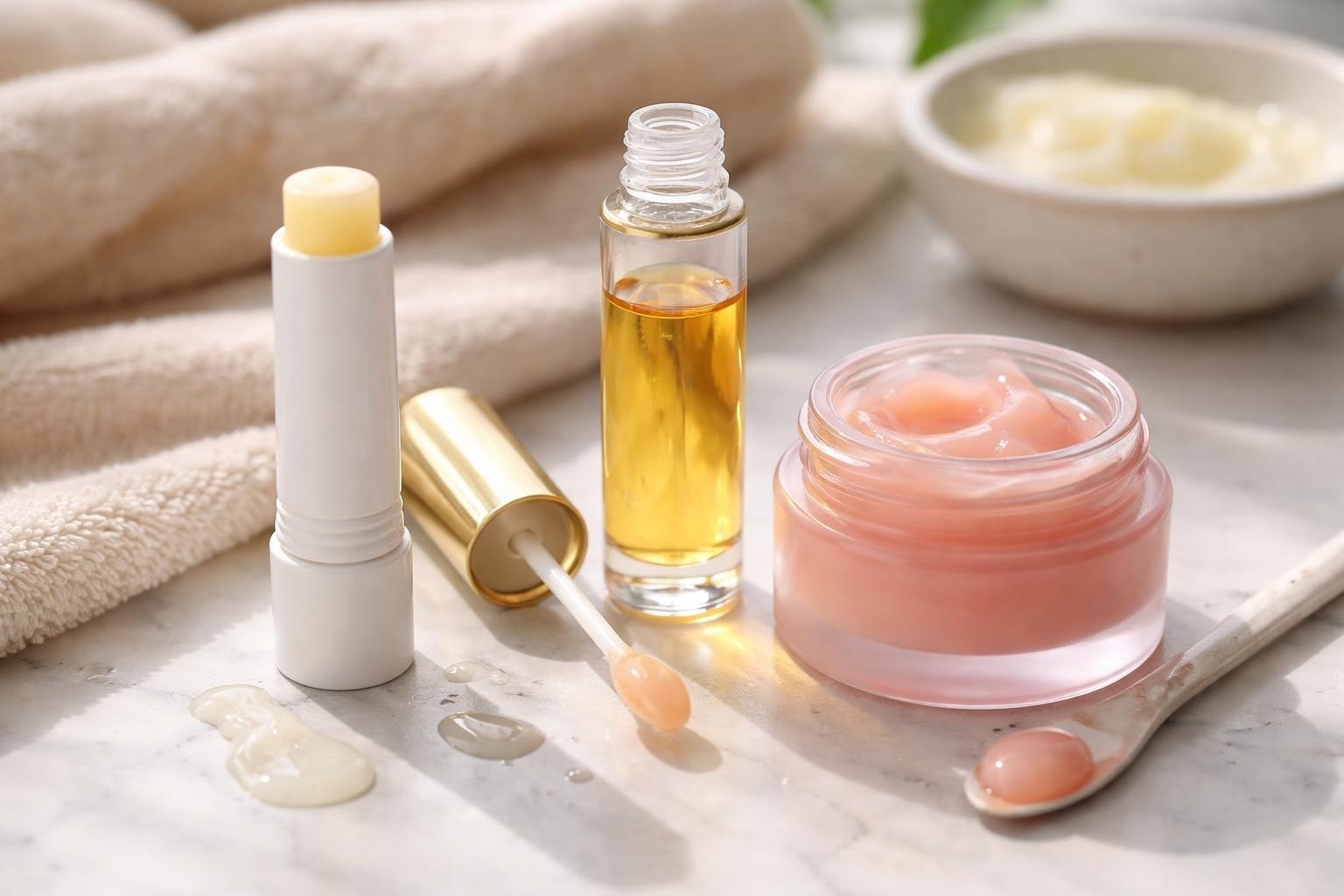
Best Dry Lip Balm: Your Guide to Hydrated Lips
Finding the best dry lip balm can feel overwhelming when you're faced with endless options at every beauty counter and drugstore. Your lips deserve special attention because they lack the oil glands that keep the rest of your skin naturally moisturized. Whether you're battling winter winds, sunny summer days, or just chronic dryness, choosing the right lip treatment makes all the difference between comfortable, healthy lips and constant discomfort. The key is understanding what ingredients actually work, what modern formulas offer beyond traditional balms, and how to integrate lip care into your daily routine for lasting results.
Understanding Why Lips Get Dry
Dry lips happen for more reasons than you might think. The delicate skin on your lips has a thinner outer layer compared to the rest of your body, making them particularly vulnerable to environmental stressors.
Common Culprits Behind Lip Dryness
Weather conditions top the list of factors that contribute to chapped lips. Cold air, wind, and low humidity levels strip moisture away faster than your lips can replenish it naturally. Even sunny days pose risks, as UV exposure damages the sensitive skin barrier.
Your daily habits also play a significant role:
Licking your lips frequently (saliva evaporates and causes more dryness)
Breathing through your mouth instead of your nose
Using harsh or drying lip products
Not drinking enough water throughout the day
Consuming acidic or salty foods that irritate lips
According to the American Academy of Dermatology, certain medications like retinoids and some blood pressure medications can also contribute to lip dryness as a side effect.

Medical Conditions That Affect Lip Health
Sometimes dry lips signal underlying health concerns. The NHS highlights that conditions like angular cheilitis, vitamin deficiencies, and allergic reactions can manifest as persistent lip dryness that doesn't improve with standard treatments.
Vitamin B deficiencies particularly affect lip health, while thyroid conditions can reduce overall skin moisture including your lips. If your dry lips persist despite consistent care, consulting a healthcare provider helps rule out these deeper issues.
Key Ingredients in the Best Dry Lip Balm
Not all lip treatments are created equal. The best dry lip balm contains specific ingredients that provide both immediate relief and long-term healing benefits.
Hydrating Powerhouses
Apple Seed Oil stands out as an exceptional hydrating ingredient. Rich in fatty acids and antioxidants, it penetrates deeply to nourish dry lips while creating a protective barrier against moisture loss. This natural oil provides the deep hydration your lips crave without feeling heavy or greasy.
Other top-performing hydrators include:
Hyaluronic acid for its ability to hold up to 1,000 times its weight in water
Shea butter offering rich, creamy moisture and vitamins A and E
Coconut oil with its antimicrobial properties and quick absorption
Ceramides that repair and strengthen the lip barrier
Squalane for lightweight, long-lasting moisture
Nourishing and Protective Components
Beyond hydration, the best dry lip balm includes ingredients that actively repair damage. Vitamin E acts as an antioxidant protecting against environmental damage while promoting healing. Fruit extracts like berry and plum provide natural nutrients and gentle exfoliation to remove dead skin cells.
Ingredient Type |
Key Benefits |
Best For |
|---|---|---|
Plant Oils |
Deep moisture, barrier protection |
Severely dry lips |
Butter (Shea, Cocoa) |
Rich hydration, healing |
Cracked lips |
Waxes (Beeswax, Candelilla) |
Sealing moisture, protection |
Wind exposure |
Vitamins |
Repair, antioxidant protection |
Damaged lips |
Humectants |
Water retention, plumping |
Dehydrated lips |
The combination of these ingredients matters more than any single component. Look for formulas that balance hydrators with occlusives to both deliver and seal in moisture.
Traditional Lip Balms vs Modern Lip Oils
The lip care landscape has evolved significantly beyond basic petroleum jelly. Understanding the differences between traditional balms and modern alternatives helps you choose the best dry lip balm for your specific needs.
How Traditional Balms Work
Classic lip balms typically rely on waxy bases like petroleum or beeswax to create a physical barrier on your lips. This occlusive layer prevents water loss but doesn't necessarily add moisture to already-dry lips. They work well for protection but may require frequent reapplication.
Many traditional balms have a thicker, sometimes sticky texture that can feel heavy on the lips. While they provide decent protection, they often lack the nourishing ingredients that actively improve lip condition over time.
The Lip Oil Advantage
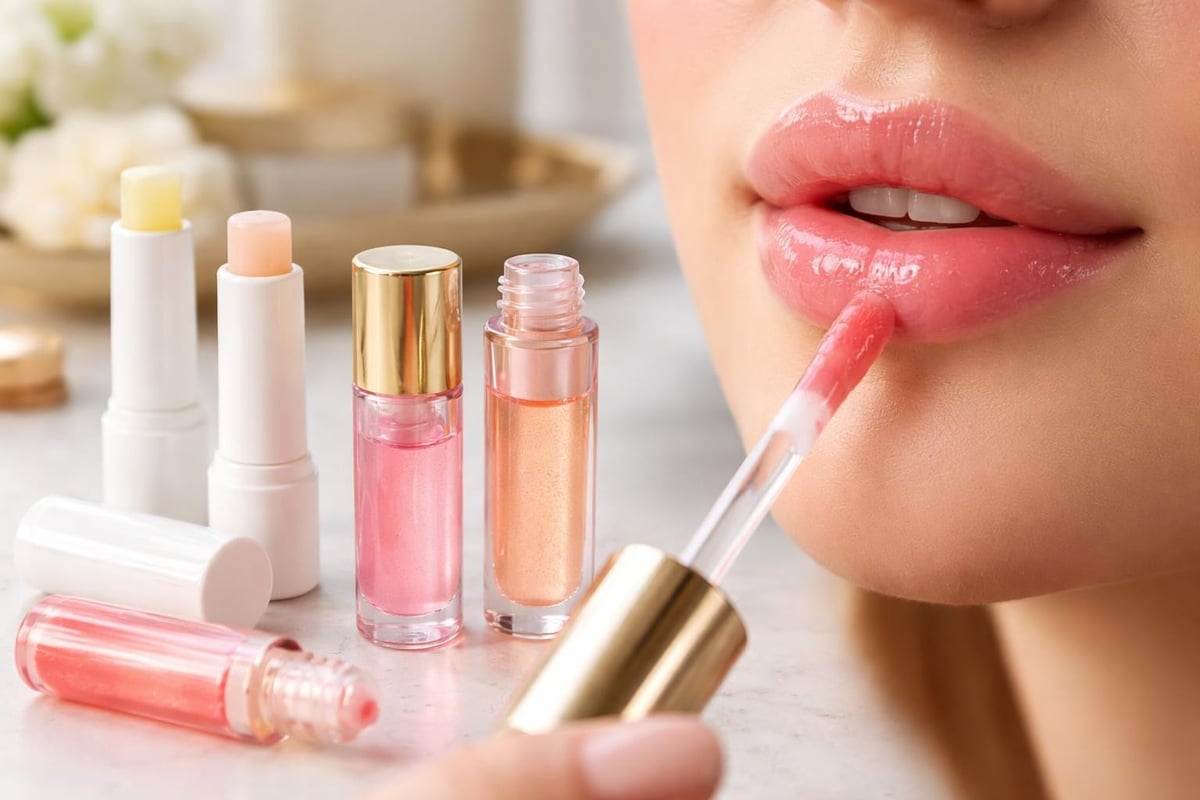
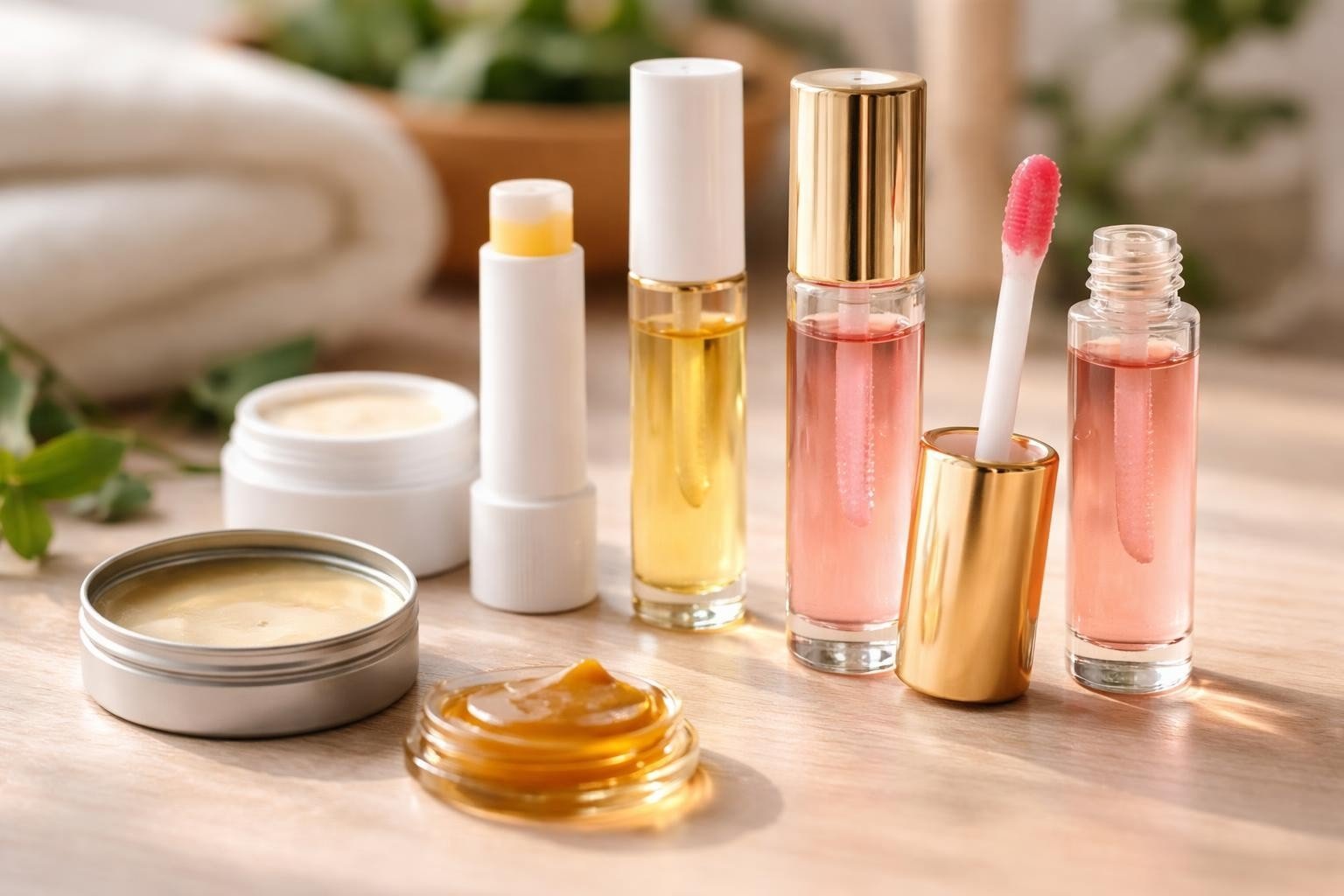
Lip oils represent a newer category that offers distinct advantages for treating dry lips. Unlike glosses that simply sit on top with sticky shine, lip oils combine the non-sticky, silky texture of a treatment with the visual appeal of a tint.
The nooni lip oil collection exemplifies this evolution. These formulas provide 2-in-1 function as a tint and oil, delivering gorgeous color while treating dryness simultaneously. The plumping effect comes from superior hydration rather than irritating ingredients.
Benefits of choosing lip oil over traditional balm:
Lighter, more comfortable wear throughout the day
Better ingredient penetration due to oil-based formulas
Long-lasting tint or stain that eliminates need for constant reapplication
Natural-looking glossy finish without stickiness
Richer nourishment from concentrated plant oils
Vegan and Cruelty-Free Considerations
Modern consumers increasingly prioritize ethical beauty choices. The best dry lip balm aligns with vegan and cruelty-free standards without compromising performance. Plant-based alternatives to beeswax, like candelilla wax, provide the same protective benefits while remaining completely vegan.
Medical News Today notes that natural, plant-based ingredients often prove gentler on sensitive lips while delivering comparable or superior moisturizing results to synthetic alternatives.
Top Formulas for Different Dry Lip Concerns
Different types of dryness require targeted approaches. The best dry lip balm for one situation might not work as well for another.
For Severely Chapped Lips
When your lips are cracked, peeling, or painful, you need intensive repair. Look for treatments with high concentrations of healing oils and butters. The Applebutter Lip Mask provides overnight intensive treatment, working while you sleep to restore even the most damaged lips.
Thick, occlusive formulas work best for severe cases. Apply generously before bed and allow the treatment to penetrate deeply without interruption from eating, drinking, or talking.
For Daily Maintenance and Prevention
Prevention beats treatment when it comes to lip care. Daily use of the best dry lip balm keeps your lips healthy year-round. The Appleberry Lip Oil offers perfect daily hydration with its lightweight formula that layers beautifully under lipstick or wears alone for a natural tinted look.
Choose formulas you'll actually want to reapply throughout the day. Enjoyable texture and subtle flavor make consistent use effortless rather than a chore.
For Sensitive or Reactive Lips
Some people experience allergic reactions or sensitivity to common lip balm ingredients. According to the Associated Press, fragrances, flavors, and certain preservatives commonly trigger reactions.
The best dry lip balm for sensitive lips contains:
Minimal ingredients list
No artificial fragrances or flavors
Hypoallergenic formulations
Natural, recognizable ingredients
No common irritants like menthol or camphor
Fruit extracts from natural sources typically prove gentler than synthetic flavoring agents while still providing pleasant taste and aroma.
Application Techniques for Maximum Benefits
Even the best dry lip balm won't deliver optimal results without proper application techniques. How and when you apply your lip treatment matters as much as what you apply.
Preparation and Exfoliation
Gentle exfoliation removes dead skin buildup that prevents lip treatments from penetrating effectively. Once or twice weekly, use a soft toothbrush or sugar scrub to slough away flakes. This creates a smooth canvas for your best dry lip balm to work its magic.
Never pick or peel dry skin from your lips. This damages the delicate tissue and creates more problems than it solves. Let exfoliation and hydration work together to naturally shed dead cells.
Optimal Application Timing
Strategic timing maximizes absorption and protection:
Morning routine: Apply after brushing teeth as a base layer
Before outdoor exposure: Create a protective barrier against elements
After meals: Reapply to replace what was removed while eating
Before bed: Allow intensive overnight repair
Throughout the day: Reapply whenever lips feel tight or dry
The Guardian's review of top lip products emphasizes that consistent reapplication throughout the day maintains the moisture barrier better than single heavy applications.
Layering for Enhanced Results
Combining different lip care products creates a comprehensive treatment system. Start with a hydrating lip oil like those in nooni's collection, then seal with a thicker mask or balm at night for maximum moisture retention.
During the day, the non-sticky formula of lip oils allows comfortable wear under lipstick or gloss without pilling or sliding. This versatility makes them the best dry lip balm option for makeup enthusiasts.
Seasonal Lip Care Strategies
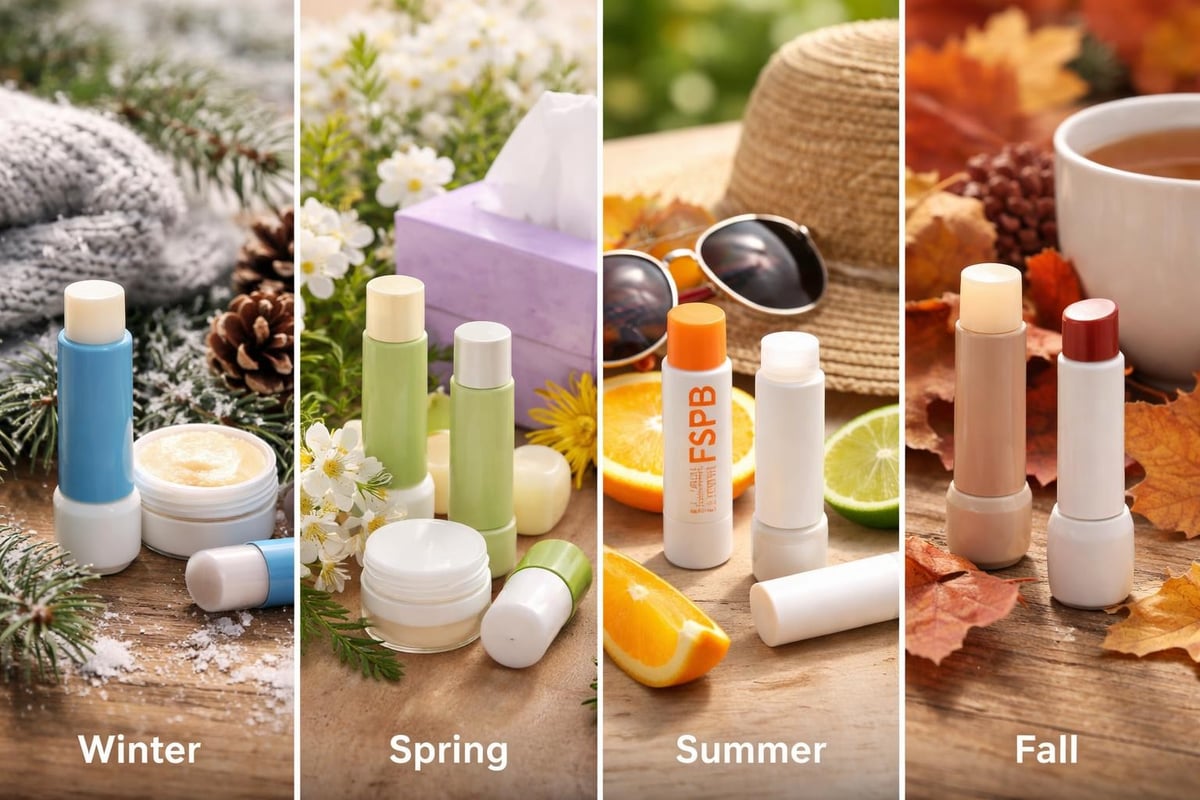
Your lips face different challenges throughout the year. Adapting your routine to seasonal conditions ensures consistent comfort and health.
Winter Protection
Cold weather demands the most intensive lip care. NIVEA's guide explains how winter air contains less moisture, while indoor heating further depletes humidity levels that keep lips comfortable.
Winter strategy essentials:
Choose richer formulas with higher oil content
Apply more frequently to combat rapid moisture loss
Use overnight treatments consistently
Protect from wind with scarves or masks when possible
Avoid licking lips despite increased temptation
The long-lasting tint from oil-based formulas means fewer reapplications in harsh weather when removing gloves repeatedly becomes inconvenient.
Summer Care Requirements
Sun exposure poses unique threats to lip health. UV rays damage the delicate lip tissue and accelerate aging. The best dry lip balm for summer includes SPF protection alongside hydration.
Lightweight textures feel more comfortable in heat and humidity. The silky texture of lip oils provides perfect summer wear, offering protection without the heaviness of traditional balms that can feel suffocating in warm weather.
Transition Seasons
Spring and fall bring fluctuating temperatures and conditions. Your lips need adaptable care that responds to changing environments. Keep multiple formulas on hand and adjust based on daily weather rather than sticking rigidly to one product.
Lifestyle Factors That Impact Lip Health
Beyond products, your daily habits significantly influence lip condition. Brookwood Dentistry identifies several lifestyle factors that contribute to chronic dryness.
Hydration and Nutrition
Internal hydration matters as much as topical treatments. Drinking adequate water throughout the day supports overall skin health including your lips. Dehydrated bodies can't maintain proper moisture levels regardless of how much balm you apply externally.
Nutritional considerations include:
B vitamins for cellular health and repair
Omega-3 fatty acids supporting skin barrier function
Vitamin C promoting collagen production
Iron preventing cracking and fissures
Zinc aiding in tissue repair
A balanced diet rich in fruits and vegetables provides these nutrients naturally, complementing your topical lip care routine.
Environmental Controls
Creating a lip-friendly environment reduces the workload on even the best dry lip balm. Use humidifiers in your home and office to maintain comfortable humidity levels, especially during heating season. This single change can dramatically improve lip condition.
Sleep position also matters. Breathing through an open mouth while sleeping dries lips significantly. If you're a mouth breather, using a humidifier in your bedroom becomes even more critical.
Choosing Products That Align With Your Values
Modern beauty consumers consider more than just effectiveness. Ethical sourcing, environmental impact, and ingredient transparency increasingly influence purchasing decisions.
Sustainable and Eco-Friendly Options
The best dry lip balm doesn't sacrifice the planet for personal care. Look for brands committed to sustainable practices, from ingredient sourcing through packaging choices. Locally sourced ingredients from Korea, like those used by nooni, reduce transportation impact while supporting regional agriculture.
Packaging considerations matter too. Recyclable containers, minimal plastic use, and refillable options reduce environmental footprint without compromising product quality.
Clean Beauty Standards
Vegan formulas eliminate animal-derived ingredients without sacrificing performance. Plant-based alternatives often prove superior to traditional animal ingredients, offering better absorption and gentler treatment for sensitive lips.
Cruelty-free certification ensures no animal testing occurred during product development. This ethical standard has become non-negotiable for conscious consumers seeking the best dry lip balm options.
Product Feature |
Why It Matters |
What to Look For |
|---|---|---|
Vegan |
No animal ingredients |
Plant oil bases, candelilla wax |
Cruelty-Free |
No animal testing |
Certified logos, brand statements |
Clean Ingredients |
Safer for health |
Short, recognizable ingredient lists |
Sustainable Sourcing |
Environmental impact |
Local ingredients, ethical farming |
Eco Packaging |
Waste reduction |
Recyclable, minimal plastic |
Troubleshooting Persistent Lip Dryness
Sometimes despite your best efforts with the best dry lip balm, dryness persists. Understanding when to adjust your approach versus seeking professional help prevents prolonged discomfort.
When Products Aren't Enough
If you've tried multiple quality lip treatments without improvement, consider these possibilities:
Allergic reaction to an ingredient in your products
Over-exfoliation causing more harm than good
Underlying medical condition requiring treatment
Medication side effects that need addressing with your doctor
Habitual behaviors like lip licking that override product benefits
Dermatologist Dr. Jenny Liu recommends keeping a log of products used and symptoms experienced to identify patterns that might indicate allergies or sensitivities.
Professional Intervention
Persistent symptoms warrant professional evaluation. Dermatologists can identify conditions like contact dermatitis, fungal infections, or nutritional deficiencies that manifest as chronic dry lips. They may prescribe medicated treatments or recommend specific over-the-counter products based on your individual situation.
Don't hesitate to seek help if your lips remain uncomfortable despite consistent care with quality products. Early intervention prevents minor issues from becoming chronic problems.
Building Your Complete Lip Care Routine
The best dry lip balm works even better as part of a comprehensive lip care system. Creating a routine tailored to your specific needs ensures optimal results.
Essential Products for Your Arsenal
A well-rounded lip care collection includes:
Daily lip oil for regular maintenance and tint
Intensive overnight treatment for deep repair
SPF lip protection for sun exposure
Gentle exfoliator for weekly use
Emergency repair balm for sudden flare-ups
The nooni lip collection offers coordinated products designed to work together, from daily oils to intensive masks, creating a complete care system.
Morning and Evening Rituals
Morning routine focuses on protection and preparation. After cleansing, apply your daily lip oil to create a moisturizing base that protects throughout the day. The 2-in-1 function means this single step provides both treatment and color.
Evening routine emphasizes repair and renewal. Remove all lip color thoroughly, gently exfoliate if needed, then apply an intensive treatment like a lip mask. This allows uninterrupted overnight healing while you sleep.
Customizing Based on Needs
Your perfect routine depends on your lifestyle, climate, and specific concerns. Office workers in air-conditioned environments need different care than outdoor enthusiasts. Experiment to find the combination that keeps your lips comfortable and healthy in your unique circumstances.
Consider pairing products strategically. The Appleberry and Appleplum duo offers complementary shades for different occasions while maintaining consistent care quality.
Understanding Ingredient Safety and Allergies
Even natural ingredients can cause reactions in sensitive individuals. Being informed about potential allergens helps you choose the best dry lip balm for your skin.
Common Allergens to Watch
Certain ingredients trigger reactions more frequently than others. Lanolin, despite being an effective moisturizer, causes allergic contact dermatitis in some people. Fragrance compounds, both natural and synthetic, rank among the most common sensitizers.
Other potential irritants include:
Flavor additives (cinnamon, peppermint)
Preservatives (parabens, phenoxyethanol)
Colorants and dyes
Chemical sunscreen ingredients
Essential oils in high concentrations
Fruit extracts from natural sources typically prove gentler, though individual sensitivities vary. Patch testing new products on your inner arm before applying to lips helps identify reactions before they affect your delicate lip tissue.
Reading Labels Effectively
Understanding ingredient lists empowers better choices. Ingredients appear in descending order by concentration, so those listed first make up the bulk of the formula. The best dry lip balm features hydrating oils and butters prominently rather than fillers and synthetic compounds.
Look for transparency from brands about their sourcing and manufacturing processes. Companies committed to quality willingly share detailed information about their ingredients and production methods.
Finding the best dry lip balm transforms your daily comfort and confidence, turning painful dryness into healthy, hydrated lips. By understanding the superior benefits of modern lip oils with their non-sticky texture, long-lasting tint, and deep hydration from ingredients like Apple Seed Oil, you can make informed choices that truly work. When you're ready to experience the difference that vegan, cruelty-free lip care makes, explore nooni for K-beauty solutions that combine elevated simplicity with proven results.
Read more
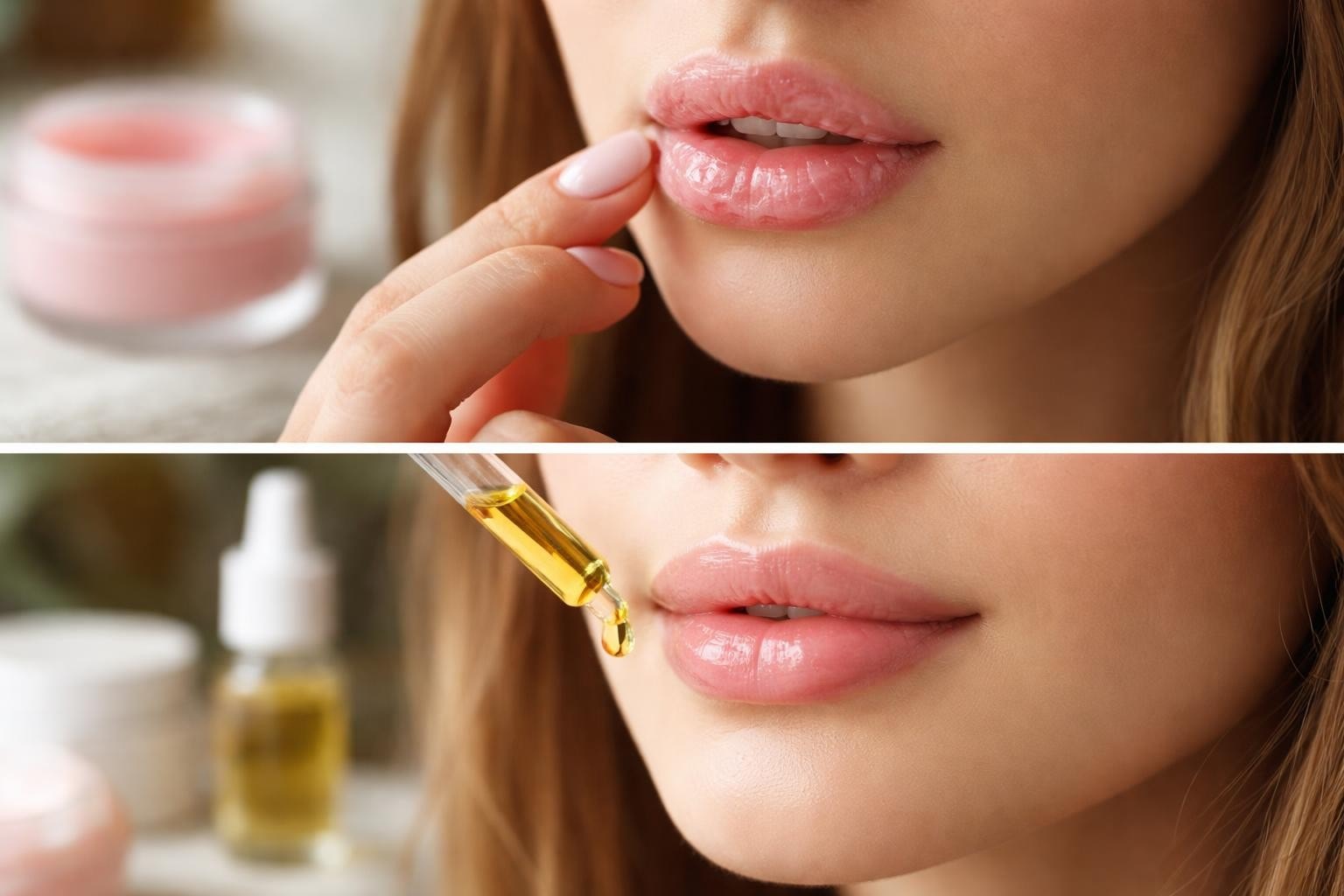
Discover how a lip mask can transform dry, chapped lips overnight. Learn about ingredients, benefits, and how to choose the best treatment.
Discover how to choose the right lip brand for hydrated, healthy lips. Learn about vegan formulas, nourishing oils, and K-beauty innovations.