




Should You Wash Your Face Before Using a Microcurrent Device?
Yes—wash your face before using a microcurrent device unless that device’s directions explicitly say otherwise. Begin with clean skin, rinse completely, and pat it fully dry. Then use only the conductive product and technique named or permitted by the device maker. A face cleanser removes residue; it does not replace conductive gel.
Key Takeaways
- Most at-home microcurrent routines begin on clean, dry skin, but the device manual is the final authority.
- Remove makeup, sunscreen, and other product layers before the session; do not scrub or add an extra wash when your face is already clean.
- Rinse cleanser away completely and pat dry before applying the device-approved conductive product.
- A wash-off cleanser and a conductive activator have different jobs and are not interchangeable.
Why Clean Skin Comes First
Microcurrent tools are having a visible beauty moment. Allure named a microcurrent set its Best Microcurrent Skin Device in its September 17, 2026 skin-care awards, while the brand’s directions begin with clean, dry skin and a separate conductive activator. That pairing—not a generic promise about every device—is the useful routine clue.
Makeup, sunscreen, facial oil, and yesterday’s skincare can leave an uneven layer between a device and your skin. Cleaning first also gives you a clear starting point for following the manual. The American Academy of Dermatology recommends a gentle, non-abrasive cleanser, lukewarm water, fingertips instead of a rough tool, and patting dry.
The label-first rule matters because microcurrent devices are not identical. Their approved areas, conductive products, session lengths, cleaning steps, and reasons to avoid use can differ. The FDA’s general cosmetics guidance likewise emphasizes reading directions and warnings before use. Do not borrow a routine from another device just because the tools look similar.

What Should Be on Your Skin?
| What is on your face? | What to do next |
|---|---|
| Makeup or tinted base | Remove it according to the makeup label, then complete the cleansing step your device maker allows. |
| Sunscreen or a rich skincare layer | Wash it off when the device directions call for clean, product-free skin. |
| Freshly washed, bare skin | Skip a duplicate cleanse. Make sure the skin is fully dry before the next labeled step. |
| Conductive product named by the device maker | Apply it in the amount and sections specified by that maker. |
| Regular serum, facial oil, or moisturizer | Do not assume it can replace activator. Follow the manual’s product order and compatibility rules. |
How to Wash Before a Microcurrent Session
Step 01 — Read the device directions
Check the current manual before you touch your face. Look for the required starting condition, approved conductive product, areas to avoid, session order, and device-cleaning instructions. NuFACE, for example, publishes downloadable manuals and tells MINI+ users to begin with clean, dry skin and apply a mask-like layer of its activator. That is specific to that system; your own device may differ.
Step 02 — Wash and dry your hands
Clean hands keep the prep simple. The FDA recommends washing hands before applying cosmetics. Dry them so you can handle the device and its controls as directed.
Step 03 — Remove makeup and sunscreen
Use the lightest routine that removes what you are actually wearing. If you have a resistant makeup layer, follow its remover directions first. If your face is already bare and clean, do not wash again just to make the routine feel more thorough.
Step 04 — Cleanse gently
Use lukewarm water and your fingertips, then rinse thoroughly. Avoid a scrub, cleansing brush, or hot water as an automatic prep step. AAD guidance supports gentle fingertip cleansing and recommends limiting routine washing to twice daily and after heavy sweating.
If its current label fits your device maker’s prep rules, see nooni snowflake whipping cleanser. It is an active 1-pack, 5.07 fl oz rinse-off foam cleanser whose official directions say to lather on wet hands, massage over a damp face and neck for 10–15 seconds, rinse with warm water, and avoid the eyes. It is not a conductive gel, and nooni does not claim compatibility with every microcurrent device.
Step 05 — Rinse and pat completely dry
Do not leave cleanser film behind. Rinse, then press a soft towel lightly against the skin. “Dry” here means the clean starting condition described by many device directions; it does not mean skipping the separate conductive layer required for the session.
Step 06 — Apply only the permitted conductive product
Use the activator, gel, or other conductive product allowed by your exact device. Apply the amount and coverage stated in its directions. If the gel dries during use, follow the maker’s instructions rather than improvising with water, mist, oil, or serum.

Common Prep Mistakes
Using cleanser as the conductive step
Cleanser is designed to be rinsed away. Conductive products are made for device glide and current transfer according to a specific system. Do not leave face wash on the skin or run the device through lather.
Assuming every serum works under the device
A watery texture is not proof of compatibility. Ingredients, film-formers, and the device design all matter. Check the manual or the manufacturer’s current support materials before substituting anything.
Over-washing for a “squeaky” feel
Clean does not need to feel tight. Repeated washing, long massage, or scrubbing adds friction without improving your ability to follow the device directions. If you are unsure how much face wash to use, our guide to face-cleanser amount offers a practical reference.
Skipping the warning section
Do not rely on a beauty trend article to decide whether a device is appropriate for you. Pause and follow the manual when the skin is irritated, the device is damaged, or you fall within any listed restriction. Ask the manufacturer or a qualified healthcare professional when a warning is unclear.
After the Session
Post-session steps also belong to the device label. Some activators may be left on; others may be rinsed away. Clean the device exactly as directed, keep water away from parts that are not designed to get wet, and store it dry. Apply the rest of your skincare in the order allowed by the manufacturer.
If you are introducing a new cleanser at the same time, consider separating the changes so you can observe how your skin feels. Our cleanser patch-test guide explains what a small-area check can and cannot tell you.
Bottom Line
Wash before using a microcurrent device when makeup, sunscreen, oil, or residue is present. Use a gentle technique, rinse thoroughly, and pat fully dry. Then stop thinking of cleansing and conductivity as the same step: apply only the conductive product allowed by your device, follow its warnings, and keep its manual—not a viral routine—in charge.
Sources
- Allure: 2026 Best of Beauty Skin-Care Winners
- NuFACE MINI+ official directions
- NuFACE official device manual downloads
- American Academy of Dermatology: Face Washing 101
- FDA: Using Cosmetics Safely
- FTC: Policy Statement Regarding Advertising Substantiation
Related Reading
- Should You Wash Your Face Before Using an LED Mask?
- Should You Wash Your Face With a Washcloth or Your Hands?
- How Much Face Cleanser Should You Use? A Practical Guide
Frequently Asked Questions
Select a question to open the answer.
Should I wash my face before using a microcurrent device?
Yes, unless your device directions say otherwise. Remove makeup, sunscreen, oil, and residue, rinse completely, and pat the skin fully dry before applying the conductive product permitted by the device maker.
Can I use a microcurrent device on wet skin?
Do not assume plain wet skin is the correct surface. Many devices call for clean, dry skin followed by a specific conductive product. Follow the starting condition and application steps in your exact manual.
Can face cleanser replace microcurrent gel?
No. Face cleanser is a rinse-off product, while a device-approved activator or gel supports conductivity and glide for that system. Never operate a microcurrent device through cleanser or lather.
Should I double cleanse before microcurrent?
Only when needed to remove what you are wearing and when the device directions permit that prep. A single gentle wash may be enough for bare skin; makeup or resistant sunscreen may require a label-directed first removal step.
Can I apply serum before using a microcurrent device?
Only if your device maker specifically allows that serum and order. A regular serum is not automatically conductive or compatible, so do not substitute it for the named activator.
Product & Skin Notice
This article is for general informational purposes only. Individual skin types, sensitivities, and results may vary. Always review the product label, ingredient list, directions, and warnings before use. Discontinue use if irritation occurs, and consult a qualified healthcare professional if you have an existing skin condition, known allergies, or persistent concerns.
Read more

Learn how to remove stubborn lip stain gently, avoid repeated rubbing, and know when to stop—plus a simple aftercare routine for comfortable lips.
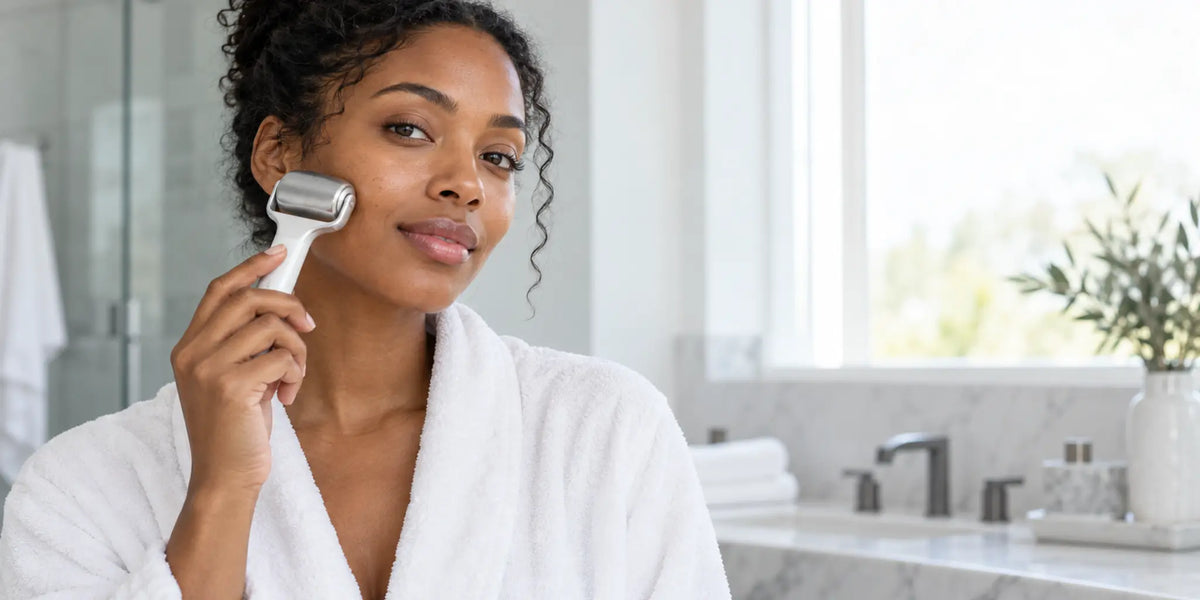
Wash your face before an ice roller when skin has makeup, sunscreen, sweat, or residue. Follow a clean-tool, label-first routine without extra scrubbing.