



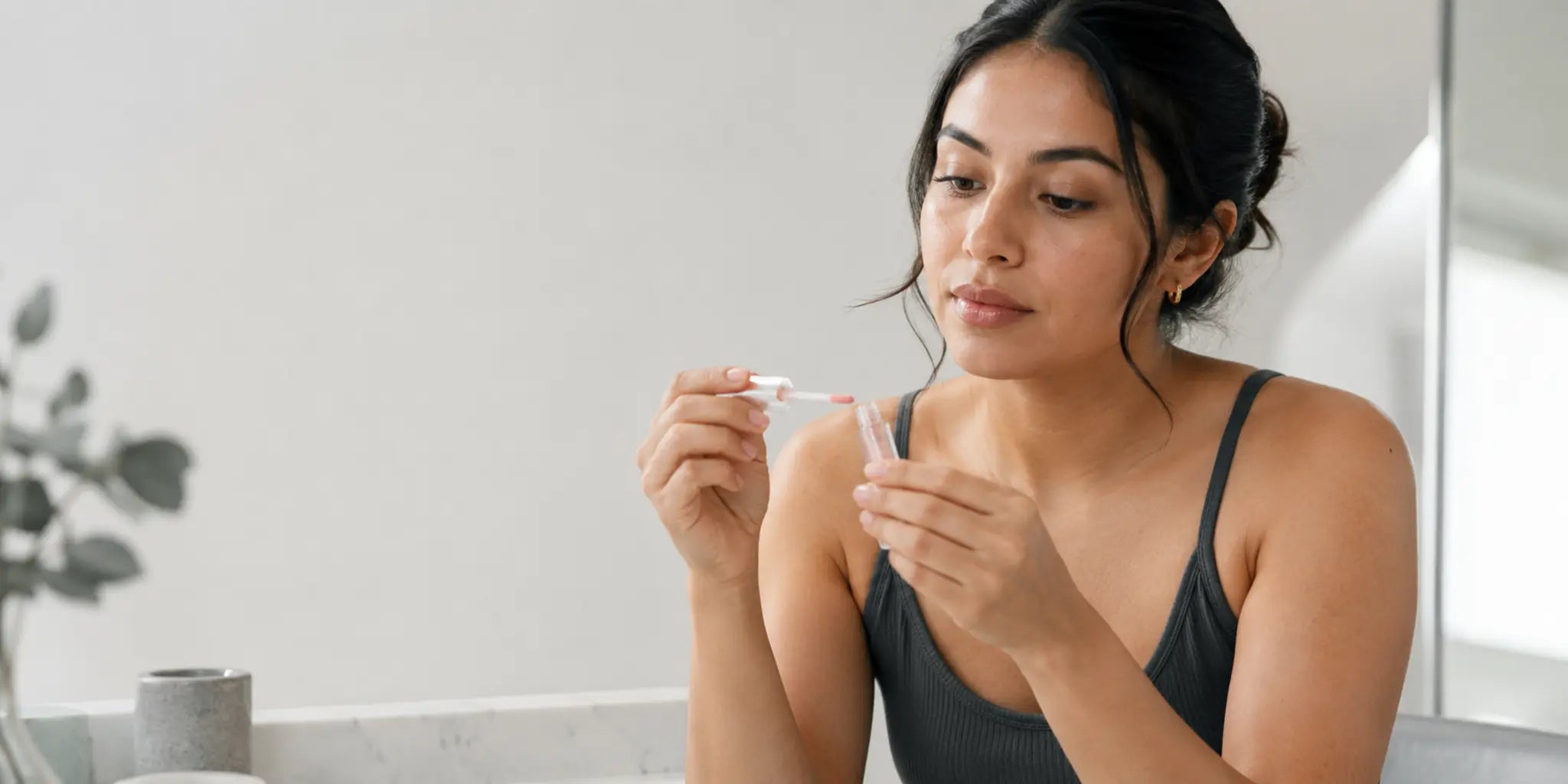
Does Lip Oil Expire? How to Store It and Know When to Replace It
Yes, lip oil can expire or become unsuitable to use—but there is no single replacement date that applies to every formula. Check the current package for an expiration date or open-jar symbol, remember when you opened it, store it away from heat and moisture, and stop using it if the color, smell, or texture changes.
Key Takeaways
- U.S. law does not require every cosmetic to display an expiration date, so the package and manufacturer remain your first references.
- A printed date is not the only clue: heat, moisture, air, and repeated applicator use can affect a cosmetic over time.
- Do not share lip oil, add water or saliva, or leave the tube in a hot car.
- Discard a lip oil if its smell, color, texture, or appearance changes—or if the package is damaged or cannot close securely.
Does Lip Oil Expire?
Lip oil is a cosmetic, and cosmetics do not remain unchanged forever. The U.S. Food and Drug Administration explains that shelf life depends on the product type, how it is used, and how it is stored. Temperature changes, sunlight, air, moisture, applicator contact, and the gradual breakdown of a formula can all matter.
This is why a universal claim such as “every lip oil expires exactly 12 months after opening” is not reliable unless that period appears on the specific product or comes from its manufacturer. In the United States, cosmetic labels are not generally required to carry an expiration date. The company is still responsible for product safety, but consumers may need to use several clues rather than one number.
How to Read the Package
Before judging the product by memory, inspect the tube, carton, and any insert. Packaging can vary by market or production run, so use the information on the item in your hand.
| What you may see | How to use it |
|---|---|
| Expiration or best-use date | Follow the printed date and any accompanying storage instructions. |
| Open-jar symbol with a number and “M” | This commonly indicates a period after opening, measured in months. Note the date you first open the product. |
| Batch or lot code | Keep it visible. It may help the brand identify the production batch if you have a product question. |
| No obvious date | Do not invent one. Track the opening date, follow storage directions, watch for changes, and contact the brand if you need product-specific guidance. |
The American Academy of Dermatology also recommends checking for a Period After Opening symbol and marking the date you open a cosmetic. That simple note removes the guesswork months later.

How to Store Lip Oil
Step 01 — Close the cap securely
Return the applicator to the tube and tighten the cap after each use. A securely closed container limits unnecessary exposure to air and helps keep the applicator and opening clean. Wipe product from the outside of the neck with a clean tissue if needed; do not pour another substance into the tube.
Step 02 — Choose a cool, dry place
A shaded drawer or cabinet at a stable indoor temperature is usually more suitable than a sunny windowsill, steamy shower shelf, or parked car. FDA guidance says heat can weaken preservatives and allow microorganisms to grow faster, while warm or damp storage can make contamination more likely.
Step 03 — Keep it personal
Do not share a lip oil wand. Both the FDA cosmetic safety guide and its microbiological safety guidance advise against sharing cosmetics. Repeated contact is part of normal use, but passing the same applicator between people adds avoidable exposure.
Step 04 — Track the opening date
Add a small dated sticker to the bottom of the tube or record the date in your phone. This is especially useful when you rotate several shades and cannot remember which one has been open the longest.
When Should You Replace Lip Oil?
Use the earliest clear reason to stop: the package date or period has passed, the manufacturer advises replacement, the tube has been stored poorly, or the product has changed. You do not need to wait for every warning sign to appear.

Check the smell
A noticeably different or unpleasant odor is a reason to discard the product. FDA consumer guidance specifically says to throw away cosmetics when their color or smell changes.
Check the color and texture
Look for an unexplained color shift, separation that does not return to the product’s normal appearance, unusual cloudiness, graininess, dryness, or a texture that has become markedly thicker or thinner. A tinted formula can leave color around the wiper and opening during ordinary use, so compare the product with its own earlier appearance rather than with a different shade.
Check the package
Replace a tube that is cracked, leaking, or no longer closes properly. If the applicator breaks or the stopper comes loose, continuing to improvise with the damaged package is not worth the uncertainty.
Check how your lips respond
If you notice irritation or another unexpected reaction, stop using the product. The FDA’s current cosmetic complaint guidance says consumers can contact a healthcare provider and report cosmetic problems to the agency. A reaction does not prove that age or contamination caused it, but it is still a reason to pause use.
A Current nooni Lip Oil Example
The current official page for nooni appleclear lip oil lists a 3.7 ml (0.12 fl oz.) clear lip oil with a pointed doe-foot applicator. Its directions are to apply evenly to clean, dry lips with the applicator tip and reapply as needed. The live product page does not state a universal replacement period in its online directions, so the label on your own package remains the correct place to check for date or opening guidance.
This example shows the difference between verified product directions and a shelf-life assumption. Follow the current label, keep the tube closed and stored appropriately, and contact nooni with the batch code if you need guidance about a particular unit. View the current product details.
Common Lip Oil Storage Mistakes
- Keeping it in a hot car: a bag inside a parked car can be exposed to substantial heat.
- Leaving the cap loose: product around the threads can keep the tube from closing correctly.
- Adding water or saliva: FDA guidance warns that this can introduce microorganisms and dilute preservatives.
- Using a counter tester directly: choose a new disposable applicator if testing is necessary.
- Assuming “natural” means longer-lasting: ingredient origin alone does not determine safety or shelf life.
- Relying only on a social-media replacement chart: use product-specific labeling and manufacturer information first.
The Bottom Line
Lip oil can expire, but the right replacement decision is product-specific. Read the package, note when you opened it, keep it closed in a cool and dry place, and watch for changes in odor, color, texture, or packaging. When the product looks or smells different, has been exposed to poor storage conditions, or causes an unexpected reaction, stop using it rather than trying to revive it.
Sources
- FDA: Shelf Life and Expiration Dating of Cosmetics
- FDA: Cosmetics Safety Q&A—Shelf Life
- FDA: Using Cosmetics Safely
- FDA: Microbiological Safety and Cosmetics
- AAD: When to Toss Your Makeup and Sunscreen
Related Reading
- Lip Liner or Lip Oil First? A Step-by-Step Layering Guide
- Does Lip Oil Have SPF? A Daytime Lip-Layering Guide
- Tinted Lip Oil: How to Get Color and Hydration in One Step
Frequently Asked Questions
Select a question to view the answer.
How long does lip oil last after opening?
There is no single period for every lip oil. Follow the expiration date or Period After Opening symbol on your package, the manufacturer’s guidance, and any storage directions. If no period is shown, track the opening date and contact the brand for product-specific information.
What does the open-jar symbol on lip oil mean?
An open-jar symbol with a number and “M” commonly indicates how many months the cosmetic is intended to be used after opening. For example, the number is counted from the date you first open the product, not the purchase date.
Can I use lip oil after its printed date?
Follow the product’s printed date and directions. Storage and use can also affect a cosmetic, so discard it earlier if the smell, color, texture, or packaging changes. Contact the manufacturer if the labeling is unclear.
Does lip oil go bad faster in a hot car?
Heat can make cosmetic ingredients or preservatives break down and may allow microorganisms to grow faster. Do not leave lip oil in a hot car; store it according to the label in a cool, dry place away from direct sunlight.
Can I add water to thick lip oil?
No. Adding water or saliva can introduce microorganisms and dilute the system intended to keep the product usable. If a lip oil has become unusually thick or dry, replace it instead of trying to restore it.
Product & Skin Notice
This article is for general informational purposes only. Individual skin types, sensitivities, and results may vary. Always review the product label, ingredient list, directions, and warnings before use. Discontinue use if irritation occurs, and consult a qualified healthcare professional if you have an existing skin condition, known allergies, or persistent concerns.
Read more
Can you wash your face in the shower? Learn how water temperature, cleanser timing, rinsing, and drying can shape a gentle, practical routine.
Hands are usually the gentler way to wash your face. Learn when a soft washcloth may fit, how to avoid friction, and the best step-by-step routine.