


Cold can make lip oil look thicker, cloudier, or separated, but there is no single freeze point that applies to every formula. If a tube has been left in freezing weather, keep it closed, bring it indoors, let it return to room temperature naturally, and then check the label, color, texture, and smell before deciding whether to use it. Do not try to speed the process with direct heat.
Key Takeaways
- A lip oil's response to cold depends on its complete formula, packaging, and length of exposure.
- Cold-related thickening can be temporary, but a persistent change in color, texture, or smell is a reason to stop and reassess.
- Keep the cap closed while the tube returns to a stable indoor temperature; avoid hot water, heaters, and hair dryers.
- For winter carry, use a clean interior pouch instead of leaving lip oil in a parked car or exposed outer pocket.
Can Lip Oil Actually Freeze?
It can become very cold and may partially solidify, but the exact behavior is formula-specific. Lip oils are blends rather than one universal substance. Different oils, emollients, pigments, flavors, and other ingredients can respond differently as the temperature falls. Unless a brand publishes a tested storage range or freeze point for the exact product, it is better not to invent a number.
The practical question is not whether every part of the formula crossed a scientific freezing point. It is whether cold exposure caused a lasting change that makes the product different from the label and from its normal appearance. The U.S. Food and Drug Administration's cosmetic shelf-life guidance notes that temperature changes, sunlight, air, and other conditions can affect a cosmetic's color, texture, and smell.
| Situation | What to do | What to avoid |
|---|---|---|
| Brief outdoor commute | Move the capped tube to a stable indoor space. | Opening it immediately with cold, stiff packaging. |
| Left overnight in a cold car | Keep it closed, allow a natural return to room temperature, and inspect it carefully. | Using it immediately or applying direct heat. |
| Persistent change in color, texture, or smell | Stop using it and check the label or contact the manufacturer. | Assuming mixing or heating will restore the original product. |
| Stored beside a heater | Move it to a moderate, dry indoor location. | Repeated hot-to-cold temperature swings. |

What to Do After Lip Oil Gets Very Cold
Step 01 — Read the product label first
Look for storage directions, warnings, a period-after-opening symbol, and any information printed on the carton or tube. General advice cannot replace directions for the exact formula in your hand. FDA guidance also recommends reading cosmetic labels and following their directions and warnings.
Step 02 — Keep the package closed
Leave the cap fully closed while the tube warms. Opening and repeatedly pumping a wand can introduce air and whatever is on your hands into the package. If the outside is damp from condensation, dry the exterior before opening it.
Step 03 — Move it to a stable indoor location
Set the tube upright on a clean surface away from a sunny window, radiator, heating vent, or other direct heat source. A vanity drawer or interior cabinet is usually more stable than a windowsill, bathroom ledge, or car console.
Step 04 — Let it return to room temperature naturally
Give the closed tube time to adjust on its own. The exact time varies with the package and how cold it became, so there is no honest universal timer. Do not use a microwave, hair dryer, hot water, heating pad, or radiator. Rapid heating can expose the package and formula to another temperature extreme.
Step 05 — Inspect before applying
Once the tube feels like the surrounding room, compare it with its normal appearance. Check whether unusual cloudiness, separation, graininess, color change, or odor remains. A temporary change that fully disappears is not the same as a persistent change, but appearance alone cannot prove that a cosmetic is suitable to use.
Step 06 — Choose the conservative option when uncertain
If the change remains, the package is cracked or leaking, the label is unreadable, or you simply cannot tell what happened, stop using the product. Review the brand's current directions or contact its customer service. The FDA's cosmetic safety guidance advises consumers not to use a cosmetic if its color or smell has changed.
How This Applies to nooni applecoco lip oil
The current nooni store lists nooni applecoco lip oil as an active 3.7 ml / 0.12 fl oz product. Its listed directions are to apply evenly to clean, dry lips with the applicator tip and reapply as needed. The product page identifies Apple Water, Apple Seed Oil, Coconut Oil, and a Botanical Oil Blend as key ingredients.
The current listing does not publish a freeze point, a cold-weather performance guarantee, or a tested storage temperature range. That limitation matters: this guide should not be read as a formula-specific temperature claim. The listing also explains that the bottle is intentionally not filled to the brim for shipment, so fill level alone should not be used to judge cold damage.
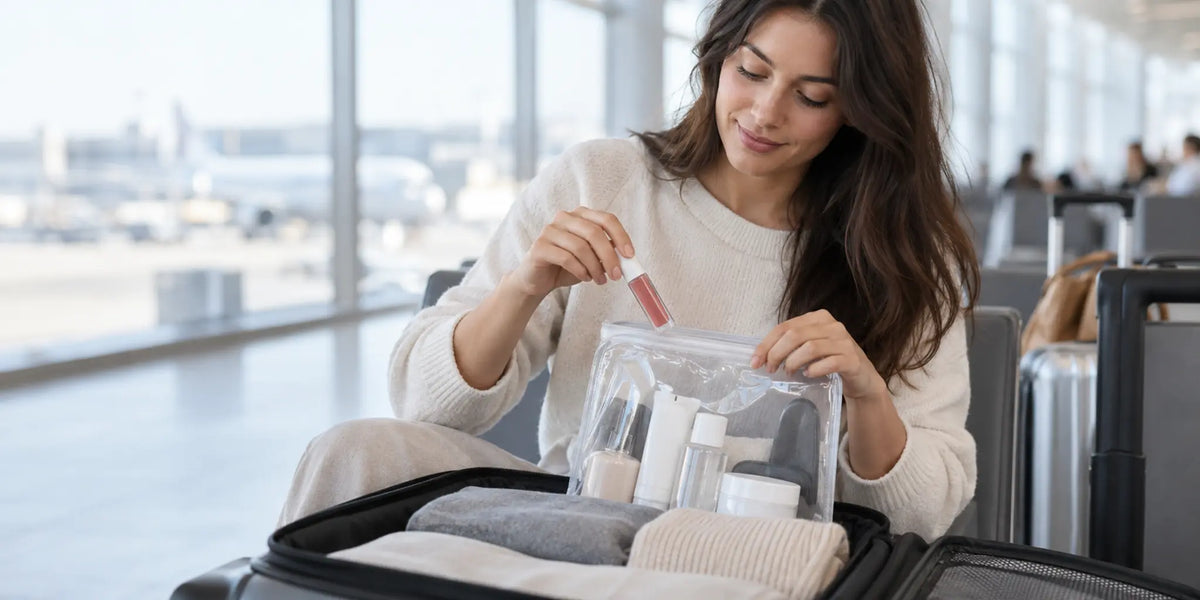
One simple winter habit: keep the capped tube in a clean interior pouch and follow the live product label whenever it differs from general guidance.
A Practical Cold-Weather Lip Routine
Cold outdoor air and low humidity can leave lips feeling dry and chapped, according to the American Academy of Dermatology. The goal is not to build a complicated routine. Keep the product clean, minimize unnecessary exposure to temperature swings, and pay attention to how your lips feel.
- Apply lip products with clean hands and avoid sharing applicators.
- Store the tube indoors when possible instead of making the car its permanent home.
- If your lips feel irritated, stop using the product rather than layering on more.
- Use the AAD's dry and chapped lip tips for general seasonal care.

Where to Store Lip Oil in Winter
Choose a moderate, dry place with fewer temperature swings. An interior drawer, closed vanity cabinet, or makeup pouch carried inside your bag is generally more consistent than a car, windowsill, or outside coat pocket. Keep the cap secure and wipe the outside clean if the tube picks up moisture.
If you travel, put the tube in a small pouch that stays with you indoors. The point is not perfect temperature control; it is avoiding long, repeated exposure to extremes. The Federal Trade Commission's claim guidance is also a useful reminder for beauty shoppers: objective product claims should have appropriate support. Be cautious with social posts that promise a universal freeze point or guaranteed recovery without identifying the exact formula and evidence.
Bottom Line
Lip oil may thicken, turn cloudy, separate, or partially solidify in very cold conditions, but formulas do not all behave the same way. Keep a cold tube closed, let it return to room temperature naturally, and inspect it before use. If a change in color, texture, or smell persists—or the package is damaged—stop using it and consult the label or manufacturer. Stable indoor storage is the easiest winter habit.
Sources
- FDA: Shelf Life and Expiration Dating of Cosmetics
- FDA: Using Cosmetics Safely
- FDA: Allergens in Cosmetics
- American Academy of Dermatology: Cold Weather and Your Skin
- American Academy of Dermatology: Dry and Chapped Lips
- FTC: Health Products Compliance Guidance
- Allure: 2026 Best of Beauty Lip Winners
Related Reading
- Does Lip Oil Expire? How to Tell and Store It
- How to Wear Lip Oil With a Scarf Without the Mess
- How to Keep a Lip Oil Applicator Clean
Frequently Asked Questions
Select a question to open the answer.
Can lip oil freeze in a car?
It can become extremely cold and may thicken, turn cloudy, separate, or partially solidify in a parked car. Because formulas vary, there is no universal freeze point. Keep the tube closed, bring it indoors, let it return to room temperature naturally, and inspect it before use.
What should I do if my lip oil feels thicker after cold exposure?
Keep it capped and allow it to return to room temperature without direct heat. If the normal texture returns and there is no unusual change in color or smell, review the label before use. If the change persists, stop using it and contact the manufacturer.
Can I warm cold lip oil with hot water or a hair dryer?
No. Avoid hot water, hair dryers, microwaves, radiators, and heating pads. Direct heat creates another temperature extreme and may affect the package or formula. Let the closed tube warm naturally in a stable indoor place.
Is cloudy lip oil always unsafe?
Not necessarily, because cold can temporarily change how some formulas look. However, appearance alone cannot establish suitability. Wait until the capped product returns to room temperature, then follow its label. If cloudiness or another change persists, do not use it.
Where should I store lip oil in winter?
Choose a moderate, dry indoor location away from direct sunlight, heaters, and repeated temperature swings. A clean interior drawer, cabinet, or makeup pouch is generally more stable than a parked car, windowsill, or exposed outer pocket.
Product & Skin Notice
This article is for general informational purposes only. Individual skin types, sensitivities, and results may vary. Always review the product label, ingredient list, directions, and warnings before use. Discontinue use if irritation occurs, and consult a qualified healthcare professional if you have an existing skin condition, known allergies, or persistent concerns.