



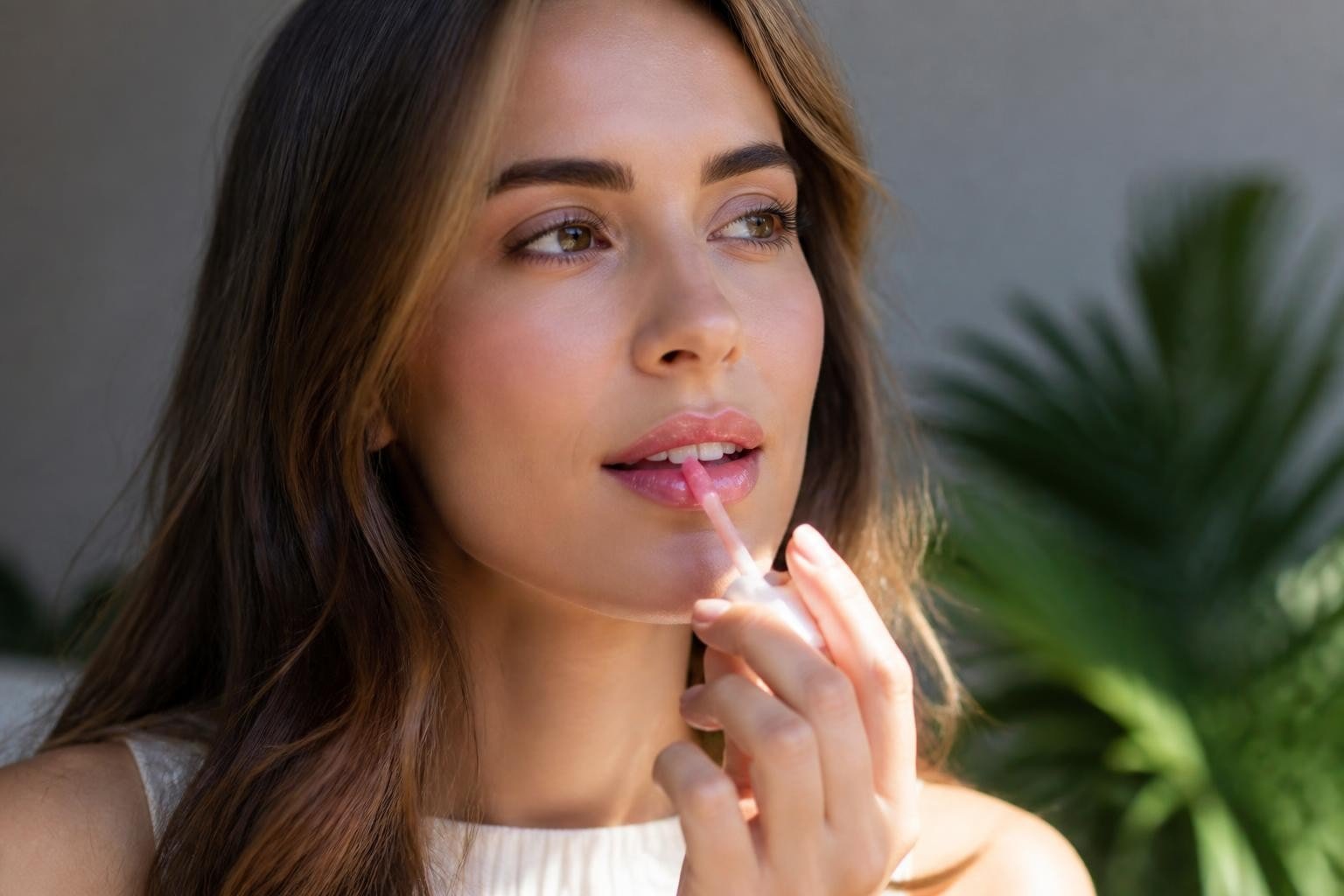
Moisturizing Oil for Lips: Benefits & Expert Guide 2026
Dry, chapped lips are more than just uncomfortable-they affect how you look and feel throughout the day. Traditional lip balms and glosses often leave a sticky residue or require constant reapplication, creating a cycle of temporary relief without lasting results. Moisturizing oil for lips has emerged as a superior solution, combining the hydrating power of plant-based oils with a silky, non-sticky texture that keeps lips nourished and glossy for hours. These innovative formulas deliver both skincare benefits and subtle color, transforming lip care into a simple, enjoyable ritual.
Understanding Moisturizing Oil for Lips
Moisturizing oil for lips is a hybrid beauty product that functions as both a treatment and a cosmetic enhancement. Unlike conventional lip glosses that sit on the surface, lip oils contain nutrient-rich botanical extracts and essential fatty acids that penetrate the delicate lip skin to provide deep, lasting hydration.
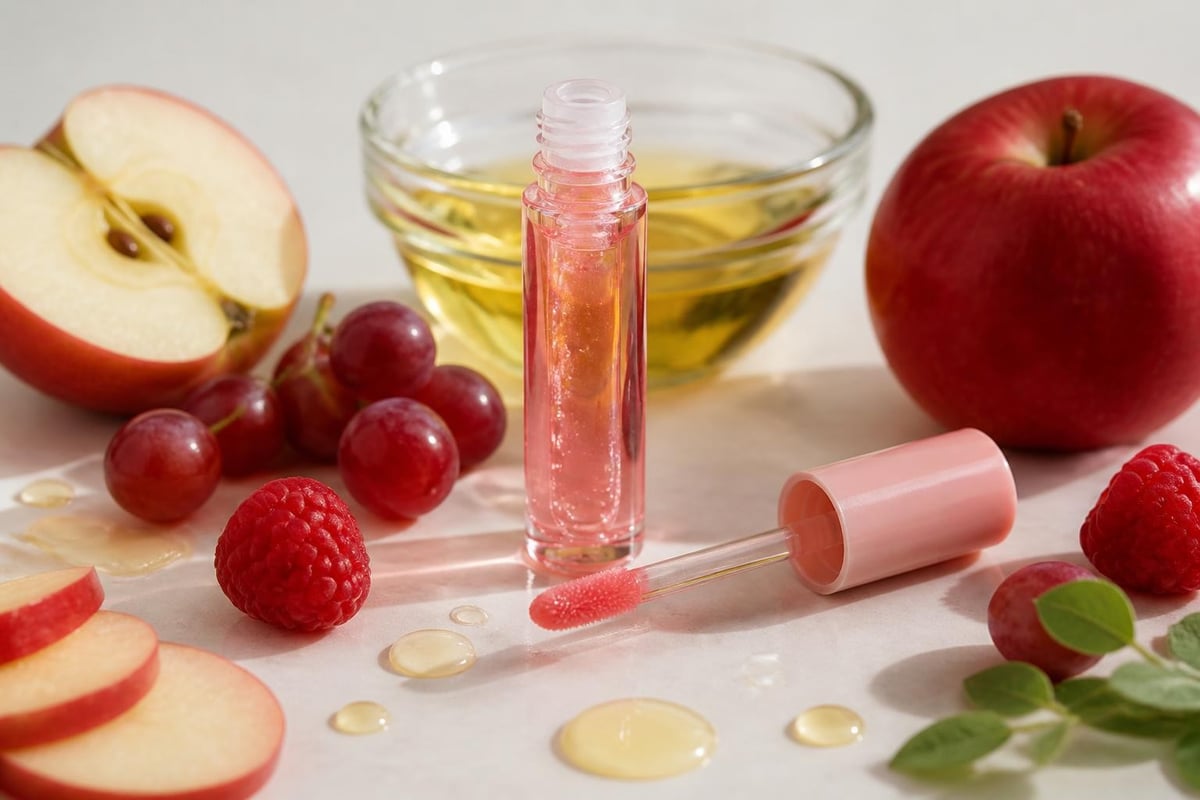
The formulation typically features a base of nourishing oils such as Apple Seed Oil, which delivers vitamins E and F alongside Coenzyme Q10. These components work together to strengthen the lip barrier, lock in moisture, and protect against environmental stressors like wind and sun exposure.
What Makes Lip Oil Different
The key distinction lies in texture and purpose. Where traditional glosses prioritize shine over care, lip oils prioritize health while delivering an effortless glow. The consistency is lighter, absorbs partially into the lips, and never feels heavy or tacky.
Core characteristics include:
- Non-sticky formula that glides on smoothly without uncomfortable residue
- Silky texture that feels weightless throughout wear
- Deep hydration from oil-based ingredients rather than waxes
- Long-lasting tint that enhances natural lip color subtly
- Plumping effect from improved moisture retention and circulation
Many formulas also incorporate fruit extracts-like fig, cranberry, or peony-which provide antioxidants while adding delicate, natural-looking color. This 2-in-1 function makes moisturizing oil for lips ideal for minimalist routines and clean beauty enthusiasts.
Key Benefits of Moisturizing Oil for Lips
Understanding the specific advantages helps you appreciate why lip oils have become essential in modern beauty routines. The benefits extend beyond superficial shine to genuine skin health improvements.
Intensive Hydration Without Heaviness
The oil-based formula creates a breathable barrier that prevents moisture loss while allowing lips to move naturally. Unlike petroleum-based products that merely seal the surface, moisturizing oil for lips delivers active hydration through ingredients that the lip skin can actually use.
This approach addresses the root cause of dryness rather than temporarily masking symptoms. Over time, consistent use can improve overall lip texture and reduce the frequency of chapping episodes.
Versatile Wear for Any Occasion
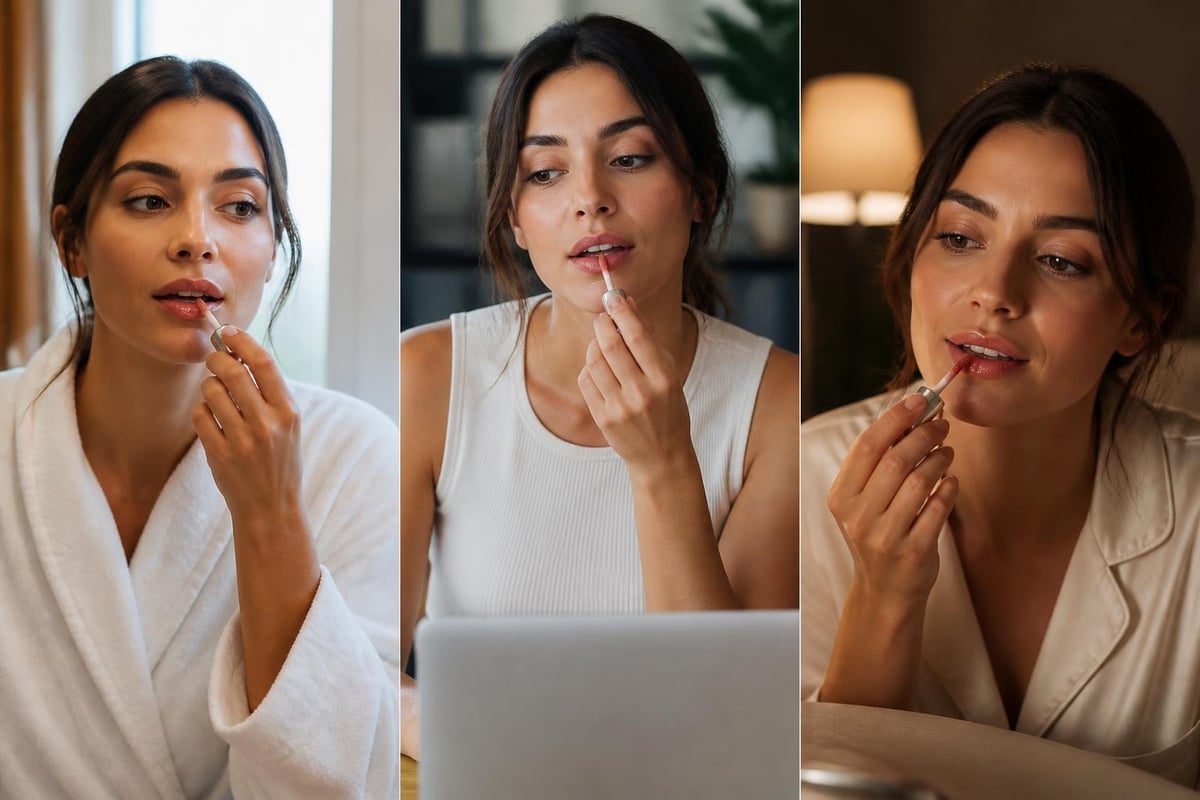
Lip oils adapt seamlessly to different needs throughout your day:
- Morning application for a fresh, natural look during work or errands
- Midday refresh to combat dryness from indoor heating or air conditioning
- Evening enhancement when layered over lipstick for added dimension
- Overnight treatment for intensive repair while you sleep
The lightweight nature means you can reapply without buildup, and the subtle tint complements any makeup style from no-makeup looks to full glam.
| Feature | Lip Oil | Traditional Gloss | Lip Balm |
|---|---|---|---|
| Hydration Level | Deep, lasting | Surface only | Moderate |
| Texture | Silky, non-sticky | Often sticky | Waxy |
| Color Payoff | Sheer tint | High shine | Usually clear |
| Treatment Benefits | High (oils, vitamins) | Low | Moderate |
| Wear Comfort | Lightweight | Heavy feel | Can be thick |
Enhanced Lip Appearance
Beyond health benefits, moisturizing oil for lips delivers aesthetic improvements that traditional products struggle to match. The natural plumping effect occurs as hydrated lips become fuller and more supple, creating definition without artificial fillers.
The glossy finish catches light beautifully, making lips appear more youthful and vibrant. Unlike heavy glosses that can migrate into fine lines, lip oils maintain their placement while softening the appearance of any texture irregularities.
Comparing Lip Oil vs Lip Gloss
Many people wonder about the practical differences when choosing between these popular products. While both offer shine, their formulations and results vary significantly.
Formulation and Texture Differences
Lip gloss typically contains:
- Synthetic polymers for extreme shine
- Heavy emollients that create tackiness
- Minimal skincare ingredients
- Focus on immediate visual impact
Moisturizing oil for lips features:
- Plant-derived oils as primary ingredients
- Vitamins and antioxidants for treatment
- Lightweight consistency that absorbs partially
- Dual function as skincare and color
The texture difference becomes apparent within minutes of application. Glosses often require careful eating and drinking to avoid smudging, while lip oils feel comfortable enough to forget you're wearing them.
Longevity and Maintenance
Lip oils require less frequent touch-ups because they actually improve lip condition with each application. As the oils nourish and repair, your natural lips become healthier, reducing the need for constant coverage.
Traditional glosses fade quickly and can leave lips feeling drier than before application, creating dependency. The non-sticky nature of lip oil also means less transfer onto cups, masks, or clothing, making it more practical for active lifestyles.
Essential Ingredients in Quality Lip Oils
Understanding ingredient lists helps you select formulas that deliver genuine results rather than marketing promises. The best moisturizing oil for lips contains a thoughtful blend of actives that work synergistically.
Nourishing Base Oils
Apple Seed Oil stands out as an exceptional base ingredient. Rich in essential fatty acids, it provides deep penetration while remaining lightweight on the skin. The high concentration of Vitamin E offers antioxidant protection against free radicals that accelerate aging.
Additional beneficial oils include:
- Jojoba oil for its similarity to natural skin sebum
- Sweet almond oil for Vitamin A and smoothing properties
- Argan oil for omega fatty acids and rapid absorption
- Rosehip oil for regeneration and scar healing
These natural ingredients align with growing preferences for clean beauty and sustainable sourcing practices.
Fruit Extracts and Botanicals
Beyond hydration, fruit-derived components add therapeutic benefits and natural color. Cranberry extract provides anthocyanins for antioxidant defense. Vanilla offers soothing properties and a comforting scent. Ginseng delivers circulation-boosting compounds that enhance the natural plumping effect.
These extracts transform moisturizing oil for lips into targeted treatments that address specific concerns while maintaining a vegan, cruelty-free standard that conscious consumers demand.
Performance-Enhancing Vitamins
Vitamin F (essential fatty acids) repairs damaged lip tissue and prevents moisture loss. Coenzyme Q10 energizes cellular function and fights oxidative stress. Together with Vitamin E, these create a comprehensive anti-aging complex specifically formulated for the unique needs of lip skin.
How to Incorporate Lip Oil Into Your Routine
Maximizing benefits requires strategic application and understanding how lip oils complement other products in your comprehensive lip care routine.
Daily Application Techniques
Start with clean, dry lips for optimal absorption. Apply a thin layer using the built-in applicator, starting from the center and working outward to ensure even coverage. The lightweight formula spreads easily, so a small amount covers effectively.
Morning routine:
- Apply after your skincare but before makeup
- Allow 30 seconds for partial absorption
- Proceed with foundation and other cosmetics
- Reapply over lip color if desired for added dimension
Evening routine:
- Remove all makeup thoroughly
- Apply a generous layer of moisturizing oil for lips
- Let it work overnight as an intensive treatment
- Wake to softer, more supple lips
Layering with Other Products
Lip oils work beautifully alone or as part of a layered look. For everyday wear, apply directly to bare lips for a natural, healthy appearance. When wearing lipstick, apply oil beforehand as a hydrating base, or layer on top to transform matte finishes into glossy statements.
The non-sticky texture means you can also use moisturizing oil for lips as a primer before applying lip liner or liquid lipsticks. This technique prevents feathering while maintaining comfort throughout wear.
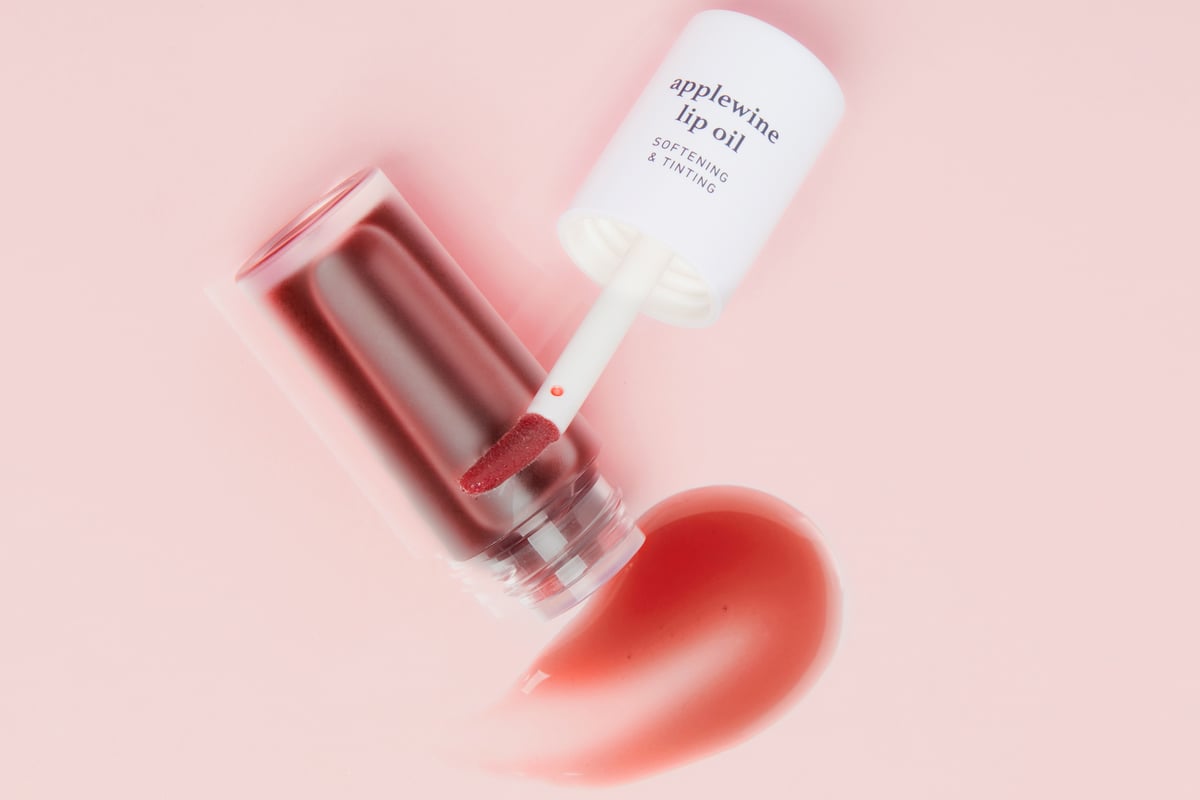
For those seeking the perfect balance of hydration and subtle color, products like the nooni Applewine Lip Oil deliver rich wine-inspired tints alongside deep nourishment from Apple Seed Oil, making it easy to achieve a polished look without the heavy feel of traditional gloss.
Seasonal Adjustments
Winter months demand more frequent application as cold air and indoor heating strip moisture aggressively. Consider applying a heavier layer before outdoor activities and keeping a backup in your bag for midday refreshment.
Summer requires lighter, more frequent touches to combat sun exposure and heat. Look for formulas with additional SPF protection or apply a lip-specific sunscreen underneath your moisturizing oil for lips during extended outdoor time.
Addressing Common Lip Concerns
Different lip conditions require tailored approaches, though all benefit from the fundamental hydration that quality lip oils provide.
Severely Chapped and Cracked Lips
When lips are extremely compromised, begin with gentle exfoliation to remove dead skin that blocks absorption. Use a soft toothbrush or sugar scrub once or twice weekly, then immediately apply moisturizing oil for lips to seal in hydration.
For acute issues, consider treatments specifically formulated for dry lips that combine exfoliation with intensive repair. Layer your lip oil over these treatments at night for accelerated healing.
Avoid licking your lips, which introduces enzymes that break down the protective barrier. Instead, reapply lip oil whenever you feel the urge to moisten with saliva.
Preventing Long-Term Damage
Environmental factors cause cumulative damage over years. UV radiation, pollution, and repetitive movements create fine lines and texture changes that age the lip area prematurely.
Prevention strategies include:
- Daily application of moisturizing oil for lips with antioxidants
- Limiting exposure to extreme temperatures
- Staying hydrated internally with adequate water intake
- Avoiding harsh lip products with drying alcohols or fragrances
The vitamins and botanical extracts in quality lip oils actively combat these stressors, making them preventive as well as corrective treatments.
Enhancing Natural Lip Color
Pale or uneven lip tone benefits from the subtle tinting properties of fruit-extract-enhanced oils. Regular use can gradually improve circulation, bringing more natural color to the surface while the formula itself adds a delicate wash of pigment.
For those interested in effective lip moisturizers with color, moisturizing oil for lips offers the ideal solution-natural-looking enhancement that simultaneously treats and beautifies.
Choosing the Right Formula for Your Needs
The market offers numerous options, making selection potentially overwhelming. Focus on specific criteria to identify the best moisturizing oil for lips for your individual requirements.
Ingredient Transparency
Prioritize brands that clearly list all components and source ingredients responsibly. Vegan formulas avoid animal-derived materials while cruelty-free certifications ensure ethical testing practices.
K-beauty brands often excel in this area, combining traditional botanical knowledge with modern formulation science. Locally sourced ingredients from Korea-like ginseng, green tea, and apple extracts-provide both efficacy and sustainability.
Texture and Absorption Rate
Test consistency when possible. The ideal moisturizing oil for lips should feel smooth without being slippery, absorb partially within minutes, and leave a comfortable, breathable layer rather than a heavy coating.
If testing isn't available, read detailed reviews that specifically mention texture and wear comfort. Non-sticky formulas receive consistent praise from users who value all-day wearability.
Color Options and Versatility
Consider your typical makeup routine. Clear lip oils suit those who prefer minimal makeup or want maximum versatility across different looks. Tinted versions in shades like wine, berry, fig, or peony offer subtle enhancement that complements various skin tones.
Some formulas provide barely-there color for professional settings, while others deliver more noticeable pigment for evening wear. Choose based on your primary use case, or keep multiple shades for different occasions.
| Skin Tone | Recommended Tints | Effect |
|---|---|---|
| Fair | Peony, Berry, Vanilla | Soft, natural flush |
| Light-Medium | Cranberry, Fig, Wine | Fresh, healthy glow |
| Medium-Deep | Plum, Ginseng, Black Tea | Rich, sophisticated depth |
| Deep | Wine, Plum, Berry | Bold, luxurious enhancement |
The Science Behind Oil-Based Lip Care
Understanding the biological basis of why oils work differently than traditional balms clarifies their superior performance for many users.
How Lips Differ from Regular Skin
Lip skin lacks sebaceous glands that produce natural oils elsewhere on your body. This makes lips inherently prone to dryness and dependent on external moisturization for health.
The thin, delicate tissue also has minimal melanin protection, leaving it vulnerable to UV damage. The constant movement from talking, eating, and facial expressions creates additional stress that can lead to premature aging and texture changes.
Lipid Barrier Function
Healthy skin maintains a lipid barrier that prevents water loss and blocks irritants. On lips, this barrier must be reinforced externally since the tissue cannot produce sufficient protective oils independently.
Moisturizing oil for lips delivers the exact fatty acids and emollients that construct this barrier. Ingredients like coconut oil and castor oil have been studied for their barrier-strengthening properties, with research showing measurable improvements in hydration retention.
Penetration vs. Occlusion
Traditional products like petroleum jelly work through occlusion-creating a seal that prevents moisture escape. While effective for short-term relief, this approach doesn't address underlying dryness or provide nutrients for repair.
Oil-based formulas penetrate the lip tissue, delivering active ingredients that cells can use for regeneration. The lighter molecular weight of plant oils allows deeper absorption while still providing surface protection, creating dual-action benefits that occlusive products cannot match.
Natural Alternatives and DIY Considerations
While commercial formulas offer convenience and precise formulation, some prefer creating custom blends at home or using single-ingredient solutions.
Single-Oil Applications
Pure oils provide basic moisturization, though they lack the comprehensive benefits of formulated products. Castor oil for lips offers thickness and staying power, while coconut oil provides antibacterial properties alongside hydration.
Sweet almond oil absorbs quickly and feels light, making it suitable for daytime wear. Jojoba oil's composition closely mimics natural sebum, making it an excellent option for those with sensitivity to heavier formulas.
Creating Custom Blends
For DIY enthusiasts, combining carrier oils with essential oils and natural colorants allows personalization. Start with a base of 80% carrier oil (jojoba, sweet almond, or grapeseed), add 15% treatment oils (rosehip, argan, or vitamin E), and finish with 5% flavor or color elements.
However, achieving the perfect texture, preservation, and stability requires expertise. Commercial moisturizing oil for lips undergoes rigorous testing for safety, consistency, and shelf life that home formulations cannot replicate without specialized knowledge and equipment.
When Commercial Formulas Shine
Professional formulations offer advantages that justify their use over pure oils or DIY blends:
- Optimized ratios for maximum efficacy
- Stabilizers that prevent oxidation and rancidity
- Pleasant, consistent texture across batches
- Safety testing for potential irritants
- Convenient, hygienic packaging with precise applicators
For most users, the investment in quality commercial products delivers better results with less effort and greater safety assurance.
Sustainable and Ethical Considerations
Modern consumers increasingly prioritize environmental impact and ethical practices when selecting beauty products, including moisturizing oil for lips.
Vegan and Cruelty-Free Standards
Vegan formulas exclude all animal-derived ingredients, relying instead on plant-based oils, fruit extracts, and mineral pigments. This approach aligns with sustainable beauty practices while often reducing the risk of allergic reactions.
Cruelty-free certification ensures no animal testing occurred during development or production. Many regions now ban such testing, making this standard both ethical and legally compliant in progressive markets.
Sustainable Sourcing Practices
Locally sourced ingredients reduce transportation emissions and support regional agricultural communities. Korean beauty brands often leverage native plants like ginseng, green tea, and apple extracts that thrive in local climates without extensive resource inputs.
Eco-friendly packaging-recyclable tubes, minimal plastic use, and refillable containers-further reduces environmental footprint. Some brands also implement carbon-neutral shipping and participate in reforestation programs to offset remaining impacts.
Ingredient Responsibility
Responsible companies transparently disclose sourcing practices and avoid ingredients linked to deforestation, habitat destruction, or exploitative labor. Palm oil derivatives, when used, should come from certified sustainable sources.
Choosing brands committed to these values transforms your purchase of moisturizing oil for lips into a statement supporting better industry practices and encouraging competitors to adopt similar standards.
Expert Tips for Maximum Results
Professional makeup artists and dermatologists share insights for optimizing your lip oil experience and achieving the healthiest, most attractive lips possible.
Storage and Shelf Life
Keep lip oils away from direct sunlight and extreme temperatures, which can degrade active ingredients and alter texture. Most formulas remain stable for 12-18 months when properly stored.
Check for changes in smell, color, or consistency that indicate oxidation. Natural formulations without synthetic preservatives may have shorter shelf lives but offer purer ingredient profiles.
Application Timing
Apply moisturizing oil for lips immediately after showering or washing your face while lips retain moisture from water exposure. This locks in hydration more effectively than applying to completely dry lips.
Before bed, apply a generous amount to work overnight. The extended contact time allows maximum absorption and repair without interruption from eating, drinking, or talking.
Complementary Treatments
Pair your lip oil routine with adequate hydration-drinking sufficient water supports moisture from within. Consider using a humidifier in dry environments to prevent atmospheric moisture theft.
For enhanced results, explore comprehensive lip care approaches that combine oils with occasional masks, gentle exfoliation, and protective SPF during sun exposure.
Weekly enhancement routine:
- Monday: Standard application morning and night
- Wednesday: Gentle sugar scrub followed by intensive oil layer
- Friday: Overnight mask treatment with oil applied over mask
- Sunday: Assessment and adjustment based on lip condition
Professional Consultation
Persistent issues like chronic cracking, unusual discoloration, or pain warrant dermatological evaluation. While moisturizing oil for lips addresses common dryness effectively, underlying medical conditions require professional diagnosis and treatment.
Allergic reactions-indicated by itching, swelling, or rash-necessitate discontinuing use and identifying the triggering ingredient to avoid in future products.
Understanding Product Labels and Marketing Claims
Navigating beauty marketing requires critical evaluation to distinguish genuine innovation from empty promises.
Decoding Common Terms
"Clinical results" should reference specific studies with measurable outcomes. Vague claims without supporting data offer little assurance of actual performance.
"Natural" lacks legal definition in cosmetics, allowing brands to apply it loosely. Look for specific percentages of natural ingredients or certifications from recognized organic standards organizations.
"Dermatologist-tested" simply means a dermatologist examined the product, not that it received endorsement or proved superior to alternatives. More meaningful indicators include non-comedogenic testing and hypoallergenic formulation verification.
Identifying Quality Formulations
High-quality moisturizing oil for lips lists active ingredients prominently rather than burying them at the end of lengthy ingredient lists. Oils should appear in the first five ingredients, indicating significant concentration.
Avoid formulas with denatured alcohol high in the ingredient list, as it provides initial slip but ultimately dries lips. Synthetic fragrances may cause sensitivity, though natural essential oils can also trigger reactions in susceptible individuals.
Price vs. Value Assessment
Expensive doesn't always mean better. Evaluate cost per application rather than total price, and consider ingredient quality, brand reputation, and personal results.
Mid-range products often offer excellent performance without luxury markups, especially from brands focused on specific niches like lip oil specialization rather than general cosmetics lines.
Troubleshooting Common Issues
Even quality products sometimes require adjustment or technique refinement for optimal results with individual lip conditions.
Formula Feels Too Heavy
If your lip oil seems thick or greasy, try applying less product. A small amount spreads effectively on the small lip surface area, and over-application creates unnecessary heaviness.
Alternatively, switch to a lighter formula with faster absorption. Different base oils create varying textures-jojoba and grapeseed feel lighter than castor or coconut.
Color Transfer or Fading
While some transfer is normal with any lip product, excessive migration suggests overapplication or incompatibility with eating and drinking habits. Blot gently with tissue after initial application to remove excess while leaving a nourished, tinted layer.
For important events requiring minimal transfer, apply moisturizing oil for lips several hours beforehand, allow full absorption, then proceed with longer-wearing color cosmetics.
Insufficient Hydration
If lips remain dry despite regular use, assess your overall health and environment. Dehydration, certain medications, and medical conditions affect lip moisture regardless of topical treatments.
Increase water intake, use a humidifier, and consider intensive treatments for severely dry lips that combine multiple approaches for stubborn cases.
Layer your lip oil over a hyaluronic acid serum designed for lip use, which draws additional moisture into the tissue for the oil to seal in place.
The Future of Lip Care Innovation
Ongoing research and changing consumer preferences continue driving advancement in lip care formulations and sustainable practices.
Emerging Ingredients
Peptides that stimulate collagen production show promise for anti-aging lip treatments. Probiotics may support healthy lip microbiome balance, though research remains preliminary. Adaptogenic botanicals like ashwagandha and reishi could offer stress-protection benefits.
These innovations will likely appear in next-generation moisturizing oil for lips formulas, combining traditional hydration with cutting-edge skincare science.
Technology Integration
Smart packaging that indicates optimal application timing or tracks product freshness could enhance user experience. Temperature-reactive formulas might adjust viscosity based on climate conditions for consistent performance year-round.
Personalization services using AI analysis of lip photos to recommend specific formulations and shade matches may become standard, ensuring customers select ideal products on first purchase.
Sustainability Advances
Biodegradable packaging, waterless formulations concentrated for dilution at home, and refill systems that dramatically reduce waste represent the likely direction of eco-conscious beauty evolution.
Brands investing in these areas position themselves as industry leaders while meeting growing consumer demand for environmental responsibility alongside product performance.
Moisturizing oil for lips represents the evolution of lip care from temporary fixes to genuine treatment, combining deep hydration with subtle beauty enhancement in formulas that feel as good as they look. By understanding ingredients, application techniques, and how these products differ from traditional alternatives, you can transform your lip care routine into a simple ritual that delivers lasting results. Discover how nooni brings K-beauty innovation and sustainably sourced ingredients together in vegan lip oils designed to nourish, protect, and beautify your lips with every application.
Read more
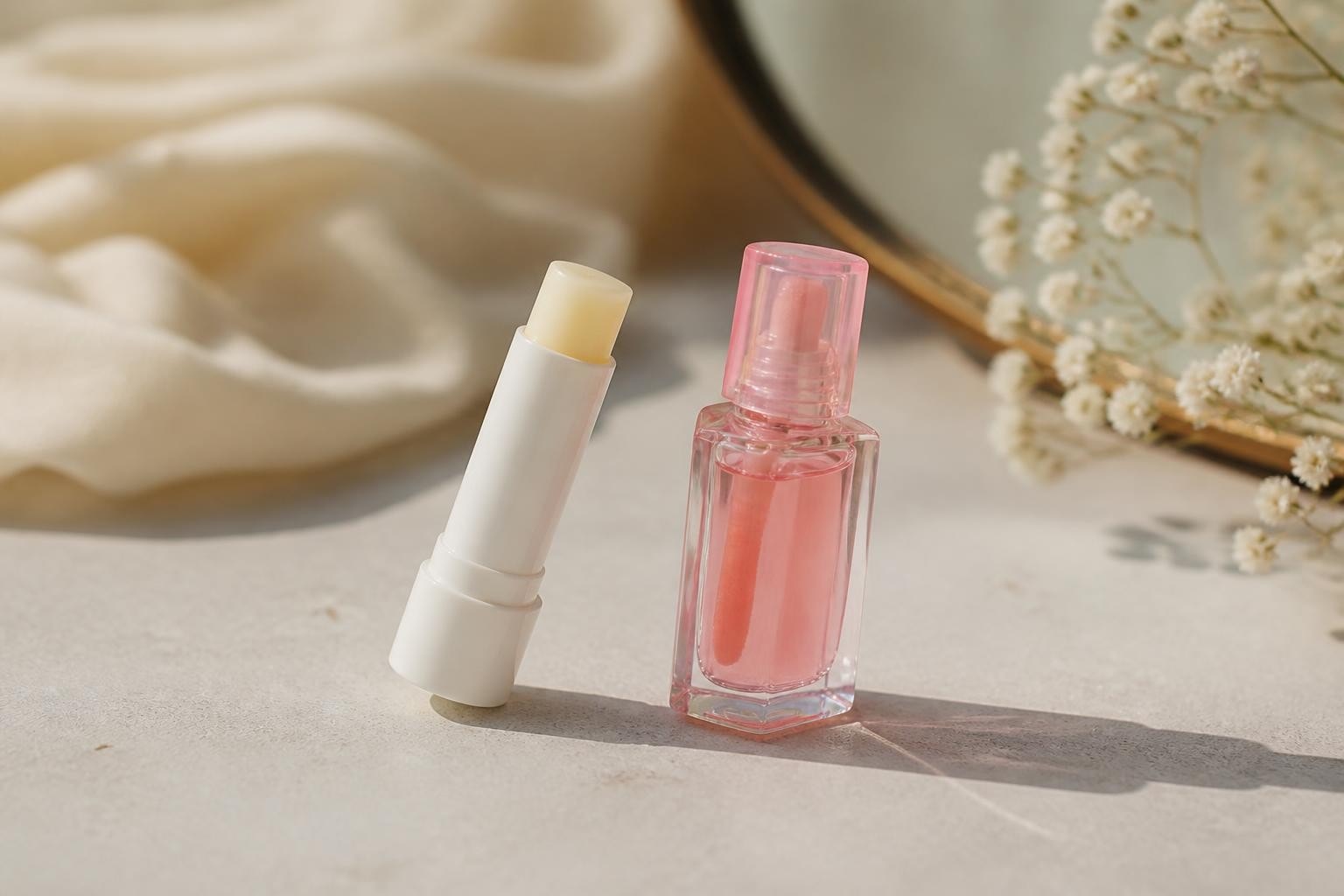
Discover the power of small lip balm for on-the-go hydration. Learn benefits, formulations, and how compact lip care fits your lifestyle.
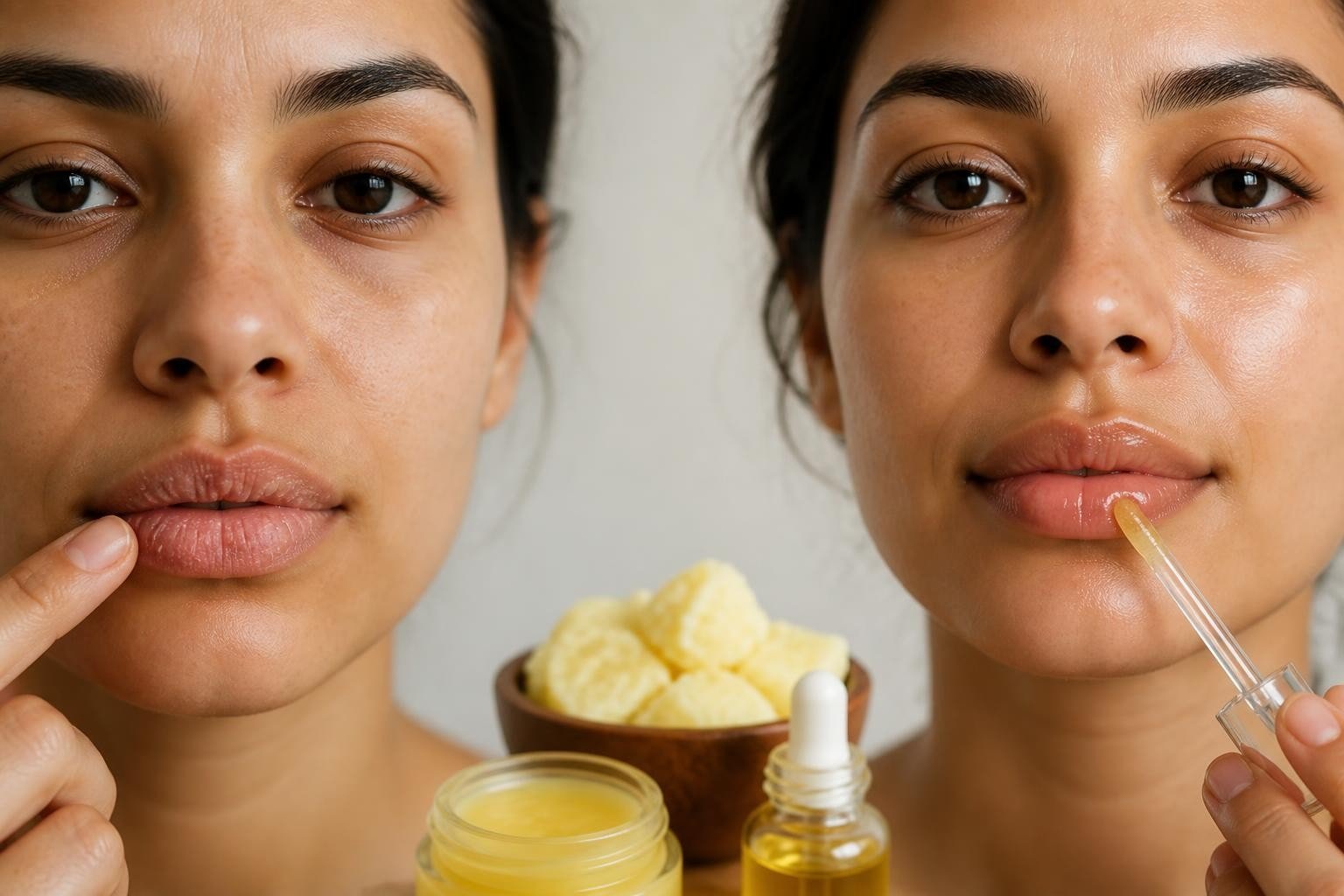
Discover why butter for lips is the secret to soft, hydrated lips. Learn about natural butters, oils, and modern formulas for lasting moisture.