



8 Expert-Approved Chapped Lip Care Tips for 2026
Chapped lips are a struggle that almost everyone faces, especially as the seasons shift and our routines evolve in 2026. With new habits like increased screen time and changing weather, it is more important than ever to prioritize chapped lip care for daily comfort and confidence.
This article brings you 8 expert-approved, up-to-date tips designed to keep your lips smooth and healthy. From smart hydration and protective habits to modern ingredient choices and the latest lip care innovations, you will discover simple solutions that work. Ready to enjoy soft, nourished lips? Let us get started.
Understanding Chapped Lips in 2026
Chapped lips are more than a seasonal nuisance—they can impact daily comfort and confidence. In 2026, with our changing routines and environments, chapped lip care has never been more important. Understanding the science and separating fact from fiction is the first step toward keeping your lips healthy and smooth.
The Science of Chapped Lips Today
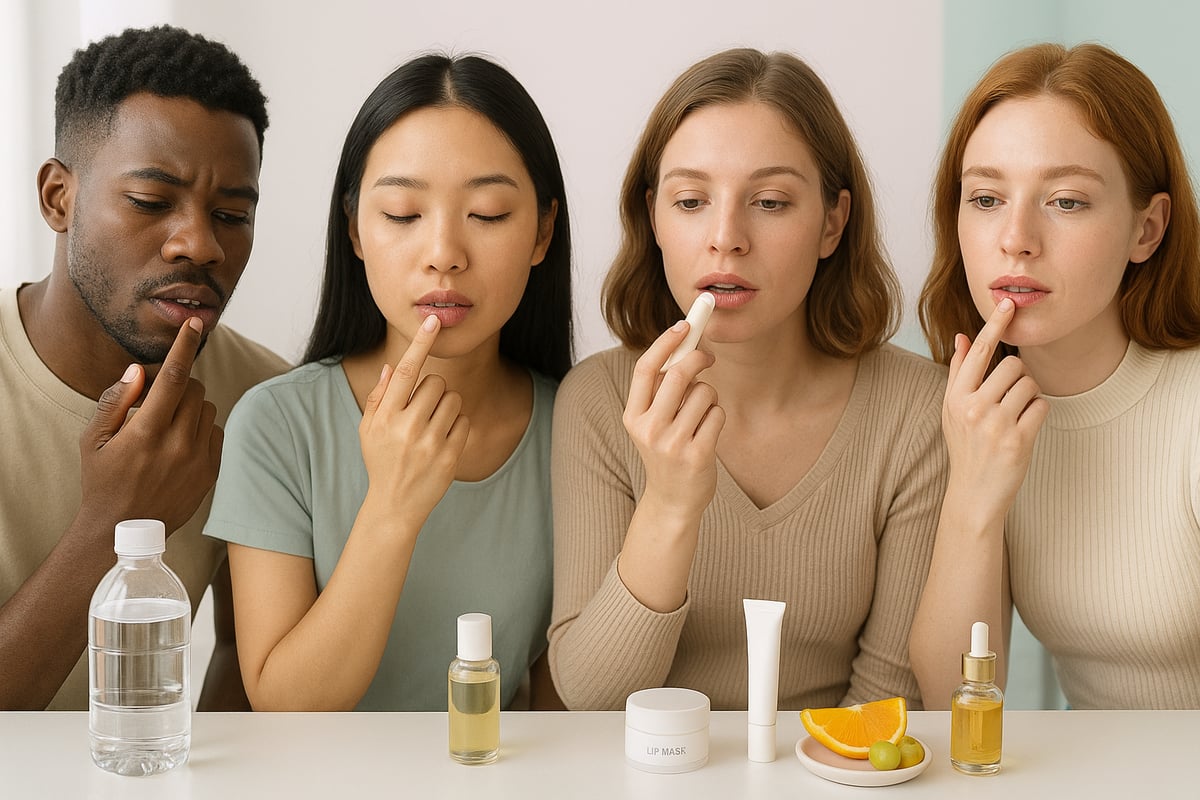
Lips are unique compared to other skin areas. They have thinner skin and lack oil glands, making them especially prone to dryness and irritation. In 2026, new lifestyle factors are adding to the challenge. Increased screen time means more exposure to dry indoor air from air conditioning or heating. Mask use, though less frequent than before, can still trap moisture and irritants against the lips.
Recent research highlights how air quality—especially pollution and low humidity—can strip moisture from lips. Digital device exposure may also play an unexpected role, with blue light and warmth impacting overall skin hydration. Diet trends, like high-salt snacks or low water intake, are emerging as subtle but significant contributors to lip health.
According to recent studies, over 60% of adults and teens report experiencing chapped lips several times a year. Common symptoms include flaking, cracking, soreness, and even bleeding. These symptoms can make eating, speaking, and smiling uncomfortable, which is why chapped lip care is now a year-round priority.
Common Causes and Myths
Many myths surround chapped lip care. One common misconception is that using lip balm too often creates a "dependence." In truth, frequent reapplication is often a response to ongoing dryness, not a cause. Another myth is that licking your lips provides relief. Saliva actually removes natural oils and worsens dryness.
Here are some leading causes of chapped lips in 2026:
| Cause | Example |
|---|---|
| Dehydration | Not drinking enough water |
| Allergens | Certain foods or skincare ingredients |
| Harsh Lip Care Ingredients | Products with menthol or fragrance |
| Sun and Wind Exposure | Outdoor sports, windy commutes |
| Environmental Stressors | Air conditioning, pollution |
Dermatologists note that overlooked triggers can include spicy foods, some medications, and even habits like mouth breathing. For those who love winter sports or work in climate-controlled offices, lips are exposed to unique risks. To learn more about causes and prevention, visit these Dermatologists' tips for healing dry, chapped lips.
Understanding these factors helps you choose the right chapped lip care strategy for your lifestyle.
8 Expert-Approved Chapped Lip Care Tips for 2026
Chapped lips can be more than a minor annoyance—they can disrupt your routine, confidence, and comfort. Luckily, chapped lip care in 2026 is all about smarter science, proven habits, and comforting innovations. Explore these eight expert-approved tips to keep your lips soft, healthy, and beautiful, no matter the season or lifestyle shift.
1. Tip: Hydrate from the Inside Out
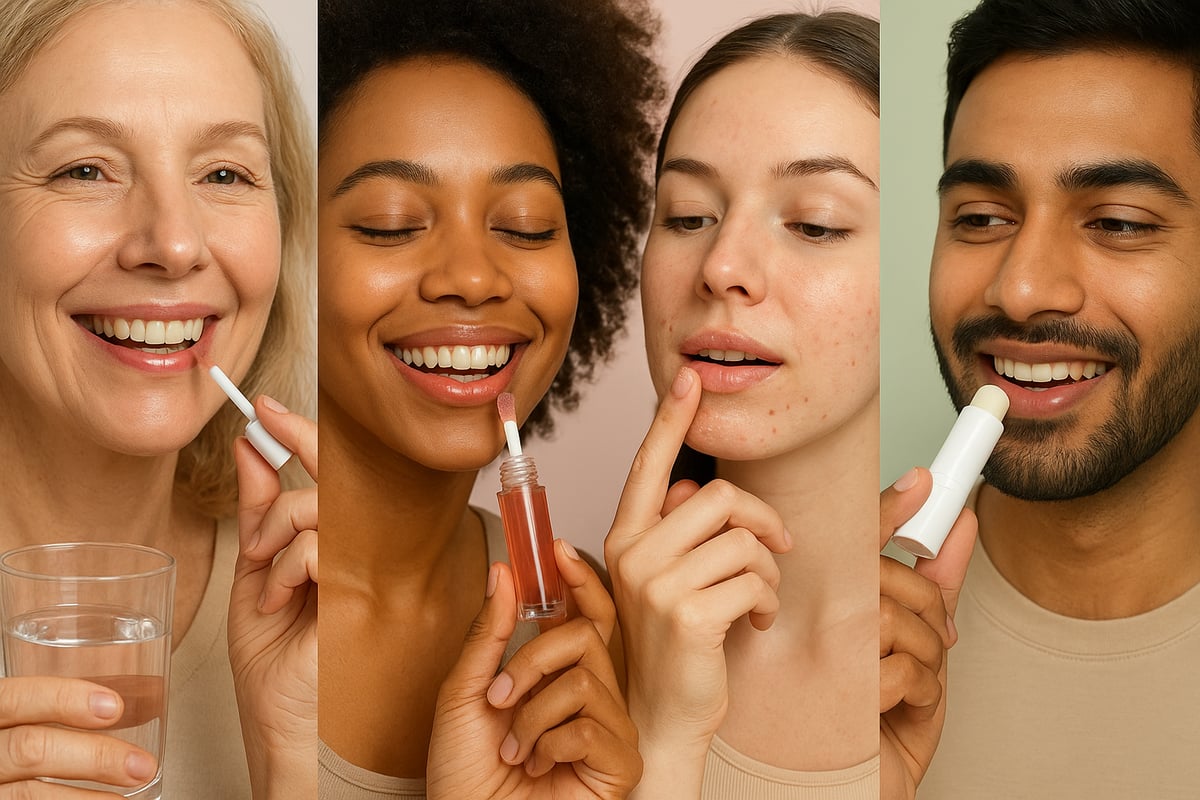
Proper hydration is the foundation of effective chapped lip care. Lips lack oil glands, making them especially prone to dryness if your body is low on water. In 2026, hydration is not just about drinking water—it’s about nourishing your body with a balanced diet that supports moisture retention.
Experts recommend monitoring your daily water intake, aiming for at least eight glasses a day. Omega-3 fatty acids, found in foods like chia seeds and walnuts, help maintain supple lips by supporting your skin’s moisture barrier. If your lips feel tight, look dull, or show fine lines, these can be signs of dehydration.
A recent study found that individuals who increased water intake experienced a 25% reduction in lip dryness within two weeks. Pair water with hydrating foods such as cucumbers, watermelon, and leafy greens to enhance your chapped lip care routine.
To summarize:
- Drink 8+ glasses of water daily.
- Add omega-3 rich foods to your meals.
- Snack on hydrating fruits and vegetables.
- Watch for dehydration signs: dullness, tightness, and cracks.
Remember, consistent hydration is the first step toward smooth, healthy lips and should be a cornerstone of your chapped lip care plan.
2. Tip: Choose Lip Care with Nourishing, Modern Ingredients
Your choice of lip care products can make or break your chapped lip care results. In 2026, dermatologists highlight the importance of modern, gentle ingredients. Look for balms and treatments that feature hydrating fruit extracts, hyaluronic acid, and ceramides. These ingredients lock in moisture and help repair the delicate skin on your lips.
Avoid products with menthol, camphor, phenol, or artificial fragrances. These can irritate and worsen dryness, disrupting your chapped lip care routine. Instead, choose vegan, cruelty-free formulas, which are less likely to trigger sensitivity and are better for the environment.
Here’s a quick comparison:
| Ingredient Type | Traditional Lip Balm | Modern Lip Balm (2026) |
|---|---|---|
| Hydration | Petroleum, lanolin | Hyaluronic acid, fruit extracts |
| Barrier Repair | Beeswax | Ceramides, plant butters |
| Additives | Fragrance, menthol | Fragrance-free, vegan |
Dermatologists now favor plant-based options with minimal additives. For chapped lip care, opt for products with visible ingredient lists and certifications for vegan and cruelty-free standards.
Choosing the right ingredients is a simple yet powerful way to support your lips.
3. Tip: Apply a Lip Oil with Dual Benefits
Lip oils have redefined chapped lip care in 2026. Unlike sticky glosses, a high-quality lip oil offers deep hydration, a silky non-sticky finish, and a long-lasting tint or stain. One standout ingredient is Apple Seed Oil, known for its antioxidants, plumping effect, and ability to lock in moisture.
What sets a modern lip oil apart? It works as a 2-in-1: you get the comfort of a nourishing oil with the subtle color of a tint. This means you can enjoy vibrant lips and advanced care in one effortless step. The non-sticky texture feels luxurious, and the hydration lasts for hours.
Clinical studies show that 97% of users experienced improved lip moisture after regular use of a vegan, cruelty-free lip oil. Compared to gloss, lip oil absorbs quickly, leaves no residue, and helps prevent chapping even in harsh weather.
For more details on the unique advantages of these products, see the Nourishing lip oil benefits guide.
To recap:
- Apple Seed Oil deeply hydrates and plumps.
- Enjoy a silky, non-sticky feel.
- Tint and oil in one for color and care.
- Vegan and cruelty-free standards protect sensitive lips.
Make this multitasking product a staple in your chapped lip care routine for best results.
4. Tip: Exfoliate Gently—But Not Too Often
Exfoliation is essential for effective chapped lip care, but overdoing it can make things worse. Gently removing dead skin allows your lips to better absorb hydrating products, but scrubbing too often can lead to irritation and increased dryness.
Experts recommend exfoliating your lips once or twice a week. Safe exfoliants include sugar, jojoba beads, and fruit enzymes. Avoid harsh scrubs or anything with large, abrasive particles. Always follow exfoliation with a nourishing balm or oil to lock in moisture.
DIY lip scrubs can be made with sugar and a drop of coconut oil, but commercial options often include soothing ingredients for extra comfort. Dermatologists warn that daily exfoliation can strip your lips’ natural barrier, so moderation is key for chapped lip care.
Tips for gentle exfoliation:
- Use soft, circular motions.
- Rinse thoroughly with lukewarm water.
- Apply a hydrating product immediately after.
With the right approach, exfoliation refreshes your lips and enhances the rest of your chapped lip care steps.
5. Tip: Protect Lips from Environmental Stressors
Environmental factors play a huge role in chapped lip care. In 2026, UV rays, wind, cold, and pollution are more intense than ever. Your lips need protection every day, not just at the beach.
Choose lip balms with SPF 30 or higher for daily defense against sun damage. Broad-spectrum SPF shields your lips from both UVA and UVB rays, reducing the risk of sunburn and long-term harm. Modern formulas also include antioxidants to help combat pollution and free radicals.
In harsh weather, wear a scarf or mask to protect your lips from wind and cold. Advanced SPF lip balms now offer water resistance and nourishing plant butters, making them perfect for active lifestyles.
Recent statistics show that lip sunburn affects nearly 20% of outdoor enthusiasts annually, increasing the risk of skin cancer. Incorporating SPF into your chapped lip care routine is more important than ever.
Remember:
- Apply SPF lip balm before going outside.
- Reapply every two hours, especially after eating or drinking.
- Use physical barriers (scarf, mask) in extreme weather.
Protecting your lips from the elements is a critical part of modern chapped lip care.
6. Tip: Avoid Licking, Picking, or Biting Lips
Breaking the habit of licking, picking, or biting your lips is essential for effective chapped lip care. Saliva might feel soothing at first, but it actually dries out your lips, making healing harder.
These habits often stem from stress, boredom, or nervousness. To interrupt the cycle, keep your lips coated with a nourishing balm or flavored product that discourages licking. Practicing mindfulness and keeping your hands busy can also help reduce picking and biting.
Dermatologists recommend:
- Applying a balm every hour to maintain moisture.
- Trying flavored or scented balms to deter licking.
- Using stress-relief techniques, like deep breathing or fidget tools.
Behavioral changes take time, but they are crucial for long-term chapped lip care success. If you find it difficult to stop, consider speaking with a dermatologist or counselor for additional support.
7. Tip: Use Overnight Lip Masks for Intensive Repair
Overnight lip masks are a game changer in chapped lip care. These treatments deliver deep hydration and repair while you sleep, helping you wake up to smoother, softer lips.
Key ingredients to look for include shea butter, squalane, and peptides. For best results, layer a nourishing balm or oil first, then apply a thick mask as the final step. This technique creates a barrier that locks in moisture and accelerates healing.
Many users report visible improvements after just one night, with reduced flaking and less soreness. Before and after photos showcase dramatic transformations, especially for those with chronically dry lips.
Tips for overnight repair:
- Apply a generous layer before bed.
- Use nightly for persistent chapping.
- Choose vegan, fragrance-free formulas for sensitive skin.
Incorporate an overnight mask into your chapped lip care routine for intensive, restorative results.
8. Tip: Know When to Seek Professional Help
Sometimes, chapped lip care at home is not enough. If you experience persistent cracking, bleeding, or signs of infection, it is time to consult a dermatologist.
Chronic lip issues can be caused by allergies, eczema, or underlying health problems. Dermatologists can recommend prescription treatments, allergy testing, or advanced therapies to address severe cases.
Signs you should seek help:
- Lips bleed or crack frequently.
- Symptoms last longer than two weeks.
- You notice swelling, pus, or severe pain.
Prompt medical attention ensures you get the right care and prevents complications. Remember, expert guidance is always available for stubborn chapped lip care challenges.
The Rise of Vegan and Sustainable Lip Care Solutions
The world of chapped lip care is transforming in 2026, with more people than ever seeking vegan and sustainable options. This shift is driven by a desire for gentle, effective products that are kind to both lips and the planet. As concerns about ingredients and environmental impact grow, the beauty industry is responding with innovative solutions that focus on elevated simplicity.
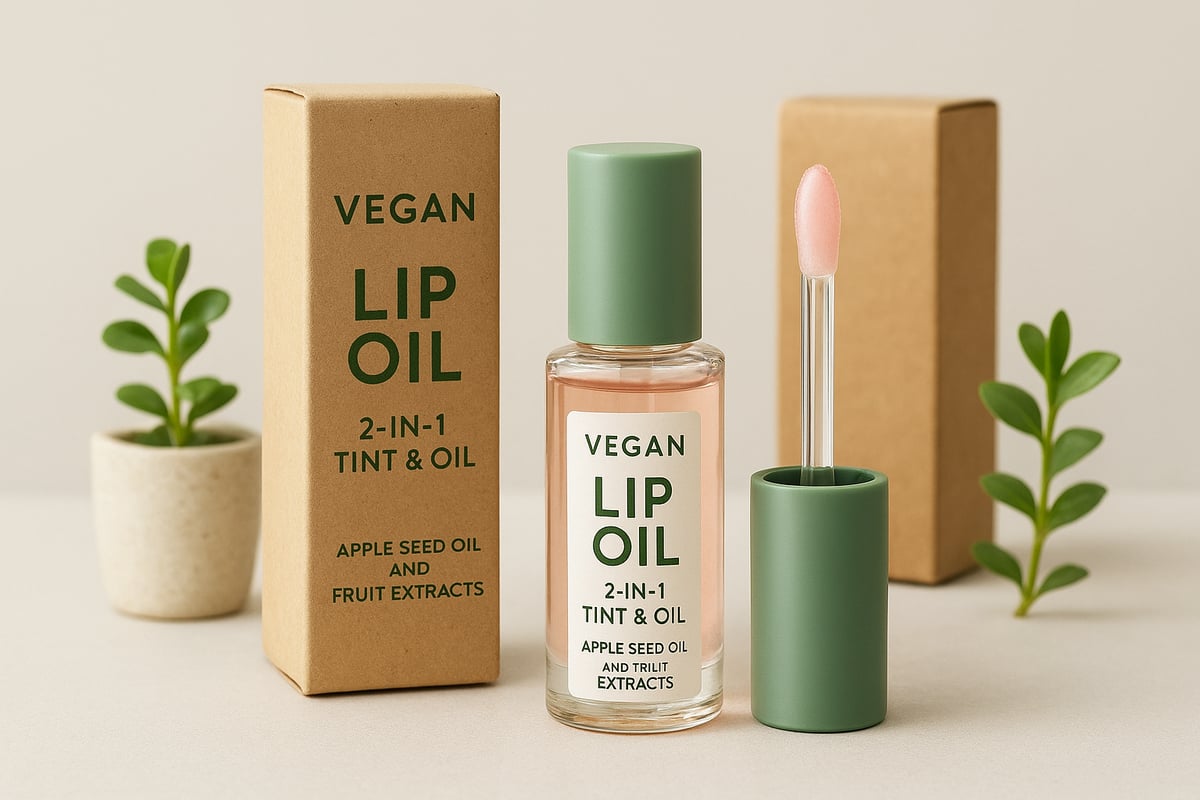
Today’s vegan chapped lip care formulas feature nourishing fruit extracts, hyaluronic acid, and ceramides. These ingredients are chosen for their ability to deliver deep hydration, a silky texture, and long-lasting moisture without any stickiness. Products such as Nooni’s Apple Seed Oil Lip Oil offer a 2-in-1 tint and oil that leaves lips plump and healthy-looking. Unlike traditional gloss, these oils hydrate deeply while providing a comfortable, non-sticky feel. The plumping effect and stain of a tint make it easy to enjoy both color and care in one swipe.
A key benefit of vegan and cruelty-free chapped lip care is the focus on plant-based and upcycled ingredients. Apple Seed Oil, for instance, is rich in antioxidants and supports the skin barrier, making it ideal for sensitive lips. Upcycled fruit extracts not only reduce waste but also ensure that every ingredient delivers a purpose—hydration, repair, or protection. These clean formulas avoid harsh chemicals and fragrances, catering to anyone with delicate or reactive skin.
Sustainability is shaping the future of chapped lip care far beyond ingredients. Brands are embracing recycled packaging, refillable containers, and transparent sourcing. Eco-friendly tubes and minimalistic designs help reduce environmental impact. Many companies now highlight vegan, cruelty-free certifications directly on their packaging, making it easier for consumers to make informed choices.
Consumers are responding to these changes with enthusiasm. In 2026, vegan chapped lip care products have seen a significant sales increase, reflecting a growing demand for ethical and effective solutions. Testimonials often mention how the Apple Seed Oil Lip Oil stands out for its non-sticky, silky feel and the way it provides both a pop of color and all-day hydration. For those seeking more guidance on effective and sustainable options, you can explore expert lip balm recommendations for up-to-date choices that align with these values.
The rise of vegan and sustainable chapped lip care is more than a trend—it is a commitment to healthier lips and a healthier world. By choosing products with thoughtful ingredients and eco-friendly practices, you can enjoy smooth, hydrated lips with peace of mind.
How to Build a Personalized Chapped Lip Care Routine
Building a chapped lip care routine that truly works starts with understanding your own needs. Is your climate dry, humid, or windy? Do you spend hours outdoors, or are you often in air-conditioned spaces? Consider your daily habits, diet, and even genetics—some people naturally have drier lips. Noticing when your lips tend to get chapped helps you pinpoint triggers, whether it is cold weather, spicy foods, or frequent mask use. The more you observe, the better you can personalize your chapped lip care for lasting comfort.
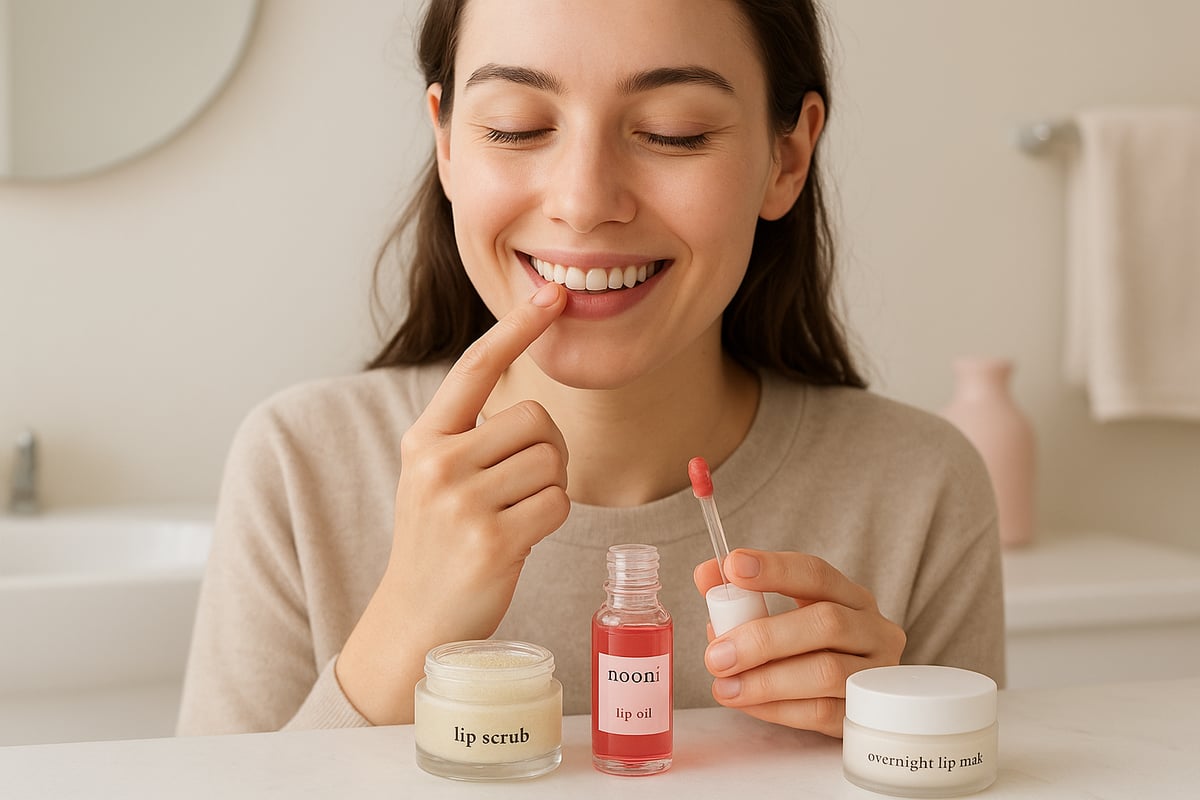
Creating a step-by-step chapped lip care routine brings structure and results. Start by gently exfoliating once or twice a week using a sugar scrub or fruit enzyme blend to remove flaky skin. Next, hydrate with a nourishing balm or a lip oil packed with fruit extracts and Apple Seed Oil. Unlike gloss, Nooni’s vegan, cruelty-free lip oil offers a non-sticky, silky feel, long-lasting tint, and a plumping effect. Layer on a protective balm with SPF before heading out, and in the evening, finish with an overnight mask for deep repair. For more details, check out this lip mask moisturizer guide.
Here is an easy comparison of chapped lip care routines for different lifestyles:
| Lifestyle | Morning Routine | Daytime Care | Night Routine |
|---|---|---|---|
| Outdoor Enthusiast | Exfoliate, SPF balm, tinted lip oil | Reapply SPF, hydrate | Oil, overnight mask |
| Office Worker | Exfoliate, hydrating balm, lip oil | Drink water, reapply | Oil, rich balm |
| Teen/Student | Balm, tinted oil (fun color) | Drink water, reapply | Gentle exfoliation, overnight mask |
As your needs change with the seasons or your activities, tweak your chapped lip care routine. Keep a journal or take photos to track improvements. If you want more guidance on layering or choosing products, explore how to treat chapped lips for dermatologist-approved tips. Personalizing your chapped lip care makes it easy to maintain soft, healthy lips no matter your lifestyle.
Frequently Asked Questions about Chapped Lip Care
Chapped lips can raise lots of questions, especially with evolving routines and new products in 2026. Below, you’ll find clear answers to the most common chapped lip care concerns, with expert-backed advice and practical solutions.
Can you overuse lip balm or oil?
It’s a common myth that using lip balm or oil makes your lips “lazy.” In reality, frequent application is often a response to ongoing dryness, not the cause. However, overusing formulas with irritants like menthol or camphor can worsen dryness. For optimal chapped lip care, choose products with gentle, hydrating ingredients and avoid constant reapplication out of habit. If your lips remain persistently dry, consider other triggers like dehydration or allergies.
What’s the difference between a balm, oil, and gloss?
Each product serves a unique purpose in chapped lip care. Here’s a quick comparison:
| Product | Texture | Key Benefits | Modern Innovations |
|---|---|---|---|
| Balm | Waxy, solid | Shields, basic hydration | Vegan, SPF, ceramides |
| Lip Oil | Silky, fluid | Deep hydration, non-sticky, tint, plumping | Apple Seed Oil, 2-in-1 color + care |
| Gloss | Sticky, shiny | Shine, minimal moisture | Tints, but less hydration |
Today’s lip oils, especially those with fruit extracts and vegan, cruelty-free formulas, offer long-lasting tint and a comfortable, non-sticky feel—unlike traditional glosses.
Are tinted lip oils safe for sensitive skin?
Tinted lip oils are generally safe for sensitive lips, especially when made with clean, hypoallergenic ingredients. Look for formulas free from artificial fragrances, parabens, and harsh chemicals. Modern chapped lip care products, like those featuring Apple Seed Oil, nourish and protect while providing a gentle pop of color. Always patch-test a new product if you have known sensitivities.
How do you repair lips quickly before a big event?
If you need fast results, start by gently exfoliating to remove flakes, then apply a silky, hydrating lip oil for instant smoothness and a plumping effect. Overnight lip masks with shea butter or squalane can speed up repair. For more tips on rapid healing, visit Healing chapped lips for good. These steps can help you achieve a healthy, soft look in a short time.
Should children use the same products as adults?
Children’s lips are delicate and can benefit from chapped lip care, but it’s best to choose products specifically designed for their age. Opt for fragrance-free, hypoallergenic balms or oils with simple, plant-based ingredients. Avoid strong flavors or tints that may cause irritation or encourage licking. Always supervise application and consult a pediatrician if persistent dryness occurs.
How long does it take to heal severely chapped lips?
Mild cases of chapped lips can improve within a few days with consistent hydration and protection. Severe chapping, especially with cracking or bleeding, may take one to two weeks to fully heal. Sticking to a routine that includes a non-sticky, plumping lip oil with deep hydration can accelerate recovery. If there’s no improvement after two weeks, consult a healthcare provider.
When is chapped lips a sign of a bigger health issue?
Persistent, severe chapped lips may indicate allergies, eczema, infections, or underlying health conditions. If you notice ongoing cracking, bleeding, or sores that don’t heal, it’s time to see a dermatologist. For more detailed answers, check out the Frequently asked lip care questions for further guidance on when to seek professional help.
Now that you have the latest expert tips for keeping your lips soft, hydrated, and healthy in 2026, why not try a solution that’s making waves in the K beauty world? If you’re looking to nourish your lips with vegan, locally sourced ingredients and want to experience that glossy, moisturized finish everyone’s talking about, you can take the next step with a swipe of nourishing care. Ready to see a real difference for yourself? [Shop the Viral Apple Lip Oil! 🍎](Focuses on your best-selling, most recognizable product to drive immediate conversion. Use a strong verb.)
Read more
Discover the ultimate dry lips treatment guide for 2026 with expert solutions, product innovations, and proven routines for smooth, healthy lips year round.

Discover the ultimate 2026 lip glow guide with expert tips, trends, and top products. Achieve radiant, hydrated lips with science-backed routines and innovations.