



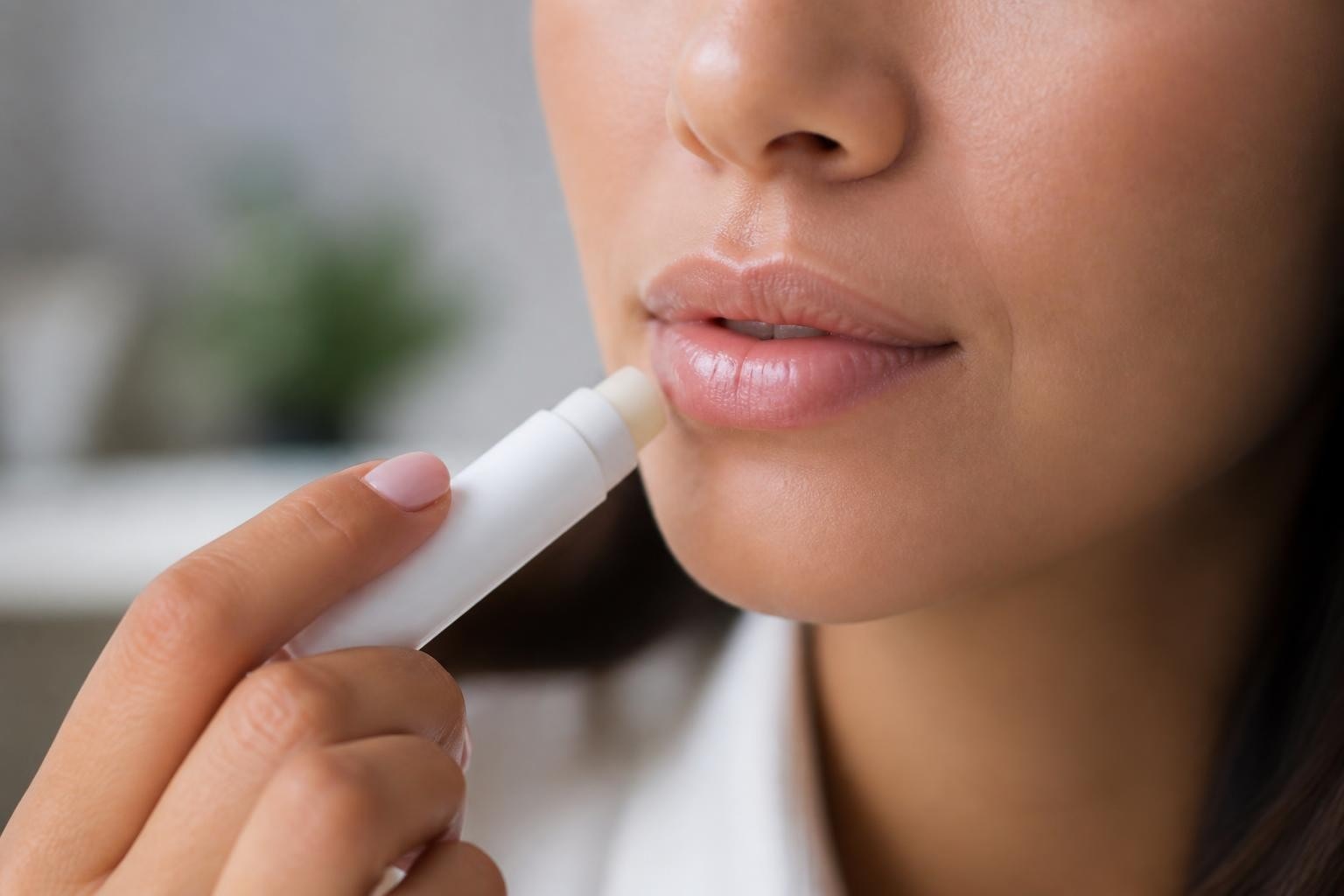
Lip Moisturizer for Dry Lips: Complete Guide 2026
Dry, chapped lips are more than just a cosmetic concern. They can cause discomfort, cracking, and even bleeding in severe cases. Finding the right lip moisturizer for dry lips requires understanding what causes dryness and which ingredients deliver lasting relief. Whether you're dealing with seasonal dryness, environmental exposure, or chronic dehydration, the right approach can transform your lip care routine and restore comfort to your smile.
Understanding Why Lips Become Dry
The skin on your lips is uniquely vulnerable to moisture loss. Unlike other areas of your body, lips lack oil glands that naturally produce protective sebum. This structural difference means lips depend entirely on external moisture and protection.
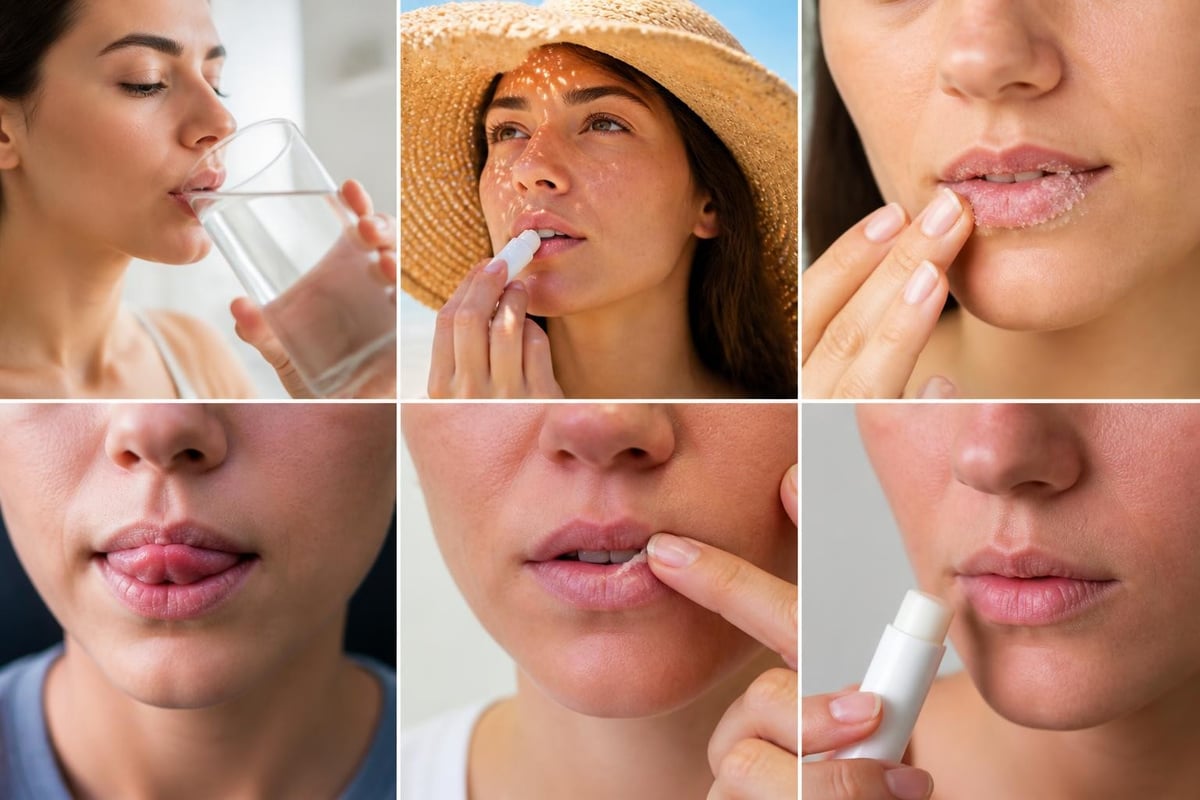
Several factors contribute to persistent dryness. Weather conditions play a significant role, with cold winter air and low humidity stripping moisture from delicate lip tissue. Sun exposure causes damage year-round, leading to dehydration and premature aging. Dermatologists identify multiple causes of chronic dry lips, including breathing through your mouth, certain medications, and nutritional deficiencies.
Common Habits That Worsen Dryness
Many people unknowingly make their dry lips worse through daily habits:
- Licking lips frequently introduces saliva that evaporates quickly, leaving lips drier than before
- Breathing through the mouth during sleep or exercise constantly exposes lips to drying air
- Using harsh or flavored products that contain irritating ingredients
- Picking or peeling flaky skin instead of allowing proper healing
- Neglecting SPF protection during outdoor activities
Understanding these triggers helps you make better choices when selecting a lip moisturizer for dry lips and adjusting your daily routine.
Essential Ingredients in Effective Lip Moisturizers
The most effective lip moisturizer for dry lips combines three types of ingredients that work together: humectants, emollients, and occlusives. Each category serves a distinct purpose in restoring and maintaining lip hydration.
Humectants draw moisture from the air and deeper skin layers to the surface. Hyaluronic acid, glycerin, and honey are popular humectants that attract water molecules. These ingredients provide immediate plumping and smoothing effects.
Emollients fill in cracks between skin cells, creating a smooth surface. They soften and condition lips while improving texture. Look for ingredients like shea butter, plant oils, and ceramides. Apple seed oil, rich in Vitamin E and Vitamin F, serves as an excellent emollient while delivering antioxidant benefits.
The Role of Occlusive Agents
Occlusive ingredients create a protective barrier that seals in moisture and shields lips from environmental stressors. According to guidance from health authorities, petroleum jelly and beeswax are highly effective occlusives.
| Ingredient Type | Function | Examples |
|---|---|---|
| Humectants | Draw moisture in | Hyaluronic acid, glycerin, honey |
| Emollients | Soften and smooth | Apple seed oil, shea butter, ceramides |
| Occlusives | Seal moisture | Beeswax, plant waxes, natural oils |
Modern formulations often combine all three categories for comprehensive care. The most innovative products layer these ingredients strategically to maximize absorption and protection.
Lip Oil: The Modern Solution for Dry Lips
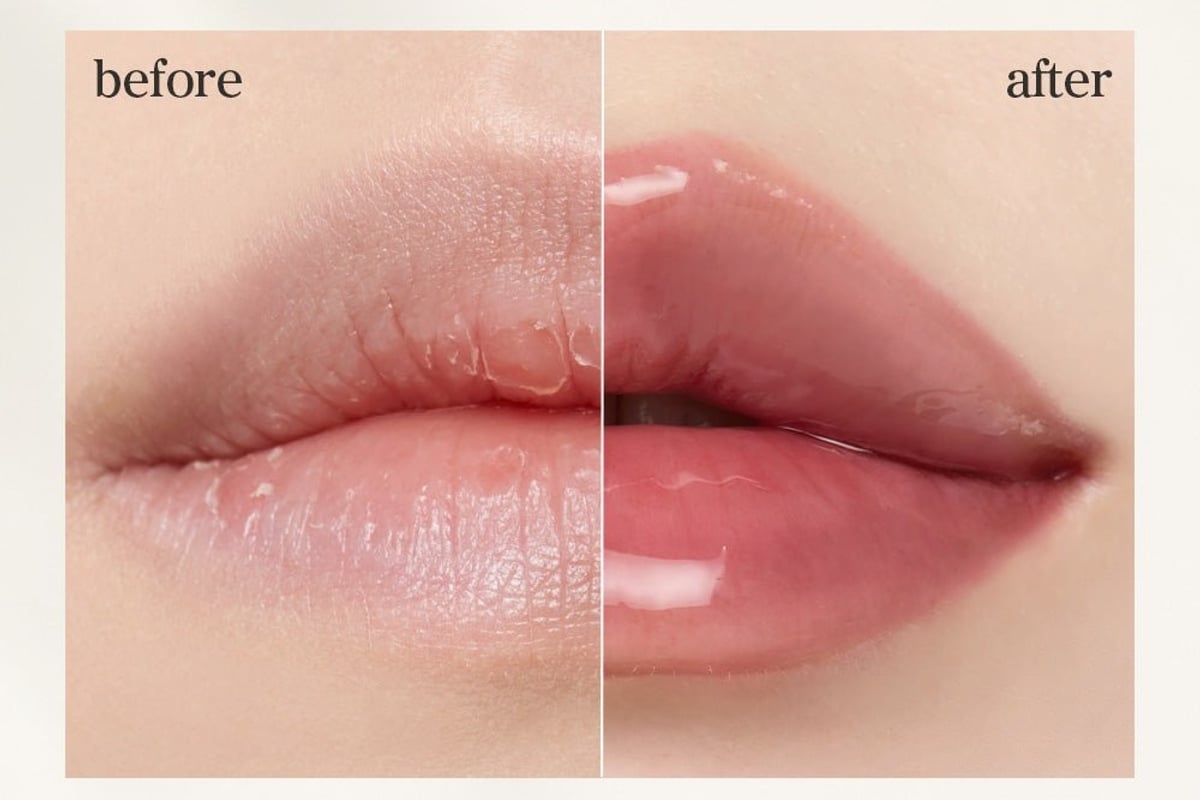
Lip oil represents a breakthrough in lip care technology, offering a lightweight alternative to traditional balms. A lip oil is a hybrid beauty product that combines nourishing plant oils with a glossy, non-sticky finish. It functions as both a treatment and a tint, delivering deep hydration while enhancing natural lip color.
What makes lip oil unique is its silky texture that feels weightless on lips. Unlike heavy balms or sticky glosses, lip oil absorbs quickly while leaving a luminous sheen. The formula typically features a base of moisturizing oils enriched with fruit extracts and vitamins.
Why Choose Lip Oil Over Traditional Products
The non-sticky lip oil formula addresses a common complaint about conventional lip glosses. While glosses often feel tacky and require frequent reapplication, lip oils provide sustained moisture without the uncomfortable texture. When comparing options for dry lips, the absorbency and finish make a significant difference in daily wear.
Key benefits of lip oil include:
- Non-sticky, lightweight formula that won't transfer excessively
- Deep hydration from plant-based oils like apple seed oil
- Natural plumping effect from moisture-binding ingredients
- Long-lasting tint that stains lips with subtle color
- 2-in-1 function as both treatment and cosmetic enhancement
The lip oil for dry lips serves multiple purposes simultaneously. It hydrates severely dry lips while providing a polished appearance suitable for any occasion.
Lip Oil vs Lip Gloss: Understanding the Difference
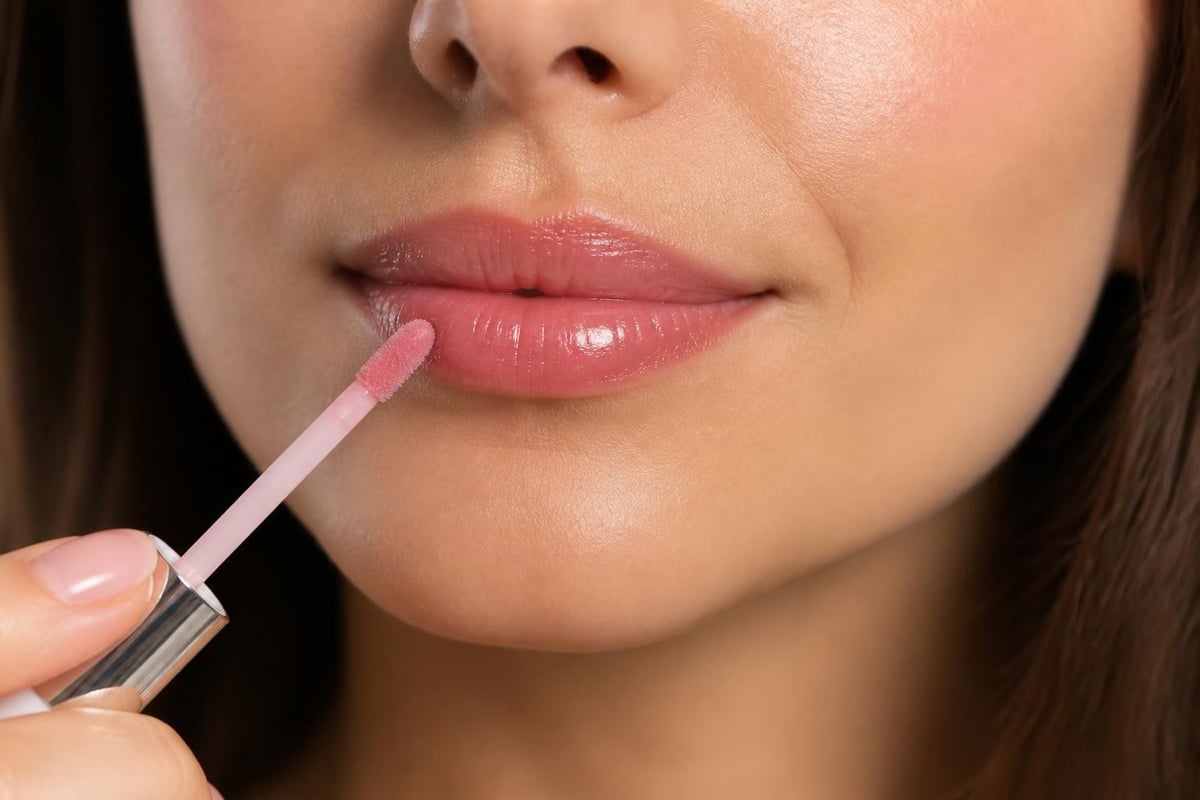
The lip oil vs lip gloss debate centers on formulation and function. Traditional lip gloss prioritizes shine and color intensity, often using synthetic polymers and waxes that create high-impact glossiness. These formulas sit on the lip surface rather than absorbing.
Lip oil takes a different approach. The oil-based formula penetrates the lip barrier, delivering moisture where it's needed most. While gloss may look dramatic initially, it typically provides minimal hydration and can actually make dryness worse over time.
Texture comparison:
- Gloss: Thick, sticky, prone to feathering and transfer
- Oil: Silky, smooth, absorbs while maintaining sheen
Hydration impact:
- Gloss: Surface-level shine with limited moisturizing benefit
- Oil: Deep penetration that improves lip condition with continued use
Longevity:
- Gloss: Requires frequent touch-ups throughout the day
- Oil: Leaves a lasting tint even after initial glossiness fades
For those seeking a lip moisturizer for dry lips that doesn't compromise on appearance, lip oil bridges the gap between treatment and cosmetic product. You can wear it alone for natural enhancement or layer it over lip color for added dimension and protection.
Selecting the Right Lip Moisturizer Formula
Different formulations work better for specific conditions and preferences. Understanding your lip care needs helps narrow down the best lip moisturizer for dry lips in your situation.
For severely chapped lips: Choose rich, occlusive formulas with high concentrations of healing ingredients. Petroleum jelly remains effective for emergency repair, though modern alternatives offer additional benefits.
For daily maintenance: Lightweight oils and balms with balanced formulations prevent dryness without feeling heavy. Look for products that layer well under lipstick or can be worn alone.
For overnight treatment: Thicker masks and intensive treatments work while you sleep, maximizing absorption time. These formulas often contain higher percentages of active ingredients.
Ingredients to Avoid
Not all lip products support healing. Some ingredients can worsen dryness or cause irritation:
- Menthol and camphor create a cooling sensation but may dry lips further
- Synthetic fragrances frequently trigger allergic reactions
- Salicylic acid in high concentrations can be too harsh for lips
- Phenol provides numbing relief but doesn't address underlying dryness
Instead, prioritize vegan and cruelty-free formulas with recognizable, plant-based ingredients. Fruit extracts like vanilla, berry, and fig provide natural benefits without synthetic additives.
Building an Effective Lip Care Routine
Consistency transforms lip health more than any single product. A structured routine addresses dryness comprehensively while preventing future damage.
Morning application: Start your day by applying lip moisturizer for dry lips with SPF protection. This shields lips from UV damage during commutes and outdoor activities. Allow the product to absorb fully before applying makeup.
Throughout the day: Reapply as needed, especially after eating or drinking. Keep a portable option in your bag or pocket for convenient touch-ups. A non-sticky lip oil works perfectly for this purpose since it won't interfere with your appearance.
Evening treatment: Before bed, apply a more intensive formula. Nighttime offers hours of uninterrupted absorption without exposure to environmental stressors. This is when healing accelerates most effectively.
Weekly Exfoliation and Deep Treatment
Beyond daily moisturizing, incorporate these practices weekly:
- Gentle exfoliation removes dead skin cells that prevent product absorption
- Lip masks deliver concentrated hydration for 10-15 minutes
- Hydration assessment to adjust your routine based on improvement
| Routine Step | Frequency | Purpose |
|---|---|---|
| SPF lip balm | Every morning | UV protection |
| Moisturizing reapplication | 4-6 times daily | Maintain hydration |
| Intensive overnight treatment | Every evening | Deep repair |
| Gentle exfoliation | 1-2 times weekly | Remove buildup |
| Hydrating lip mask | 1 time weekly | Boost moisture |
Adjusting your routine seasonally helps address changing environmental conditions. Winter may require more frequent application, while summer demands higher SPF protection.
The K-Beauty Approach to Lip Hydration
Korean beauty philosophy emphasizes prevention and maintenance rather than reactive treatment. This approach to Korean lip care prioritizes gentle, effective ingredients that work with your skin's natural processes.
Locally sourced ingredients form the foundation of K-beauty lip care. Apple seed oil, harvested from Korean orchards, contains natural antioxidants that protect while moisturizing. Coenzyme Q10 supports cellular energy and renewal at the lip surface.
The K-beauty method layers lightweight products for cumulative benefit. Rather than relying on one heavy formula, multiple thin layers build hydration gradually. This prevents the greasy feeling some people dislike while maximizing ingredient penetration.
Fruit Extract Benefits
Korean formulations frequently incorporate fruit extracts for their naturally occurring vitamins and antioxidants:
- Apple: Rich in polyphenols that protect against environmental damage
- Berry: Contains anthocyanins with anti-inflammatory properties
- Vanilla: Provides soothing aromatherapy alongside moisturizing benefits
- Peony: Offers gentle brightening and tone-evening effects
These natural ingredients align with the growing preference for vegan beauty solutions. They deliver results without animal-derived components or testing.
Addressing Specific Lip Concerns
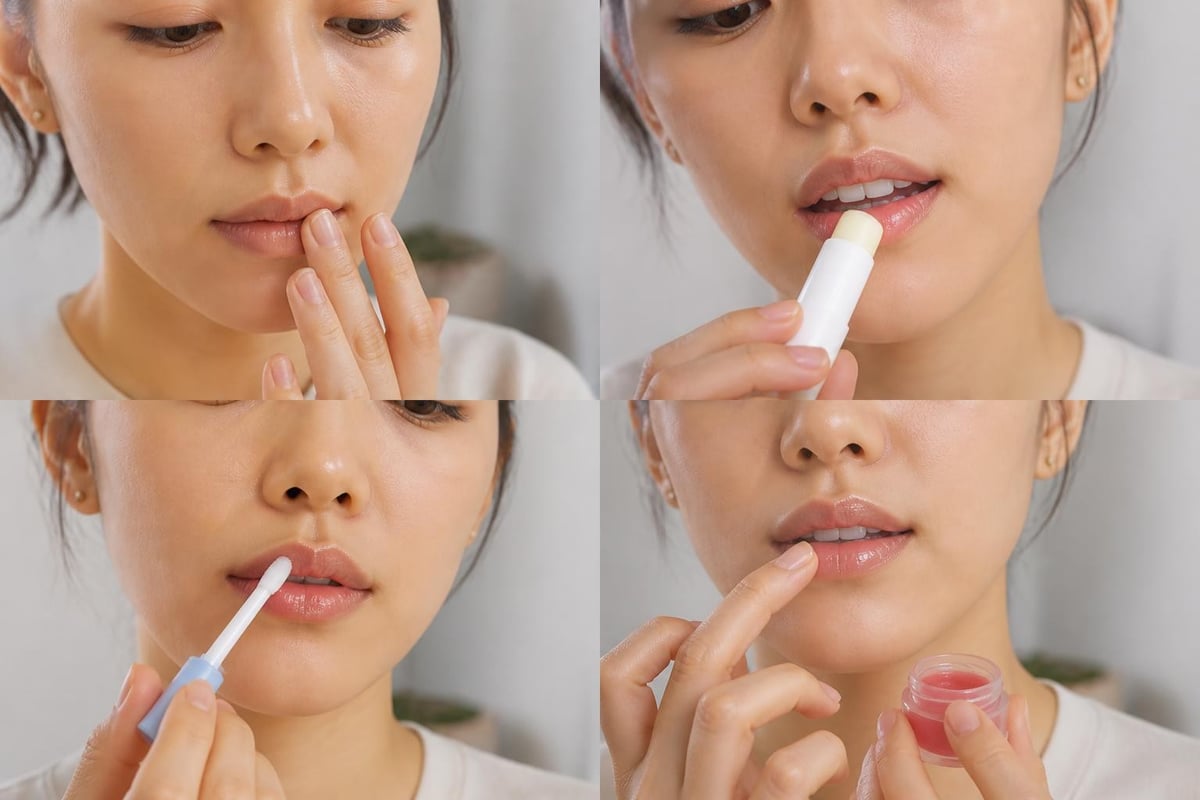
Different types of dryness require targeted solutions. Identifying your specific concern helps you choose the most effective lip moisturizer for dry lips.
Chronic peeling and flaking: This suggests a compromised moisture barrier. Focus on occlusive ingredients that create a protective seal while incorporating gentle exfoliation. Avoid the temptation to pick at flakes, which damages healthy tissue underneath.
Cracking and bleeding: Severe dryness requires immediate intervention. Dermatologist recommendations emphasize applying thick ointments multiple times daily until healing occurs. Once cracks close, transition to preventive maintenance.
Discoloration and darkness: Sun damage often causes uneven pigmentation on lips. Antioxidant-rich formulas help reverse this damage over time. Consistent SPF protection prevents worsening.
Seasonal Adjustments for Optimal Care
Environmental changes throughout the year demand formula modifications:
Winter care: Cold air and indoor heating create extreme dryness. Switch to richer formulas with higher occlusive content. Increase application frequency, especially before going outdoors.
Summer protection: UV exposure intensifies during warmer months. Prioritize SPF 30 or higher in your lip products. Lightweight oils work well since they won't melt in heat.
Spring and fall transitions: Moderate conditions allow balanced formulas. This is an ideal time to repair damage from the previous season while preparing for the next.
Multi-Benefit Formulas for Modern Lifestyles
Today's lip care products deliver multiple benefits simultaneously, eliminating the need for separate products. The best lip moisturizer for dry lips now combines treatment, color, and protection in one convenient formula.
The 2-in-1 function of modern lip oils exemplifies this efficiency. These products hydrate deeply while providing a subtle tint that enhances natural lip color. You achieve a polished look without layering multiple products.
Plumping effects occur naturally when lips are properly hydrated. Well-moisturized lips appear fuller and smoother without artificial irritants that cause temporary swelling. This healthy plumpness comes from optimal cellular hydration.
Long-lasting formulas mean fewer interruptions throughout your day. While traditional balms require constant reapplication, advanced lip oils leave a lasting tint that gradually stains lips. Even after the initial glossiness fades, color and moisture remain.
For those seeking comprehensive lip care, the nooni Applewine Lip Oil exemplifies this multi-benefit approach with its wine-inspired tint and rich hydrating formula.
Lifestyle Factors That Support Lip Health
External products work best when combined with healthy habits. Internal hydration significantly impacts how your skin retains moisture, including lip tissue.
Drink adequate water throughout the day. The standard recommendation of eight glasses daily ensures your body has sufficient moisture to distribute to all tissues. Dehydration shows up quickly on lips due to their thin, sensitive structure.
Protect against environmental exposure: Harsh weather conditions accelerate moisture loss. Wear scarves or face masks in cold wind. Apply and reapply SPF protection during outdoor activities, regardless of season.
Monitor medication side effects: Certain prescriptions, particularly acne treatments and blood pressure medications, list dry lips as a common side effect. If you notice increased dryness after starting new medication, consult your healthcare provider about options.
Nutrition for Healthy Lips
What you eat influences lip condition from the inside out:
- Essential fatty acids from fish, nuts, and seeds support skin barrier function
- B vitamins prevent cracking and inflammation
- Vitamin E provides antioxidant protection against free radical damage
- Zinc supports healing and cell turnover
A balanced diet rich in these nutrients complements your topical lip care routine. Supplements may help if dietary intake is insufficient, though whole food sources are preferable.
Evaluating Product Quality and Safety
Not all lip products meet the same standards. Understanding quality markers helps you select safe, effective options.
Ingredient transparency indicates a reputable brand. Complete ingredient lists using proper nomenclature allow you to verify formulation claims. Avoid products with vague terms like "fragrance" without further specification.
Third-party testing and certifications provide independent verification. Look for vegan certifications, cruelty-free verification, and organic standards when these factors matter to you. These designations require meeting specific criteria verified by external organizations.
Expiration dates and storage recommendations matter more for lip products than many realize. Natural ingredients can oxidize or degrade over time, reducing effectiveness. Follow storage guidelines to maintain product integrity.
Reading Labels Effectively
Focus on the first five ingredients listed, as these comprise the majority of the formula:
- Primary base: Often an oil or wax that determines texture
- Active moisturizers: Key hydrating ingredients
- Emollients: Ingredients that soften and smooth
- Preservatives: Necessary for product safety in formulas containing water
- Botanicals or extracts: Additional benefits and fragrance
Dermatologists recommend looking for products with humectants, occlusives, and emollients in their primary ingredients rather than buried at the end of long ingredient lists.
Understanding Application Techniques
How you apply lip moisturizer for dry lips affects its effectiveness. Proper technique maximizes absorption and prevents waste.
Prep clean lips: Remove any existing product or debris with a gentle cleanser. This ensures new product contacts skin directly rather than sitting on top of old layers.
Apply to slightly damp lips: If possible, apply products immediately after drinking water or using a damp cloth on lips. The slight moisture helps humectants draw in additional hydration.
Use gentle pressure: Press product onto lips rather than dragging applicators across the surface. This prevents pulling on delicate skin while ensuring even distribution.
Layering for Enhanced Benefits
Strategic layering amplifies results:
- Start with treatment: Apply a thin layer of intensive moisturizer first
- Wait for absorption: Allow 30-60 seconds for the first layer to penetrate
- Add color or gloss: Top with tinted oil or color if desired
- Set with balm: In extreme conditions, seal everything with an occlusive balm
This method prevents product interaction that can reduce effectiveness. Each layer serves a specific purpose in the sequence.
Sustainable and Ethical Lip Care Choices
Modern consumers increasingly prioritize sustainability alongside performance. The beauty industry responds with eco-friendly packaging and ethical sourcing practices.
Vegan formulations eliminate animal-derived ingredients like beeswax, lanolin, and carmine. Plant-based alternatives often perform equally well while aligning with ethical values. Many K-beauty brands, including those specializing in lip care collections, focus exclusively on vegan ingredients.
Cruelty-free certification ensures no animal testing occurred during product development. This standard extends beyond the final product to include ingredient testing throughout the supply chain.
Sustainable packaging reduces environmental impact through recyclable materials, refillable containers, or minimal packaging design. Some brands use post-consumer recycled materials or biodegradable components.
Supporting Ethical Brands
Research brand values before purchasing:
- Transparency about sourcing: Where do ingredients come from?
- Labor practices: Are workers treated fairly throughout the supply chain?
- Environmental initiatives: What steps reduce the brand's carbon footprint?
- Community support: Does the company give back to communities that supply ingredients?
Choosing products from companies with strong ethical commitments aligns your purchases with your values while often delivering superior quality.
Common Mistakes to Avoid
Even with the best intentions, certain practices undermine lip care efforts. Recognizing these mistakes helps you adjust your approach.
Over-exfoliating: While removing dead skin improves absorption, excessive exfoliation damages healthy tissue. Limit scrubbing to once or twice weekly, using gentle formulations designed specifically for lips.
Ignoring SPF: UV damage accumulates year-round, not just during summer. Lips lack melanin protection found in other skin areas, making them especially vulnerable to sun damage and skin cancer.
Product hopping: Constantly switching products prevents you from accurately assessing effectiveness. Give new formulations at least two weeks of consistent use before judging results.
Relying on medicated balms: Products containing menthol or camphor may provide temporary relief but can create dependency. These ingredients sometimes cause rebound dryness when discontinued.
Building Consistency
The most effective lip moisturizer for dry lips only works when used regularly:
- Set reminders on your phone for midday reapplication
- Place products in visible locations as visual cues
- Pair application with existing habits like brushing teeth
- Track progress with photos to stay motivated
Consistency transforms occasional relief into lasting improvement. Within weeks, properly moisturized lips require less frequent intervention as their natural barrier strengthens.
Healthy, comfortable lips start with understanding the unique challenges of lip tissue and choosing appropriate solutions. Whether you prefer traditional balms or modern lip oils, the right lip moisturizer for dry lips combines effective ingredients with formulations that fit your lifestyle. For those seeking vegan, sustainable options that deliver deep hydration with a non-sticky, glossy finish, explore the innovative lip care solutions at nooni to discover how K-beauty technology transforms dry lips into soft, healthy smiles.
Read more
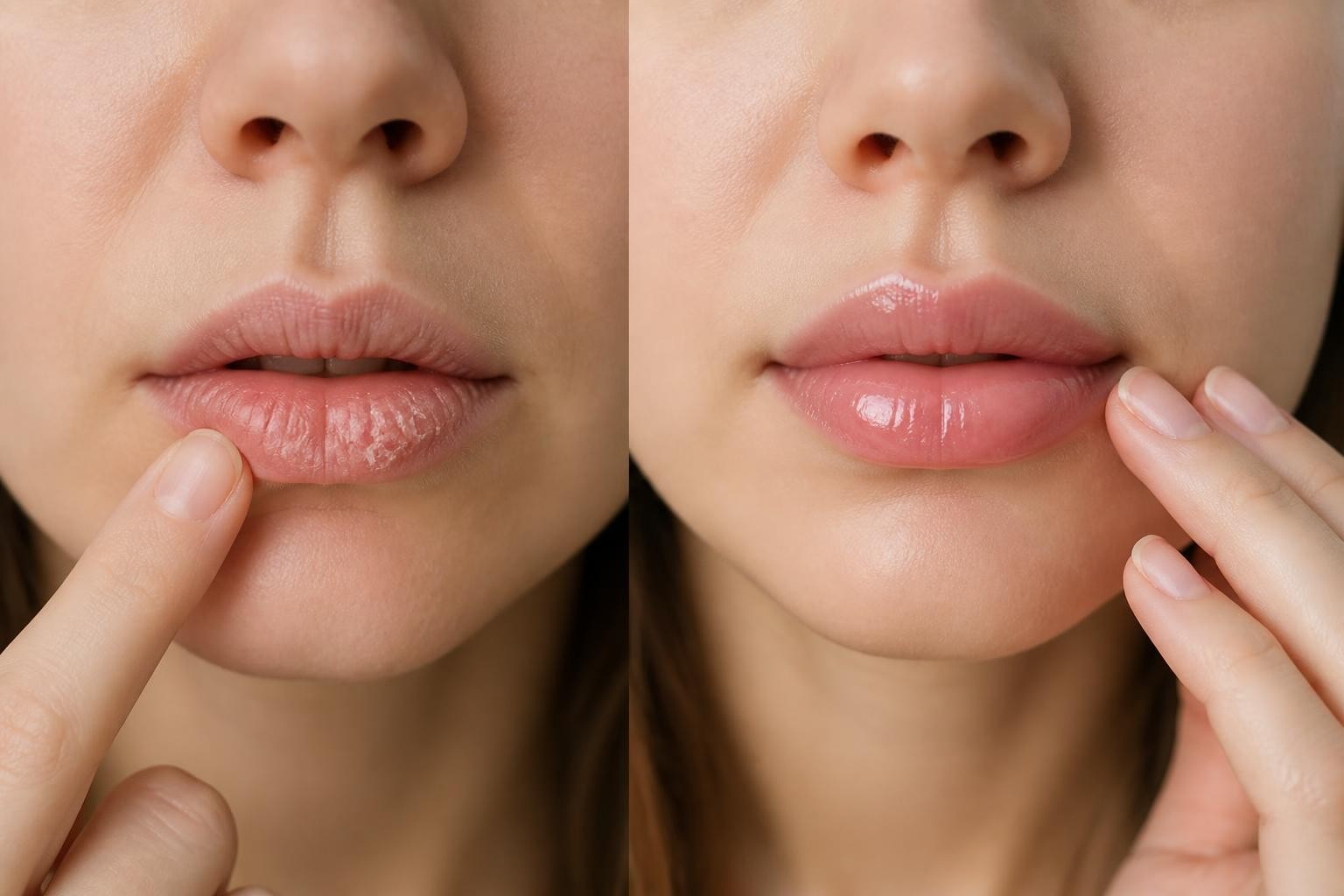
Discover how lip mask dry lips treatments restore moisture and repair damage. Learn the difference between masks, oils, and balms for healthier lips.
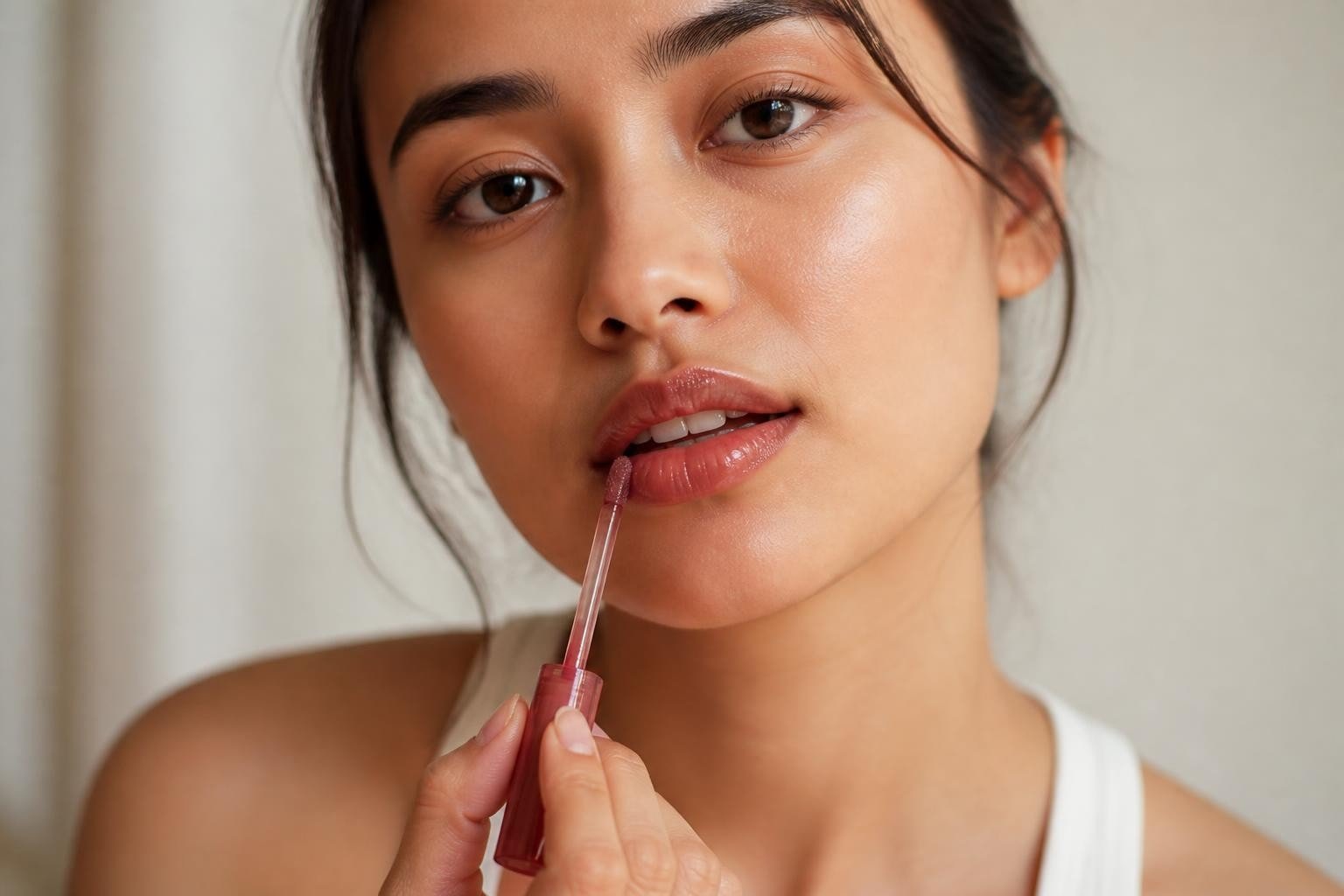
Discover lip oil stain: the non-sticky, hydrating formula that delivers long-lasting tint and deep moisture. Perfect for dry lips and all-day wear.