



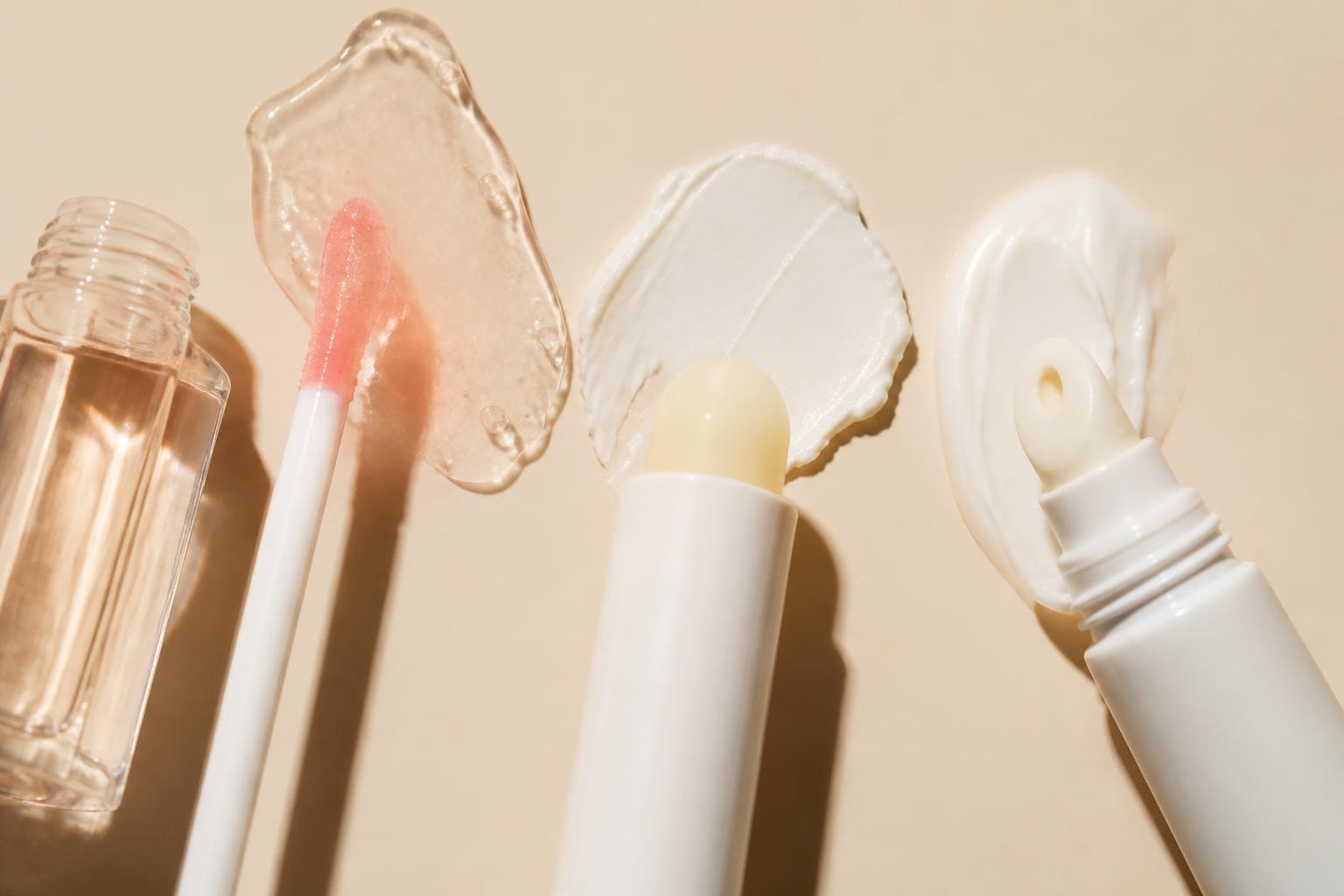
Best Rated Lip Moisturizer: Top Picks for 2026
Finding the best rated lip moisturizer can transform your daily lip care routine from frustrating to effortless. With harsh weather, indoor heating, and environmental stressors constantly challenging lip health, selecting the right moisturizing product becomes essential for maintaining soft, supple lips year-round. The market offers countless options, from traditional balms to innovative lip oils, each promising superior hydration and protection. Understanding what makes a lip moisturizer truly effective helps you make informed choices that deliver lasting results.
Understanding Lip Moisturizer Formulations
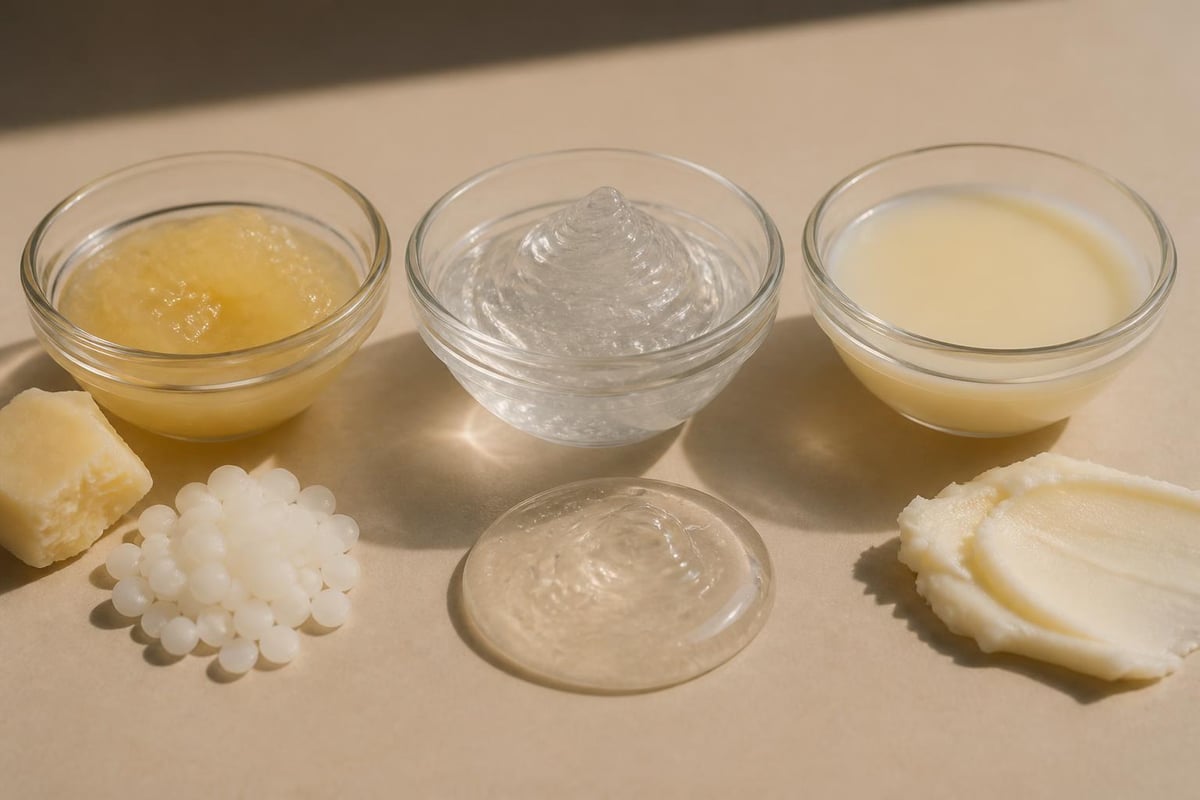
The science behind effective lip moisturization involves three key ingredient categories that work together to protect and hydrate. According to Harvard Health's research on moisturizers, occlusives create a protective barrier, humectants draw moisture into the skin, and emollients smooth and soften texture.
Occlusives like beeswax, shea butter, and plant-derived oils seal in moisture by forming a protective layer over delicate lip skin. These ingredients prevent water loss throughout the day, which is particularly important for lips since they lack the oil glands found elsewhere on the face.
Humectants such as hyaluronic acid, glycerin, and honey attract water molecules from both the environment and deeper skin layers. This drawing action plumps lips and maintains optimal hydration levels even in dry conditions.
Emollients fill in the microscopic cracks between skin cells, creating a smooth surface that feels soft to the touch. Natural oils, ceramides, and fatty acids serve this purpose effectively while supporting the lip barrier's natural repair processes.
The Rise of Lip Oils as Premium Moisturizers
Lip oils have emerged as a standout category in the best rated lip moisturizer rankings for 2026. These lightweight formulations combine deep hydration with a non-sticky texture that traditional glosses cannot match.
What is a lip oil? A lip oil is a lightweight, oil-based lip treatment that provides intense moisture while delivering a glossy, natural shine. Unlike heavy balms or sticky glosses, lip oils absorb quickly and feel silky on the lips.
Why use a lip oil? Lip oils serve a dual purpose as both a tint and a hydrating treatment. They offer long-lasting color with a plumping effect, making them ideal for users seeking both cosmetic enhancement and therapeutic care.
Key benefits of quality lip oils include:
Non-sticky texture that feels comfortable for all-day wear
Silky application that glides smoothly without tugging
Deep hydration from nourishing botanical oils
Natural plumping effect that enhances lip fullness
Long-lasting tint that provides subtle color
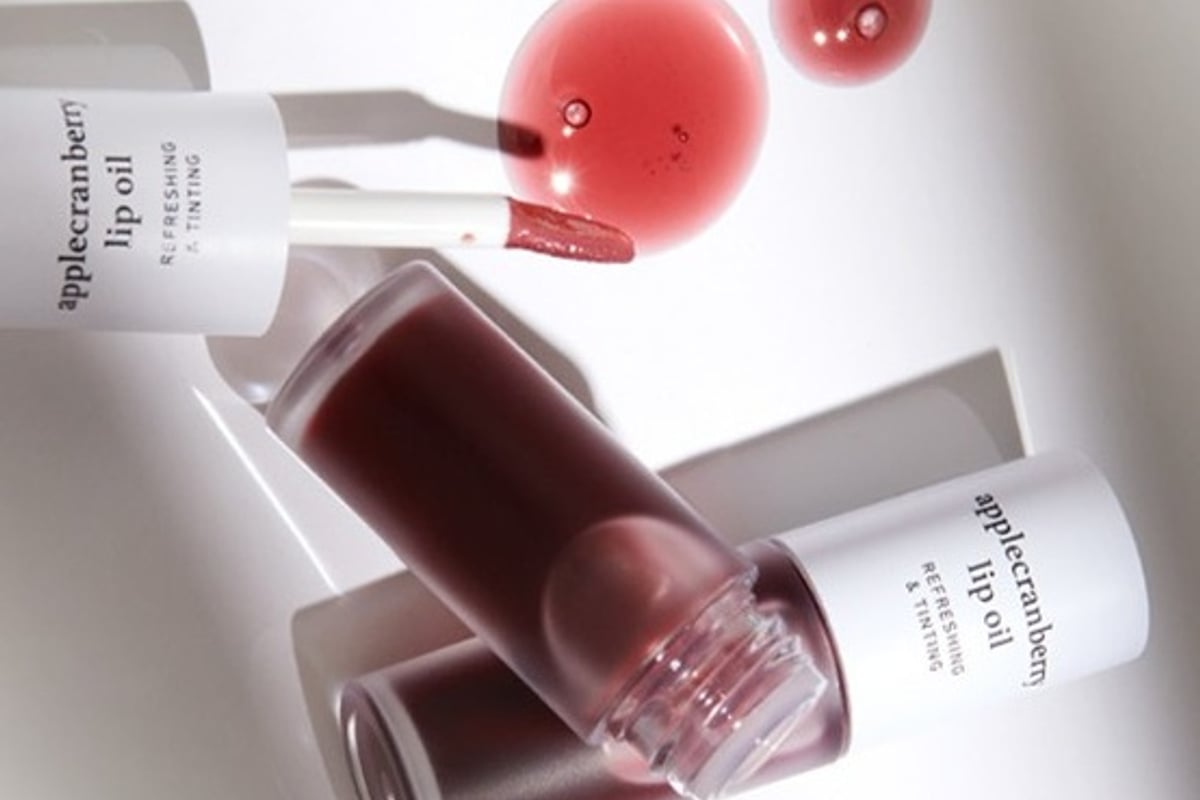
The nooni Applecranberry Lip Oil exemplifies this modern approach to lip care, combining Apple Seed Oil for deep nourishment with a fresh cranberry-inspired tint that brightens lips without heaviness. This 2-in-1 function makes lip oils particularly appealing for those who want simplified beauty routines without compromising results.
Lip Oil vs Lip Gloss: Understanding the Difference
Many consumers search for "lip oil vs lip gloss" comparisons when selecting their best rated lip moisturizer. The distinctions between these products significantly impact user experience and lip health outcomes.
Feature |
Lip Oil |
Lip Gloss |
|---|---|---|
Texture |
Lightweight, non-sticky |
Often thick, tacky |
Primary Function |
Hydration + color |
Shine + color |
Ingredient Base |
Nourishing plant oils |
Synthetic polymers |
Wear Comfort |
Silky, breathable |
Can feel heavy |
Moisturizing Power |
Deep, lasting hydration |
Surface-level shine |
Wind Resistance |
Less hair-catching |
Hair sticks easily |
Lip oils prioritize hydration without stickiness, making them superior for daily lip care. The botanical oil base penetrates the lip barrier to deliver nutrients that repair damage and prevent future dryness. This therapeutic approach contrasts with glosses, which typically sit on the surface to reflect light.
The best lip oils incorporate fruit extracts and seed oils that provide vitamins, antioxidants, and essential fatty acids. These components support natural lip renewal processes while maintaining the glossy appearance users desire.
For those seeking a non-sticky lip oil specifically, formulations using lighter oils like jojoba, sweet almond, or apple seed create the ideal balance between visible shine and comfortable wear. These oils mimic the skin's natural sebum, allowing better absorption without residue.
Top-Rated Lip Moisturizer Categories for Different Needs
Selecting the best rated lip moisturizer requires matching product type to your specific concerns and lifestyle. Different formulations excel in different situations.
Best Lip Moisturizers for Severe Dryness
Lip oil for dry lips represents one of the fastest-growing search categories in 2026. These intensive treatments deliver concentrated moisture to parched, flaking lips through rich botanical oil blends.
Essential features for addressing severe dryness:
High concentration of emollient oils (30% or more)
Occlusive ingredients to lock in moisture overnight
Healing botanicals like calendula or chamomile
Fragrance-free options for sensitive, cracked lips
Expert-recommended lip treatments emphasize formulations that penetrate deeply rather than just coating the surface. Products containing vitamin E, rosehip oil, or sea buckthorn oil demonstrate superior repair capabilities for chronically dry lips.
Daily Maintenance Moisturizers
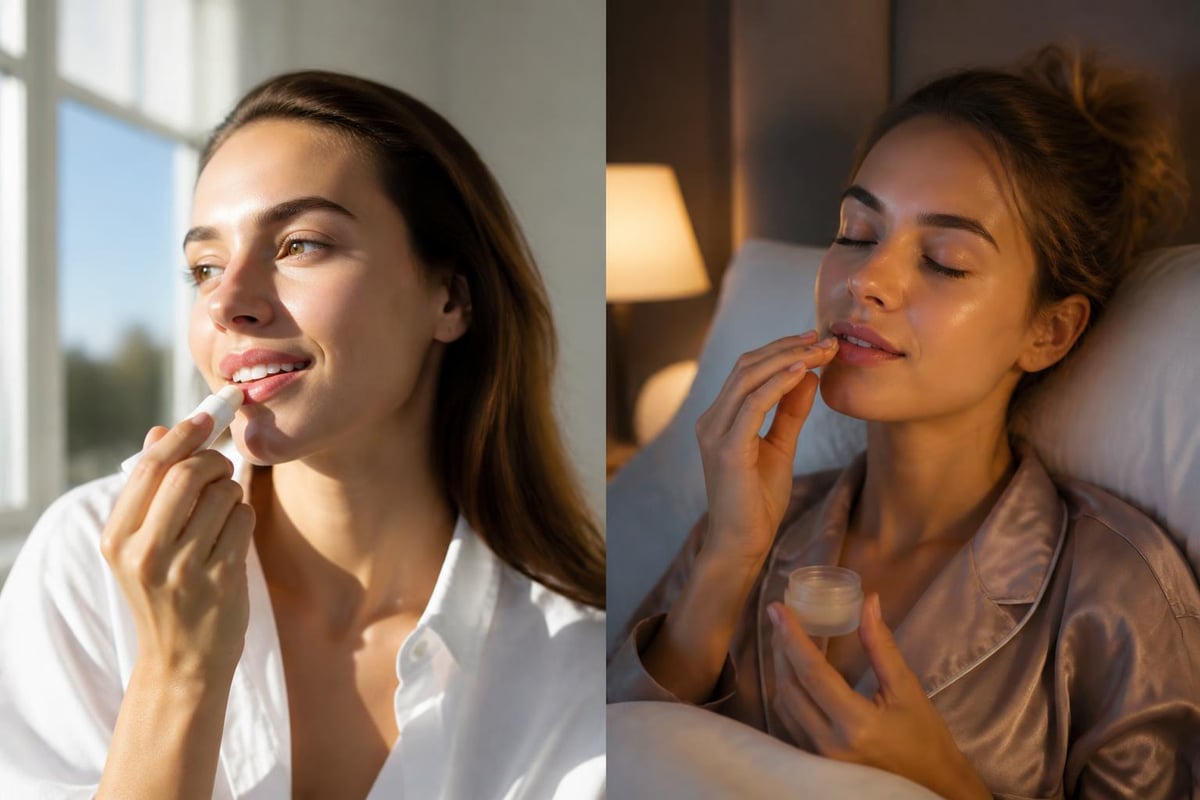
For everyday wear, the best rated lip moisturizer options balance protection with wearability. These products maintain baseline hydration without requiring constant reapplication.
Morning routine essentials:
SPF protection for sun exposure
Lightweight texture compatible with lip color
Quick absorption for immediate comfort
Evening care priorities:
Richer formulations for overnight repair
Active ingredients that work during cellular renewal
Intensive moisture without heavy feel
The Who What Wear review of lip balms with SPF highlights 12 standout products combining sun protection with hydration, addressing two critical needs simultaneously.
Intensive Overnight Treatments
Lip masks and intensive treatments occupy a specialized position in the best rated lip moisturizer landscape. These products use occlusive-heavy formulations designed for maximum overnight repair.
Treatment Type |
Best For |
Key Ingredients |
Application Frequency |
|---|---|---|---|
Sleeping Masks |
Weekly intensive care |
Shea butter, ceramides |
2-3 times per week |
Daily Night Balms |
Consistent moisture |
Plant oils, vitamin E |
Every night |
Treatment Oils |
Damaged lip repair |
Seed oils, antioxidants |
As needed |
According to Who What Wear's lip mask guide, the 12 best expert-recommended masks focus on combating dryness and chapping through concentrated ingredient delivery. These products typically remain on lips for extended periods, allowing deeper penetration than quick-absorbing day formulas.
Key Ingredients in the Best Rated Lip Moisturizer Products
Understanding ingredient effectiveness helps identify truly superior products among countless options. The best rated lip moisturizer formulations share certain high-performing components.
Plant-Derived Oils and Butters
Apple Seed Oil stands out for its lightweight texture and exceptional moisturizing properties. Rich in linoleic acid and vitamins A and E, this oil supports skin barrier repair while providing antioxidant protection. Its quick absorption makes it ideal for non-sticky formulations.
Shea Butter offers concentrated emollient benefits with natural anti-inflammatory compounds. This ingredient excels in overnight treatments where its richer texture can work without interference.
Jojoba Oil mimics human sebum structurally, allowing superior absorption and compatibility with all skin types. This characteristic makes it valuable for sensitive lips prone to irritation.
The pharmaceutical review of herbal lip moisturization ingredients provides scientific evidence for botanical oils, butters, waxes, and extracts, discussing their phytochemistry and mechanisms of action in detail.
Fruit Extracts for Enhanced Benefits
Modern lip moisturizers increasingly incorporate fruit extracts for their concentrated vitamin content and pleasant sensory profiles. These natural ingredients provide more than just fragrance.
Berry extracts (cranberry, raspberry, acai) deliver anthocyanins and vitamin C for antioxidant protection against environmental damage. Their natural acidity also helps maintain optimal pH balance on lip surfaces.
Stone fruit extracts (peach, plum, apricot) contain beta-carotene and vitamin A compounds that support cellular turnover and renewal. These ingredients contribute to smoother lip texture over time.
Citrus components offer vitamin C and natural astringent properties that can temporarily plump lip appearance through mild stimulation of surface circulation.
Vegan and Cruelty-Free Standards
The best rated lip moisturizer products in 2026 increasingly meet ethical standards that consumers prioritize. Vegan formulations exclude animal-derived ingredients like beeswax, carmine, and lanolin, relying instead on plant-based alternatives.
Cruelty-free certification ensures no animal testing occurred during product development or ingredient sourcing. This standard has become baseline for many premium brands, particularly those in the K-beauty sector.
Sustainability considerations extend beyond ingredients to packaging choices, with leading brands adopting recyclable materials and refillable systems to reduce environmental impact.
Common Lip Moisturizer Mistakes to Avoid
Even high-quality products fail to deliver results when used incorrectly. Understanding these common errors helps maximize the effectiveness of your best rated lip moisturizer selection.
Over-Application and Product Dependency
WebMD addresses lip balm addiction concerns, explaining that while true addiction is unlikely, overuse can create perceived dependency. Applying lip moisturizer too frequently may prevent lips from maintaining their natural moisture balance.
Signs of overuse:
Applying product every 30 minutes or more
Lips feel worse when product wears off
Constant awareness of lip dryness
Inability to go hours without reapplication
The solution involves gradually reducing application frequency while ensuring each application uses adequate product. Quality matters more than quantity in lip care.
Choosing Irritating Ingredients
Some ingredients commonly found in lip products can cause irritation or allergic reactions, creating a cycle of dryness that requires constant reapplication. NBC's investigation into whether lip balm dries lips explores formulation factors that may contribute to this problem.
Potentially irritating components:
Synthetic fragrances and flavors
Menthol and camphor (temporary cooling followed by dryness)
Phenol and salicylic acid (exfoliating acids too harsh for daily use)
Artificial dyes and colorants
Patch testing new products on a small area helps identify sensitivities before full application. Reading ingredient lists carefully prevents introducing known irritants.
Neglecting Environmental Protection
Lip skin lacks the protective melanin found on other facial areas, making it vulnerable to sun damage. The best rated lip moisturizer should include SPF protection for daytime wear, particularly during outdoor activities.
UV exposure causes:
Accelerated aging including fine lines around the mouth
Pigmentation changes leading to darkened lip borders
Increased skin cancer risk on lip surfaces
Chronic dryness from sun damage to the moisture barrier
Combining SPF lip care with broad-spectrum facial sunscreen provides comprehensive protection. Reapplication every two hours during sun exposure remains essential regardless of product claims.
Evaluating Product Claims and Reviews
Marketing language often obscures real product performance. Developing critical evaluation skills helps identify the genuinely best rated lip moisturizer options from overhyped alternatives.
Understanding Clinical Testing Language
Products claiming "clinically tested" or "dermatologist recommended" vary widely in the rigor behind these statements. True clinical testing involves controlled studies with measurable outcomes, while some "testing" consists of informal user trials.
Questions to ask:
How many participants were in the study?
What specific measurements were taken?
Was there a control group for comparison?
Who conducted the testing (independent lab or brand)?
Independent third-party testing provides more reliable validation than brand-conducted studies. Look for specific data points rather than vague claims of "improved hydration."
Reading User Reviews Effectively
The NBC Select review of over 50 lip balms demonstrates comprehensive evaluation considering feel, longevity, packaging, and texture. This multifaceted approach reveals more than single-factor assessments.
When reading reviews, consider:
Review Aspect |
What to Look For |
Red Flags |
|---|---|---|
Texture Description |
Specific sensory details |
Vague "nice" or "good" |
Duration Claims |
Time-based measurements |
"Lasts forever" exaggeration |
Before/After |
Concrete improvements |
No mention of results |
Skin Type Context |
Reviewer's lip condition |
Generic statements |
Repeat Purchase |
Would buy again |
One-time trial only |
Patterns across multiple reviews matter more than individual opinions. If numerous users mention a specific benefit or concern, that feedback likely reflects actual product performance.
Seasonal Lip Care Adjustments
The best rated lip moisturizer for summer may not perform optimally in winter conditions. Adapting your lip care routine to seasonal challenges ensures consistent results throughout the year.
Winter Protection Strategies
Cold air, indoor heating, and wind create the harshest conditions for lip health. Winter formulations should emphasize occlusive ingredients that create protective barriers against moisture loss.
Winter-specific needs:
Thicker textures that withstand cold temperatures
Protective barriers against wind exposure
Ingredients that combat heating-induced dryness
Nighttime intensive treatments for repair
Layering techniques work well in winter, with a hydrating lip oil applied first followed by a protective balm to seal in moisture. This combination addresses both hydration and protection simultaneously.
Summer Moisture and Sun Defense
Warmer months require lighter textures that won't melt or feel heavy in heat. SPF protection becomes non-negotiable as sun exposure increases during outdoor activities.
The best summer lip moisturizers feature:
Lightweight, fast-absorbing formulas
Minimum SPF 30 sun protection
Water-resistant properties for swimming
Non-greasy finish under lip color
Exploring options for glass lips and dewy lip oil looks reveals formulations that work particularly well in humid summer conditions, providing shine without heaviness.
Transition Season Flexibility
Spring and fall require adaptable products that handle fluctuating temperatures and humidity levels. Multi-functional formulations excel during these periods.
Transition season priorities:
Medium-weight textures suitable for varying conditions
Ingredients that adjust to humidity levels
Versatile products that work alone or layered
Formats convenient for on-the-go reapplication
Application Techniques for Maximum Effectiveness
Even the best rated lip moisturizer delivers suboptimal results with poor application technique. Proper usage enhances product performance and extends wear time.
Pre-Application Lip Preparation
Gentle exfoliation removes dead skin cells that block moisture absorption. This step should occur 2-3 times weekly, not daily, to avoid over-exfoliation.
Effective exfoliation methods:
Soft toothbrush with gentle circular motions
Sugar and oil scrub (homemade or commercial)
Damp washcloth used with light pressure
Chemical exfoliants designed for lip use
Exfoliating before applying your best rated lip moisturizer allows ingredients to penetrate more effectively. This preparation step particularly benefits those with chronically flaky lips.
Optimal Application Amount and Timing
Most users apply too little product too infrequently. Adequate coverage requires more product than typically used, especially for oil-based formulations that spread differently than waxy balms.
Application guidelines:
Use enough product to create visible coverage
Apply 15 minutes before sun exposure
Reapply after eating or drinking
Layer treatments for intensive care (oil, then balm)
Timing matters particularly for overnight treatments. Applying your intensive lip moisturizer 30 minutes before sleep allows initial absorption before contact with pillows, maximizing product contact with lips.
Layering Lip Products Effectively
Strategic layering amplifies benefits when done correctly. The order of application determines how well each product performs its intended function.
Proper layering sequence:
Treatment layer: Apply hydrating lip oil first for deep moisture penetration
Color layer: Add tinted lip oil or lipstick after absorption
Protective layer: Seal with clear balm if needed for extended wear
Finishing layer: Apply gloss only if desired for special occasions
This systematic approach prevents product pilling and ensures each layer serves its purpose without interfering with others.
Professional vs. Drugstore Options
Price differences in lip moisturizers span from a few dollars to over fifty dollars per product. Understanding whether premium pricing correlates with superior performance helps make cost-effective choices.
What Premium Products Offer
Higher-priced lip moisturizers often include:
Rare or specialized ingredients sourced from specific regions
Higher concentration of active components for faster results
Advanced delivery systems that enhance ingredient penetration
Sustainable and ethical sourcing with transparency
Refined textures and scents from natural sources
Premium K-beauty brands like nooni emphasize locally sourced Korean ingredients and vegan formulations that justify higher pricing through quality and ethical standards. These products often undergo more rigorous testing and refinement.
When Drugstore Products Excel
Budget-friendly options can perform comparably to premium alternatives when they contain similar active ingredients. The comprehensive Who What Wear evaluation of top lip balms includes both price points, showing effectiveness isn't exclusively linked to cost.
Situations favoring affordable options:
Basic daily maintenance needs
Frequent reapplication throughout the day
Testing new ingredients for sensitivity
On-the-go backup products
The key lies in ingredient analysis rather than brand prestige. A simple formulation with proven moisturizing components often outperforms elaborate marketing without substance.
Specialized Solutions for Unique Concerns
Beyond general moisturization, specific lip concerns require targeted approaches. The best rated lip moisturizer for one issue may not address another effectively.
Addressing Chronic Chapping and Cracking
Persistent lip damage needs more than surface hydration. Products containing healing ingredients repair compromised skin barriers while preventing infection in open cracks.
Therapeutic ingredients for damaged lips:
Allantoin: Promotes cell regeneration and wound healing
Panthenol (Provitamin B5): Reduces inflammation and speeds repair
Calendula extract: Natural anti-inflammatory with antimicrobial properties
Ceramides: Restore protective skin barrier function
Severe cases may require consultation with a dermatologist to rule out underlying conditions like eczema or vitamin deficiencies that manifest as chronic lip problems.
Managing Hyperpigmentation and Discoloration
Darkened lips result from various factors including sun damage, smoking, dehydration, or certain medications. Lightening treatments must proceed cautiously to avoid irritation.
Safe brightening approaches include:
Vitamin C formulations that inhibit melanin production
Niacinamide for gentle pigmentation reduction
Licorice root extract with natural lightening properties
Consistent SPF use to prevent further darkening
Patience proves essential, as lip skin turnover requires several weeks to show visible improvement. The best rated lip moisturizer for this concern combines brightening actives with deep hydration.
Plumping Without Irritation
The plumping effect desired by many users can be achieved through hydration rather than irritating ingredients like cinnamon or mint that cause temporary swelling.
Gentle plumping strategies:
Hyaluronic acid attracts moisture for natural fullness
Peptides stimulate collagen production over time
Proper hydration maintains optimal lip volume
Massage during application increases circulation
Sustainable plumping from moisture retention produces better long-term results than temporary irritation-based swelling that damages lip tissue with repeated use.
Selecting the best rated lip moisturizer requires understanding your specific needs, evaluating ingredients critically, and applying products correctly for optimal results. Whether you prefer traditional balms, innovative lip oils, or intensive overnight treatments, the key lies in consistent use of quality formulations that match your lifestyle and lip health goals. Explore how nooni's vegan lip care solutions can transform your daily routine with lightweight, non-sticky formulas that deliver deep hydration and a natural glossy finish, combining the best of K-beauty innovation with sustainable practices.
Read more
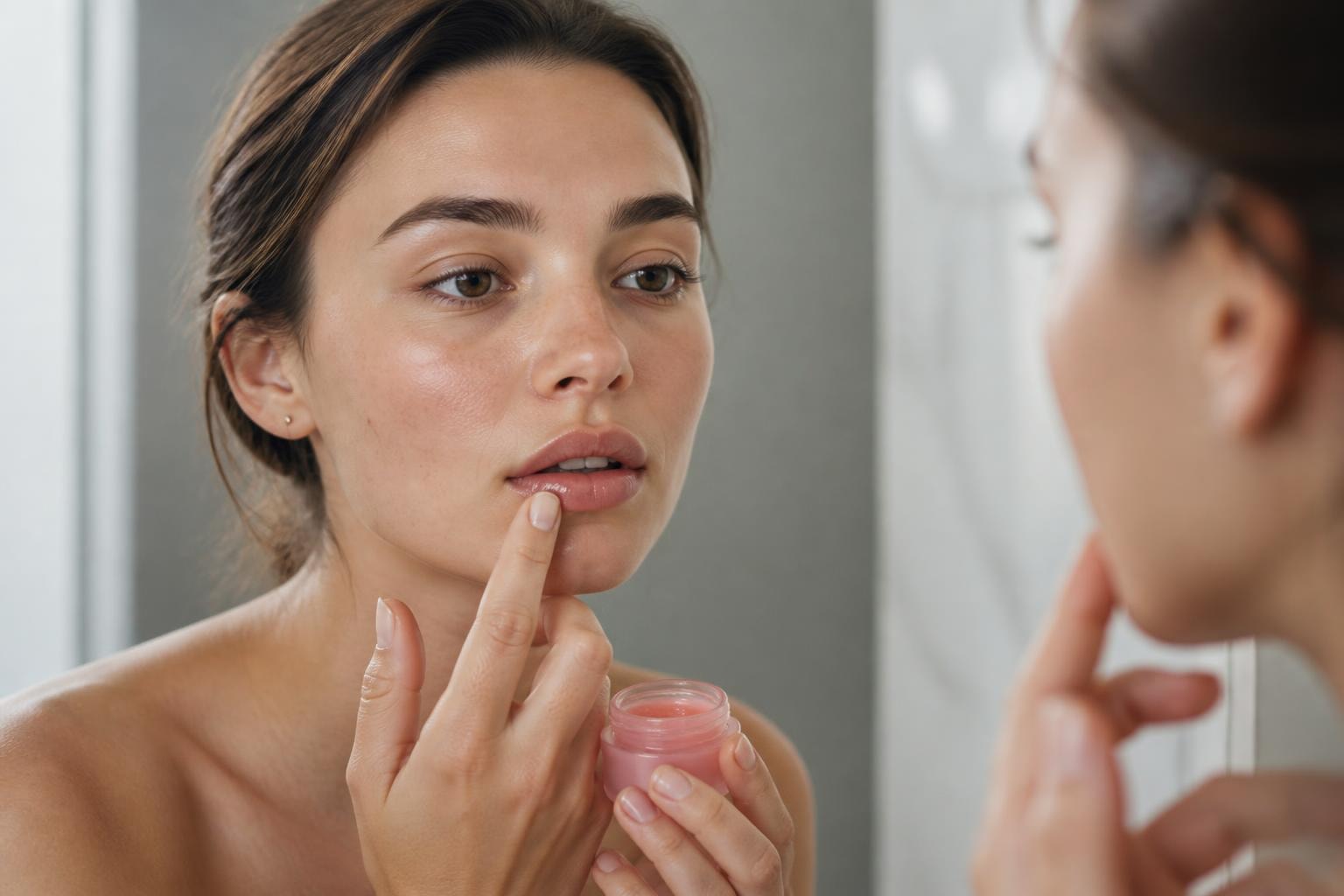
Discover the best lip mask for dry, chapped lips. Expert tips on hydration, ingredients, and choosing the right lip treatment in 2026.
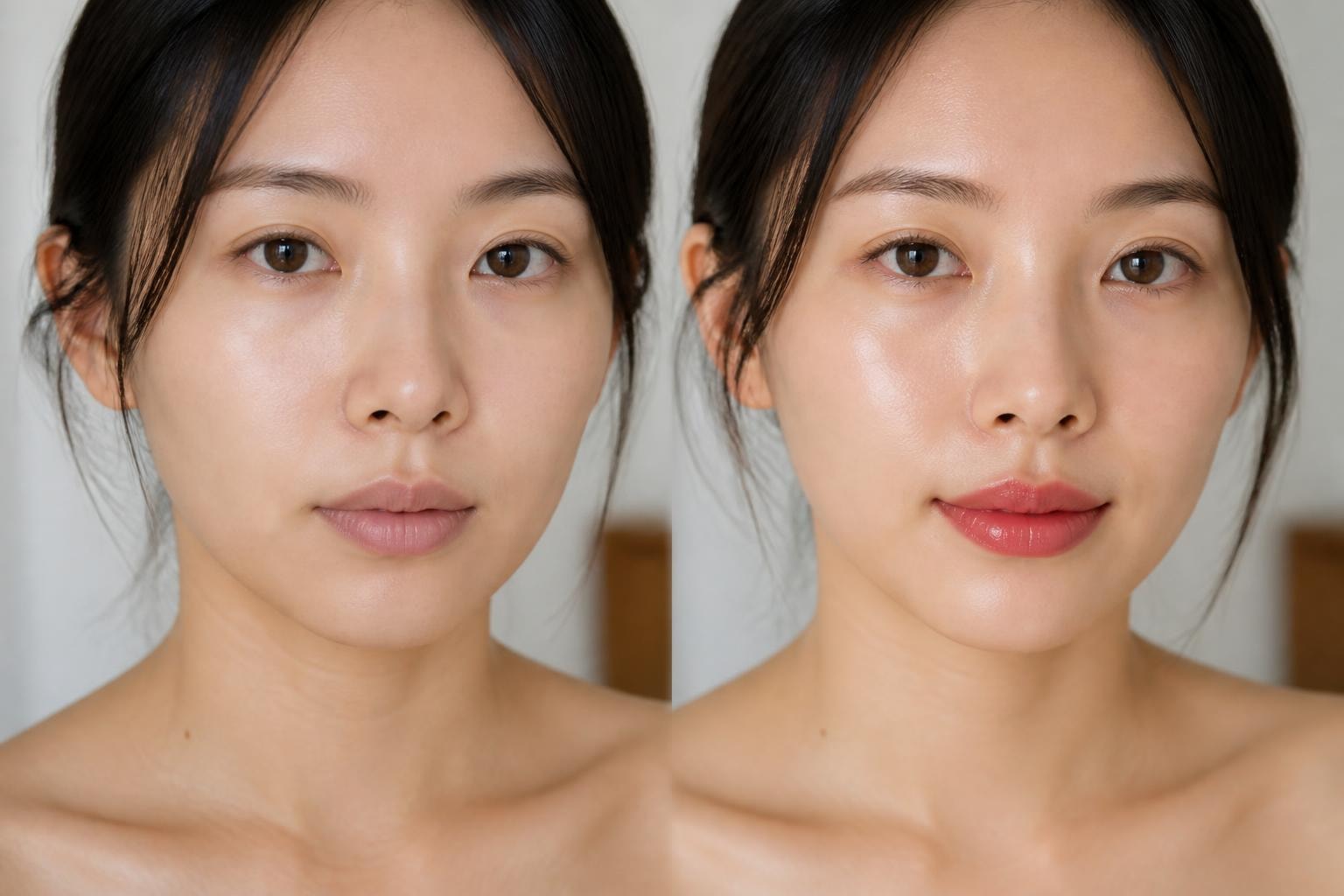
Discover everything about lip stain in 2026: benefits, application tips, and how it compares to lip gloss. Expert guide for vibrant, lasting color.