



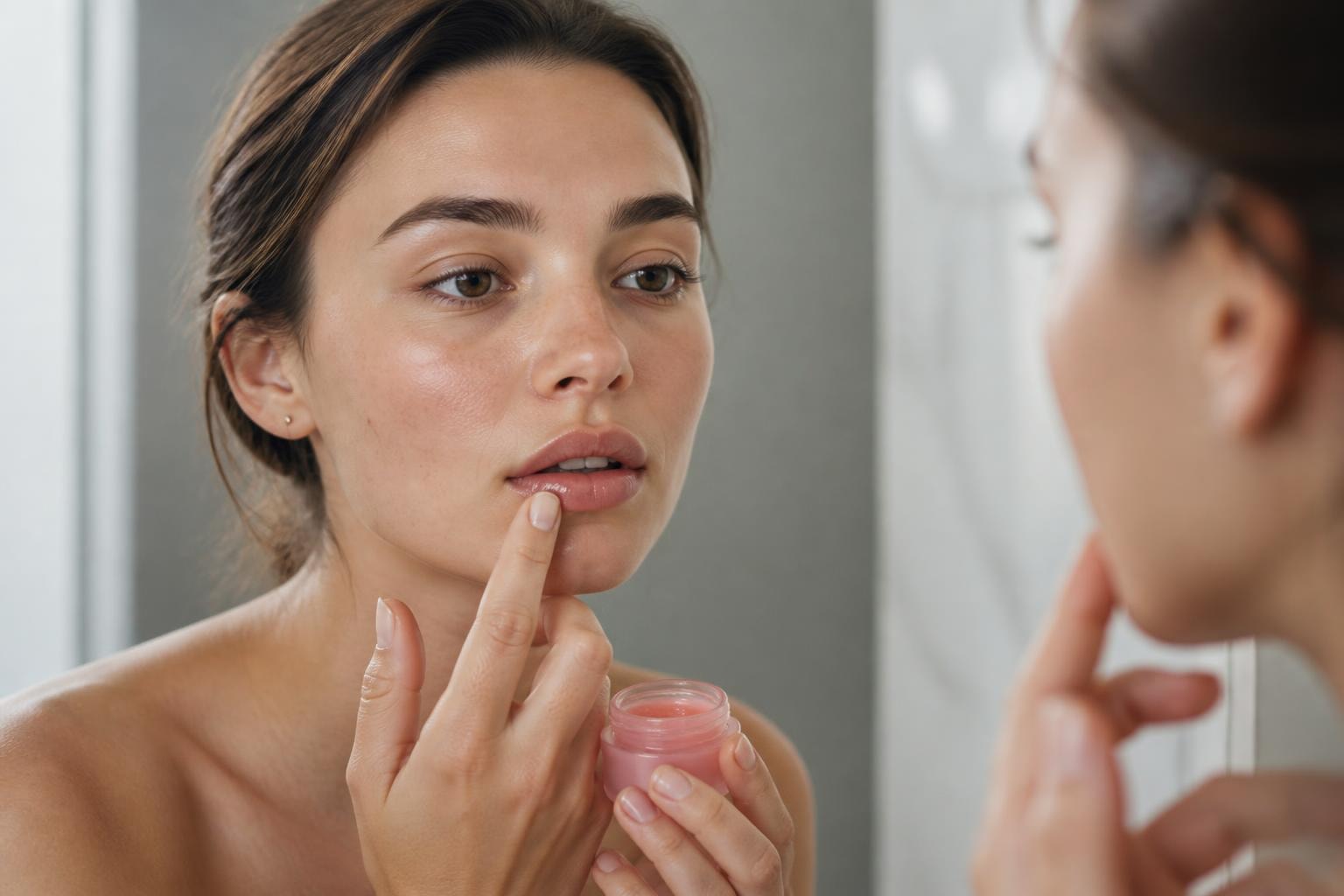
Best Lip Mask for Hydration, Repair & Glowing Lips
Dry, chapped lips can undermine even the most polished makeup look. While traditional lip balms offer temporary relief, lip masks have emerged as a powerful solution for deeper hydration and repair. These intensive treatments work differently than everyday products, delivering concentrated nourishment that transforms lip texture overnight or throughout the day. Finding the best lip mask means understanding your specific needs, ingredient preferences, and how these treatments fit into your broader lip care routine.
What Makes a Lip Mask Different from Regular Lip Care
Lip masks contain higher concentrations of active ingredients compared to standard balms. They create an occlusive barrier that locks in moisture while delivering nutrients deep into the delicate lip skin.
The formulation typically includes humectants, emollients, and occlusives working together. Humectants like hyaluronic acid draw moisture into the lips, emollients soften and smooth the surface, and occlusives seal everything in to prevent water loss.
Most people use lip masks as overnight treatments, allowing 6-8 hours of intensive repair. However, newer formulations are designed for daytime wear, offering similar benefits under makeup or alone. Vogue's review of top lip masks highlights this dual-purpose trend, noting that versatile products now dominate the market.
Key Ingredients to Look For
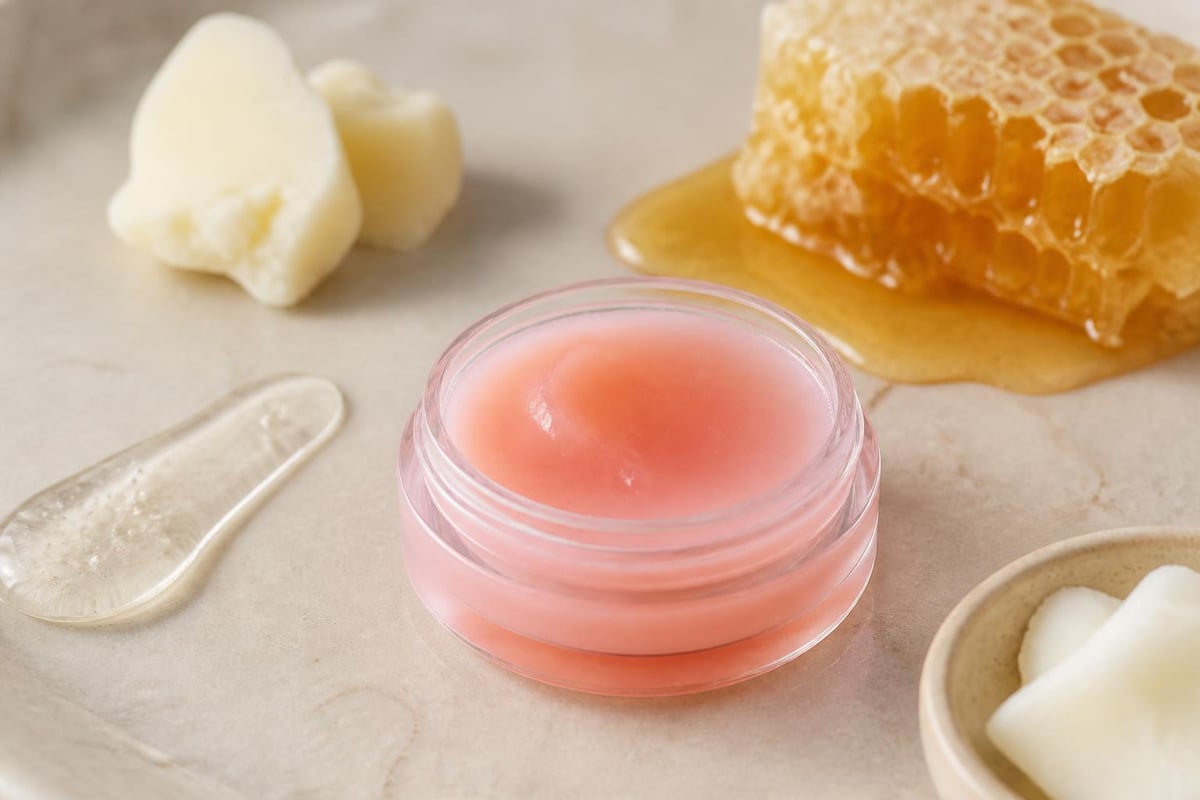
The best lip mask formulations feature specific ingredients proven to address common concerns. Peptides stimulate collagen production, helping lips appear fuller and more defined. Ceramides repair the skin barrier, essential for lips exposed to environmental stress.
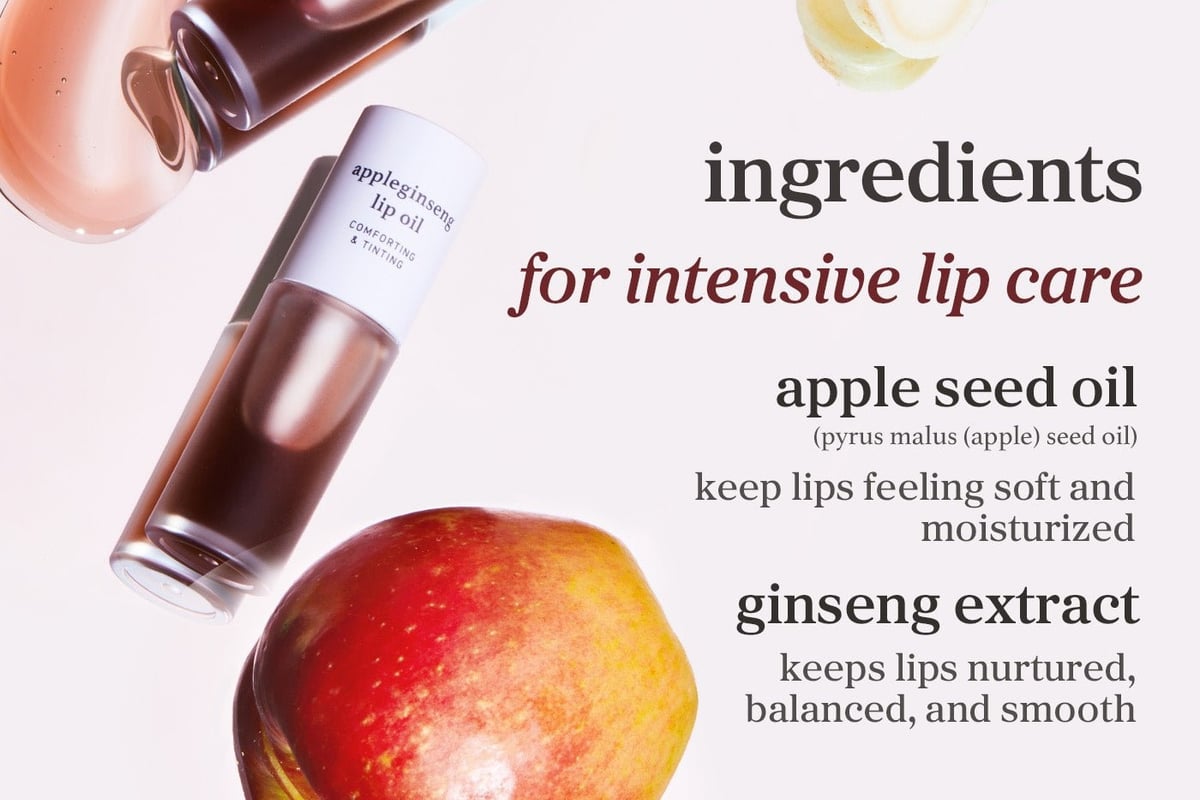
Natural oils deserve special attention. Apple Seed Oil provides deep hydration with essential fatty acids that nourish without greasiness. Fruit extracts rich in vitamins C and E offer antioxidant protection against free radical damage. Korean beauty brands particularly excel at incorporating these locally sourced ingredients.
Ingredient Type |
Primary Benefit |
Best For |
|---|---|---|
Hyaluronic Acid |
Moisture retention |
Chronic dryness |
Shea Butter |
Intensive softening |
Chapped, peeling lips |
Vitamin E |
Antioxidant repair |
Sun damage prevention |
Apple Seed Oil |
Non-greasy hydration |
Daily nourishment |
Dentistry IQ explains the science behind lip masks, emphasizing how professional-grade ingredients differ from over-the-counter options.
How to Choose the Best Lip Mask for Your Needs
Your ideal lip mask depends on several factors beyond simple dryness. Consider texture preferences first. Some masks feel thick and balm-like, while others absorb quickly with a lightweight finish.
Overnight versus daytime formulations serve different purposes. Overnight masks prioritize intensive repair with richer textures that might feel too heavy during the day. Daytime options balance hydration with wearability, often featuring subtle tints or glossy finishes compatible with other lip products.
Vegan and cruelty-free standards matter increasingly to conscious consumers. These certifications ensure products align with ethical values without compromising effectiveness. Many K-beauty brands now lead this space, creating plant-based formulas that outperform traditional options.
Matching Formulas to Lip Concerns
For severe chapping: Look for ceramide-rich masks with occlusive ingredients like lanolin or plant-based waxes
For fine lines: Peptide-infused treatments that plump and smooth lip texture
For dullness: Vitamin C masks that brighten and even out pigmentation
For sensitivity: Fragrance-free, minimal-ingredient formulas with soothing botanicals
Consumer Reports' evaluation of lip masks provides independent testing results across different concern categories, helping consumers make informed decisions.
Climate and lifestyle also influence your choice. Cold, dry winters demand heavier protection, while humid environments allow lighter formulations. People who wear matte lipsticks regularly benefit from intensive overnight treatments to counteract drying effects.
Understanding Lip Oil as a Complementary Treatment
Lip oils offer a different approach to hydration that complements traditional lip masks beautifully. These lightweight formulas provide non-sticky moisture with a silky texture that feels comfortable throughout the day.
A lip oil for dry lips functions as both treatment and tint. Unlike conventional lip gloss, which prioritizes shine often at the expense of stickiness, lip oils deliver deep hydration while maintaining a smooth, glossy finish. This makes them ideal for layering or standalone wear.
The 2-in-1 function as both tint and oil represents a major advantage. You get buildable color with the therapeutic benefits of nourishing ingredients. Apple Seed Oil stands out for its ability to provide long-lasting moisture without the heavy feel that characterizes traditional glosses.
Lip Oil Benefits for Daily Use
Lip oils excel at maintaining the results achieved with intensive mask treatments. Their plumping effect comes from hydration rather than irritants, creating naturally fuller-looking lips. The non-sticky lip oil formula means you can reapply throughout the day without discomfort or residue buildup.
When comparing lip oil vs lip gloss, consider hydration depth. Glosses sit on the surface, while oils penetrate with nourishing ingredients. This fundamental difference explains why lip oils feel more comfortable during extended wear and actually improve lip condition over time.
Modern formulations incorporate fruit extracts that provide vitamins alongside moisture. These antioxidant-rich ingredients protect lips from environmental stressors that accelerate aging and dryness. The result is healthier lips that look and feel better with consistent use.
For those seeking effective daily hydration between intensive treatments, nooni's collection of lip oils offers vegan formulations with locally sourced Korean ingredients. The Appleginseng Lip Oil, for instance, combines deep moisturizing care with a warm, natural tint that enhances lips without heavy pigment or sticky texture.
Top Features of the Best Lip Mask Products
Professional-grade lip masks share certain characteristics that separate them from basic treatments. Texture consistency matters significantly. The best lip mask maintains its integrity without becoming grainy or separating, ensuring even application and absorption.
Packaging influences both hygiene and precision. Tube applicators offer controlled dispensing, while jar formats allow you to customize application amounts. Single-use patches provide convenience for travel but generate more waste. Consider your priorities when evaluating these options.
Harper's Bazaar's selection of top lip masks emphasizes the importance of sensory experience alongside performance, noting that pleasant scents and textures encourage consistent use.
Performance Indicators to Evaluate
Immediate hydration: Lips should feel softer within minutes of application
Lasting moisture: Effects should persist for at least 4-6 hours after removal
Texture improvement: Visible reduction in flaking and roughness after one week
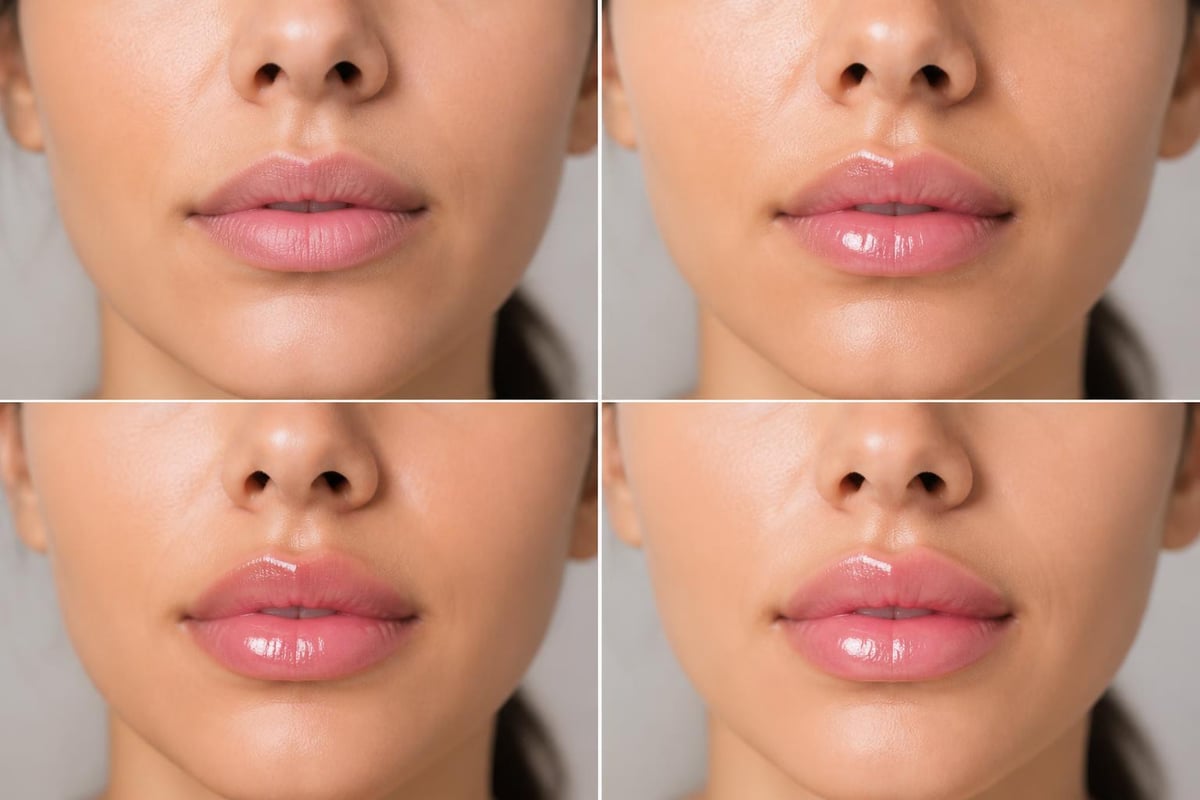
Enhanced plumpness: Subtle fullness from proper hydration, not irritation
Compatibility: Works well under lipsticks and other lip products
Value assessment requires looking beyond price per ounce. A concentrated formula requiring less product per application may cost more upfront but deliver better overall value. Similarly, multi-functional products that replace several items in your routine justify higher investment.
Application Techniques for Maximum Results
Proper application maximizes the effectiveness of even the best lip mask. Start with gentle exfoliation to remove dead skin cells that block absorption. A soft toothbrush or dedicated lip scrub works well, but avoid aggressive rubbing that damages delicate tissue.
Apply your chosen mask generously. The lips lack oil glands, making them prone to dehydration. A thick layer provides the occlusive barrier needed for deep repair. For overnight treatments, consider wrapping lips with a warm towel for 2-3 minutes before application to enhance penetration.
Frequency guidelines vary by product intensity and personal needs:
Intensive overnight masks: 2-3 times weekly for maintenance, daily for acute dryness
Daytime treatment masks: Daily application, reapplying as needed
Weekly deep treatments: Once weekly for prevention, twice for active concerns
The Quality Edit's review of 2026 lip masks provides detailed application protocols for different product types, helping users optimize their routines.
Layering Strategies for Enhanced Care
Strategic layering compounds benefits when done correctly. After cleansing, apply a hydrating toner or essence to prep the lip area. Follow with your lip mask, allowing 5-10 minutes for initial absorption. For overnight treatments, this creates the optimal environment for repair.
Morning routines benefit from lighter applications. Use your lip mask as a base, allowing it to absorb for 3-5 minutes before applying lip oil or color. This combination provides all-day hydration while enabling makeup application without pilling or sliding.
Time of Day |
Product Order |
Expected Result |
|---|---|---|
Morning |
Essence → Light mask → Lip oil |
Hydrated base for makeup |
Midday |
Quick reapplication of lip oil |
Moisture refresh |
Evening |
Exfoliation → Intensive mask |
Deep overnight repair |
Common Mistakes That Reduce Lip Mask Effectiveness
Even with the best lip mask, improper use limits results. Over-exfoliating represents the most frequent error. Daily scrubbing strips protective layers faster than they regenerate, creating a cycle of perpetual dryness. Limit exfoliation to 2-3 times weekly maximum.
Applying masks to damp lips seems logical but can dilute active ingredients. Pat lips dry after cleansing, then apply your treatment. The product's own humectants will draw moisture from deeper skin layers and the environment.
Product mixing sometimes backfires. Combining multiple active ingredients without understanding their interactions can cause irritation. When trying new products, introduce them individually to monitor your lips' response. Wait at least a week before adding another new item to your routine.
Environmental Factors to Address
Indoor heating and air conditioning dehydrate lips significantly. Even the best lip mask cannot fully counteract constant environmental stress. Use a humidifier in rooms where you spend extended time, particularly bedrooms during sleep.
Sun protection often gets overlooked for lip care. UV damage accelerates aging and dryness while increasing skin cancer risk. Choose lip masks with SPF for daytime use, or layer a lip-safe sunscreen under your treatment products.
Breathing through your mouth, especially during sleep, rapidly dries lips. If you notice worse dryness upon waking, consider addressing underlying causes like nasal congestion. Your lip mask will work more effectively when not battling constant moisture loss.
Integrating Lip Masks into Your Overall Beauty Routine
Lip care should connect with your broader skincare approach. The same ingredients that benefit facial skin often work well for lips. Hyaluronic acid serums applied around the lip border help prevent feathering while supporting the mask's hydration efforts.
Timing your lip treatments with other skincare steps creates efficiency. Apply your lip mask during your face mask sessions, maximizing the time you dedicate to self-care. This routine becomes easier to maintain when multiple treatments happen simultaneously.
Allure's comprehensive guide to lip masks discusses integration strategies that dermatologists recommend for comprehensive anti-aging routines.
Seasonal Adjustments for Year-Round Care
Spring and summer allow lighter formulations. Focus on hydration with breathable textures that won't feel heavy in heat and humidity. Increase SPF protection as sun exposure intensifies. Consider switching to gel-based masks that cool and refresh.
Fall transitions require gradual intensification. As temperatures drop, begin incorporating richer ingredients. This proactive approach prevents the severe chapping that often occurs once winter fully arrives.
Winter demands your most intensive treatments. The best lip mask for cold months contains maximum occlusive ingredients. Layer petroleum-based products over your treatment masks before sleeping to combat heating system dryness.
Professional Treatments Versus At-Home Care
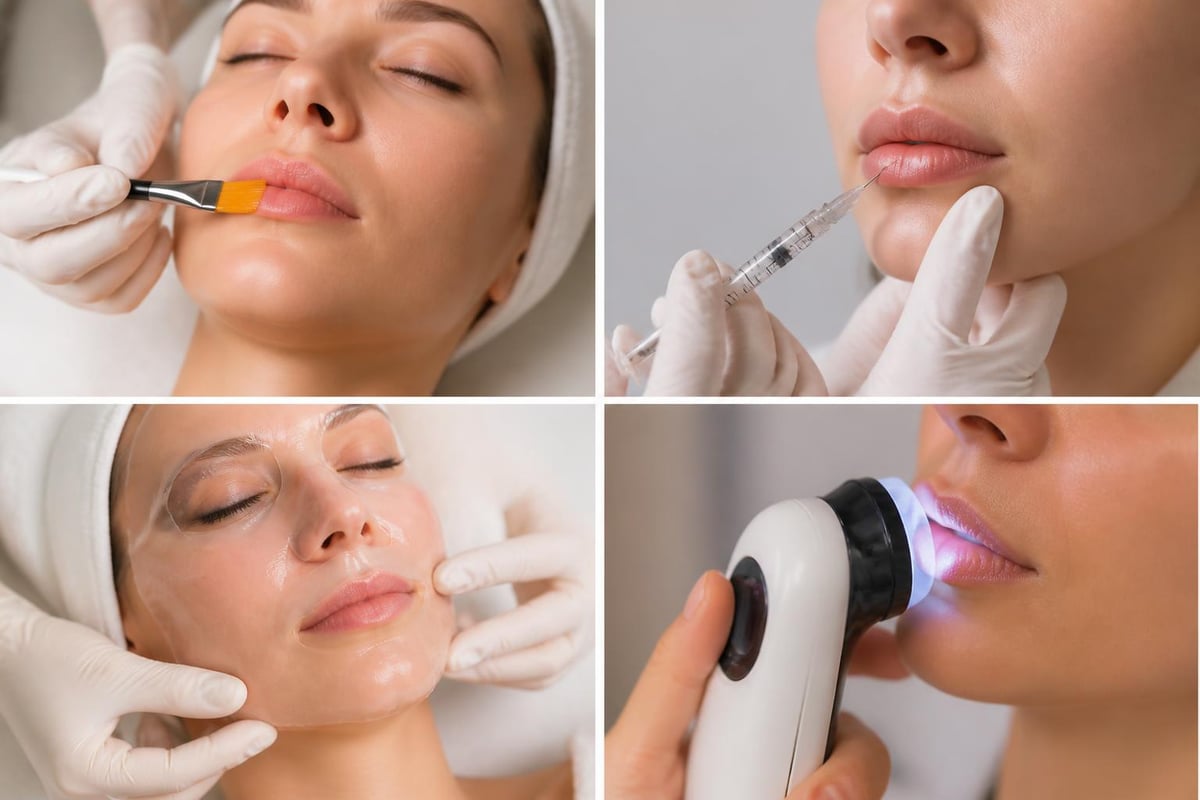
In-office lip treatments offer concentrated results through professional-grade ingredients and application techniques. Hyaluronic acid filler injections provide immediate plumping that masks cannot achieve, but they address volume rather than skin health.
Chemical peels specifically formulated for lips remove damaged surface layers more effectively than home exfoliation. These treatments require professional supervision to prevent over-processing delicate tissue.
Most people achieve excellent results with consistent at-home care using quality products. Who What Wear's consultation with dermatologists confirms that regular use of appropriate lip masks rivals professional treatments for hydration and texture improvement.
When to Seek Professional Guidance
Persistent problems despite proper care warrant professional evaluation. Chronic cracking, bleeding, or discoloration may indicate underlying health issues requiring medical attention. Dermatologists can identify conditions like eczema, allergies, or nutritional deficiencies affecting lip health.
Unexplained sensitivity to multiple products suggests potential ingredient allergies. Patch testing identifies specific triggers, allowing you to choose compatible formulations. This targeted approach proves more effective than trial and error.
Sustainability Considerations in Lip Mask Selection
Eco-conscious consumers increasingly prioritize sustainable beauty products. The best lip mask options now include vegan formulations that eliminate animal-derived ingredients without sacrificing performance. Plant-based alternatives to lanolin and beeswax deliver comparable occlusive benefits.
Cruelty-free certifications ensure no animal testing occurred during product development. These standards reflect growing awareness that effective beauty products need not involve animal harm. Many Korean beauty brands lead this movement, incorporating traditional botanical knowledge into modern, ethical formulations.
Packaging sustainability matters equally. Recyclable containers, refillable options, and minimal packaging reduce environmental impact. Glass jars and aluminum tubes offer better recyclability than complex plastic combinations that rarely get processed properly.
Supporting Sustainable Beauty Practices
Research brands' complete sustainability commitments beyond individual product claims. Companies genuinely dedicated to environmental responsibility implement practices across their entire operations, from ingredient sourcing through manufacturing and shipping.
Locally sourced ingredients reduce transportation emissions while supporting regional agriculture. Korean beauty brands often highlight ingredients grown domestically, creating shorter supply chains with lower environmental costs. These locally sourced components frequently offer superior freshness and potency as well.
Consider the broader selection at nooni for products that combine effectiveness with environmental consciousness. Their vegan, cruelty-free approach demonstrates that sustainable practices and premium quality complement rather than conflict with each other.
Building a Complete Lip Care System
The best lip mask achieves maximum results when part of a comprehensive care system. Think of lip health like facial skincare, requiring multiple product types for different needs and times.
Your core system should include:
Gentle exfoliant for weekly cell turnover
Intensive overnight mask for deep repair
Daytime treatment with SPF protection
Hydrating lip oil for touchups and layering
Nourishing balm for environmental protection
This layered approach addresses lips' unique vulnerability. Without oil glands to self-lubricate, lips depend entirely on external products for moisture and protection. Combining complementary formulas creates redundancy that ensures hydration from multiple angles.
Seasonal rotation keeps your routine optimized. Maintain your core products but adjust concentrations and textures as environmental conditions change. This flexibility prevents both under-treatment in harsh conditions and product waste when lighter options suffice.
Tracking Progress and Adjusting
Document your lip condition with weekly photos. Visible improvement motivates continued care, while lack of progress signals the need for product or technique adjustments. Most people see noticeable changes within 2-3 weeks of consistent, proper use.
Pay attention to how your lips respond to specific ingredients. Some people find certain botanical extracts irritating while others tolerate them perfectly. Building awareness of your personal sensitivities allows you to curate a truly customized routine.
Budget considerations influence product selection, but investing in quality lip care pays dividends. The best lip mask might cost more initially but requires less frequent replacement than cheaper alternatives that provide minimal benefit. Calculate cost per application rather than package price for accurate value assessment.
Enhancing Results with Lifestyle Adjustments
Product effectiveness multiplies when supported by healthy habits. Hydration from within provides the foundation for all topical treatments. Drinking adequate water ensures your body has moisture to deliver to your lips. Aim for eight glasses daily, increasing in hot weather or during exercise.
Dietary choices influence lip health significantly. Omega-3 fatty acids from fish, nuts, and seeds support skin barrier function. B vitamins prevent cracking and inflammation. Vitamin E provides antioxidant protection that complements topical applications.
Avoid licking your lips, a habit that paradoxically increases dryness. Saliva evaporates rapidly, taking surface moisture with it. Breaking this cycle requires conscious effort but dramatically improves treatment results. Keep your lip mask or oil accessible for immediate application when the urge strikes.
Protective Habits That Support Treatment
Minimize lip contact with harsh substances. Fragranced toothpastes and acidic foods can irritate sensitive skin, undermining your care routine. Choose gentle oral care products and rinse thoroughly after consuming citrus or spicy foods.
Cover your lips during extreme weather. Scarves in winter and breathable masks in summer provide physical barriers against wind, cold, and sun. This simple protection allows your lip mask ingredients to repair damage rather than constantly defending against new assaults.
Sleep position affects lip hydration. Breathing through your mouth while sleeping accelerates moisture loss. Side sleeping can compress lips against pillowcases, potentially irritating sensitive skin. Back sleeping with a bedroom humidifier creates optimal conditions for overnight treatment success.
Smart Shopping Strategies for Lip Mask Products
Navigating the expanding lip mask market requires strategic evaluation. Read ingredient lists carefully, prioritizing products with active components in the first five ingredients. Position indicates concentration - ingredients listed later contribute minimally to the formula.
Sample sizes provide economical ways to test new products. Many brands offer discovery sets featuring multiple formulations, allowing you to identify your ideal match before committing to full-size purchases. This approach prevents wasting money on incompatible products.
Reviews offer valuable insights but require critical interpretation. Look for detailed descriptions of specific results rather than generic praise. Reviewers with similar concerns and lip types provide the most relevant information. Professional reviews from beauty editors and dermatologists carry additional weight due to their expertise.
Understanding Marketing Claims
Clinical testing varies dramatically in rigor. Products claiming "clinically proven" results should specify the study size, duration, and methodology. Independent third-party testing carries more credibility than brand-conducted studies. Transparency about testing procedures indicates confidence in actual results.
Natural and organic claims require verification through recognized certifications. Terms like "clean beauty" lack standardized definitions, allowing brands to apply them broadly. Focus on concrete certifications like USDA Organic, Leaping Bunny, or Vegan Society approval.
Value sets and bundles sometimes provide genuine savings, but only if you'll actually use all included products. Analyze the cost per item and compare to individual pricing. Ensure every product serves a distinct purpose in your routine rather than duplicating benefits.
Finding the best lip mask transforms your lip care from reactive crisis management to proactive maintenance that keeps lips soft, healthy, and beautiful year-round. By understanding ingredients, application techniques, and how these intensive treatments integrate with complementary products like lip oils, you can build a personalized system that delivers professional-quality results at home. Discover how nooni combines K-beauty innovation with sustainable, vegan formulations designed to nourish and protect your lips with the power of locally sourced Korean ingredients.
Read more
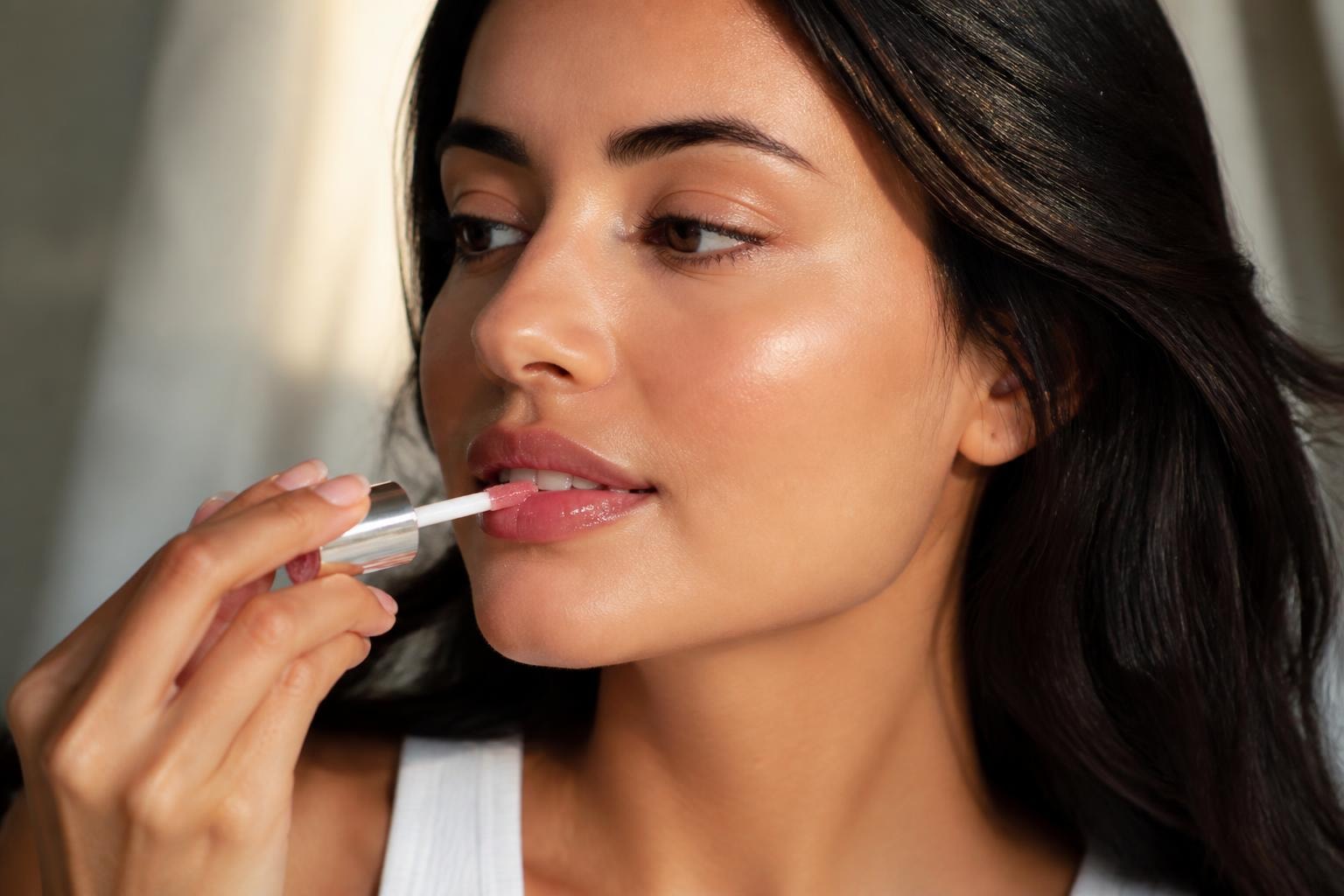
Discover why non-sticky lip oil is the everyday lippie you need. Get hydration, tint, and shine without the mess. Perfect for dry lips.
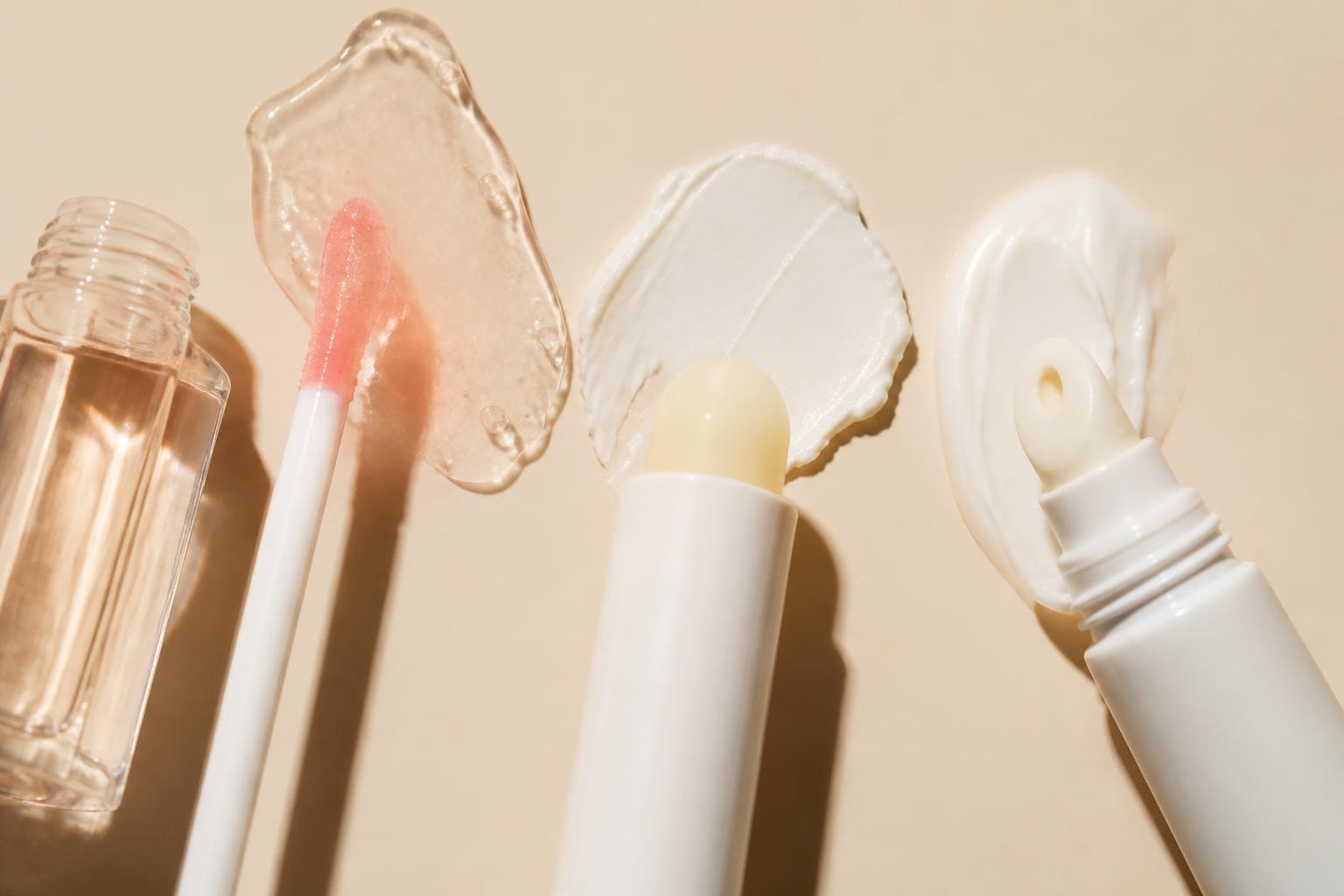
Discover the best rated lip moisturizer options for 2026. Expert picks, ingredient guides, and tips for soft, hydrated lips all year long.