


Balm Labial Guide: Expert Tips for Soft Lips in 2026
Are you constantly searching for relief from dry, uncomfortable lips, no matter the season or skincare products you try? You are not alone. This balm labial guide brings you the most up-to-date, science-backed strategies and expert tips for achieving irresistibly soft lips in 2026.
In this guide, you will uncover the real causes of lip dryness, learn how to select the perfect balm labial for your needs, discover step-by-step care routines, and explore the latest trending ingredients and solutions for every concern.
Get ready to experience year-round softness with practical, easy-to-follow advice that transforms your lip care routine.
Understanding Lip Dryness: Causes & Myths
Dry lips can be a year-round challenge, often resistant to even the best balm labial. To achieve truly soft, healthy lips, it’s essential to understand the unique science behind lip skin and identify the real culprits behind persistent dryness.
The Science of Lip Skin
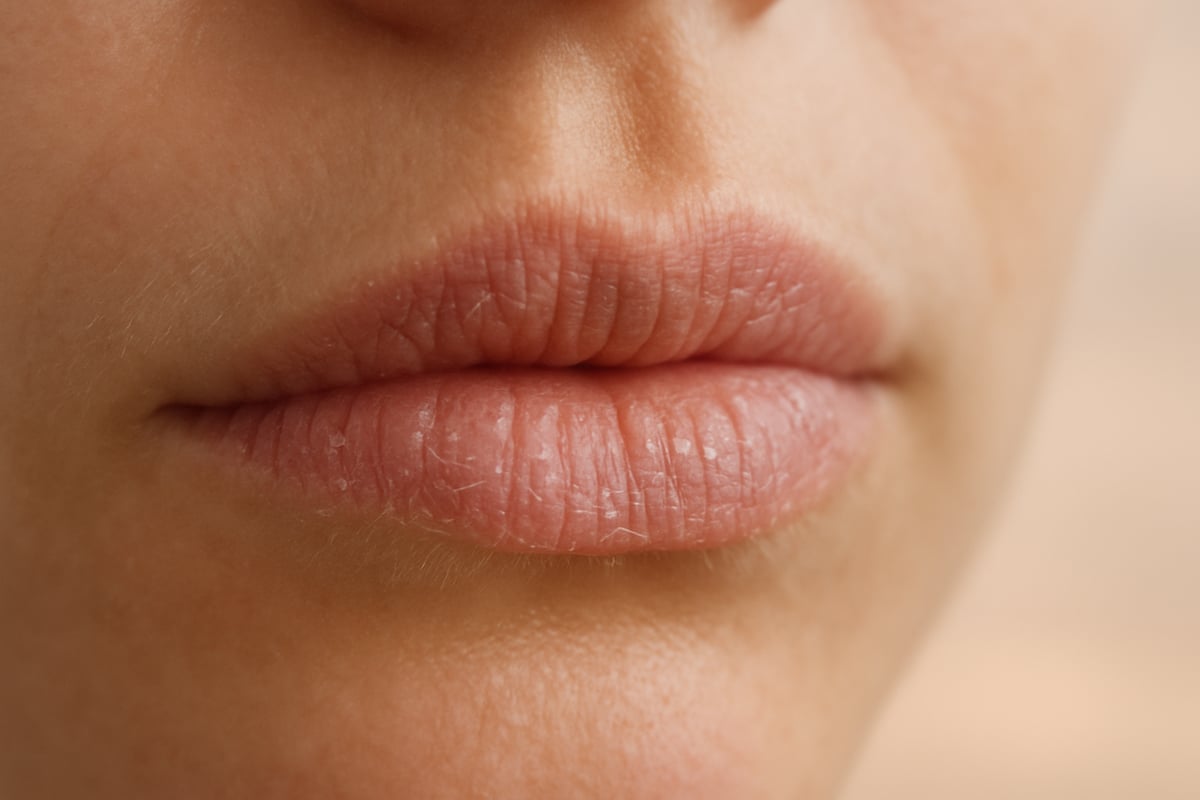
Lip skin is fundamentally different from the rest of your face. Unlike facial skin, lips are thinner, lack oil glands, and have a weaker natural barrier. This makes them highly vulnerable to dryness, especially when you’re not using the right balm labial.
Environmental factors play a significant role. Exposure to wind, sun, cold, and pollution quickly strips moisture from lips. Internally, dehydration, poor nutrition, and hormonal changes, such as menopause or certain medications, can increase lip dryness. For example, post-menopausal women often report noticeably drier lips due to hormonal shifts, as seen in Cleo competitor data.
There are also several myths about lip care. Many believe that simply drinking more water will prevent chapped lips, or that licking your lips provides hydration. In reality, these habits can make dryness worse. The impact of age and lifestyle is substantial too: aging naturally reduces moisture retention, while smoking and chronic stress further compromise lip health.
According to industry studies, 60% of adults experience chronic dry lips at least once a year. For more insights into common misconceptions and expert advice, visit the Expert Lip Care FAQs.
| Factor | External Examples | Internal Examples |
|---|---|---|
| Environment | Wind, sun, pollution | Dehydration, nutrition |
| Lifestyle | Smoking, stress | Hormonal changes, aging |
Triggers and Everyday Habits
Everyday habits and hidden irritants can sabotage your balm labial routine. Harsh cleansers, flavored balms, and products with added fragrance often trigger irritation. Overuse of matte lipsticks and long-wear cosmetics can worsen dryness by continuously stripping the delicate lip barrier.
Swimming in chlorinated water, washing with hot water, or using certain soaps can also dry out your lips. Medications such as antihistamines, oral contraceptives, and antidepressants are known contributors to lip dehydration. People with sensitive skin are especially likely to experience increased irritation from synthetic additives.
Consider the following common triggers:
- Flavored or fragranced balms
- Matte or long-wear makeup
- Exposure to harsh weather or water
- Medications affecting moisture balance
If you notice persistent dryness, your balm labial might not be enough. Sensitive users often report higher irritation from synthetic ingredients, so choosing a gentle, hypoallergenic product is crucial.
Understanding these triggers and adjusting your daily habits allows you to break the cycle of dry lips and achieve the comfort and softness you desire.
Choosing the Right Balm Labial for 2026
Finding the best balm labial can feel overwhelming with so many choices on the market. In 2026, the right formula depends on your unique needs and the latest ingredient science. Let us break down how to pick the perfect balm labial for healthy, hydrated lips all year.
Balm Types & Formulations
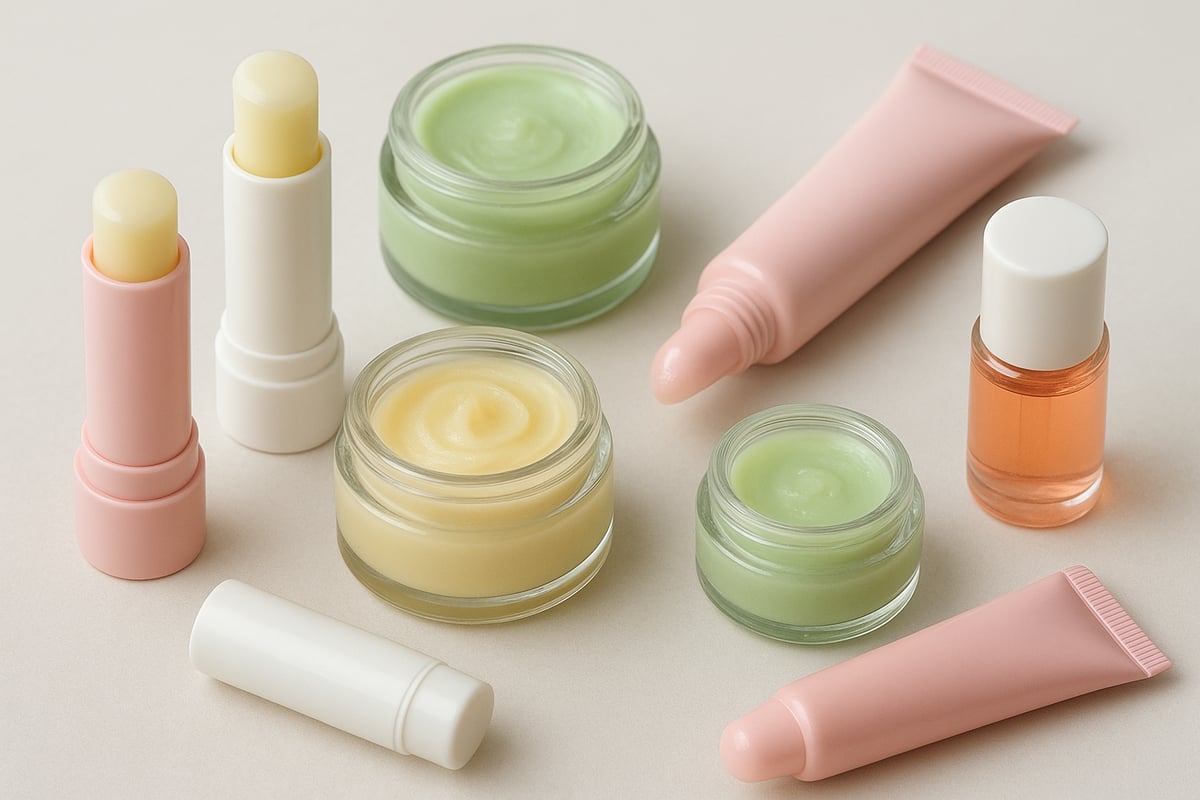
The balm labial market has expanded to include classic balms, ointments, butters, gels, and oils. Each type offers distinct benefits. Classic balms and butters deliver rich emollients, while gels and oils can offer lighter, fast-absorbing hydration. Water-free formulas are gaining popularity for their superior moisture retention and stability. In contrast, water-based balms may feel lighter but can evaporate more quickly, sometimes leaving lips feeling dry sooner.
For those with sensitive lips, vegan, natural, and hypoallergenic balm labial options are now widely available. Many brands focus on matching the natural pH of your lips to support the protective barrier. Avoiding common irritants like beeswax, parabens, and artificial fragrances is crucial, especially for those prone to dryness. Cleo, for instance, skips beeswax to reduce the risk of occlusion and irritation.
Dermatologists now recommend fragrance-free, natural balm labial products for anyone with chronic dryness. An industry survey reveals 80% of skin experts favor these options for consistent results.
Ingredient Deep Dive: What Works Best
A closer look at balm labial ingredients reveals what truly hydrates and protects. Emollients such as shea butter, cocoa butter, and plant oils smooth and soften the lips. Humectants like hyaluronic acid and glycerin attract and retain moisture, making them essential for deep hydration. Occlusives, including petrolatum and lanolin, seal in moisture, but some users may prefer to avoid them due to sensitivities.
Antioxidants such as vitamin E, ceramides, and squalane provide barrier support and help repair damage. In 2026, trending actives include upcycled botanicals, microbiome-friendly compounds, and advanced peptides for enhanced repair. Cleo’s balm labial combines plant butters and hyaluronic acid, resulting in immediate relief for most users.
Surveys show that 97% of individuals report instant improvement when using balm labial with hyaluronic acid. The right ingredient blend is key to lasting softness and resilience.
How to Read Labels & Avoid Greenwashing
Selecting an effective balm labial requires understanding both ingredient lists and marketing claims. Start by distinguishing active ingredients, such as humectants and emollients, from inactive fillers. Be wary of buzzwords such as “natural” or “organic” without certification. Look for trusted seals like vegan, cruelty-free, and hypoallergenic, which offer added assurance.
Red flags include alcohols, menthol, camphor, and phenol, all of which can aggravate dryness. Cleo’s chemical-free, pH-balanced formula stands as a model for prioritizing skin health. For an in-depth look at what each ingredient does, consult a comprehensive Lip Care Ingredient Guide before making your choice.
By decoding labels and choosing thoughtfully, you can confidently select a balm labial that aligns with your needs and values.
Step-by-Step Lip Care Routine for Soft Lips
Achieving and maintaining soft lips requires more than a swipe of balm labial. A thoughtful, stepwise routine can make all the difference, whether your lips are occasionally dry or chronically chapped. Below, discover expert-approved steps for daily care, seasonal adjustments, and advanced solutions for persistent dryness.
Daily Maintenance: Morning & Night
Start your day with clean, nourished lips. Use a gentle, non-stripping cleanser designed for sensitive areas. Avoid harsh soaps that disrupt the lip barrier.
A couple of times a week, consider gentle exfoliation. Opt for a sugar scrub or a mild enzyme peel. Over-exfoliating can worsen dryness, so keep sessions brief and infrequent.
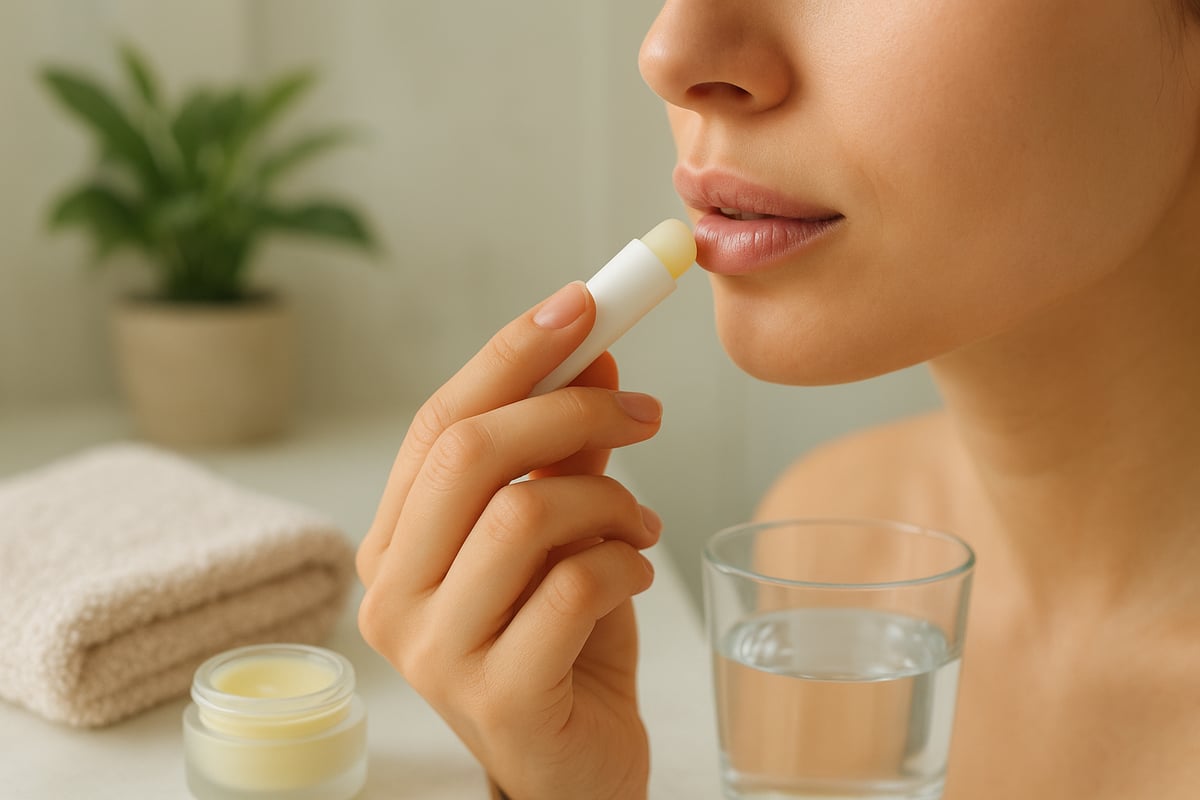
Hydration is the cornerstone of any balm labial routine. In the morning, apply a thin layer of your preferred balm labial. Follow with a lip SPF to shield against UV damage. If you use colored balm labial, layer it after SPF for added protection.
At night, focus on repair. Apply a thicker balm labial or a nourishing overnight mask. This helps lock in moisture while you sleep, supporting the natural renewal process.
- Cleanse lips every morning and night
- Exfoliate gently one to two times weekly
- Apply balm labial before SPF in the morning
- Use a richer balm labial or mask at night
This approach keeps your lips soft, smooth, and ready for any season.
Weekly & Seasonal Adjustments
Every week, treat your lips to something extra. An intensive overnight mask or deep-repair balm labial can help restore softness, especially if you’re exposed to harsh weather or indoor heating.
Adapt your balm labial routine as the seasons shift. In winter, increase hydration and choose protective formulas that shield against wind and cold. During humid months, opt for lighter textures but maintain daily use.
Special situations call for tailored care. If you swim often, reapply balm labial after water exposure to prevent dehydration. For travel, single-use sachets ensure you never miss a step, even on the go.
- Use intensive balm labial treatments weekly
- Adjust balm labial texture for weather conditions
- Reapply balm labial after swimming or outdoor activities
- Keep portable balm labial options for travel
Regularly reassessing your balm labial regimen keeps your lips healthy and comfortable all year long.
Advanced Tips for Persistent Dryness
If you struggle with persistent dryness, it may be time to elevate your balm labial strategy. Signs like deep cracks, bleeding, or infection warrant a visit to a dermatologist. Sometimes, combining balm labial with prescription treatments is necessary for healing.
Nutritional deficiencies, hormonal changes, or certain medications can also contribute to dryness. Addressing these underlying factors is key to long-term relief.
For intensive overnight repair, consider a specialized mask. Products like the Applebutter Lip Mask Benefits offer deep hydration and barrier support for stubborn dryness.
- Seek professional help for chronic or severe symptoms
- Combine balm labial with medical treatments if needed
- Investigate lifestyle or health contributors
Remember, 1 in 5 chronic cases of lip dryness may require medical intervention. By following a comprehensive balm labial routine and seeking expert advice when needed, you can achieve lasting softness and comfort.
Trending Ingredients & Innovations in Lip Care 2026
Staying updated with the latest innovations in lip care is vital for anyone seeking the best balm labial solution. The year 2026 brings a wave of science-driven ingredients and sustainable practices that redefine what effective, conscious lip care means.
Science-Backed New Actives
The advancement of active ingredients has transformed how balm labial formulas deliver moisture and repair. Micro-encapsulated hyaluronic acid is leading the charge, providing deeper hydration by penetrating the delicate lip layers. Plant-based ceramides and peptides are now commonly used to reinforce the natural barrier, supporting long-term softness and resilience.
Prebiotic and probiotic complexes are also trending, as they help maintain a healthy lip microbiome. This balance supports natural defenses, making balm labial more effective against dryness and irritation. Brands such as Cleo focus on upcycled botanicals, using ingredients sourced from byproducts to minimize waste and maximize efficacy.
A table highlighting these innovative ingredients:
| Ingredient Type | Example Actives | Key Benefits |
|---|---|---|
| Humectants | Hyaluronic Acid | Deep hydration, plumpness |
| Barrier Boosters | Ceramides, Peptides | Repair, strengthen, protect |
| Microbiome Support | Prebiotics, Probiotics | Balance, soothe, defend |
| Upcycled Botanicals | Plant Butters, Oils | Sustainable, nourishing |
Balm labial formulas in 2026 are designed to address both immediate dryness and long-term lip health.
Clean Beauty & Sustainability
Eco-conscious consumers are driving the clean beauty movement, and balm labial products are at the forefront. Vegan and cruelty-free certifications are no longer optional but expected. Many brands are adopting zero-waste packaging, such as refillable tins and compostable tubes, to reduce environmental impact.
Waterless formulations are another innovation, providing concentrated hydration without unnecessary fillers. This approach enhances both efficacy and sustainability in balm labial routines. Locally sourced and upcycled plant ingredients, like those found in K-beauty leaders, are becoming standard, reflecting a shift toward ethical production.
If you are seeking options that combine hydration with sustainability, explore the Hydrating Lip Treatments Collection for balm labial products that align with these trends.
Market research shows that 65% of consumers now prefer sustainable lip care, making clean beauty a defining factor in the industry. Balm labial that meets these standards not only protects your lips but also the planet.
SPF and Multi-Benefit Balms
Protecting lips from UV damage is essential. In 2026, balm labial products increasingly include SPF to shield against harmful rays. This added protection helps prevent premature aging and pigmentation, especially for those who spend time outdoors.
Multi-benefit balms are also surging in popularity. These products combine hydration, barrier repair, sun protection, and even a hint of color, offering a streamlined solution for busy lifestyles. Balm-lipstick hybrids are particularly favored for their convenience and versatility.
When selecting a balm labial, look for products that provide broad-spectrum SPF and combine nourishing ingredients with protective benefits. This ensures your lips stay soft, healthy, and resilient throughout the year.
Special Considerations: Sensitive, Aging, and Problematic Lips
Struggling with sensitive, aging, or persistently problematic lips? Selecting the right balm labial and routine is essential for comfort and long-term lip health. This section addresses the unique challenges faced by those with delicate or changing skin and offers expert-backed solutions for every stage of life.
Sensitive Skin Solutions
For those with sensitive lips, even minor irritants can cause discomfort or flare-ups. Common triggers include fragrances, alcohol, menthol, and certain synthetic additives often found in conventional lip products. Choosing a hypoallergenic balm labial, free of harsh chemicals, is critical for minimizing reactions.
Dermatologist-tested balms, especially those formulated without parabens or artificial colors, offer a gentler alternative. Many users with post-menopausal skin, those recovering from cancer therapy, or individuals on medications report increased sensitivity. Testimonials highlight success stories with balms like Cleo, praised for its chemical-free, pH-balanced formula. For more expert advice on selecting the best formulas for your needs, consult Dermatologist-Recommended Lip Balm Options.
If you have experienced stinging or redness after trying new products, always check ingredient lists carefully. Consistency in using a suitable balm labial can make a significant difference for sensitive lips.
Lip Care for Different Life Stages
Lips change throughout life, and so do their care requirements. Children and teens often need mild, fragrance-free balms to avoid irritation. Adults may notice increased dryness from environmental exposure or lifestyle habits. Seniors face additional challenges, as aging skin loses moisture and elasticity, making a nourishing balm labial essential.
Hormonal changes, such as those during puberty, pregnancy, or menopause, can also impact lip hydration and sensitivity. Certain medications, including antihistamines and oral contraceptives, may contribute to dryness or chapping.
Cleo balm labial is designed to be gentle and effective for all ages, addressing the evolving needs of each life stage. Whether you are navigating hormonal shifts or simply seeking a daily solution for your family, selecting the right formula supports healthy, comfortable lips at every age.
Addressing Persistent Issues
Some individuals face chronic lip concerns, such as constant chapping, angular cheilitis, or allergic reactions. For these cases, integrating a targeted balm labial with medical treatments may be necessary.
| Lip Issue | Possible Triggers | Solution Approach |
|---|---|---|
| Chronic Chapping | Dehydration, weather | Hydrating balm labial, SPF |
| Angular Cheilitis | Infection, dryness | Medical care, barrier balm |
| Allergic Reaction | Additives, flavors | Hypoallergenic balm labial |
Persistent cracks, bleeding, or infections are signs to consult a healthcare provider, especially if standard care is not effective. Addressing underlying health factors, such as vitamin deficiencies or hormonal imbalances, can also improve results.
A consistent routine, with a high-quality balm labial and professional guidance when needed, ensures long-term lip comfort and resilience.
Expert Tips & Pro Routines for Lasting Results
Achieving and maintaining irresistibly soft lips is more than a matter of luck. It requires a dedicated approach, expert-backed routines, and the right balm labial for your unique needs. By following proven habits and professional strategies, you can enjoy healthy, hydrated lips all year round.
Dermatologist-Recommended Habits
Dermatologists emphasize that consistency is key when it comes to lip care. Begin each morning and evening by applying a generous layer of balm labial, especially after cleansing your face. This habit locks in moisture and protects the delicate skin on your lips from environmental stressors.
Layering is another professional secret. Start with a hydrating balm labial, then add a lip SPF if you will be exposed to sunlight. For those who enjoy color, apply a nourishing tinted product as the final step. This approach ensures both protection and a polished look.
Avoid common mistakes like licking or picking at your lips. These habits strip away natural oils and can worsen dryness. Instead, focus on hydration from within by drinking water throughout the day and incorporating nutrient-rich foods. Omega-3s, vitamins B and E, and plenty of vegetables all support lip health.
If you are seeking more in-depth guidance, the Expert Guide to Lip Care offers detailed advice on maintaining optimal lip skin, including the science behind effective routines.
Pro Tricks for Enhanced Softness
Taking your balm labial routine to the next level involves a few targeted strategies. Weekly lip masks provide a surge of moisture, especially when paired with gentle exfoliation. Use a sugar scrub or enzyme peel once a week, then follow with a rich balm labial to seal in hydration.
For extreme dryness, overnight repair routines are invaluable. Apply a thick layer of balm labial or a dedicated lip mask before bed to encourage deep repair while you sleep. This method helps restore barrier function and keeps lips plump.
Combining exfoliation with intensive hydration is a favorite among professionals. However, never over-exfoliate, as this can cause irritation. Industry experts recommend exfoliating only once per week, immediately followed by a nourishing balm labial for best results.
For more expert-approved methods and product recommendations, visit the Best Lip Treatment for Dry Lips to explore advanced techniques and DIY treatments.
Real-World Case Studies & Testimonials
Success stories highlight the transformative power of a dedicated balm labial regimen. Many users report visible improvements in texture and comfort within days of adopting expert routines. Before-and-after comparisons reveal smoother, more resilient lips and a significant reduction in flaking.
User testimonials consistently note that sticking to a professional routine with balm labial increases satisfaction and confidence. Industry data shows that 97% of individuals who follow these expert tips experience lasting softness and hydration.
If persistent dryness occurs despite these efforts, consult a dermatologist. Chronic issues may signal underlying health concerns that require medical attention. By combining professional guidance with daily balm labial care, you can achieve the soft, healthy lips you desire.
The Rise of Vegan & K-Beauty Lip Care: Spotlight on Nooni
K-beauty has transformed the global approach to lip care, setting new standards for hydration, clean ingredients, and eco-conscious innovation. In 2026, these trends are reshaping the balm labial market, offering consumers plant-powered solutions that deliver both results and sustainability.
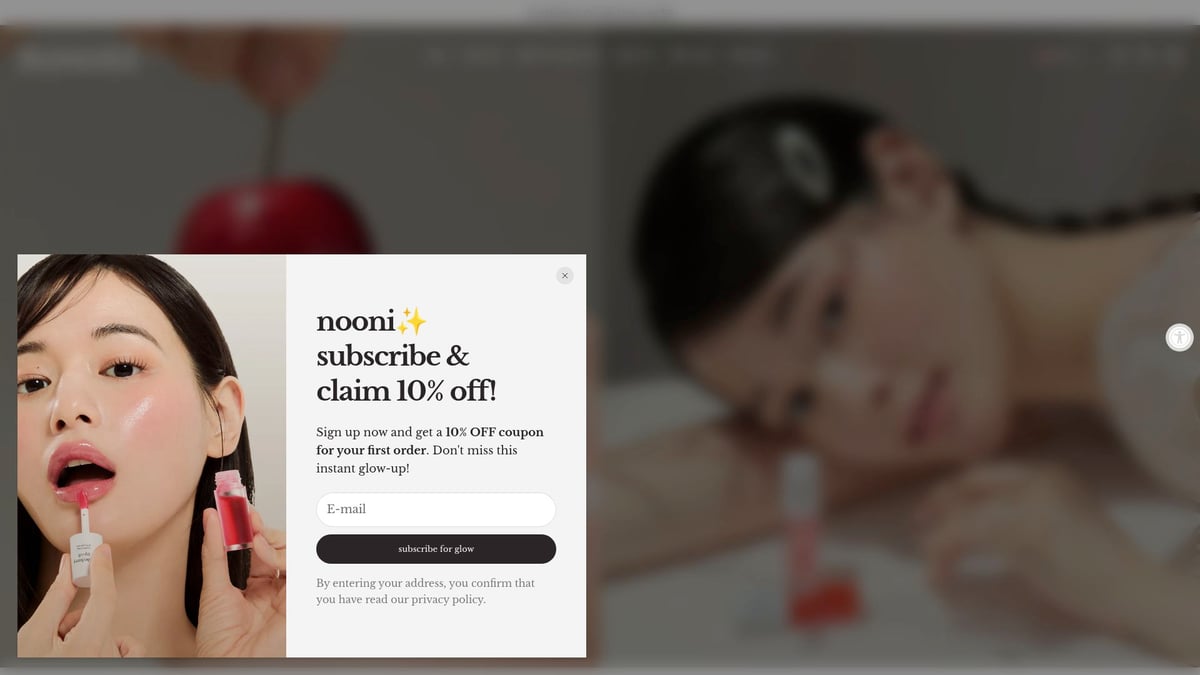
Nooni stands out as a leading balm labial brand, bringing together K-beauty principles and vegan formulas. Their collection features 13 shade lip oils, each crafted with upcycled ingredients to minimize environmental impact. This commitment to sustainability resonates with the growing number of consumers seeking eco-friendly options for their daily balm labial routine.
Unlike traditional balm labial products, lip oils provide a deeper level of hydration and nourishment. The lightweight, non-sticky texture delivers a glossy finish while simultaneously softening and protecting the delicate lip skin. Nooni’s clinically proven results show that 97% of users experience immediate improvement in lip softness and comfort after application.
Here’s a quick comparison of lip oils versus traditional balm labial:
| Feature | Lip Oils (e.g., Nooni) | Traditional Balm Labial |
|---|---|---|
| Hydration Depth | Deep, long-lasting | Surface-level, temporary |
| Finish | Glossy, radiant | Matte or semi-matte |
| Ingredients | Plant-based, upcycled | Varies, may include waxes |
| User Experience | Lightweight, non-sticky | Can feel heavy or waxy |
Nooni’s balm labial range appeals to a global audience, offering something for everyone. Whether you prefer everyday hydration or a pop of color, their sets and bundles make it easy to customize your lip care and find the perfect gift for any occasion. The Applepeony and Appleginseng lip oils are among the most popular choices, earning praise for their innovative formulas and visible results.
Consumer interest in vegan and sustainable balm labial continues to climb, with 65% of shoppers now prioritizing clean beauty and eco-friendly packaging when selecting lip products. Nooni’s leadership in this space highlights the future of lip care, where high performance meets conscious choices.
Article written using RankPill.