



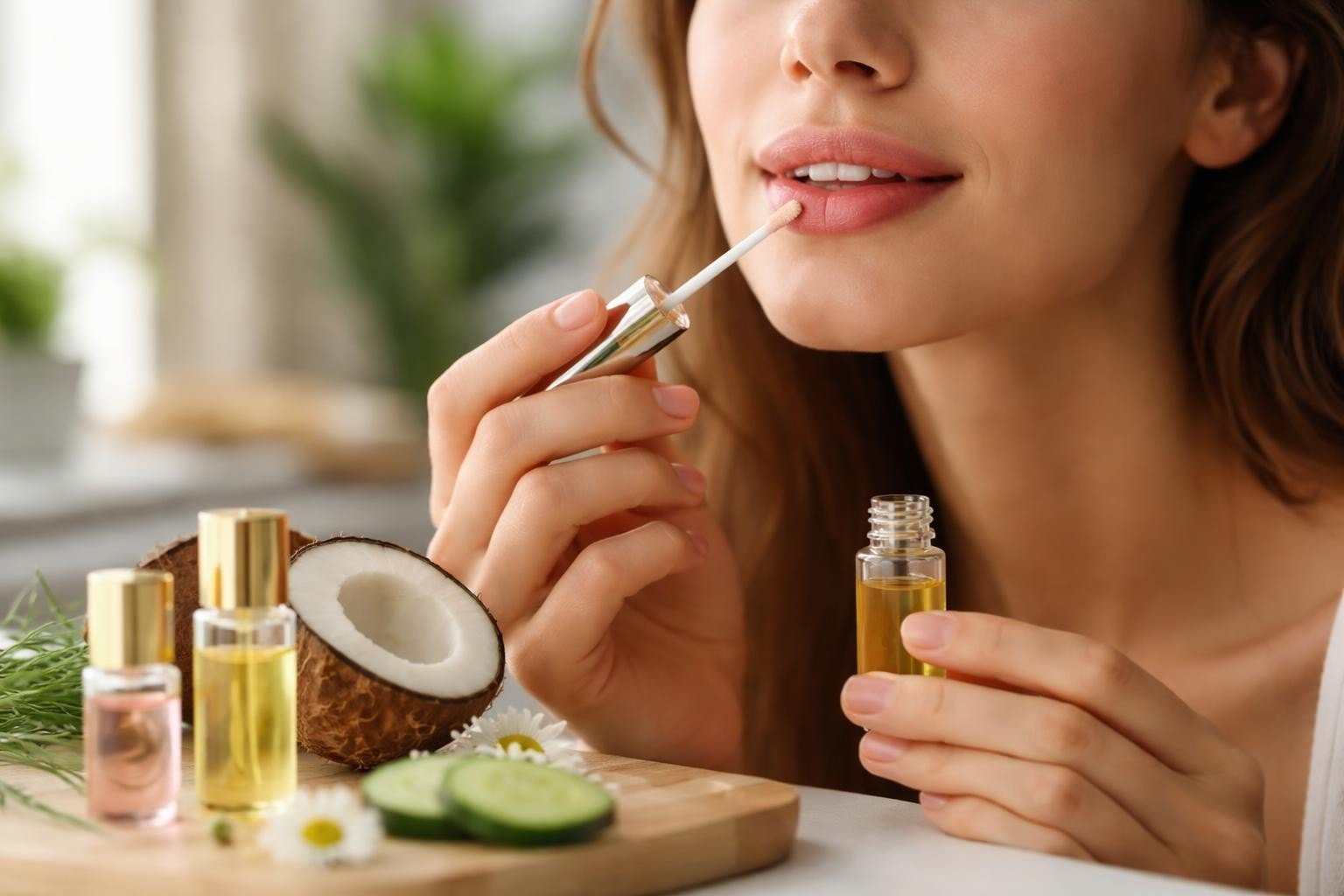
Why Are My Lips Always Dry? Causes & Solutions 2026
If you find yourself constantly wondering why are my lips always dry, you're not alone. Millions of people struggle with persistent lip dryness that seems to return no matter how much balm they apply. Your lips are uniquely vulnerable because they lack oil glands and have thinner skin than the rest of your body. Understanding the root causes of chronic lip dryness is the first step toward finding lasting relief and achieving the soft, hydrated lips you deserve.
Environmental Factors That Steal Moisture
Weather conditions play a significant role in lip health, especially during extreme seasons. Cold winter air combined with indoor heating creates a moisture-depleting environment that leaves lips cracked and uncomfortable.
Temperature and Humidity Changes
Your lips respond dramatically to environmental shifts. Low humidity levels pull moisture from your skin, while harsh winds create physical damage to the delicate lip surface.
- Winter cold reduces natural moisture retention
- Indoor heating systems decrease air humidity
- Summer sun exposure damages protective lip layers
- Air conditioning creates artificially dry environments
When you ask yourself why are my lips always dry during certain seasons, temperature fluctuations are likely a primary culprit. The common causes of dry lips often trace back to environmental stressors that require proactive protection.
Sun Damage and UV Exposure
Many people forget that lips need sun protection just like other exposed skin. UV radiation breaks down collagen and damages the thin lip tissue, leading to chronic dryness and premature aging.
Protection strategies include:
- Applying lip products with SPF protection daily
- Reapplying throughout sun exposure
- Seeking shade during peak UV hours
- Using wide-brimmed hats for additional coverage

Dehydration and Internal Moisture Balance
Your body's overall hydration status directly affects lip moisture. When you don't consume enough water, your lips are among the first areas to show visible signs of dehydration.
Daily Water Intake Requirements
The relationship between hydration and lip health is straightforward yet often overlooked. Your lips contain no oil glands to produce natural moisture, making them entirely dependent on internal hydration and external protection.
| Hydration Level | Daily Water Intake | Lip Condition |
|---|---|---|
| Optimal | 8-10 glasses | Soft, supple |
| Moderate | 4-6 glasses | Slightly dry |
| Poor | Less than 4 | Severely chapped |
Beyond plain water, your moisture intake includes herbal teas, fruits, and vegetables with high water content. When evaluating why are my lips always dry, tracking your daily fluid consumption often reveals surprising gaps.
Recognizing Dehydration Symptoms
Chronic lip dryness may signal broader dehydration issues. Other symptoms include dark urine, fatigue, dizziness, and decreased skin elasticity.
Your body prioritizes vital organs when distributing available moisture, leaving peripheral areas like lips vulnerable. This biological fact explains why chapped lips often appear alongside other dehydration symptoms.
Nutritional Deficiencies That Affect Lip Health
The connection between diet and lip condition is stronger than most realize. Specific vitamin and mineral deficiencies manifest as persistent dryness, cracking, and inflammation.
Essential Vitamins for Lip Moisture
B vitamins, particularly B2 (riboflavin), B3 (niacin), and B6, play crucial roles in maintaining healthy skin tissue. Iron deficiency can also contribute to chronically dry, cracked lips.
Key nutrients for lip health:
- Vitamin B2: Supports cell turnover and tissue repair
- Vitamin B6: Maintains skin barrier function
- Iron: Ensures proper oxygen delivery to tissues
- Vitamin E: Provides antioxidant protection
- Omega-3 fatty acids: Reduce inflammation and support moisture retention
Research shows that vitamin deficiencies and chapped lips are closely linked, with certain populations at higher risk for nutritional gaps.
Dietary Sources for Lip Nourishment
Incorporating nutrient-rich foods creates internal support for external lip care. Whole grains, leafy greens, nuts, seeds, and fatty fish provide essential building blocks for healthy lip tissue.
Consider adding these foods to your daily routine: spinach, almonds, salmon, eggs, and fortified cereals. When combined with proper topical care like dry lip therapy, nutritional support creates comprehensive healing.
Behavioral Habits That Worsen Dryness
Unconscious behaviors often perpetuate the cycle of lip dryness. Breaking these habits is essential for long-term improvement.
Lip Licking and Moisture Loss
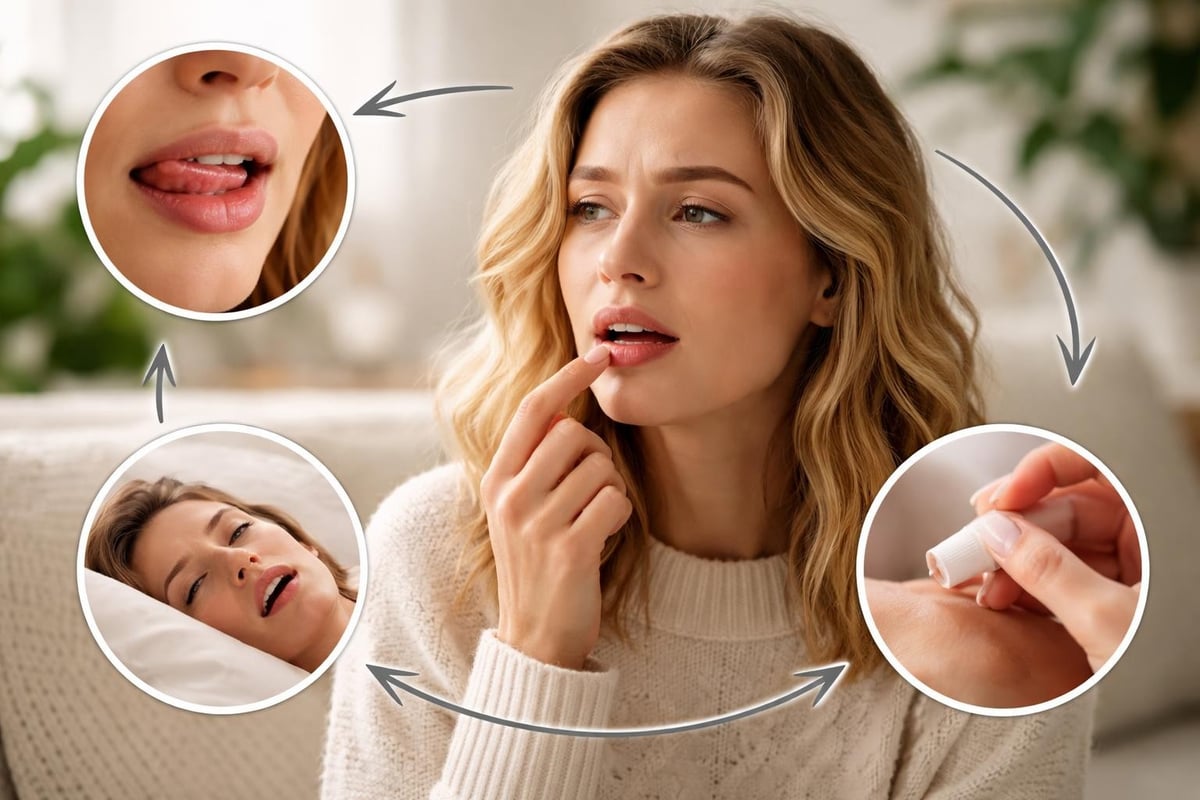
The irony of lip licking is that it provides temporary relief while worsening long-term dryness. Saliva contains digestive enzymes that break down the protective lip barrier, accelerating moisture loss.
Each time you lick your lips, you remove natural oils and create a cycle of dependency. The moisture evaporates quickly, leaving lips drier than before and triggering another lick.
Mouth Breathing Consequences
Breathing through your mouth rather than your nose exposes lips to constant airflow. This continuous air exposure strips moisture and prevents the natural healing that occurs during nose breathing.
Common causes of mouth breathing:
- Nasal congestion from allergies or colds
- Deviated septum or structural issues
- Sleep apnea or snoring habits
- Exercise-induced breathing patterns
Addressing the underlying cause while protecting lips with nourishing products helps break this damaging pattern. Understanding why are my lips always dry often involves examining these automatic behaviors.
Product Ingredients That Cause Irritation
Not all lip care products are created equal. Some ingredients marketed as beneficial actually contribute to chronic dryness and irritation.
Problematic Components to Avoid
Certain common ingredients strip natural oils or trigger allergic reactions. Camphor, menthol, and phenol create a cooling sensation but can irritate sensitive lip tissue.
| Ingredient | Effect | Alternative |
|---|---|---|
| Camphor | Drying, irritating | Natural fruit extracts |
| Menthol | Temporary relief, long-term dryness | Vitamin E |
| Fragrance | Allergic reactions | Unscented formulas |
| Salicylic acid | Over-exfoliation | Gentle plant oils |
Flavored products often contain synthetic additives that worsen dryness. When questioning why are my lips always dry despite regular balm use, examine your product ingredient lists carefully.
Choosing Nourishing Formulations
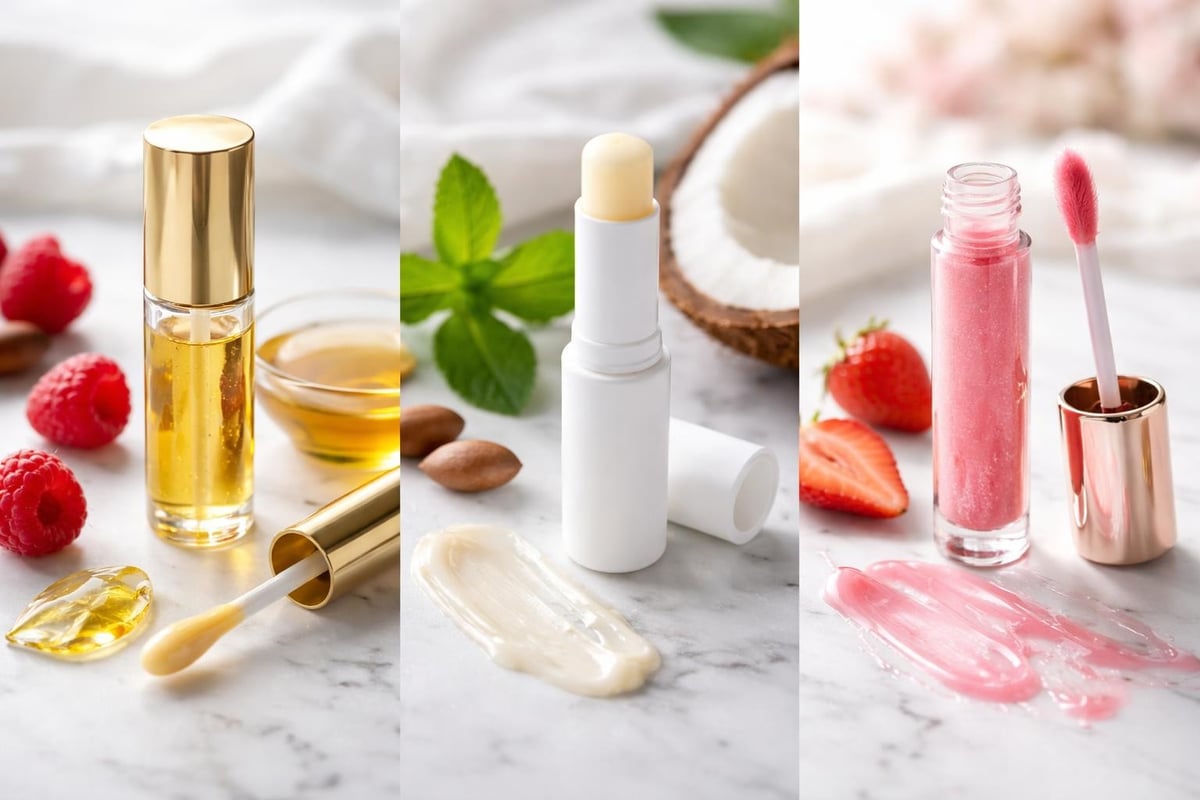
Modern K-beauty solutions prioritize gentle, plant-based ingredients that work with your skin's natural processes. Non-sticky lip oil formulations provide deep hydration without the heavy, waxy feeling of traditional balms.
Lip oils differ significantly from glosses. While both provide shine, lip oil for dry lips delivers actual nourishment through lightweight botanical oils that penetrate rather than sit on the surface. This distinction matters when comparing lip oil vs lip gloss for therapeutic purposes.
The American Academy of Dermatology recommends choosing products with healing ingredients like shea butter, ceramides, and natural oils rather than synthetic fragrances or potential irritants.
Medical Conditions and Lip Dryness
Sometimes persistent dryness signals underlying health issues that require professional attention. Recognizing when dry lips indicate a larger problem helps you seek appropriate treatment.
Allergic Reactions and Contact Dermatitis
Allergies to dental products, cosmetics, foods, or medications can manifest as chronic lip dryness. Contact dermatitis creates inflammation, peeling, and sometimes burning sensations.
Common allergens include nickel in lipstick tubes, cinnamon flavoring, preservatives, and certain sunscreen ingredients. Identifying and eliminating the trigger is essential for healing.
Systemic Health Conditions
Autoimmune disorders, diabetes, and thyroid conditions can affect moisture levels throughout your body, including your lips. Sjögren's syndrome specifically targets moisture-producing glands, causing severe dryness.
Health conditions linked to chronic lip dryness:
- Diabetes and blood sugar imbalances
- Thyroid disorders affecting metabolism
- Autoimmune conditions like lupus
- Vitamin absorption issues
- Medication side effects
If you've tried multiple remedies and still wonder why are my lips always dry, consulting a healthcare provider helps rule out underlying conditions. Professional evaluation may reveal issues requiring medical treatment beyond topical care.
The Role of Lip Care Products in Prevention
Selecting the right lip care products transforms your routine from temporary relief to lasting protection. Understanding product types and their specific functions helps you build an effective regimen.
Understanding Lip Oil Benefits
Lip oil represents an evolution in lip care, combining the hydration of treatment products with the aesthetic appeal of cosmetics. This 2-in-1 function makes it both practical and beautiful.
Unlike traditional balms that can feel heavy or glosses that offer only surface shine, non-sticky lip oil penetrates deeply while leaving a silky, comfortable texture. The lightweight formula absorbs quickly, delivering nourishment without the waxy residue.
Key benefits of quality lip oils:
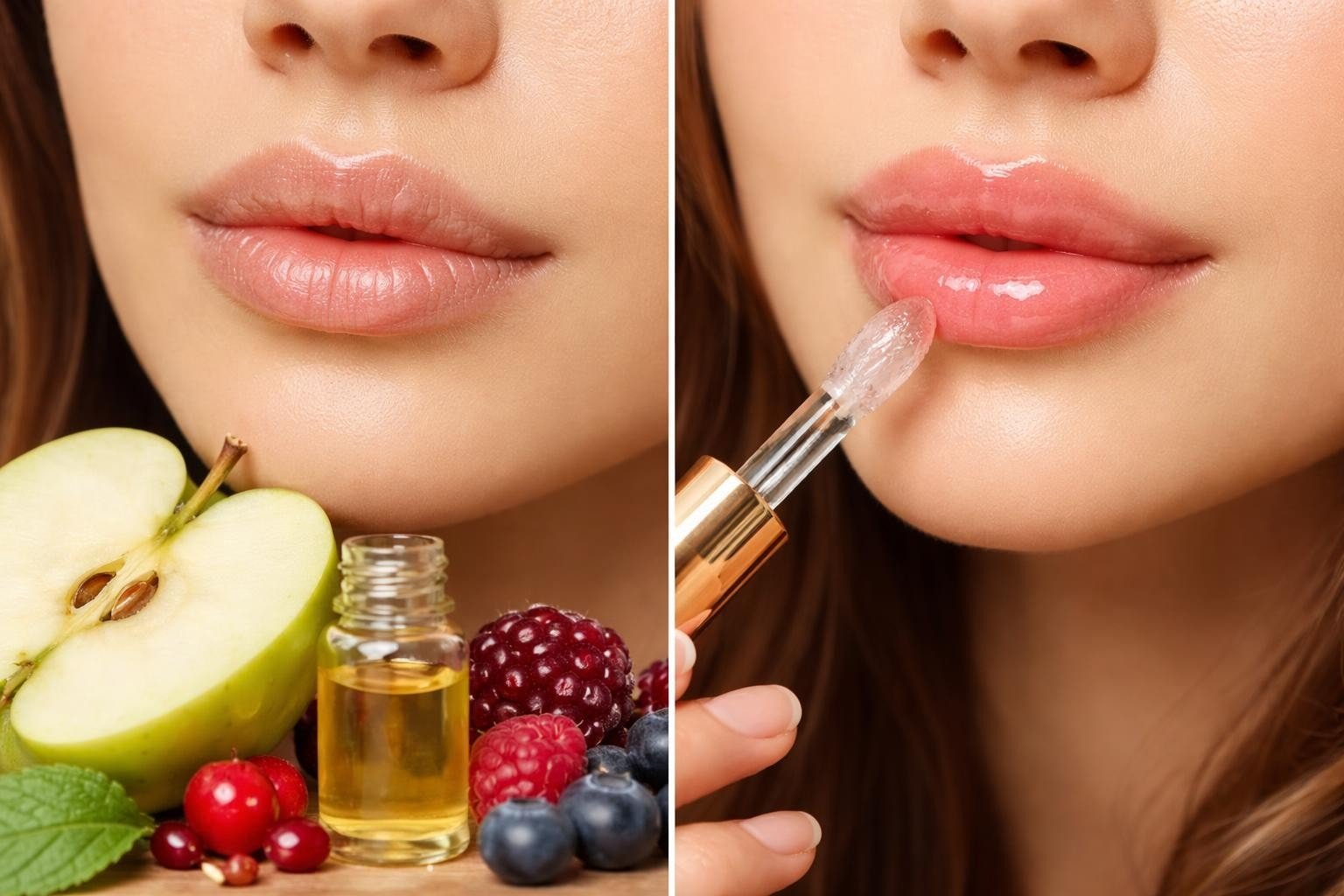
- Deep hydration: Natural oils like Apple Seed Oil penetrate lip tissue
- Non-sticky texture: Silky application without heavy residue
- Long-lasting tint: Subtle color that enhances natural lip tone
- Plumping effect: Hydration creates fuller-looking lips
- Dual purpose: Functions as both treatment and tint
Products featuring fruit extracts provide antioxidant protection while maintaining vegan and cruelty-free standards. This ethical approach aligns with modern consumer values without compromising effectiveness.
Building a Comprehensive Lip Care Routine
Consistency matters more than occasional intensive treatment. A daily routine prevents dryness before it starts rather than reacting to damage.
Morning routine:
- Gently exfoliate if needed (no more than twice weekly)
- Apply hydrating lip oil with SPF protection
- Reapply throughout the day, especially before sun exposure
Evening routine:
- Remove all makeup and products thoroughly
- Apply moisturizing lip treatment before bed
- Allow overnight absorption for maximum benefit
The best recommended lip balm options focus on barrier repair and moisture retention rather than temporary cosmetic fixes.
Seasonal Adjustments for Optimal Lip Health
Your lip care needs change throughout the year. Adapting your routine to seasonal challenges prevents the recurring dryness cycle.
Winter Protection Strategies
Cold weather demands richer formulations and more frequent application. Wind and heating systems create a perfect storm of moisture depletion.
Layer your protection by starting with a nourishing oil base, then adding a protective balm for outdoor activities. This combination creates both internal hydration and external barrier protection.
Summer Care Considerations
Heat and sun exposure require UV protection as your primary defense. Many people neglect lip SPF, leading to cumulative damage that manifests as chronic dryness.
Choose products that combine sun protection with hydration. Reapply every two hours during extended outdoor exposure, just as you would with facial sunscreen.
| Season | Primary Challenge | Key Product Feature |
|---|---|---|
| Winter | Cold, dry air | Rich, occlusive formulas |
| Spring | Allergen exposure | Soothing, anti-inflammatory |
| Summer | UV damage | SPF protection |
| Fall | Temperature shifts | Adaptable hydration |
Understanding why are my lips always dry in specific seasons helps you anticipate needs and adjust your routine proactively.
Hydration Enhancement Through Lifestyle Changes
Product application alone cannot solve chronic dryness. Lifestyle modifications create the foundation for healthy, comfortable lips.
Indoor Air Quality Improvements
Humidifiers counteract the drying effects of heating and air conditioning systems. Maintaining indoor humidity between 30-50% supports skin moisture throughout your body.
Position humidifiers in bedrooms for overnight benefit when your body naturally repairs and regenerates tissue. This simple addition often dramatically improves morning lip condition.
Sleep and Recovery Optimization
Quality sleep allows your body to focus on repair processes. During deep sleep stages, blood flow increases to the skin, delivering nutrients and removing waste products.
Sleep hygiene for lip health:
- Maintain consistent sleep schedule
- Keep bedroom temperature moderate
- Use breathable bedding materials
- Apply intensive lip treatment before bed
- Avoid mouth breathing with proper pillow positioning
These foundational habits support all other lip care efforts, creating conditions for natural healing and moisture retention.
Natural Remedies and DIY Solutions
While commercial products offer convenience and tested formulations, natural approaches provide accessible alternatives. Understanding both options empowers informed choices.
Plant-Based Ingredients That Work
Coconut oil, shea butter, and jojoba oil have proven moisturizing properties backed by both traditional use and modern research. These ingredients closely mimic natural skin oils, allowing easy absorption.
Effective natural ingredients:
- Coconut oil for antibacterial protection
- Shea butter for intensive moisture
- Jojoba oil for texture improvement
- Aloe vera for soothing inflammation
- Honey for antibacterial healing
When considering why are my lips always dry despite trying natural remedies, remember that quality and purity matter. Cold-pressed, organic options provide maximum benefit without additives that may irritate.
When to Choose Professional Formulations
Commercial lip care products undergo testing for safety, stability, and efficacy. Professional formulations offer precise ingredient ratios and consistent results.
K-beauty innovations combine traditional botanical knowledge with modern science. The Applecherry Lip Oil exemplifies this approach, featuring locally sourced Korean ingredients in a vegan, cruelty-free formula designed for maximum absorption and lasting hydration.
Long-Term Solutions for Chronic Dryness
Addressing persistent lip dryness requires patience and consistency. Quick fixes provide temporary relief, but lasting improvement comes from comprehensive approach.
Identifying Your Specific Triggers
Keep a journal tracking when dryness worsens and potential contributing factors. Note weather conditions, products used, foods consumed, stress levels, and hydration habits.
Patterns emerge over several weeks, revealing your unique triggers. This personalized information guides targeted solutions rather than generic approaches that may not address your specific needs.
Creating Sustainable Habits
Small, consistent actions outperform sporadic intensive treatments. Build lip care into existing routines rather than treating it as a separate task.
Habit stacking examples:
- Apply lip oil while waiting for morning coffee
- Reapply after each meal and tooth brushing
- Keep product in visible locations as reminders
- Pair application with other self-care activities
The question of why are my lips always dry often has multiple answers requiring layered solutions. Persistence with proper techniques yields gradual but lasting improvement.
Advanced Treatment Options
When standard care proves insufficient, advanced approaches offer additional support. These interventions address specific challenges beyond basic moisturization.
Professional Dermatological Treatments
Dermatologists can prescribe medicated ointments for severe cases or when infection complicates healing. Prescription-strength formulations contain higher concentrations of active ingredients than over-the-counter options.
Professional evaluation also identifies conditions like angular cheilitis, which requires targeted antimicrobial treatment rather than simple moisturization.
Integrating Multiple Approaches
Comprehensive care combines external products, internal nutrition, environmental modifications, and behavioral changes. No single intervention addresses all contributing factors to chronic dryness.
This integrated approach mirrors the philosophy behind quality lip care brands. Products formulated with multiple beneficial ingredients provide more complete support than single-component solutions. Nourishing lip oil formulations deliver plant-based hydration, antioxidant protection, and aesthetic enhancement simultaneously.
Understanding why are my lips always dry empowers you to take targeted action. The journey from chronic discomfort to lasting hydration involves education, experimentation, and commitment to consistent care practices that honor your unique needs.
Persistent lip dryness stems from multiple interconnected factors including environmental exposure, hydration status, nutrition, behaviors, and product choices. By addressing these elements comprehensively through lifestyle adjustments and quality lip care products, you can achieve lasting comfort and protection. When you're ready to experience the difference that thoughtfully formulated, plant-based lip care makes, explore how nooni combines Korean botanical ingredients with modern science to deliver deep, lasting hydration in a non-sticky, beautifully tinted formula that nourishes while it enhances.
Read more
Discover proven methods to fix dry lips overnight with hydrating treatments, gentle care routines, and nourishing lip oils for smooth, healthy lips.
Discover the top vegan lip oil benefits, from non-sticky hydration to natural plumping effects. Learn why K-beauty lip oils outperform gloss.