




Should You Wash Your Face After Crying?
No, you do not always need to wash your face after crying. If your face is bare and it is not time for your usual cleanse, gently blotting tears with a clean tissue or rinsing with lukewarm water may be enough. A gentle cleanse makes more sense when tears have mixed with makeup, sunscreen, or other products, or when you are already getting ready for bed.
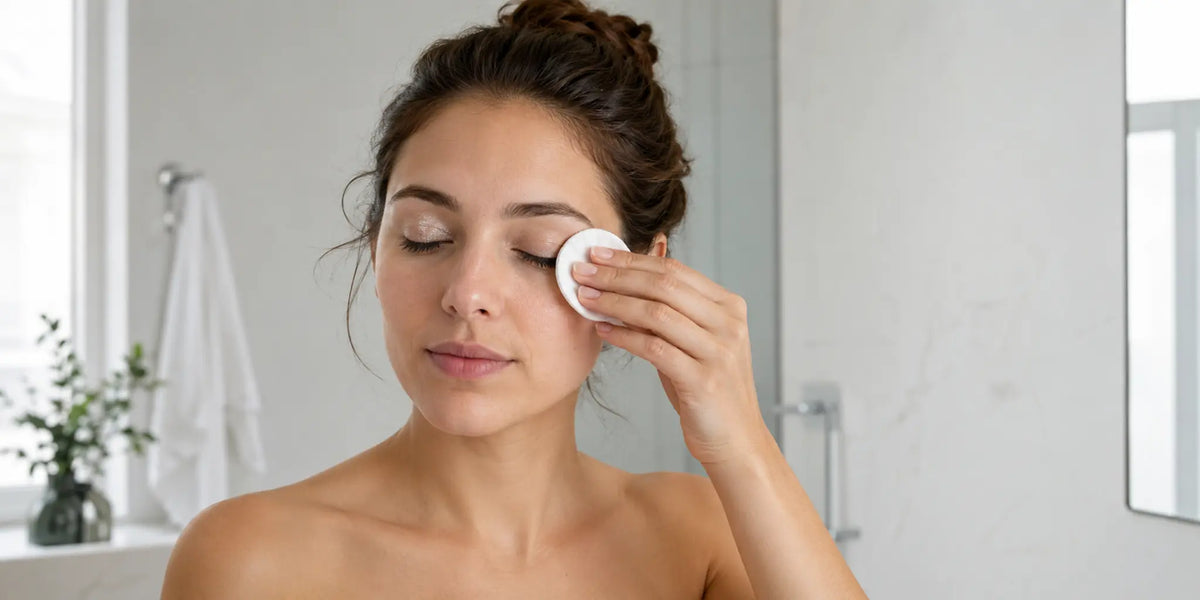
The most important move is to avoid rubbing the eye area. Tears, tissues, and runny mascara can make you want to scrub, but the skin around your eyes is delicate. Clean hands, light pressure, and a simple routine are a calmer approach.
Key Takeaways
- A full cleanse is optional after crying unless makeup, sunscreen, or visible residue needs to come off.
- Blot instead of rubbing, and wash your hands before touching your eyelids or face.
- Use lukewarm water and a gentle, nonabrasive cleanser when you do wash.
- A cool compress can feel soothing on puffy eyelids, but use light pressure and keep skincare out of your eyes.
Why Your Face Can Feel Different After Crying
Crying can leave the eye area wet, puffy, or temporarily uncomfortable. According to Cleveland Clinic, fluid can collect around the eyes after crying, and the puffiness usually settles with time. A cool compress used gently for about 10 minutes may feel more comfortable.
The sensation on your cheeks can also come from what tears pick up on the way down. Eye makeup may streak, complexion products may shift, and repeated wiping can create friction. That does not mean everyone needs an extra full-face wash. It means your next step should match what is actually on your skin.
This question is especially timely as deliberately smudged, tear-streaked “Cry Baby” makeup appeared in beauty coverage on August 24, 2026. Whether the streaks are intentional or not, safe removal still comes down to clean hands, gentle technique, and keeping cosmetics out of the eyes.

Do You Need a Cleanser? Use This Quick Check
| What you notice | A practical next step |
|---|---|
| Bare skin with only a few tear tracks | Blot gently with a clean tissue, or rinse with lukewarm water if that feels better. |
| Runny mascara, eyeliner, complexion makeup, or sunscreen | Remove the residue gently, then rinse thoroughly. Avoid tugging at lashes or eyelids. |
| It is already your evening routine | Do your normal gentle cleanse rather than adding a separate extra wash. |
| Eye pain, a vision change, or discomfort that does not settle | Stop using eye-area cosmetics and contact a qualified healthcare professional. |
The American Academy of Dermatology recommends a gentle, nonabrasive cleanser, lukewarm water, and fingertips rather than scrubbing. It also generally recommends washing twice a day and after sweating. Crying alone is not listed as a reason to add another full cleanse, so avoid stacking unnecessary washes if your skin already feels dry or tight.
How to Care for Your Face After Crying
Step 01 — Wash and dry your hands
Start with clean hands before touching your eyes, eyelids, or face. The CDC recommends washing with soap and water, then drying thoroughly. If you wear contact lenses, remove and handle them according to your eye-care professional’s instructions; our guide to contact lenses and face washing explains why water and lenses need extra care.
Step 02 — Blot, do not rub
Use a clean, soft tissue to press lightly along the cheeks. Around the eyelids, avoid repeated swiping or tugging. The FDA’s eye cosmetic safety guidance emphasizes clean hands and careful use around this delicate area. If a cosmetic causes irritation, stop using it.
Step 03 — Decide whether you need water or cleanser
If your face is bare, a lukewarm rinse may be all you want. If makeup or sunscreen has visibly moved, use your usual gentle removal step. The American Academy of Ophthalmology advises removing eye makeup gently, avoiding gritty scrubs around the eyes, and keeping remover out of the eyes.
Step 04 — Cleanse gently when needed
Apply cleanser with your fingertips and keep your touch light. Rinse completely, especially near the hairline and jaw. Pat dry with a clean towel rather than rubbing.
If your routine calls for an oil cleanser, shop nooni Snow Aqua 0 LHA Toning Cleansing Oil. The current 200 ml / 6.76 fl oz listing directs you to dispense it onto dry hands, massage it over a dry face and eye area, add water to emulsify, and rinse thoroughly with lukewarm water. It is listed for removing makeup residue, including full-coverage makeup. nooni does not claim that this product reduces post-cry puffiness or redness, or addresses eye discomfort. Keep the product out of your eyes and follow the label directions and warnings.

Step 05 — Keep the rest of the routine simple
Once your face is clean, return to products your skin already knows. Right after crying is not the ideal moment to experiment with a new eye-area cosmetic. The FDA’s general cosmetic safety guidance recommends reading labels, following directions, and stopping use if you have a reaction.
What About Puffy Eyes?
First, give the area time. If you want a cool compress, use a clean washcloth, cool water, and gentle contact for about 10 minutes. Do not press ice directly onto the skin. Keep your head elevated if that feels comfortable, and resist rubbing.
A puffy look after crying is not a reason to use more cleanser. Cleansing removes surface residue; it is not a solution for eye swelling. If puffiness is severe, lasts longer than expected, or comes with pain or a vision change, contact a qualified healthcare professional.
Common Mistakes to Skip
- Scrubbing until makeup disappears: soften and remove residue in light passes instead.
- Using very hot water: lukewarm water is the gentler default.
- Adding several new products: keep the routine familiar and simple.
- Reusing a damp or visibly soiled towel: choose a clean tissue or towel.
- Assuming cleanser fixes eye symptoms: stop cosmetics and seek qualified care when symptoms persist.
Bottom Line
You do not have to wash your face every time you cry. Blot bare skin gently and rinse only if you want to. When tears have mixed with makeup, sunscreen, or other residue, use a gentle removal step with clean hands, lukewarm water, and no scrubbing. At bedtime, fold that into your normal evening cleanse instead of washing twice.
Sources
- U.S. Food and Drug Administration: Eye Cosmetic Safety
- American Academy of Ophthalmology: Eye Makeup Safety
- American Academy of Dermatology: Face Washing 101
- Cleveland Clinic: How To Get Rid of Swollen Eyes From Crying
Related Reading
- How to Remove Sunscreen at Night Without Over-Cleansing
- Should You Wash Your Face With a Washcloth or Your Hands?
- Cold or Warm Water for Washing Your Face? What Actually Matters
Frequently Asked Questions
Select a question to open the answer.
Do I have to wash my face every time I cry?
Is it okay to let tears dry on my face?
Should I remove makeup after crying?
Can I use cold water after crying?
What should I do if my eyes hurt after crying?
Product & Skin Notice
This article is for general informational purposes only. Individual skin types, sensitivities, and results may vary. Always review the product label, ingredient list, directions, and warnings before use. Discontinue use if irritation occurs, and consult a qualified healthcare professional if you have an existing skin condition, known allergies, or persistent concerns.
Read more

Wait for your facial self-tanner's labeled development time before cleansing. Learn a gentle wash routine, timing cues, and common mistakes.
Remove glitter eye makeup without rubbing. Follow a gentle six-step routine for shimmer, contact lenses, cleansing, and particles near the eyes.