



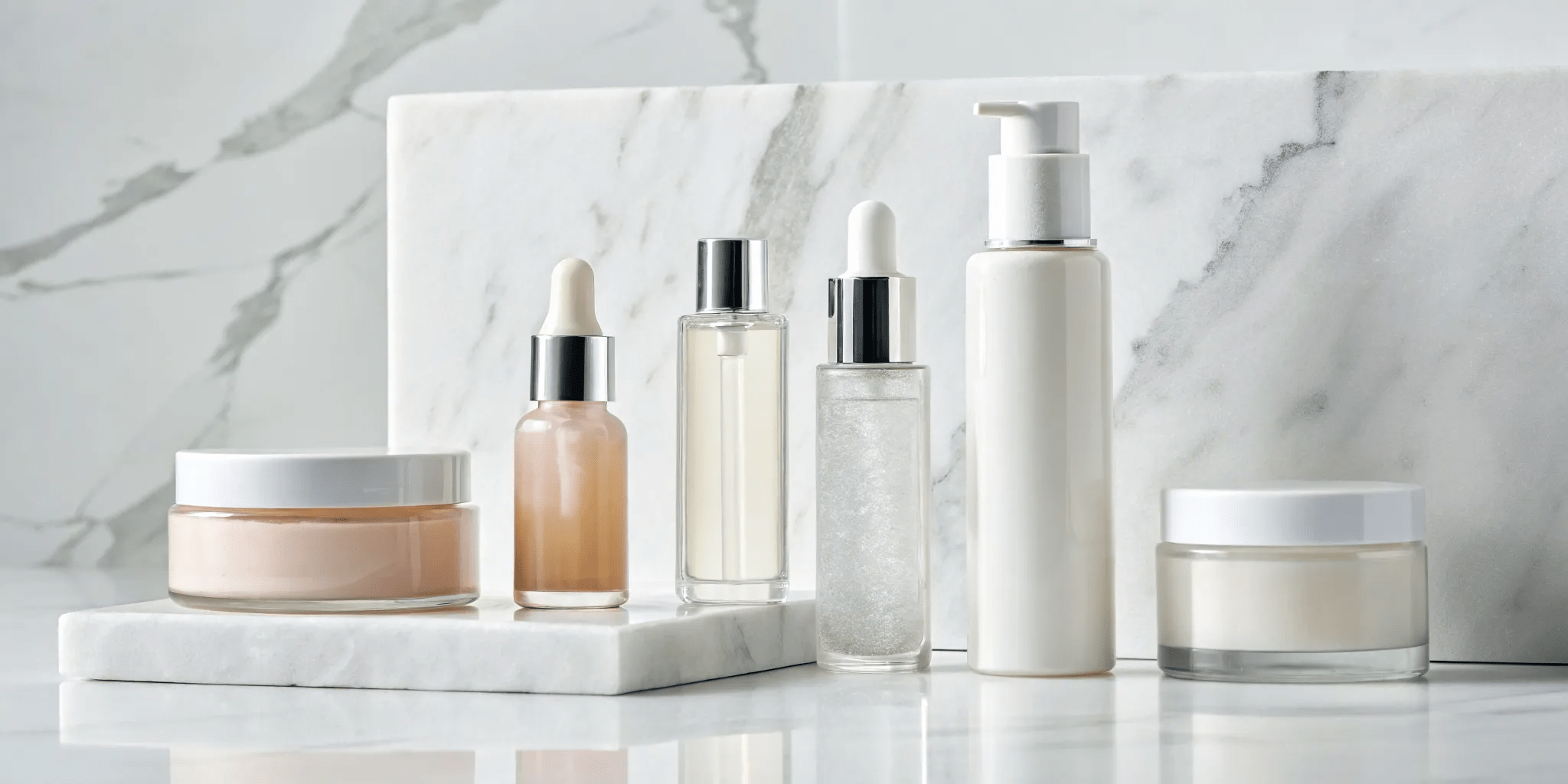
The 6 Skincare Essentials You Actually Need
If your bathroom counter is cluttered with half-used bottles, you’re not alone. The beauty world is full of trends and "must-have" products that often leave us more confused than confident. But what if you could build a routine that was simple, effective, and tailored perfectly to you? It starts with going back to basics and identifying your true skincare essentials. Think of these as the capsule wardrobe for your face: the core items that form a reliable foundation for healthy, happy skin. Before you add another product to your cart, let’s define what your skin actually needs to thrive and how to build a powerful routine you’ll genuinely enjoy.
Key Takeaways
- Focus on the foundation, not the clutter: A great skincare routine is not about having the most products; it is about consistently using the right six. A cleanser, toner, serum, moisturizer, SPF, and lip care are all you need for healthy skin.
- Shop for your skin type, not for trends: Understanding if your skin is oily, dry, or combination is the key to building a routine that works. This knowledge helps you pick ingredients that address your specific concerns, leading to better results.
- Make your products work harder by layering: The order you apply your skincare matters. Go from the thinnest to thickest texture to ensure each product absorbs properly, and remember to use SPF for morning protection and richer treatments for nighttime repair.
What Really Counts as a Skincare Essential?
Walking down the beauty aisle can feel overwhelming. With countless serums, masks, and gadgets all promising perfect skin, it’s easy to think you need a 12-step routine to see results. But here’s the truth: an effective skincare routine isn’t about having the most products. It’s about having the right ones that work for your specific skin needs. This is where the idea of “essentials” comes in. These are the core, non-negotiable products that form the foundation of healthy skin.
Building a routine around these key items helps you create a consistent practice that supports your skin day in and day out. It’s a philosophy of elevated simplicity that allows you to be intentional with your choices rather than just following trends. Before you add another "must-have" product to your cart, it's helpful to understand what your skin truly needs to function at its best. The secret is to prioritize ingredient lists over flashy marketing and focus on what will genuinely address your concerns. By starting with the basics, you can create a powerful, streamlined routine that feels like a moment of self-care, not a chore.
Common Skincare Myths, Busted
Let’s clear up a few common misconceptions that can get in the way of building a great routine. First is the idea that "natural" ingredients are always safer than "chemical" ones. The truth is, everything is a chemical, including water. Plus, many potent plant-derived ingredients can cause irritation, while many lab-formulated ingredients are incredibly gentle and effective. It's more important to focus on a product's overall formulation than to fear scientific-sounding names.
Another myth is that you only need sunscreen on sunny days. This is one of the biggest mistakes you can make for your skin's health. Harmful UV rays penetrate clouds and windows, so daily SPF is your best defense against premature aging and skin damage. Finally, if you have oily skin, you might believe you need to dry it out with harsh products. This can actually make things worse by sending your oil production into overdrive. Hydration is key for every skin type.
First Things First: How to Find Your Skin Type
Before you add a single product to your cart, the most important thing you can do is get to know your skin. Understanding your skin type is the foundation for building a routine that actually works. It guides you to the right ingredients and textures, saving you from the guesswork and frustration of using products that aren't a good match.
The good news? You don’t need a fancy device or a trip to a dermatologist to figure it out. You can easily do it at home with a couple of simple methods. Let’s walk through them.
The Cleanse-and-Wait Method
This is the most straightforward way to listen to your skin. Start by washing your face with a gentle, mild cleanser, pat it dry with a soft towel, and then just wait. Don’t apply any serums, moisturizers, or other products for about 30 minutes. This allows you to assess your skin's natural state and see what it does on its own.
After the time is up, take a look. Does your skin feel tight and parched? You likely have dry skin. If you see a noticeable shine on your cheeks, nose, and forehead, you probably have oily skin. A mix of both, like an oily T-zone but dry cheeks, points to combination skin. And if your skin just feels comfortable and balanced, you’re in the normal skin type camp.
The Blotting Sheet Test
If you want a more visual clue, the blotting sheet test is for you. It’s a great way to see exactly where your skin produces the most oil. Just like the first method, start by washing your face and waiting about 30 minutes. Then, take clean blotting papers and gently press them against different areas of your face, like your forehead, nose, chin, and cheeks.
Hold the sheets up to the light to see the results. If the sheets picked up a lot of oil from all over, your skin is oily. If they are mostly clean with little to no oil, your skin is dry. A bit of oil from just your T-zone (forehead and nose) means you have combination skin. This simple blotting sheet test is a quick and effective confirmation.
A Quick Note on Sensitive Skin
You might notice that "sensitive" wasn't an outcome in the tests above. That's because sensitivity is more of a condition than a type. You can have oily and sensitive skin, or dry and sensitive skin. It’s a characteristic that can exist alongside any of the primary types.
Signs of sensitive skin include redness, itching, burning, and a tendency to react easily to new products or environmental changes. If this sounds like you, it’s crucial to be mindful of ingredients and always patch-test new products. Understanding skin types and conditions helps you choose products that soothe and support your skin barrier, no matter what type you have.
The 6 Core Products for an Effective Routine
If you’ve ever felt overwhelmed by the sheer number of skincare products out there, you’re not alone. The good news is that you don’t need a complicated, 12-step routine to get healthy, glowing skin. Building an effective regimen is about consistency and using a few core products that do the heavy lifting. Think of these six essentials as the foundation of your skincare wardrobe. They are the non-negotiables that cleanse, treat, hydrate, and protect your skin, creating the perfect canvas for everything else.
Once you master this core routine, you can get creative by adding weekly treatments like masks or exfoliants. But getting these six steps right is what will make the biggest difference in your skin’s long-term health and appearance. This simple, purposeful approach ensures your skin gets everything it needs, without the confusion or clutter. We’ll walk through each product, explaining what it does and why it’s earned a permanent spot on your bathroom counter.
1. Cleanser — Your Non-Negotiable First Step
Every effective skincare routine begins with a clean slate. A good cleanser is your non-negotiable first step, morning and night. Throughout the day, your skin accumulates dirt, oil, pollutants, and makeup. Without proper cleansing, these impurities can clog pores, lead to breakouts, and prevent your other products from working effectively. A gentle yet thorough cleanser removes all this buildup without stripping your skin of its natural oils. For a truly deep clean, especially if you wear makeup or SPF, consider starting with a cleansing oil to melt everything away before following up with a water-based cleanser. This K-beauty method, known as double cleansing, ensures your skin is perfectly prepped for the next steps.
2. Toner — The Underrated Prep Step
Toner is often misunderstood, but it’s a crucial bridge between cleansing and treating your skin. Think of it as the final rinse cycle that also preps your skin for what’s to come. A good toner helps remove any leftover impurities your cleanser might have missed, but its main job is to balance your skin's pH and provide an initial layer of hydration. When your skin is slightly damp from toner, it acts like a sponge, absorbing the serums and moisturizers you apply afterward much more effectively. Forget the harsh, stripping astringents of the past; modern toners are formulated to be hydrating and soothing, setting the stage for a plump, glowing complexion.
3. Serum — Your Targeted Treatment
If your cleanser and moisturizer are the foundation of your routine, your serum is the specialized, power-packed treatment. Serums are lightweight formulas with a high concentration of active ingredients designed to target specific skin concerns. This is where you can truly customize your routine to meet your skin’s unique needs. Looking for a brighter, more even skin tone? A vitamin C serum is your best friend. Need a dose of deep hydration? Look for a serum with hyaluronic acid. Dealing with texture or fine lines? A retinol or peptide serum can help. Because they are so potent, a little goes a long way in delivering visible results.
4. Moisturizer — The Key to Locking It All In
After applying your targeted serum, moisturizer is the essential step that seals everything in. Its primary job is to hydrate your skin and, just as importantly, prevent that hydration from escaping. A good moisturizer helps maintain a healthy skin barrier, which is your skin’s first line of defense against environmental stressors like pollution and dry air. A strong barrier keeps the good stuff (like water) in and the bad stuff out. Whether you have dry, oily, or combination skin, there’s a moisturizer for you. Even oily skin needs hydration, so don’t skip this step; just opt for a lightweight, gel-based formula.
5. SPF — The Step You Can't Afford to Skip
If you only do one thing for your skin, make it wearing sunscreen. Daily sun protection is the most effective way to prevent premature aging, including fine lines, wrinkles, and dark spots. More importantly, it’s crucial for protecting your skin from harmful UV rays that can lead to skin cancer. You should apply a broad-spectrum sunscreen with at least SPF 30 every single morning, rain or shine, as the final step in your routine. UV rays can penetrate clouds and windows, so this is a non-negotiable step for every day, not just for beach days. Find a formula you love to wear, and your future self will thank you.
6. Lip Care — The Finisher You're Probably Forgetting
It’s easy to focus on your face and forget that the delicate skin on your lips needs attention, too. Your lips have fewer oil glands than the rest of your skin, making them more prone to dryness and chapping. Including dedicated lip care in your daily routine is the key to keeping them soft, smooth, and hydrated. A nourishing lip oil or balm can provide instant relief and long-lasting moisture. Apply it in the morning before heading out, throughout the day as needed, and as a final, comforting step in your nighttime routine. This simple finisher ensures no part of your complexion is overlooked.
How to Choose the Right Products for Your Skin Type
Now that you have a better idea of your skin type, you can start choosing products that will work with your skin, not against it. The goal isn’t to completely change your skin’s nature but to support its health and find a happy balance. Think of it as creating a personalized menu of skincare that gives your skin exactly what it’s craving. This is where your routine becomes truly effective and you start to see that healthy, natural glow we’re all after. Let’s walk through what to look for based on your specific skin type.
For Oily Skin
If you have oily skin, you’re likely familiar with a persistent shine, especially in your T-zone, and pores that can look enlarged. The key is to manage excess oil and keep pores clear without stripping your skin, which can actually cause it to produce even more oil. Look for ingredients like salicylic acid, which is a hero for oily skin because it helps to regulate sebum production and keep your complexion clear. A gentle foaming cleanser can effectively remove impurities, while a lightweight, oil-free moisturizer will provide necessary hydration without feeling heavy or greasy. Don’t be afraid of hydration; a balanced routine is your best friend.
For Dry Skin
Dry skin often feels tight, may look a bit dull, and can be prone to flakiness or fine lines. Your main goal is to add and lock in moisture. Start with a hydrating, gentle cleanser that cleans your skin without stripping away its natural oils. Creamy or milky formulas are fantastic for this. When shopping for serums and moisturizers, look for powerhouse hydrators like hyaluronic acid, which is celebrated for its ability to help your skin retain moisture and keep your skin hydrated. And don't forget your lips; a nourishing lip oil can make a world of difference.
For Combination Skin
Welcome to the club. If some parts of your face feel oily (like your forehead and nose) while others feel dry (like your cheeks), you have combination skin. It can feel tricky, but it’s all about strategic placement. You have two great options: you can either use different products on different areas of your face, or you can look for balanced formulas specifically made for combination skin. For example, you might apply a lightweight gel moisturizer to your T-zone and a richer cream to your cheeks. A balancing toner used after cleansing can also work wonders to prep your skin and create a more even canvas for the rest of your routine.
For Sensitive Skin
If your skin is easily irritated, gets red, or reacts to new products, you likely have sensitive skin. The approach here is simple: less is more. Your best bet is to choose products with short, simple ingredient lists. Always look for a fragrance-free, gentle cleanser to avoid potential irritation right from the start. Since fragrances are a common trigger for sensitivity, it’s always a good idea to opt for fragrance-free options whenever possible. Before committing to a new product, do a patch test on a small area of skin, like your inner arm, to see how it reacts. Soothing ingredients like centella asiatica (cica) can also help calm and comfort reactive skin.
A Guide to Key Skincare Ingredients
Walking down the skincare aisle can feel like studying for a chemistry test. But you don’t need a science degree to understand what your skin needs. Getting familiar with a few key ingredients is the best way to shop smarter and choose products that will actually deliver on their promises. Think of this as your cheat sheet for decoding labels and finding exactly what you need for your specific skin goals.
To Hydrate and Moisturize
If your skin feels tight, flaky, or just looks a little dull, it’s probably thirsty. Hydrating ingredients are your best friends for achieving that plump, dewy look. Hyaluronic acid is a superstar in this category; it’s famous for its ability to hold onto moisture, giving your skin a serious drink of water. Another one to look for is glycerin, a powerful humectant that draws moisture from the air into your skin. Both are gentle yet incredibly effective, making them perfect for quenching dry skin without feeling heavy or greasy. They help restore your skin’s balance and leave it feeling soft and supple.
To Address Acne or Oil
Dealing with breakouts or a perpetually shiny T-zone can be frustrating, but the right ingredients can make a huge difference. Salicylic acid is a go-to for oily and acne-prone skin. It’s a beta-hydroxy acid (BHA) that exfoliates inside your pores to clear out the gunk that leads to pimples. It also helps regulate sebum production to keep excess oil in check. Retinol, a derivative of vitamin A, is another powerful ingredient that can help with acne by speeding up cell turnover and preventing pores from clogging. Using these ingredients consistently can help you achieve a clearer, more balanced complexion.
To Brighten and Even Your Skin Tone
For that lit-from-within glow, you’ll want to look for ingredients that target dullness and discoloration. Vitamin C is an antioxidant powerhouse known for its ability to brighten your overall complexion and fade dark spots. It helps protect your skin from environmental stressors that can cause dullness in the first place. Niacinamide, a form of vitamin B3, is another fantastic ingredient for evening out your skin tone. It’s particularly effective at reducing discoloration and minimizing the appearance of pores. Incorporating these into your routine can help you get that smooth, radiant skin you’re after.
To Target Fine Lines
Seeing a few fine lines is a normal part of life, but some ingredients can help soften their appearance and keep your skin looking smooth and firm. Retinol is a well-studied ingredient with a proven rejuvenating effect on fine lines and wrinkles because it encourages collagen production. Peptides are another great choice. These are short chains of amino acids that act as building blocks for proteins like collagen and elastin. Using products with peptides can help improve your skin’s firmness and elasticity over time. Think of these ingredients as your support system for healthy, resilient skin at any age.
How to Read a Vegan Skincare Label
Flipping over a product to scan the ingredient list can feel like reading a different language. When you’re committed to a vegan lifestyle, it adds another layer to the process. The good news is that you don’t need a chemistry degree to become a confident label reader. It’s all about knowing a few key players and common imposters.
A "vegan" label is your first green light, confirming the product contains no animal-derived ingredients. At nooni, every product we make is vegan, because we believe in creating simple, effective formulas that are kind to your skin and the planet. But beyond that single word, understanding the ingredients helps you choose products that will truly work for you. Think of it as moving from "Is this vegan?" to "Is this vegan and right for my skin's needs?" Learning to spot the heroes and sidestep the hidden animal byproducts will make you a more empowered and intentional shopper.
Ingredients to Look For
Once you know what to look for, you’ll start seeing these powerhouse ingredients everywhere. Many of the most effective and beloved ingredients in skincare are naturally vegan or created safely in a lab. Keep an eye out for hydrators like glycerin, a moisture magnet that pulls water into the skin, and panthenol (a form of vitamin B5), which soothes and repairs. Squalane is another fantastic moisturizer that mimics your skin’s natural oils; look for versions derived from olives or sugarcane. And of course, there’s hyaluronic acid, famous for its ability to hold many times its weight in water for plump, dewy skin. These are the building blocks of a healthy, hydrated glow and are featured in many of our lip and skin care products.
Ingredients to Avoid
This might surprise you, but the first thing to stop avoiding is long, scientific-sounding names. Many of the most beneficial ingredients have complex names, and a "chemical-free" product simply doesn't exist (water is a chemical, after all). Instead, focus on spotting common, non-vegan ingredients that can hide in formulas. Be watchful for lanolin (from sheep’s wool), carmine (a red dye from insects), and beeswax. While these are "natural," they aren't vegan. You can find a more complete list of animal-derived ingredients to familiarize yourself with. Also, if you have sensitive skin, you may want to be cautious with products containing "fragrance" or "parfum," as these umbrella terms can sometimes mask potential irritants.
How to Layer Your Products for the Best Results
Once you’ve found the right products, the next step is knowing how to apply them. The order you layer your skincare is more important than you might think. Applying products correctly ensures that each one can penetrate your skin and do its job effectively. If you apply a thick, heavy cream before a lightweight serum, for example, that serum simply won’t be able to get through the barrier of the cream to reach your skin.
The easiest way to remember the right order is to go from the thinnest consistency to the thickest. Think of it like this: you’d put on a t-shirt before a sweater, not the other way around. Your skincare follows the same logic. A good rule of thumb for a basic routine is to start with your cleanser, followed by toner, then serum, and finally, moisturizer. This sequence allows the more concentrated, targeted treatments to absorb first, with the moisturizer sealing everything in. Of course, the perfect routine starts with understanding your unique skin type and adjusting based on what feels right for you. You can find all the essentials to build your routine in our skin care collection.
Morning vs. Night: What's the Difference?
Your skin has different needs in the morning than it does at night, so your routine should reflect that. Think of your morning routine as your skin’s defense shield and your night routine as its recovery session. In the morning, the goal is protection from sun, pollution, and other environmental factors you’ll face during the day. This means after you cleanse, tone, and moisturize, your final, most critical step is always sunscreen.
At night, your skin goes into repair mode, working to regenerate and heal itself while you sleep. This is the ideal time to use products with active ingredients that support hydration and renewal. You might use a richer moisturizer or a targeted serum that you wouldn’t wear during the day. By splitting your routine this way, you give your skin exactly what it needs, when it needs it.
How to Build a Routine You'll Actually Stick With
The secret to great skin isn’t a complicated, 20-step process. It’s consistency. The most effective routine is the one you’ll actually do every single day. If you’re just starting out, it’s much better to master a few simple steps than to get overwhelmed by a cabinet full of products you never use. The goal is to create a daily ritual that feels like a moment of self-care, not a chore.
It all begins with understanding your unique skin type and its needs. From there, you can build a foundational routine with the essentials we’ve covered. A basic skincare routine only needs a few key products: a gentle cleanser, a preparatory toner, a targeted serum, a nourishing moisturizer, and a daily SPF. Think of these as the non-negotiables. Once you have this core routine down and it feels like second nature, you can start adding or swapping products to address specific concerns as they pop up. Remember, your skin’s needs can change with the seasons, your environment, and even your stress levels, so it’s okay for your routine to evolve, too. The key is to listen to your skin and give it what it needs, one simple step at a time.
Is Expensive Skincare Really Better?
Let’s clear this up: a higher price tag doesn’t automatically mean a better product. While some luxury brands do invest in high-quality research and rare ingredients, many effective and well-formulated products are available at much more accessible price points. The most important thing isn’t the brand name or the packaging; it’s the ingredient list.
Instead of focusing on price, get comfortable reading labels. When you understand what key ingredients do, you can make informed decisions based on your skin’s specific needs, whether you’re looking for hydration, brightening, or acne control. An affordable cleanser with the right ingredients for your skin type will always be a better choice than an expensive one that isn’t a good fit.
Do I Still Need Moisturizer If I Have Oily Skin?
Yes, absolutely. This is one of the biggest misconceptions in skincare. It’s easy to think that adding moisture to already oily skin will just make things worse, but the opposite is often true. Oily skin can still be dehydrated, meaning it lacks water, not oil. When you use harsh, stripping cleansers and skip moisturizer, your skin can get dehydrated and overcompensate by producing even more oil to protect itself.
A good routine can help your skin feel balanced and healthy. The trick is to choose the right kind of moisturizer. Look for lightweight, non-comedogenic (meaning it won’t clog pores) formulas, like gel creams or oil-free lotions. These will provide the necessary hydration to keep your skin barrier healthy and balanced without feeling heavy or greasy.
Frequently Asked Questions
Do I really need all six of these products to start? Not at all. If you're building a routine from scratch, the absolute essentials are a gentle cleanser, a moisturizer that suits your skin type, and a daily SPF. Think of this as your foundational trio. Once you have that habit down, you can begin to introduce a targeted serum or a hydrating toner to address specific goals. The key is to start simple so the routine feels manageable and you can stick with it.
How long should I wait to see results from my new routine? Patience is so important with skincare. While you might feel immediate benefits like softer, more hydrated skin, it typically takes about four to six weeks for your skin to show the full effects of a new product or routine. This is because it takes time for your skin cells to turn over. Consistency is what truly creates change, so give your new routine at least a month before deciding if it's working for you.
You mentioned double cleansing. Is that something I should be doing every day? Double cleansing is a fantastic method, but it isn't a strict requirement for everyone. It's most beneficial at night, especially if you wear makeup, sunscreen, or have oily skin. The first cleanse with an oil-based cleanser breaks down those products and excess sebum, and the second cleanse with a water-based one ensures your skin is truly clean. If you don't wear makeup, a single, thorough cleanse at night might be all you need.
Is it okay to mix products from different brands? Yes, absolutely. It's much more effective to build a routine with products that are right for your skin, regardless of the brand name on the bottle. Focus on finding a cleanser, moisturizer, and serum with ingredients that address your specific concerns. Your skin will be much happier with a curated collection of effective formulas than it will be with a single product line that may not be a perfect match.
How do I introduce a new product without irritating my skin? The best way to add something new is to go slowly. Introduce only one new product at a time and use it for at least two weeks before adding anything else. This way, if your skin reacts poorly, you'll know exactly which product is the culprit. It's also wise to patch test first by applying a small amount of the product to your inner arm or jawline for a few days to see how your skin responds.
Read more

Discover gloss oil, the K-beauty lip care hybrid combining hydration with shine. Low-sticky, long-lasting, and perfect for dry lips.
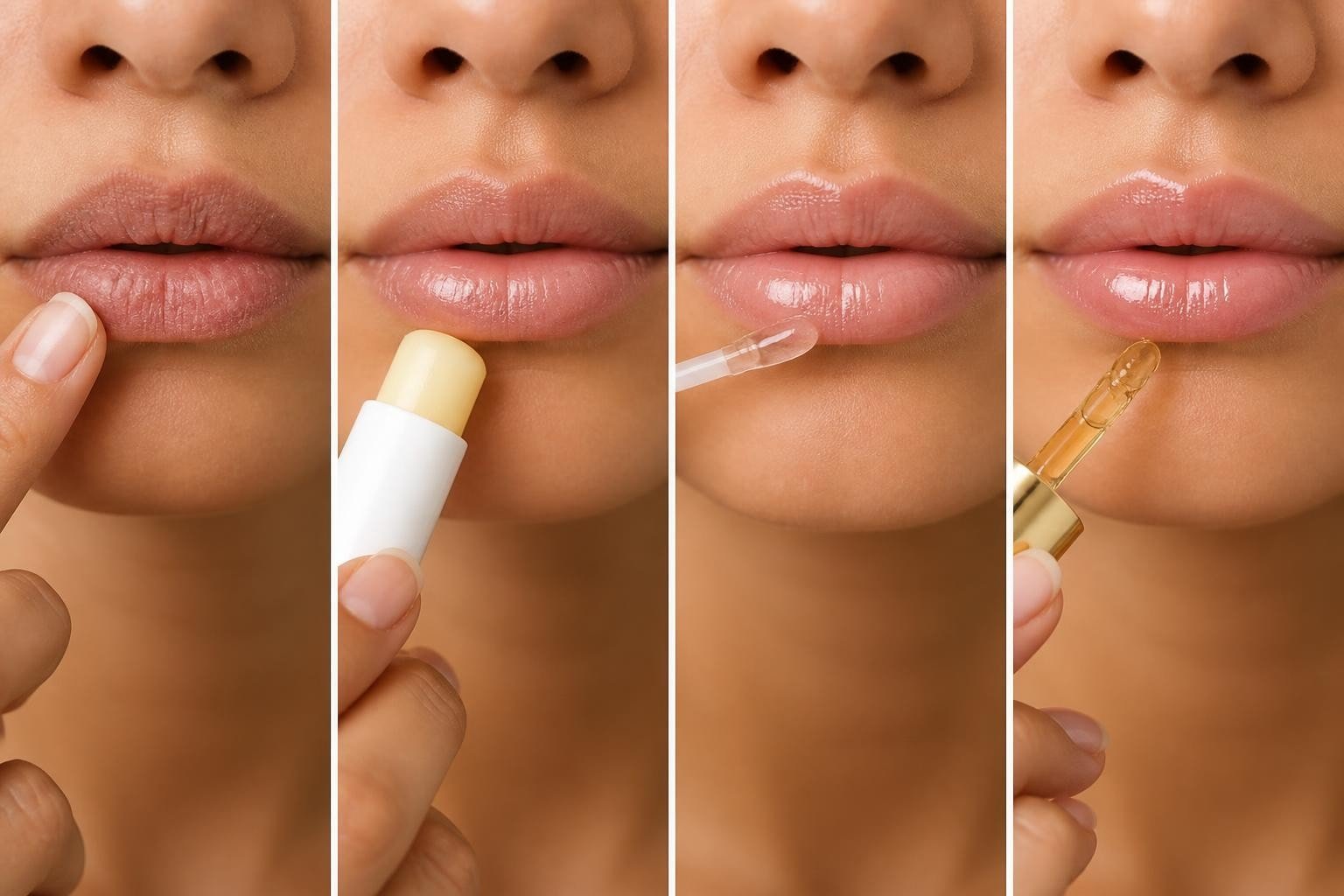
Discover the best lip treatments for hydration, shine, and repair in 2026. Expert tips on lip oils, balms, and masks for healthy, nourished lips.