



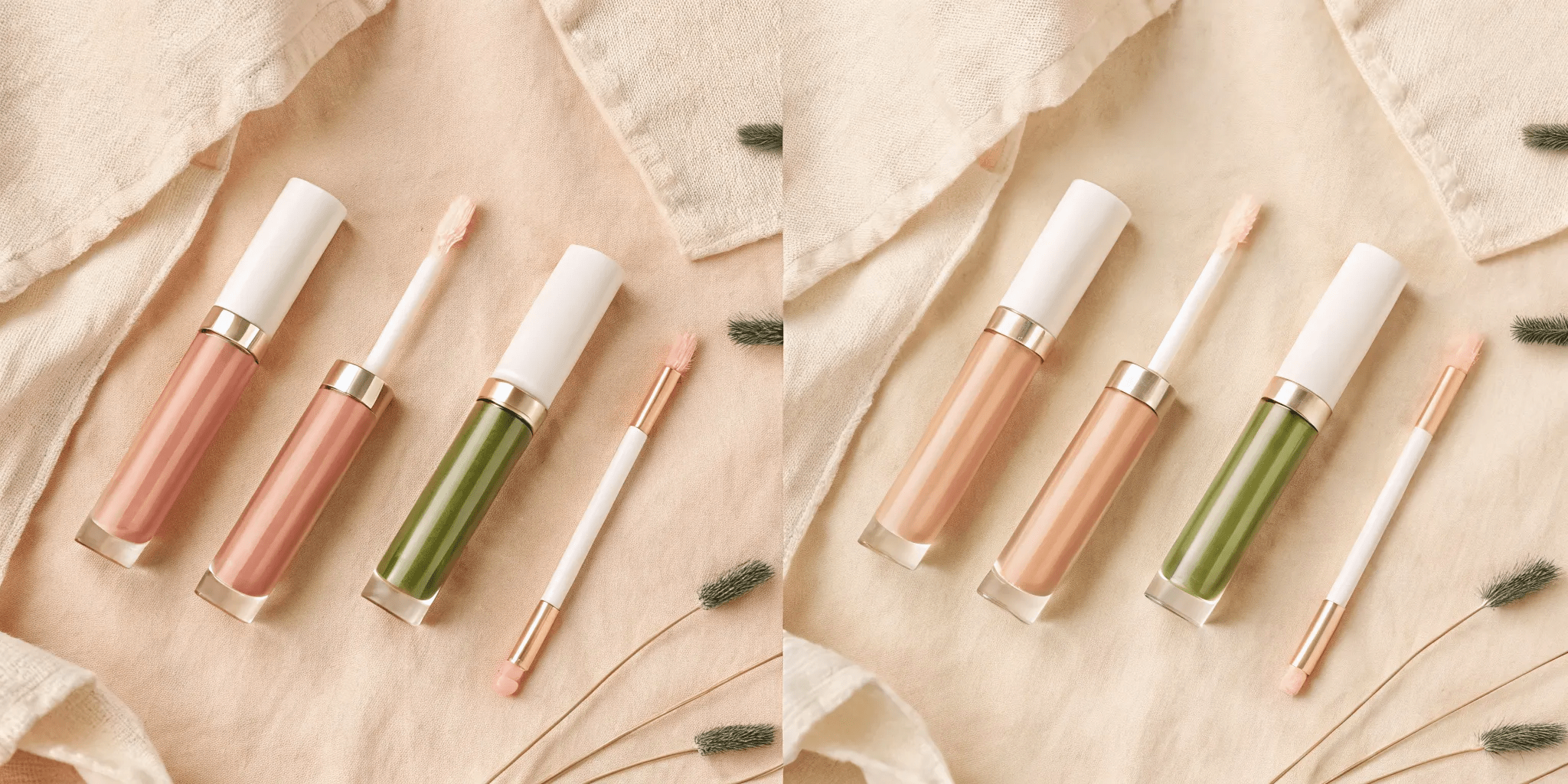
Lip Oil vs Lip Gloss: How to Choose
Lip oil and lip gloss can both leave lips looking fresh and luminous, but they are not interchangeable. Lip oil is usually the better match when you want comfortable shine with a conditioning feel. Lip gloss is designed first for a more noticeable glass-like finish, often with a thicker texture and more dramatic color payoff. The right choice comes down to the finish, feel, and role you want the product to play in your routine.
Explore nooni vegan lip oils to find a comfortable everyday shine.
Lip oil vs lip gloss, at a glance: choose lip oil for a lightweight, conditioning layer that adds effortless shine. Choose lip gloss when your priority is a bold, reflective makeup finish or a glossy topper over lip color. You can also layer the two when you want both comfort and high-impact shine.
Lip oil vs lip gloss: the quick comparison
The clearest difference is purpose. Lip oil sits between lip care and makeup: it can condition dry-feeling lips while creating a polished sheen. Gloss is a makeup product made to amplify shine, dimension, and sometimes color. Formulas vary by brand, so check the ingredient list and product description rather than assuming every oil or gloss will feel the same.
| Feature. | Lip oil. | Lip gloss. |
|---|---|---|
| Primary purpose. | Conditioning feel with shine. | High-impact shine and makeup finish. |
| Typical texture. | Lightweight and fluid. | Thicker and more cushiony. |
| Finish. | Fresh, juicy sheen. | Glass-like or lacquered shine. |
| Color. | Often clear or softly tinted. | Ranges from clear to opaque and sparkly. |
| Best use. | Everyday wear and easy touch-ups. | Statement shine or a lipstick topper. |
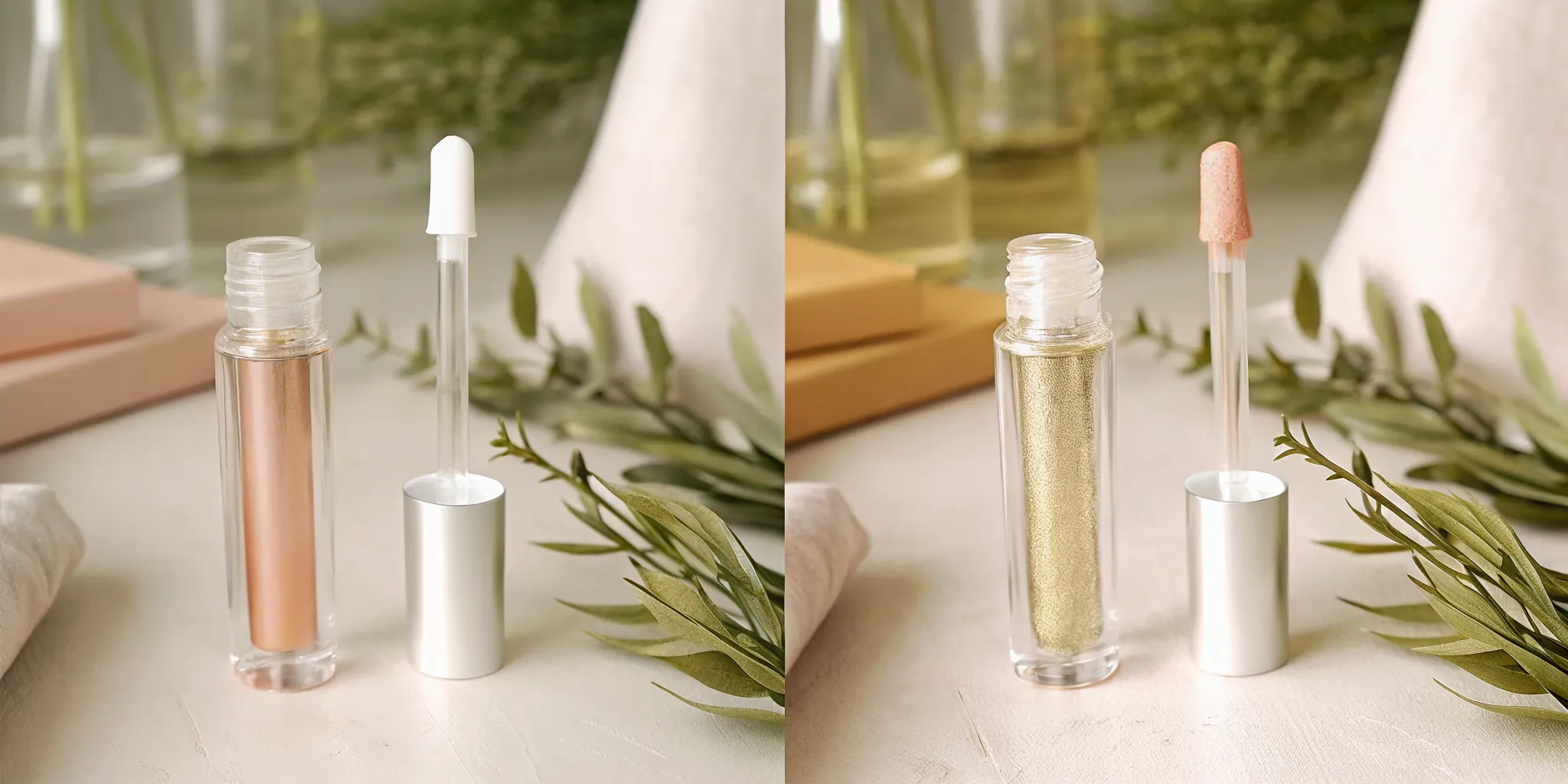
Neither format is automatically better. A sheer oil can suit a quick morning routine, while a pigmented gloss can complete an evening look. If you are exploring oils for the first time, this guide to lip oil benefits explains how the format fits into a care-focused routine.
What is lip oil?
Lip oil is a fluid lip product that pairs shine with a conditioning feel. Many formulas blend emollient oils with color and texture ingredients so they glide over lips without feeling as heavy as a traditional gloss. The result is usually a juicy, softly reflective finish rather than a thick lacquered coat.
How lip oil feels
A good lip oil should spread easily and feel comfortable during wear. Some absorb gradually, while others leave a light protective layer on the surface. Nooni lip oils are infused with apple seed oil and designed with a non-sticky feel, making them easy to swipe on throughout the day. For more ingredient and routine context, read the guide to nourishing lip oil.
When lip oil makes sense
Lip oil works especially well when you want a low-effort product that can live in your bag. It adds a finished look without requiring a liner, mirror, or careful application. A clear formula can complement any makeup look, while a tint can add soft color that feels relaxed rather than precise.
- For everyday polish: swipe on a sheer tint before work, class, or errands.
- For a care-focused routine: use it when lips feel like they need a comfortable, emollient layer.
- For easy color: choose a tint that enhances your natural lip tone without looking overdone.
What is lip gloss?
Lip gloss is a makeup product created to make lips look noticeably shiny. Its thicker base helps the reflective finish stay on the surface, creating dimension and a glass-like effect. Gloss can be completely clear, softly tinted, deeply pigmented, or filled with shimmer. That range makes it a versatile finishing product.
How lip gloss feels
Gloss usually feels more substantial than oil. The cushiony texture can make lips appear smoother and fuller, but some formulas may feel tacky. That tack is not necessarily a flaw: it can help a high-shine finish remain visible longer. If you dislike feeling product on your lips, however, a lighter oil may be easier to wear.
When lip gloss makes sense
Reach for gloss when shine is the main event. A clear gloss can turn a matte lip into a dimensional look, while a pigmented gloss can function as the central color product. Gloss is also useful when you want a precise aesthetic, from a nostalgic high-shine lip to a polished neutral makeup look.
- For dramatic shine: choose a clear, reflective gloss.
- For layered color: tap gloss over lipstick or lip stain.
- For visible sparkle: select a shimmer or pearl formula.
How do finish, feel, and wear compare?
The difference becomes easier to understand once you separate shine from comfort and wear time. Oil tends to look fresh and fluid. Gloss tends to look more reflective and structured. Both need touch-ups after eating or drinking, and neither should be treated as a long-wear lip stain unless the specific formula says otherwise.
Finish and color payoff
Lip oils often let your natural lip tone show through. Even tinted versions usually create a translucent wash, which makes shade selection forgiving. Gloss offers a wider range of visual effects. One formula may add a barely there shine, while another delivers opaque color or visible sparkle.
Texture and comfort
If you prefer a barely there feel, begin with oil. Its slip can feel smooth and flexible as your lips move. If you enjoy a plush makeup texture and want the shine to look more substantial, gloss may be more satisfying. Texture is personal, so consider what you will actually enjoy reapplying.
Wear and touch-ups
Oil can gradually soften or absorb, leaving less shine over time. Gloss often remains visibly glossy for longer because it sits more fully on the surface, but it can still transfer. Keep either product nearby for touch-ups. A quick reapplication is part of the experience, not a sign that the formula has failed.
Which option is better for dry-feeling lips?
Lip oil is often the more comfortable choice for dry-feeling lips because its core appeal includes an emollient, conditioning feel. Look for formulas with familiar plant oils and avoid assuming that shine alone equals hydration. A glossy surface can make lips look smooth without necessarily addressing how they feel.
Gloss can still be comfortable, especially if it is marketed as conditioning. Read the product details and pay attention to your own response. If lips are cracked, persistently irritated, or painful, pause cosmetic products and seek appropriate professional guidance rather than relying on either oil or gloss as a treatment.
A simple routine also matters. Avoid picking at flaky skin, apply products with clean hands or applicators, and remove makeup gently. The nooni guide to daily lip care offers more ideas for building a consistent routine.
Find your everyday shine in nooni's lip oil collection.
How to choose between lip oil and lip gloss
Start with the result you want rather than the product name. Your daily routine, tolerance for texture, preferred color level, and willingness to reapply all matter more than trends. Use this decision framework to narrow the choice.
- Choose your priority. Pick oil for conditioning comfort with shine, or gloss for a statement makeup finish.
- Decide how much texture you enjoy. Choose a fluid oil if you dislike tack; choose gloss if you enjoy a plush layer.
- Set your color goal. Pick a sheer oil for forgiving tint, or gloss for broader pigment and sparkle options.
- Consider your routine. Oil suits fast, mirror-free touch-ups; gloss suits more intentional makeup looks.
- Plan for reapplication. Expect to refresh either format after meals and drinks.
- Try both when needed. Keep oil for everyday wear and gloss for occasions when you want extra shine.
If vegan formulas are important to you, confirm the claim on the product page instead of assuming every lip product qualifies. You can learn what to look for in this guide to vegan lip oil. For a deeper look at the category's K-beauty roots and modern appeal, explore the guide to Korean lip oil.
Can you layer lip oil and lip gloss?
Yes. Layering lets you combine the comfortable feel of oil with the high-impact surface shine of gloss. The key is to apply thin layers so the products do not slide around. Start with less than you think you need, then add shine only where it creates the most dimension.
Layering is also a practical way to adjust a look without buying another shade. A clear oil can soften the appearance of a strongly pigmented lipstick, while clear gloss can make the center of the lips look more reflective. When combining colored products, test them on the back of a clean hand first. This lets you see whether the tones complement each other before application.
Placement changes the result. Applying shine across the whole lip creates an even, juicy effect. Concentrating it at the center creates dimension while leaving the edges more defined. If the layers start to feel heavy, blot gently and reapply only a small amount. Thoughtful placement usually looks more polished than applying a thick coat.
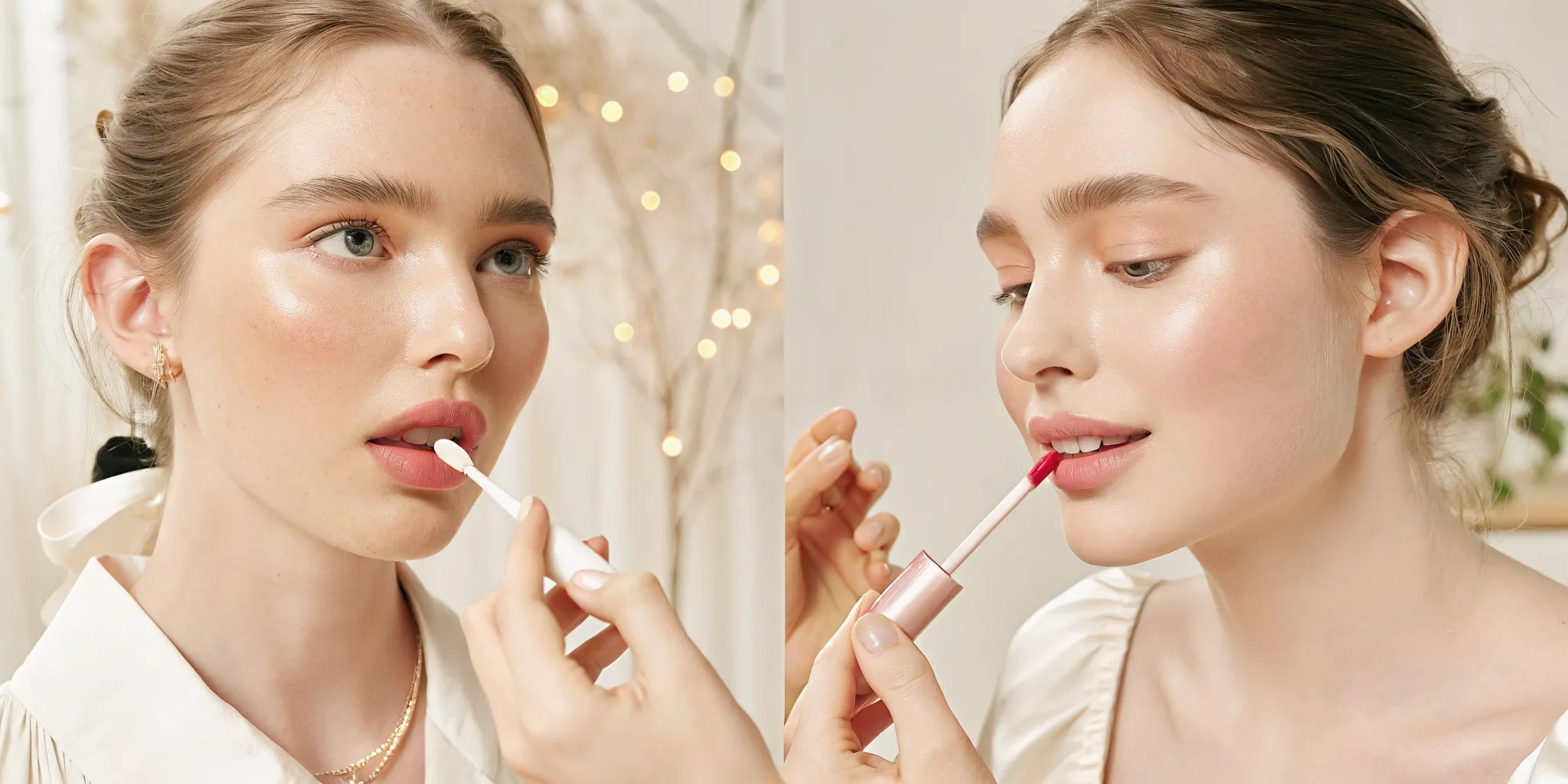
A simple layering method
- Prepare: make sure lips are clean and smooth.
- Add oil: apply one light layer and give it a moment to settle.
- Place gloss: tap a small amount onto the center of the lips.
- Keep it clean: avoid returning an applicator to the tube after touching another colored product.
You can reverse the order, but oil over gloss may make the look move around more quickly. Experiment with small amounts and notice which combination feels best. For the simplest option, wear one formula alone and let its intended finish stand out.
There is no need to treat lip oil and lip gloss as rivals. Each earns a place in a thoughtful lip wardrobe because each solves a different styling need. A lightweight oil is convenient when comfort and effortless polish lead the decision. A reflective gloss is useful when you want a deliberate finishing touch. Choosing by occasion, texture preference, and desired color payoff helps you buy products you will actually enjoy wearing.
Explore nooni lip oil shades before choosing your next everyday shine.
Frequently asked questions
Does lip oil last longer than lip gloss?
Not necessarily. Lip oil may gradually absorb or lose shine, while a thicker gloss can remain visible longer. Wear depends on the individual formula, how much you apply, and whether you eat or drink.
Is lip oil skincare or makeup?
Lip oil sits between the two categories. It offers the polished shine and optional tint of makeup while emphasizing a comfortable, conditioning feel. Always evaluate the specific formula and its stated purpose.
Can lip gloss hydrate lips?
Some glosses include conditioning ingredients and can feel comfortable, but a glossy finish alone does not prove a product is hydrating. Check the formula and product claims before choosing it for dry-feeling lips.
Can you wear lip oil over lipstick?
Yes. Tap a small amount of lip oil over lipstick to add a fresh sheen. To keep the oil applicator clean, place a little product on a clean fingertip or separate lip brush first.
Find the shine that fits your routine
The lip oil vs lip gloss decision is ultimately about how you want shine to feel and look. Oil offers an easy, conditioning approach for everyday wear. Gloss delivers a more deliberate makeup finish with stronger visual impact. Keep one of each if your preference changes with the moment.
To make the choice easier, think about the product you are most likely to reach for on an ordinary day. If you want one quick swipe before leaving home, start with oil. If finishing your makeup with a precise, reflective lip feels satisfying, start with gloss. Your most useful lip product is the one that fits naturally into the routine you already enjoy.
Read more
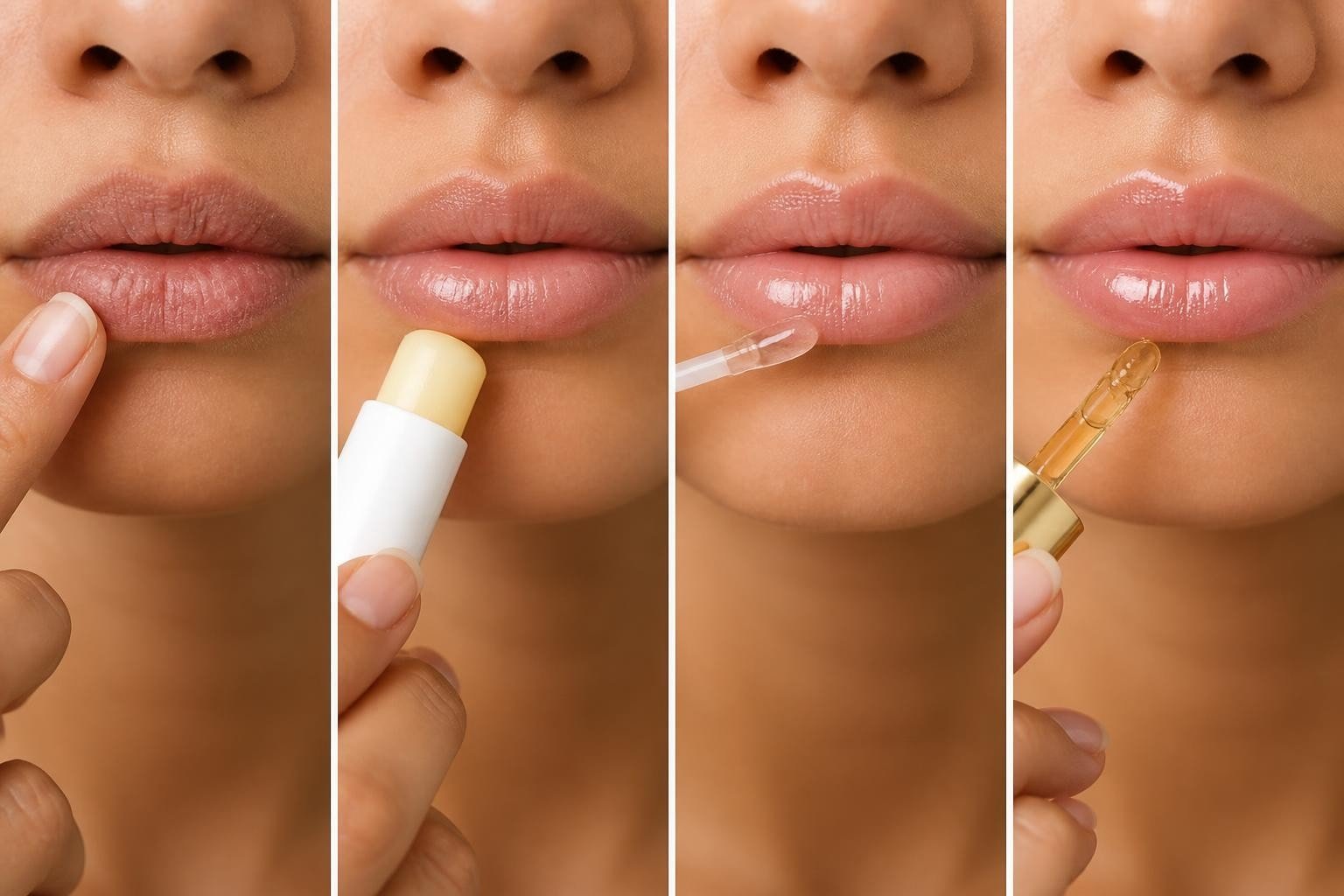
Discover the best lip treatments for hydration, shine, and repair in 2026. Expert tips on lip oils, balms, and masks for healthy, nourished lips.
Discover the benefits of lip moisturizer with color. Learn how lip oils provide hydration, non-sticky shine, and natural tint in one product.