



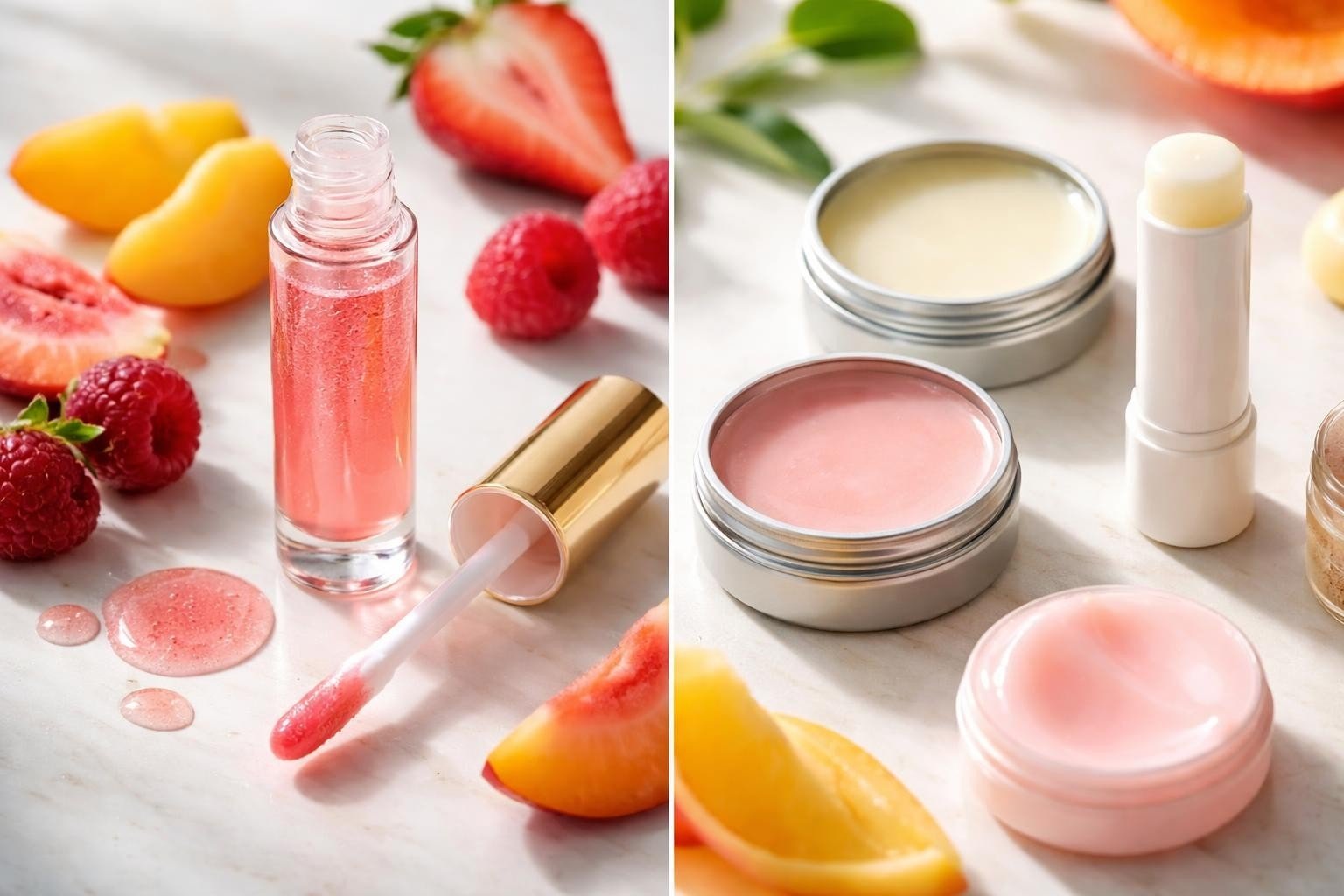
Lip Oil vs Lip Balm: Which One Is Right for You?
Your lips deserve the best care possible, but navigating the world of lip care products can feel overwhelming. The lip oil vs lip balm debate has captured attention across the beauty community, and for good reason. Both products promise to nourish and protect your lips, yet they work in distinctly different ways. Understanding these differences helps you choose the right formula for your unique needs, whether you're battling winter dryness or seeking a glossy everyday look. This comprehensive guide explores everything you need to know about lip oils and lip balms, from their ingredients and textures to their specific benefits and ideal uses.
What Makes Lip Oil Different from Lip Balm
The fundamental difference between these two lip care essentials lies in their formulation and purpose. Lip oils have emerged as a skincare-makeup hybrid, combining deep hydration with a beautiful glossy finish that transforms your lips throughout the day.
Lip oils feature a lightweight, silky texture that absorbs quickly into your lips while leaving a non-sticky shine. These formulas typically contain nourishing plant oils like Apple Seed Oil, jojoba oil, and vitamin E, along with fruit extracts that provide both hydration and subtle color. The **Applepeony Lip Oil** exemplifies this approach, delivering deep moisture with a touch of natural tint.
Lip balms, on the other hand, create a protective barrier on your lips using ingredients like beeswax, shea butter, and petroleum jelly. They're designed to seal in moisture and shield your lips from environmental stressors like wind and cold weather.
Key Formulation Differences
| Feature | Lip Oil | Lip Balm |
|---|---|---|
| Texture | Lightweight, silky, non-sticky | Thicker, waxy, protective |
| Finish | Glossy, radiant | Matte to subtle shine |
| Primary Function | Hydration + enhancement | Protection + repair |
| Absorption | Fast-absorbing | Surface-level barrier |
The formulation logic behind each product reveals why these differences matter for your daily routine.
Texture and Application Experience
When comparing lip oil vs lip balm, the application experience differs dramatically. This affects not only how the product feels but also how often you'll reach for it throughout your day.
The Lip Oil Experience
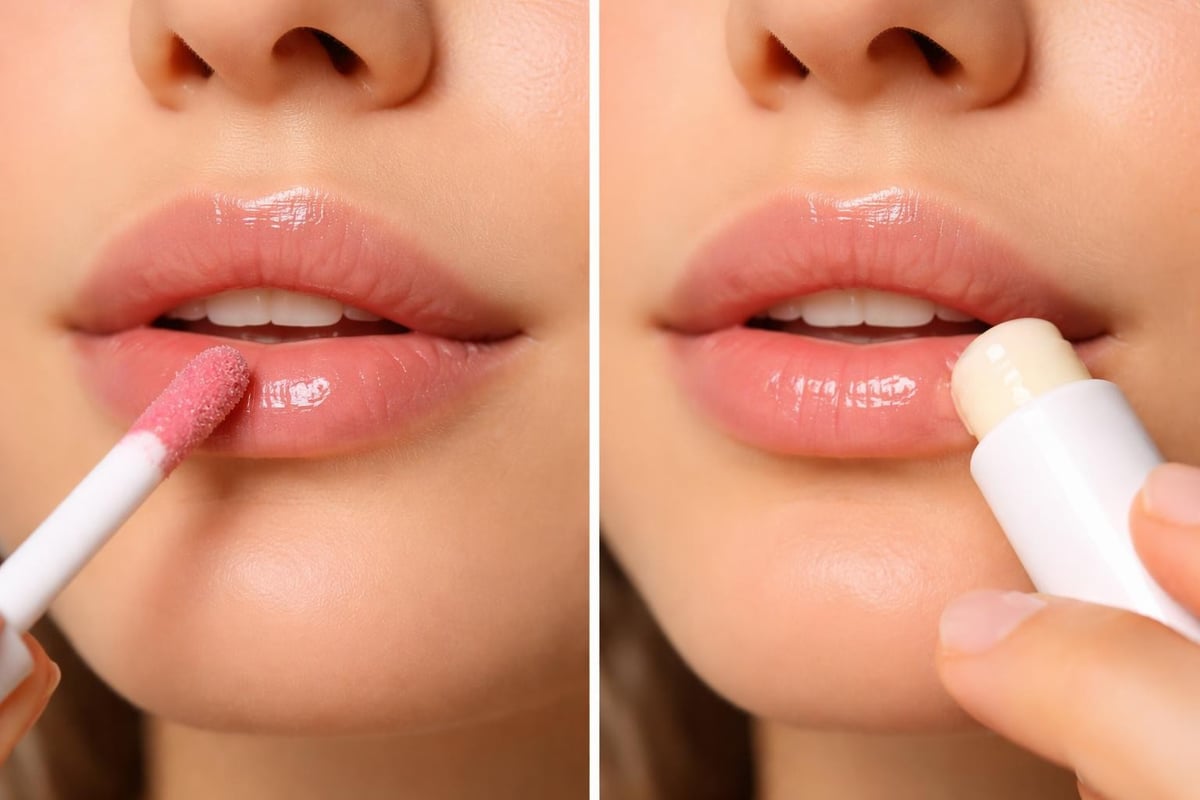
Lip oils deliver a luxurious, weightless feel that many users describe as transformative. The non-sticky formula glides across your lips effortlessly, providing instant comfort without the heavy sensation some glosses create. Unlike traditional lip gloss that can feel tacky and uncomfortable, lip oils offer hydration without the stickiness.
The plumping effect comes naturally from the deeply hydrating ingredients that help lips appear fuller and more supple. This happens through genuine nourishment rather than irritating ingredients, creating a healthy, enhanced look.
Most lip oils come with a doe-foot applicator that makes precise application easy:
- Perfect for layering over lipstick
- Ideal for quick touch-ups throughout the day
- Creates an even, glossy finish in one swipe
- Allows for controlled color intensity
The Lip Balm Experience
Lip balms provide a more substantial, protective feel. They require a bit more effort to warm up and spread across your lips, but this denser texture serves a specific purpose. The thicker consistency creates that crucial barrier against harsh weather conditions.
Traditional balms work best when you need serious repair for severely chapped or cracked lips. They stay put longer than oils, making them excellent nighttime treatments or companions for outdoor activities.
Hydration Benefits and Long-Term Results
The lip oil vs lip balm discussion becomes particularly important when examining how each product hydrates your lips over time. Understanding their different approaches to moisture helps you build an effective lip care routine.
Deep Hydration with Lip Oils
Lip oils excel at providing deep hydration that actually penetrates your lip tissue. The Apple Seed Oil found in premium formulations contains essential fatty acids and antioxidants that nourish lips from within. This isn't just surface-level moisture-it's genuine skin conditioning.
The vegan and cruelty-free formulations popular in K-beauty focus on natural fruit extracts that deliver vitamins and nutrients your lips crave. These botanical ingredients work synergistically to improve lip texture over time, not just temporarily mask dryness.
Benefits of oil-based hydration include:
- Improved lip texture and softness
- Enhanced natural lip color
- Reduced appearance of fine lines
- Long-lasting moisture retention
- Strengthened lip barrier function
The **2-in-1 function as a tint and oil** means you're caring for your lips while enhancing their appearance simultaneously.
Protective Moisture with Balms
Lip balms create a seal that prevents moisture loss, which proves invaluable in challenging conditions. This occlusive approach works by trapping whatever hydration already exists in your lips, rather than adding new moisture.
For maximum effectiveness, many skincare experts recommend applying a hydrating product first, then sealing it with balm. This layering technique combines the best of both worlds.
Color and Finish Options
One area where the lip oil vs lip balm comparison reveals significant differences is in aesthetic possibilities. Your choice here often depends on whether you want a makeup element or purely functional care.
Lip Oil Versatility
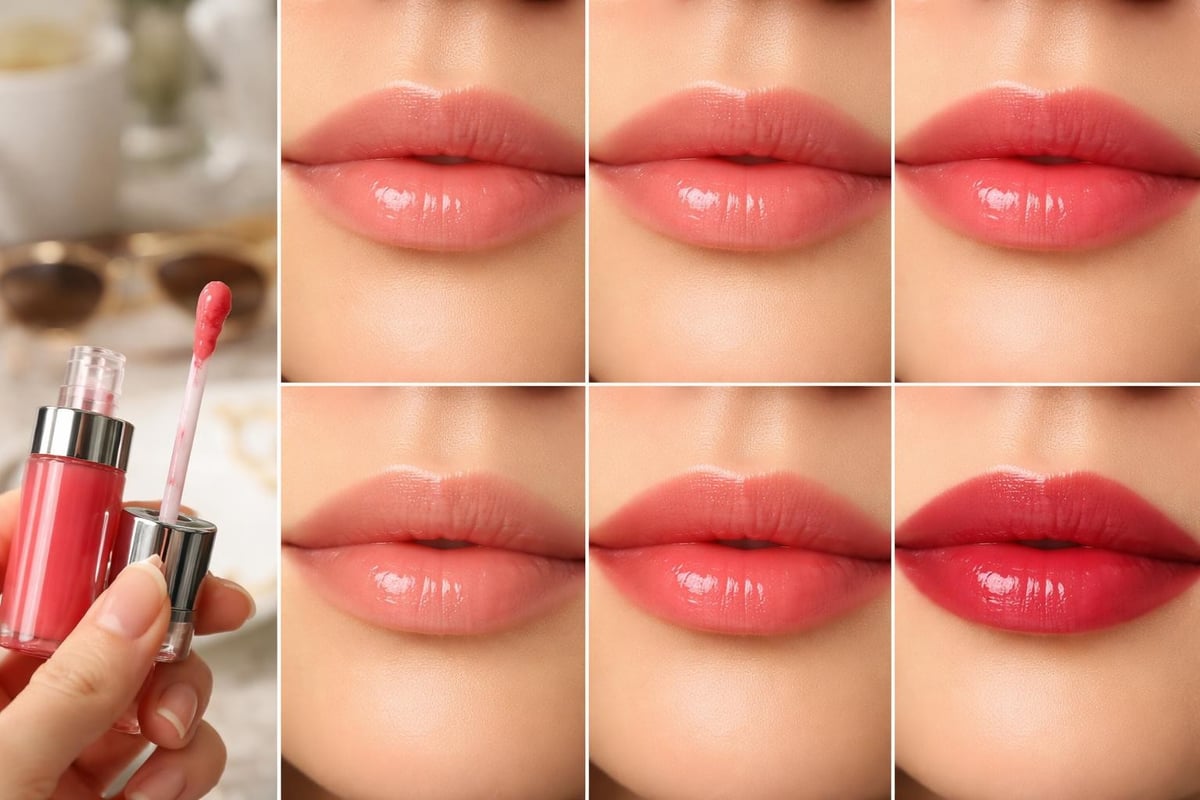
Modern lip oils offer gorgeous color options that range from sheer to buildable tints. The long-lasting tint feature means your lips maintain a beautiful flush throughout the day, even as the glossy finish naturally fades. This staining effect comes from fruit pigments and botanical extracts rather than harsh dyes.
Popular lip oil shades include:
- Soft berry tones for everyday wear
- Subtle wine hues for sophistication
- Peachy shades for warmth
- Clear formulas for natural enhancement
The **Appleberry Lip Oil** demonstrates how a single product can transition from casual daytime wear to an elevated evening look simply by adjusting application thickness.
Balm Limitations and Benefits
Traditional lip balms typically offer limited color options, focusing instead on therapeutic benefits. Clear balms remain the standard, though some brands now offer tinted versions.
The matte to subtle shine finish suits those who prefer an understated look or need something appropriate for professional settings where high shine might feel out of place.
Ingredients That Matter
Examining ingredients helps clarify the lip oil vs lip balm decision for those with specific skin concerns or preferences. Modern formulations have evolved significantly, offering more sophisticated options than ever before.
What Goes Into Quality Lip Oils
Premium lip oils feature carefully selected botanical ingredients that work together harmoniously. Apple Seed Oil stands out as a powerhouse ingredient, rich in:
- Omega-6 and omega-9 fatty acids
- Vitamin E for antioxidant protection
- Natural polyphenols that protect against environmental damage
- Lightweight emollients that absorb quickly
Fruit extracts add both functional benefits and natural fragrance. These include pomegranate, cranberry, cherry, and plum extracts that provide vitamins and create delightful sensory experiences. The **Applewine Lip Oil** showcases how sophisticated combinations create unique results.
Vegan formulations ensure no animal-derived ingredients appear in the product, aligning with ethical beauty standards. This commitment to cruelty-free practices means no animal testing at any production stage.
Traditional Balm Ingredients
Lip balms rely on different ingredient categories:
| Ingredient Type | Purpose | Common Examples |
|---|---|---|
| Waxes | Create protective barrier | Beeswax, candelilla wax, carnauba wax |
| Butters | Provide rich moisture | Shea butter, cocoa butter, mango butter |
| Oils | Add emolliency | Coconut oil, almond oil, sunflower oil |
| Occlusives | Seal in moisture | Petroleum jelly, lanolin, dimethicone |
These formulations excel at protection but may not offer the same nutrient delivery as plant-based oils.
When to Use Lip Oil vs Lip Balm
Choosing between these products often depends on your immediate needs and lifestyle. Many beauty enthusiasts discover that owning both provides maximum flexibility.
Perfect Situations for Lip Oil
Lip oils shine in these scenarios:
- Daily makeup routines where you want color and care combined
- Mild to moderate dryness that needs regular maintenance
- Layering over lipstick to refresh color and add dimension
- Photo-ready moments when you want that glossy, plump appearance
- Warmer weather when heavy products feel uncomfortable
The silky texture makes lip oils perfect for frequent reapplication without buildup or heaviness. You can apply them multiple times throughout the day without your lips feeling coated.
Ideal Balm Moments
Reach for lip balm when you encounter:
- Extremely cold, windy weather conditions
- Severe chapping or cracking that needs intensive repair
- Overnight treatment for maximum healing
- Outdoor activities like skiing or hiking
- Situations where shine isn't appropriate or desired
The 2-in-1 Advantage
The lip oil vs lip balm conversation has evolved as innovative products blur traditional categories. Understanding this evolution helps you appreciate modern formulations.
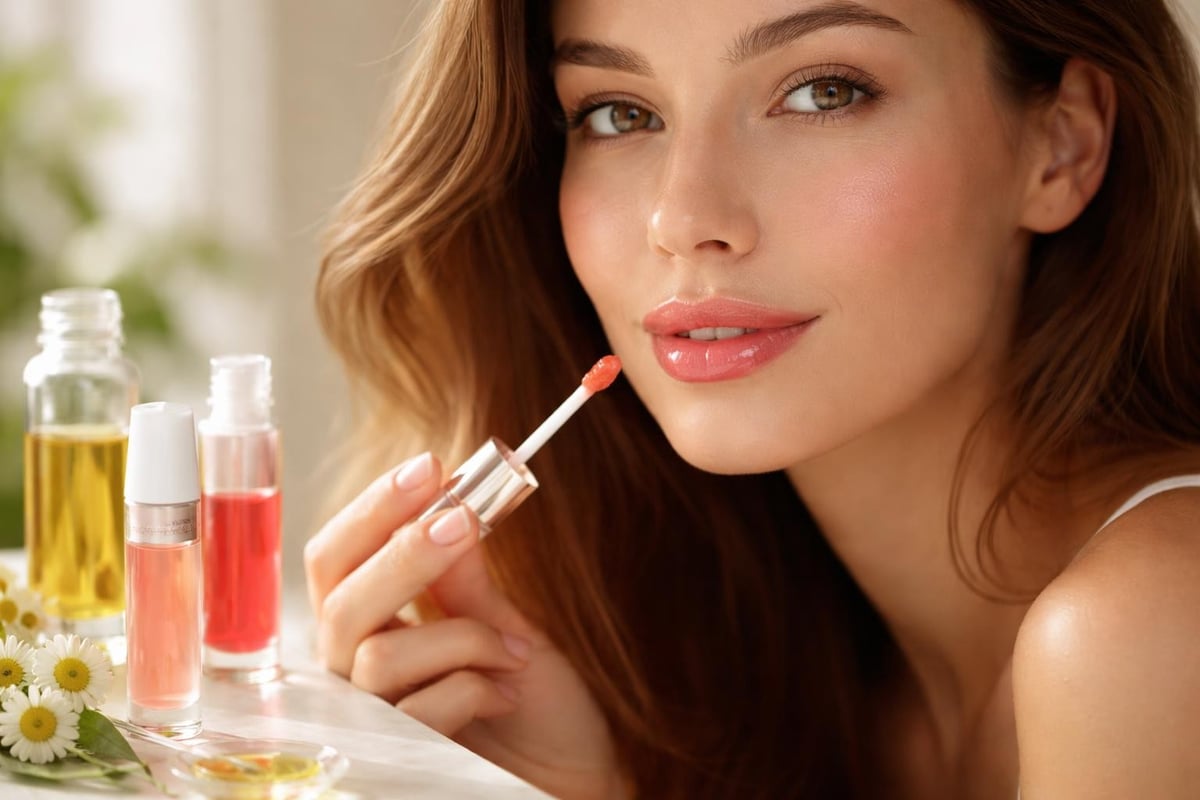
The 2-in-1 function of quality lip oils represents a significant advancement in lip care. Rather than choosing between treatment and enhancement, you get both in a single step. This efficiency appeals to busy lifestyles while delivering serious skincare benefits.
Streamlining Your Routine
Modern beauty routines emphasize multifunctional products that save time without compromising results. A well-formulated lip oil eliminates the need for:
- Separate lip treatment application
- Additional gloss or shine products
- Frequent reapplication of multiple products
- Complex layering techniques
The **Ginseng Deep Clean Lip Oil Set** demonstrates how thoughtfully crafted products can address multiple concerns while feeling effortless to use.
Sustainability and Ethical Considerations
For conscious consumers, the lip oil vs lip balm decision extends beyond performance to values and environmental impact. K-beauty brands have pioneered approaches that prioritize both effectiveness and responsibility.
Eco-Friendly Formulations
Vegan lip oils use plant-based ingredients that often require fewer resources to produce than animal-derived alternatives. This choice supports sustainable agriculture while delivering exceptional results.
Cruelty-free certification ensures that no animals suffered during product development or testing. This ethical stance has become increasingly important to beauty consumers worldwide.
Locally sourced ingredients from Korea reduce transportation emissions while supporting regional agriculture. This farm-to-formula approach maintains freshness and potency while minimizing environmental footprint.
Packaging Innovations
Many modern lip oil brands focus on:
- Recyclable glass or plastic components
- Minimal excess packaging
- Refillable options where possible
- Biodegradable shipping materials
These efforts make choosing lip oil over traditional balm an environmentally conscious decision in many cases.
Building Your Lip Care Collection
Rather than viewing lip oil vs lip balm as an either-or decision, consider how both might serve different roles in your routine. Strategic collection building ensures you're prepared for any situation.
The Minimalist Approach
If you prefer keeping things simple, start with one versatile lip oil that matches your lifestyle. Look for a shade that complements your natural coloring and can transition from casual to dressy occasions.
The **Lip Oil Signature Duo Bundle** offers variety without overwhelming your collection, perfect for those who want options without excess.
The Complete Routine
For comprehensive lip care, consider this framework:
Morning: Apply lip oil as part of your makeup routine for hydration and subtle color
Throughout the day: Reapply lip oil as needed for moisture and shine
Evening: Layer a richer lip oil or switch to balm for intensive overnight treatment
As needed: Keep travel-size versions in your bag, car, and desk
Seasonal Adjustments
Your lip care needs shift throughout the year:
| Season | Primary Product | Secondary Product | Special Considerations |
|---|---|---|---|
| Spring | Lip oil with light tint | Balm for occasional use | Pollen allergies may increase sensitivity |
| Summer | Non-sticky lip oil | Balm with SPF | Hydration without heaviness |
| Fall | Deeper tinted lip oil | Richer balm formula | Transition to more protection |
| Winter | Intensive lip oil | Heavy-duty balm | Maximum barrier protection needed |
Application Techniques for Best Results
Getting the most from your products requires proper application methods. These techniques work whether you're team lip oil or using both options strategically.
Maximizing Lip Oil Benefits
Follow these steps for optimal results:
- Start with clean, dry lips for best absorption
- Apply a thin layer and allow it to penetrate for 30 seconds
- Add additional layers to build color intensity if desired
- Use the applicator tip to define your lip line
- Blot gently with tissue if you want a stained effect without shine
For the plumping effect, focus application on the center of your lips and blend outward. This technique maximizes light reflection for the appearance of fuller lips.
Smart Balm Application
When using balm strategically:
- Apply at night after brushing your teeth for overnight treatment
- Layer over lip oil in extreme weather for extra protection
- Use before applying matte lipstick to prevent drying
- Keep a stick in every jacket pocket during winter months
Understanding Product Longevity
The lip oil vs lip balm comparison includes practical considerations like how long each product lasts both on your lips and in the package.
Wear Time Comparison
Lip oils typically require reapplication every 2-4 hours, though the long-lasting tint remains visible even after the glossy finish fades. This staining quality means you maintain enhanced lip color throughout the day with minimal touch-ups.
Balms often last 4-6 hours before needing renewal, though eating and drinking affect both products similarly. The heavier texture means balm stays put longer in stable conditions.
Shelf Life Considerations
Natural, vegan formulations may have shorter shelf lives than synthetic alternatives because they lack harsh preservatives. Typically:
- Lip oils remain effective for 12-18 months after opening
- Lip balms last 18-24 months due to their waxy, stable formulas
- Both should be stored away from direct heat and sunlight
- Natural separation in lip oils is normal-gentle shaking restores consistency
Price Point and Value Assessment
Budget considerations play a role in the lip oil vs lip balm decision for many consumers. Understanding what you're paying for helps justify investment in quality products.
What Influences Lip Oil Pricing
Premium lip oils cost more due to:
- High-quality botanical oils and fruit extracts
- Research and development for vegan, cruelty-free formulations
- Sophisticated packaging with precise applicators
- Multi-functional benefits combining care and color
- Ethical sourcing and sustainable practices
The **Lip Oil Trio Set** offers better value than individual purchases while letting you explore multiple shades.
Balm Economics
Traditional balms generally cost less because:
- Simpler formulations with fewer expensive ingredients
- Basic packaging requirements
- Longer market presence means established supply chains
- Single-function focus on protection
However, truly effective balms with quality ingredients approach lip oil pricing, narrowing the gap.
Common Misconceptions Clarified
Several myths persist about both products that deserve correction for informed decision-making.
Myth: Lip oils are just glorified glosses Reality: Quality lip oils provide genuine skincare benefits through nourishing ingredients that improve lip health over time, unlike glosses that only add shine
Myth: You need balm for "real" hydration Reality: Modern lip oils deliver deep hydration that penetrates lip tissue rather than just sitting on the surface
Myth: Lip products create dependency Reality: Your lips don't become "addicted" to either product-proper hydration simply makes dryness less noticeable when you skip application
Myth: Lip oils don't work in cold weather Reality: While balms offer more occlusive protection, lip oils with the right formulation provide excellent cold-weather hydration, especially when layered strategically
The lip oil vs lip balm debate ultimately comes down to your personal needs, preferences, and lifestyle. Both products serve valuable purposes, with lip oils offering that perfect combination of deep hydration, non-sticky texture, and long-lasting tint that modern beauty lovers crave. Whether you're drawn to the 2-in-1 function or the plumping effect of quality formulations, understanding these differences empowers you to make the best choice for your lips. Explore nooni's collection of vegan, cruelty-free lip oils featuring Apple Seed Oil and fruit extracts to experience the elevated simplicity of K-beauty innovation for yourself.
Read more
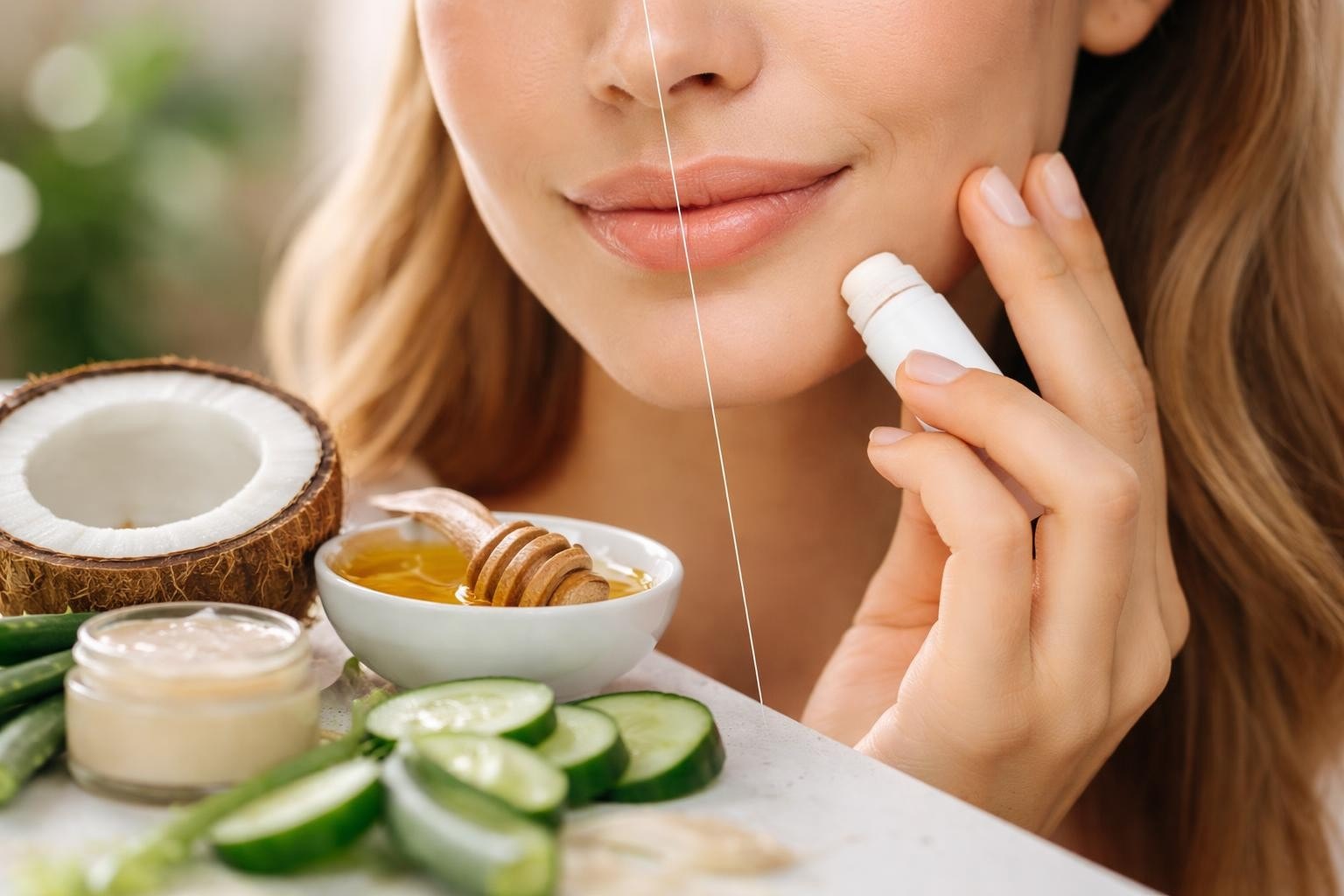
Learn how to nourish dry lips with expert tips, ingredients, and sustainable K-beauty solutions. Discover hydrating routines for soft, healthy lips.

Discover why k-beauty lip oil for college students is the perfect multitasking solution. Non-sticky hydration, natural tint, and budget-friendly care.