



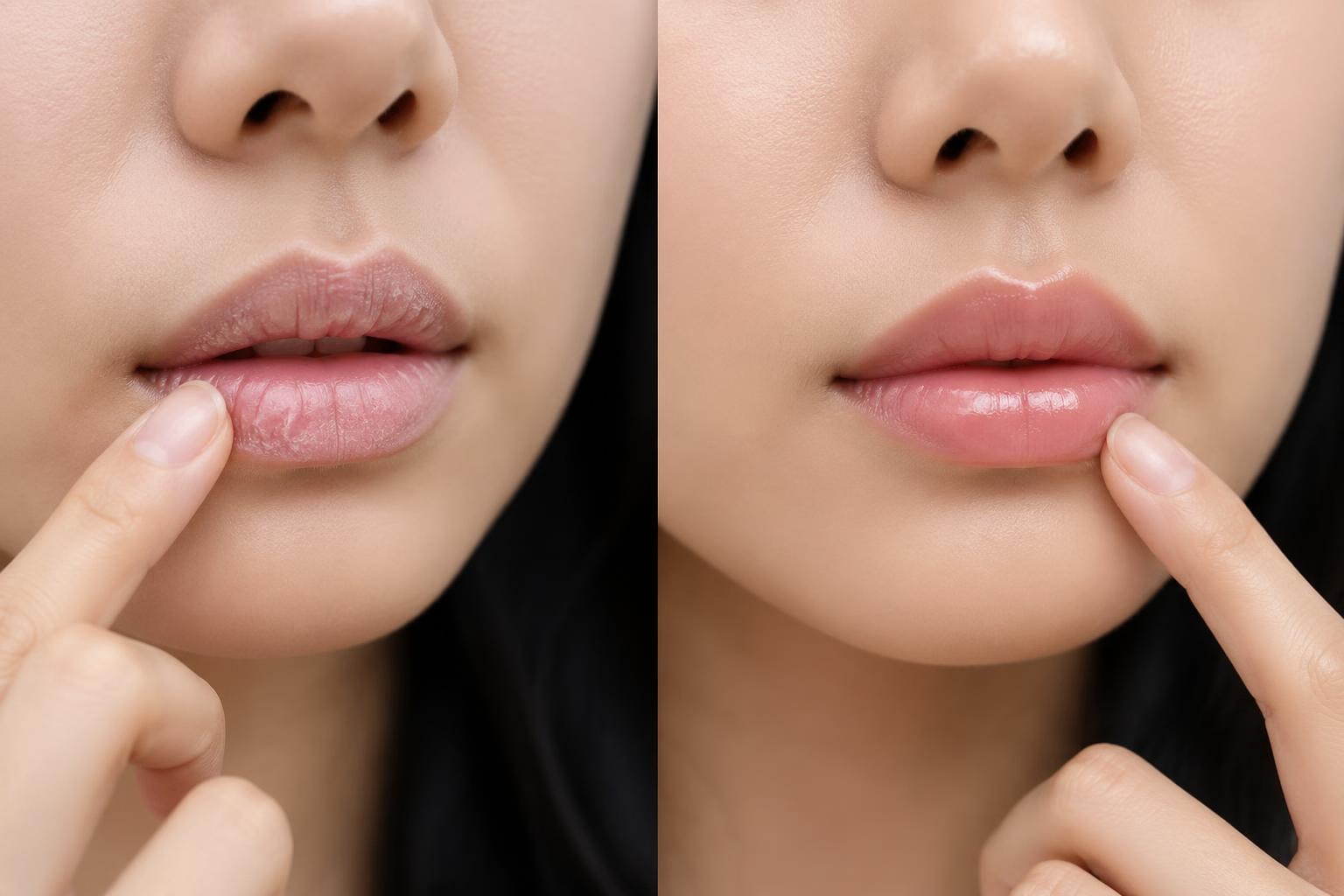
Lip Care Routine for Dry Lips: Complete Guide 2026
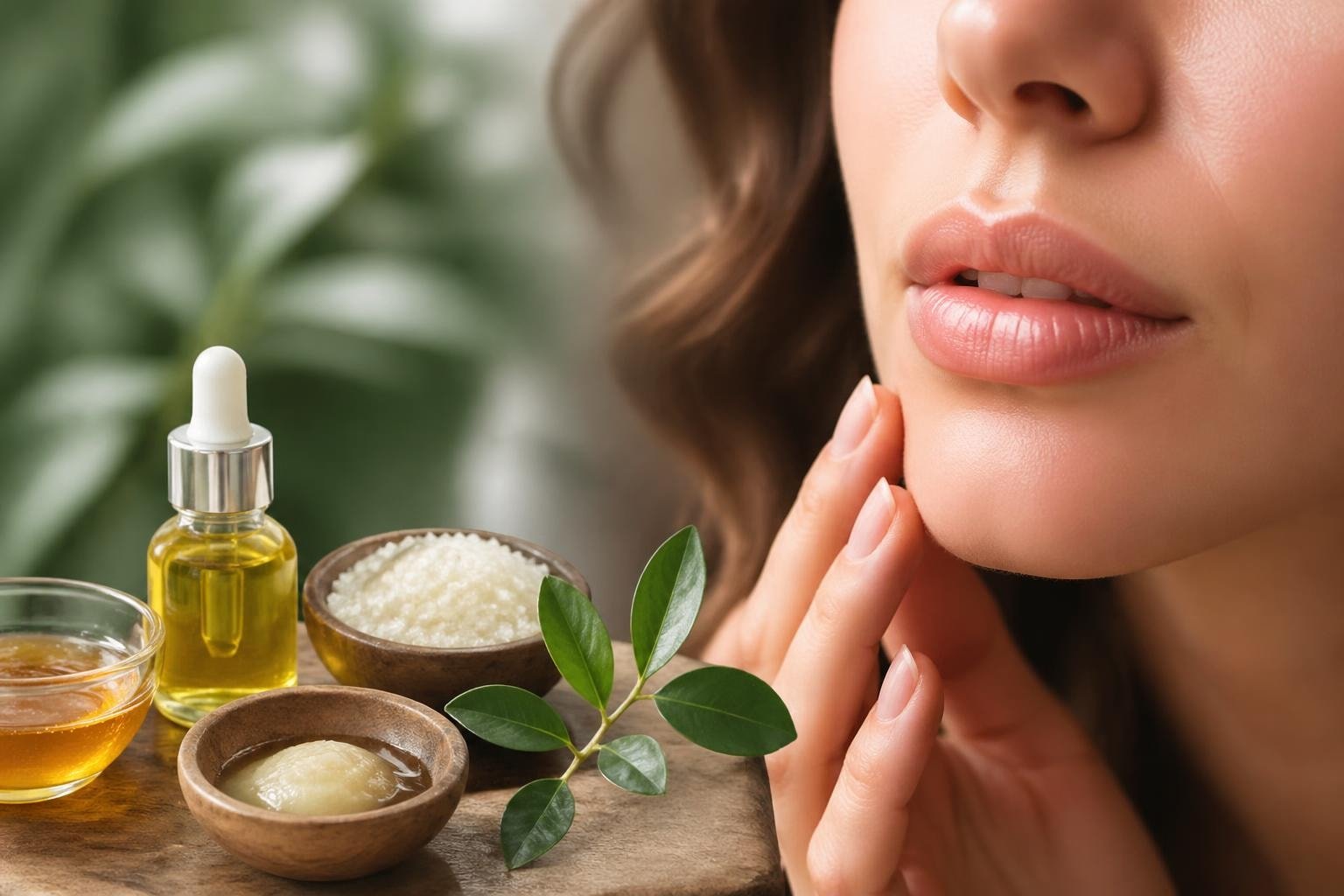
Dry, chapped lips can be frustrating, uncomfortable, and surprisingly difficult to remedy without the right approach. Whether you're dealing with seasonal dryness, environmental factors, or simply looking to maintain healthier lips, establishing a consistent lip care routine for dry lips is essential. Unlike the skin on the rest of your face, your lips lack oil glands, making them particularly vulnerable to moisture loss and damage. This comprehensive guide will walk you through building an effective routine using K-beauty principles and innovative solutions that combine hydration, protection, and nourishment for lasting results.
Understanding Why Your Lips Become Dry
The delicate skin on your lips requires special attention because it's fundamentally different from facial skin. Your lips are approximately 3-5 times thinner than the skin on your cheeks, with no sebaceous glands to produce natural oils.
This structural difference makes lips highly susceptible to dehydration. Environmental stressors like wind, cold weather, and UV exposure rapidly strip moisture from lip tissue. Indoor heating and air conditioning create similarly challenging conditions by reducing ambient humidity.
Additionally, certain habits can worsen dryness, including:
- Licking your lips frequently (saliva evaporates and causes more dryness)
- Breathing through your mouth
- Using irritating lip products with fragrances or harsh chemicals
- Not drinking enough water throughout the day
- Taking certain medications that reduce moisture levels

Understanding these causes helps you address the root problems rather than just treating symptoms. A proper lip care routine for dry lips tackles both prevention and repair.
Building Your Morning Lip Care Routine
Starting your day with intentional lip care sets the foundation for lasting hydration. Your morning routine should focus on protection and moisture retention throughout the day.
Gentle Cleansing and Preparation
Begin by gently patting your lips with a damp, soft cloth to remove any residue from overnight treatments. Avoid rubbing or harsh wiping motions that can irritate sensitive skin.
If you notice flaking, resist the urge to pick or bite. Instead, apply a warm, damp compress for 30 seconds to soften dead skin naturally.
Hydration Layer
According to research on hydration's role in skin health, maintaining moisture balance is critical for barrier function. Apply a hydrating treatment that penetrates deeply rather than sitting on the surface.
Non-sticky lip oil formulations work exceptionally well for morning application because they absorb quickly while creating a protective barrier. Unlike traditional glosses, modern lip oils provide hydration without the tacky feeling that can interfere with drinking coffee or eating breakfast.
Protection Against Environmental Damage
Before heading outdoors, ensure your lip product contains protective elements. Korean beauty formulations often incorporate antioxidant-rich fruit extracts that shield against free radical damage while nourishing lips.
The nooni AppleMulberry Lip Oil exemplifies this approach, combining Apple Seed Oil for deep hydration with protective botanical ingredients. This vegan formula delivers a non-sticky, silky texture that feels comfortable throughout the day.
Essential Components of a Lip Oil
Understanding what makes lip oil effective helps you choose the right products for your routine. Lip oil is a hybrid treatment that combines the nourishing properties of facial oils with the glossy finish of traditional lip products, serving as both a treatment and a cosmetic enhancement.
What Is Lip Oil and Why Use It?
Lip oil is a lightweight, oil-based lip treatment formulated to hydrate, nourish, and enhance lips with a glossy finish. Unlike lip balm (which creates a waxy barrier) or lip gloss (which prioritizes shine), lip oil actually treats dryness while providing visual benefits.
Key benefits of lip oil include:
- Deep hydration: Plant-based oils penetrate lip tissue to restore moisture from within
- Non-sticky formula: Silky texture that feels comfortable, not tacky or heavy
- Long-lasting tint: Natural staining effect that subtly enhances lip color
- Plumping effect: Hydrated lips appear fuller and smoother naturally
- 2-in-1 function: Works as both a treatment and a cosmetic product
Lip Oil vs Lip Gloss: Understanding the Difference
Many people wonder about lip oil vs lip gloss and which is better for dry lips. The distinction is significant.
| Feature | Lip Oil | Lip Gloss |
|---|---|---|
| Primary Purpose | Hydration and treatment | Shine and color |
| Texture | Lightweight, non-sticky | Often sticky or tacky |
| Ingredients | Nourishing plant oils | Waxes, polymers, silicones |
| Longevity | Absorbs and conditions | Sits on surface, wears off quickly |
| Best For | Dry, damaged lips | Healthy lips needing shine |
For anyone dealing with persistent dryness, lip oil for dry lips provides superior therapeutic benefits while still delivering the glossy aesthetic many people want.
Evening Lip Care Routine for Deep Repair
Nighttime offers the perfect opportunity for intensive repair because you won't be eating, drinking, or talking. Your evening lip care routine for dry lips should focus on maximum nourishment and cellular repair.
Exfoliation (When Needed)
Exfoliate 2-3 times per week, not daily. Over-exfoliating can damage the delicate lip barrier and worsen dryness.
Gentle exfoliation methods:
- Mix one teaspoon of honey with half a teaspoon of sugar
- Apply to damp lips using circular motions for 30 seconds
- Rinse with lukewarm water and pat dry
- Follow immediately with intensive hydration
The Time magazine guide on treating dry skin emphasizes gentle exfoliation as a crucial step for allowing moisturizing products to penetrate effectively.
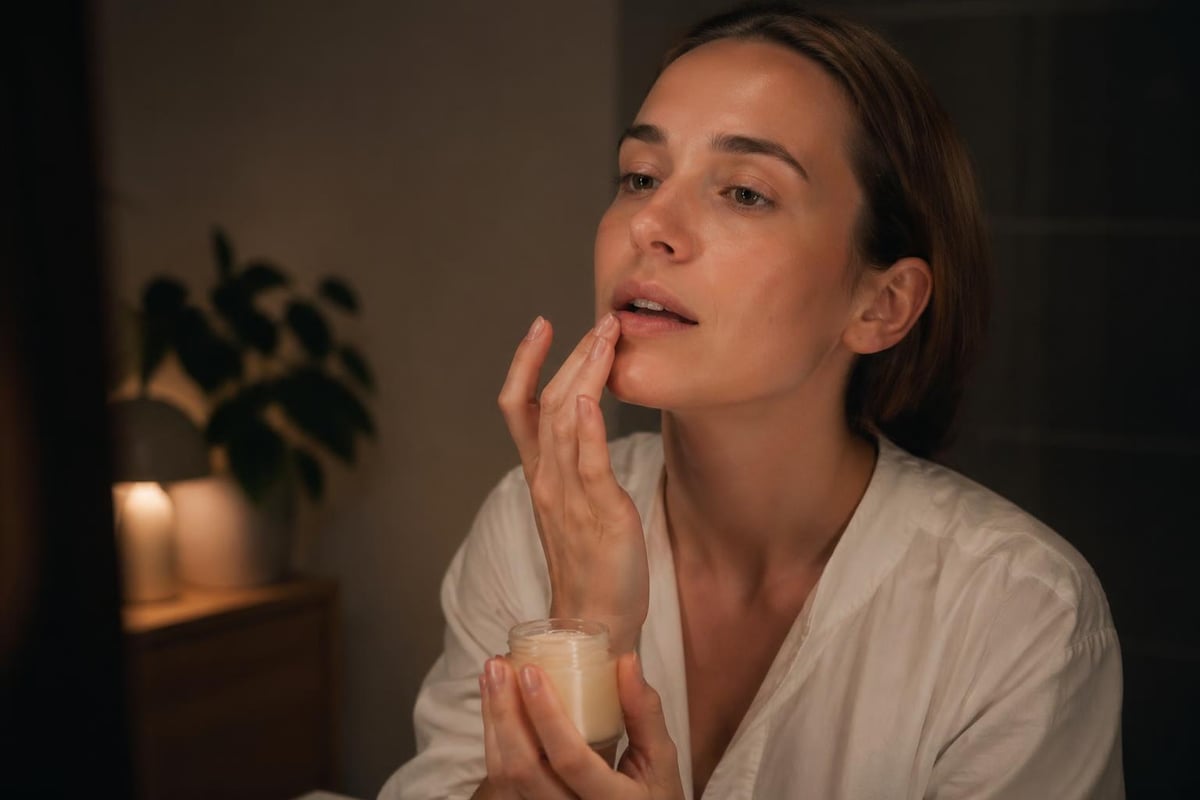
Intensive Overnight Treatment
After cleansing and any exfoliation, apply a rich, nourishing treatment. Look for formulations with penetrating oils rather than just occlusive ingredients.
The AppleCherry Lip Oil works beautifully as an overnight treatment, combining deep hydration with natural fruit extracts. Its plumping effect becomes especially noticeable with consistent overnight use as lips rebuild their natural moisture barrier.
Creating an Occlusive Seal
For severely dry lips, consider layering an occlusive product over your lip oil to seal in treatment ingredients. This technique, sometimes called "slugging" for lips, prevents transepidermal water loss overnight.
Apply a thin layer of a petroleum-based product or rich balm as the final step, allowing your lip oil to work underneath while the occlusive layer prevents moisture escape.
Weekly Intensive Treatments
Beyond daily care, incorporating weekly treatments amplifies results and addresses stubborn dryness that doesn't respond to basic routines.
Lip Masks for Deep Conditioning
Lip masks deliver concentrated ingredients in a format that encourages extended contact time. Use them once or twice weekly for 10-15 minutes.
The lip mask collection from specialized K-beauty brands often contains hydrating ingredients like hyaluronic acid, botanical oils, and vitamins that transform severely dry lips.
DIY Natural Treatments
Complement commercial products with natural treatments using ingredients from your kitchen:
- Coconut oil and vitamin E: Mix equal parts and apply before bed
- Aloe vera gel: Soothes irritation and adds moisture
- Cucumber slices: Place on lips for 10 minutes to cool and hydrate
- Rose water: Mist lips throughout the day for refreshing hydration
These natural options work particularly well for those seeking affordable lip balm for sensitive lips alternatives or dealing with product sensitivities.
Choosing the Right Products for Your Routine
Product selection makes or breaks your lip care routine for dry lips. Focus on formulations that align with your specific needs and lifestyle.
Reading Ingredient Labels
Hydrating ingredients to seek:
- Plant oils (jojoba, argan, rosehip, apple seed)
- Hyaluronic acid (binds water to lips)
- Ceramides (repair barrier function)
- Vitamin E (antioxidant protection)
- Shea butter (nourishing and protective)
Ingredients to avoid:
- Artificial fragrances
- Phenol, menthol, or camphor (can be drying)
- Salicylic acid (unless specifically treating a condition)
- Heavy alcohols (alcohol denat, isopropyl alcohol)
According to the Associated Press report on lip balm effectiveness, some conventional lip products contain potential allergens that may worsen dryness for sensitive individuals.
Vegan and Cruelty-Free Considerations
Modern consumers increasingly prioritize ethical beauty choices. Vegan lip care products exclude animal-derived ingredients like beeswax and lanolin, relying instead on plant-based alternatives that often prove gentler and more sustainable.
Cruelty-free certifications ensure no animal testing occurred during product development. K-beauty brands frequently emphasize these values, combining ethical production with effective formulations using locally sourced Korean ingredients.
Understanding Product Formats
| Format | Best For | Application Frequency |
|---|---|---|
| Lip Oil | Daily hydration, 2-in-1 treatment | 2-3 times daily |
| Lip Balm | Quick protection on-the-go | As needed |
| Lip Mask | Intensive weekly treatment | 1-2 times weekly |
| Lip Serum | Targeted repair of severe damage | Nightly |
The best recommended lip balm for your routine depends on your specific challenges and lifestyle requirements.
Lifestyle Factors That Support Lip Health
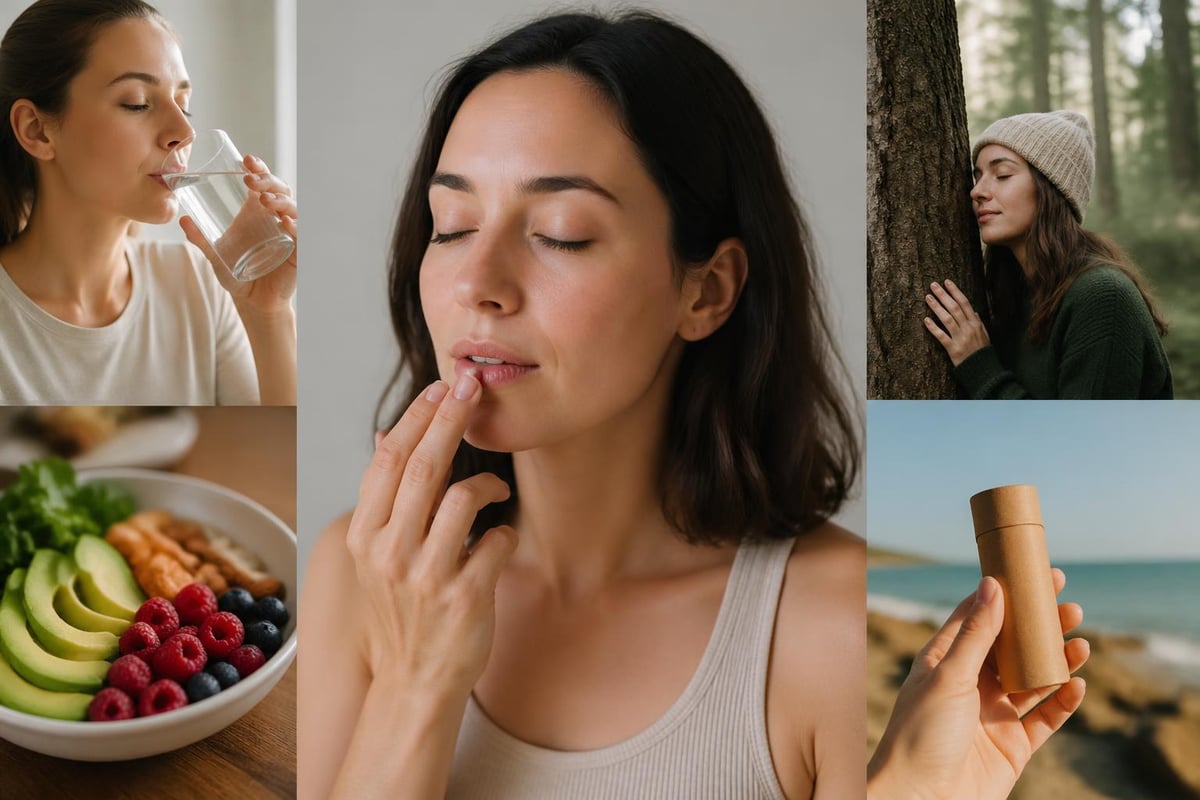
Your daily habits significantly impact lip condition. A comprehensive lip care routine for dry lips extends beyond topical products to include supportive lifestyle practices.
Hydration from Within
Drinking adequate water remains fundamental to skin and lip health. Research on hydration and skin health demonstrates that systemic hydration directly affects surface moisture levels.
Daily hydration goals:
- Drink at least 8 glasses of water
- Consume water-rich foods (cucumbers, watermelon, oranges)
- Limit dehydrating beverages like excessive coffee or alcohol
- Keep water nearby as a reminder to sip regularly
Nutritional Support
Certain nutrients support lip health from inside out. Omega-3 fatty acids reduce inflammation and improve moisture retention. B vitamins prevent cracking and peeling. Vitamin C supports collagen production for plump, healthy lips.
Include these foods in your diet regularly:
- Fatty fish (salmon, mackerel)
- Nuts and seeds (especially walnuts and flaxseeds)
- Leafy greens
- Citrus fruits
- Avocados
Environmental Protection Strategies
Modify your environment to support lip health:
- Use a humidifier during winter months when heating dries indoor air
- Wear a scarf over your mouth in cold, windy weather
- Apply SPF protection before sun exposure (lips are highly vulnerable to UV damage)
- Avoid excessive air conditioning or take breaks in naturally ventilated spaces
Seasonal Adjustments to Your Routine
Your lip care routine for dry lips should adapt to changing environmental conditions throughout the year.
Winter Care Strategies
Cold weather demands more intensive protection. Increase the frequency of your dry lip therapy applications from twice to three or four times daily.
Layer products strategically: Start with a hydrating lip oil, allow it to absorb, then apply an occlusive balm before going outdoors. This combination prevents moisture loss in harsh conditions.
Summer Adaptations
Heat and sun exposure create different challenges. Prioritize products with antioxidants that protect against free radical damage from UV rays.
Switch to lighter formulations during summer if heavy products feel uncomfortable. Non-sticky lip oil works perfectly for warm weather because it hydrates without the heavy feeling that melts in heat.
Transition Seasons
Spring and fall bring fluctuating conditions that can confuse your lips. Maintain consistency in your core routine while adjusting specific products based on daily weather.
Keep multiple product types accessible so you can customize based on whether the day is humid, dry, warm, or cool.
Addressing Specific Lip Concerns
Different types of lip issues require targeted approaches within your overall routine.
Chronic Chapping and Cracking
Persistent chapping often indicates barrier damage. Focus on repair-oriented ingredients like ceramides and fatty acids that rebuild the protective layer.
Avoid products that provide temporary relief but don't address underlying issues. The Healthline lip care routine guide emphasizes that effective treatment requires rebuilding the moisture barrier, not just adding surface hydration.
Sensitivity and Allergic Reactions
If your lips react to most products, simplify your routine drastically. Use single-ingredient treatments like pure coconut oil or jojoba oil to identify whether you're reacting to specific additives.
Look for fragrance-free, hypoallergenic formulations certified for sensitive skin. The lip care collection from specialized brands often includes options specifically formulated for reactive lips.
Dark or Pigmented Lips
Pigmentation changes can occur from sun exposure, smoking, or certain medications. While hydration won't change pigmentation, healthy lips appear more even-toned and vibrant.
Brightening approaches:
- Regular exfoliation to remove darkened dead skin
- Vitamin C treatments for gentle lightening
- Consistent SPF protection to prevent further darkening
- Fruit extract formulas (like apple or mulberry) with natural brightening properties
Age-Related Lip Thinning
As we age, lips naturally lose volume and moisture. A strategic lip care routine for dry lips can minimize these effects through consistent hydration and plumping ingredients.
Products with plumping effects work by increasing hydration, which temporarily makes lips appear fuller. Natural oils like apple seed oil provide this benefit without irritating stimulants found in some plumping formulas.
Building Consistency and Tracking Results
The most effective routine is one you'll actually follow. Building sustainable habits requires strategic planning and realistic expectations.
Creating Routine Triggers
Link lip care to existing habits:
- Apply lip oil immediately after brushing teeth (morning and night)
- Keep lip treatment on your desk for midday application
- Set phone reminders until the routine becomes automatic
- Store products where you'll see them regularly
Measuring Progress
Take photos of your lips weekly to track improvement. Visible changes may take 2-4 weeks of consistent care.
Signs your routine is working:
- Reduced flaking and peeling
- Smoother texture
- Less tightness or discomfort
- Improved color and vibrancy
- Fewer cracks or splits
- Better retention of lip color products
Adjusting Based on Results
If you're not seeing improvement after one month, reassess your approach. Consider whether you're:
- Using products consistently enough
- Choosing formulations appropriate for your specific dryness level
- Addressing underlying lifestyle factors (hydration, nutrition)
- Potentially reacting to specific ingredients
The nourishing lip oil approach combines treatment with maintenance, adapting as your lips improve and require less intensive care.
Professional Guidance and When to Seek Help
While most dry lips respond well to consistent home care, some situations require professional evaluation.
When to Consult a Dermatologist
Seek professional advice if you experience:
- Persistent cracking that doesn't heal within 2-3 weeks
- Bleeding or painful sores on lips
- Significant swelling or inflammation
- Changes in lip color or texture that concern you
- Suspected allergic reactions to lip products
Conditions like angular cheilitis, eczema, or psoriasis affecting the lips require specific medical treatments beyond standard lip care routines.
Professional Treatments
Dermatologists may recommend:
- Prescription strength hydrating ointments
- Steroid creams for inflammatory conditions
- Phototherapy for certain chronic issues
- Allergy testing to identify problematic ingredients
Combining professional treatment with an appropriate home lip care routine for dry lips provides the best outcomes for challenging cases.
Developing a comprehensive lip care routine for dry lips transforms not just the appearance of your lips, but your daily comfort and confidence. By combining protective morning care, restorative evening treatments, and supportive lifestyle habits, you create the foundation for lasting lip health. K-beauty innovations like non-sticky lip oil with Apple Seed Oil and fruit extracts offer effective, vegan solutions that hydrate without compromise. Discover how nooni can elevate your lip care journey with sustainably crafted, plant-based formulations designed specifically for dry, sensitive lips seeking both treatment and beauty in one elegant product.
Read more
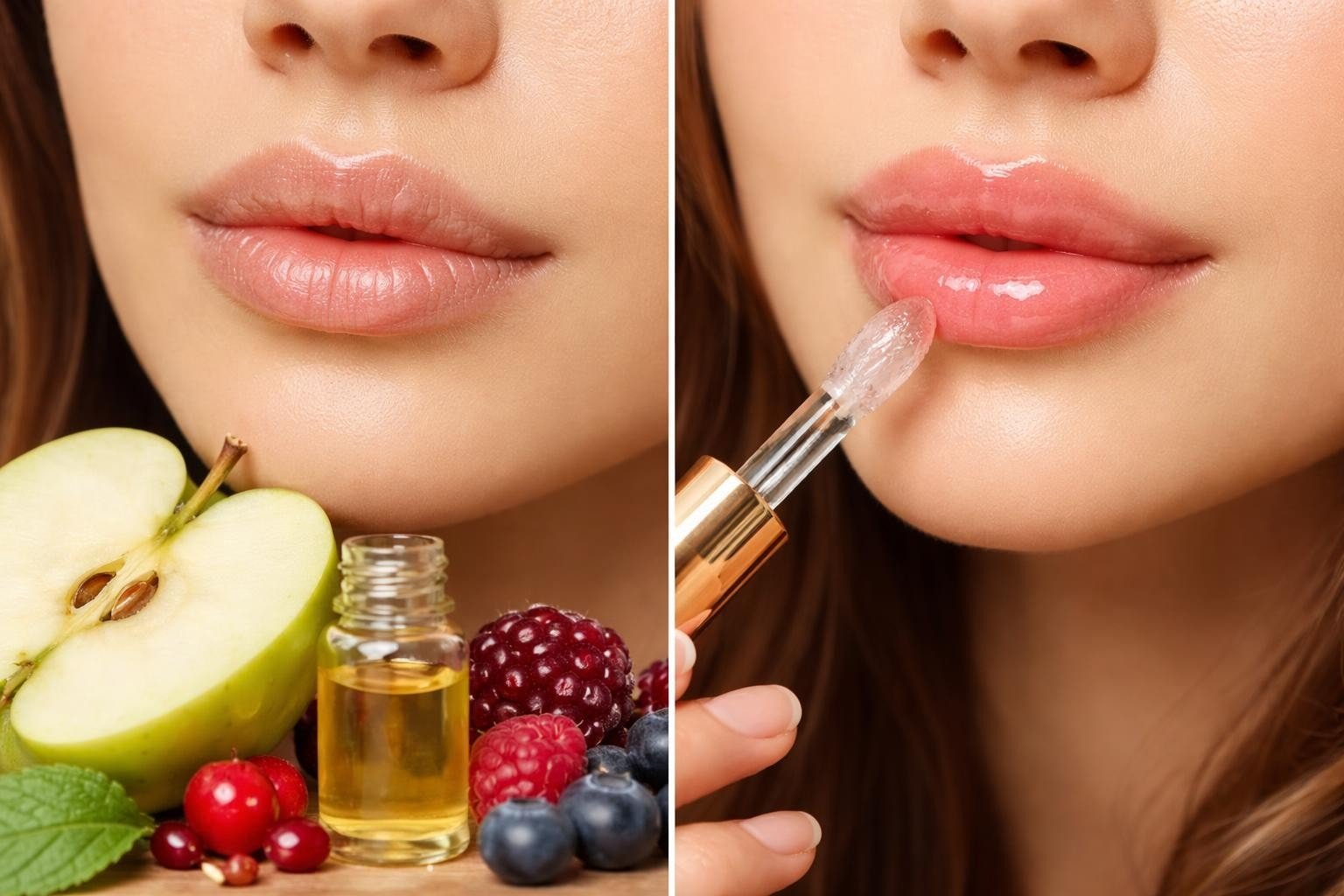
Discover the top vegan lip oil benefits, from non-sticky hydration to natural plumping effects. Learn why K-beauty lip oils outperform gloss.
Discover natural methods to achieve glossy, hydrated lips with K-beauty techniques, nourishing oils, and sustainable lip care solutions.