



Lip Care for Cracked Lips: Expert Healing Tips (2026)
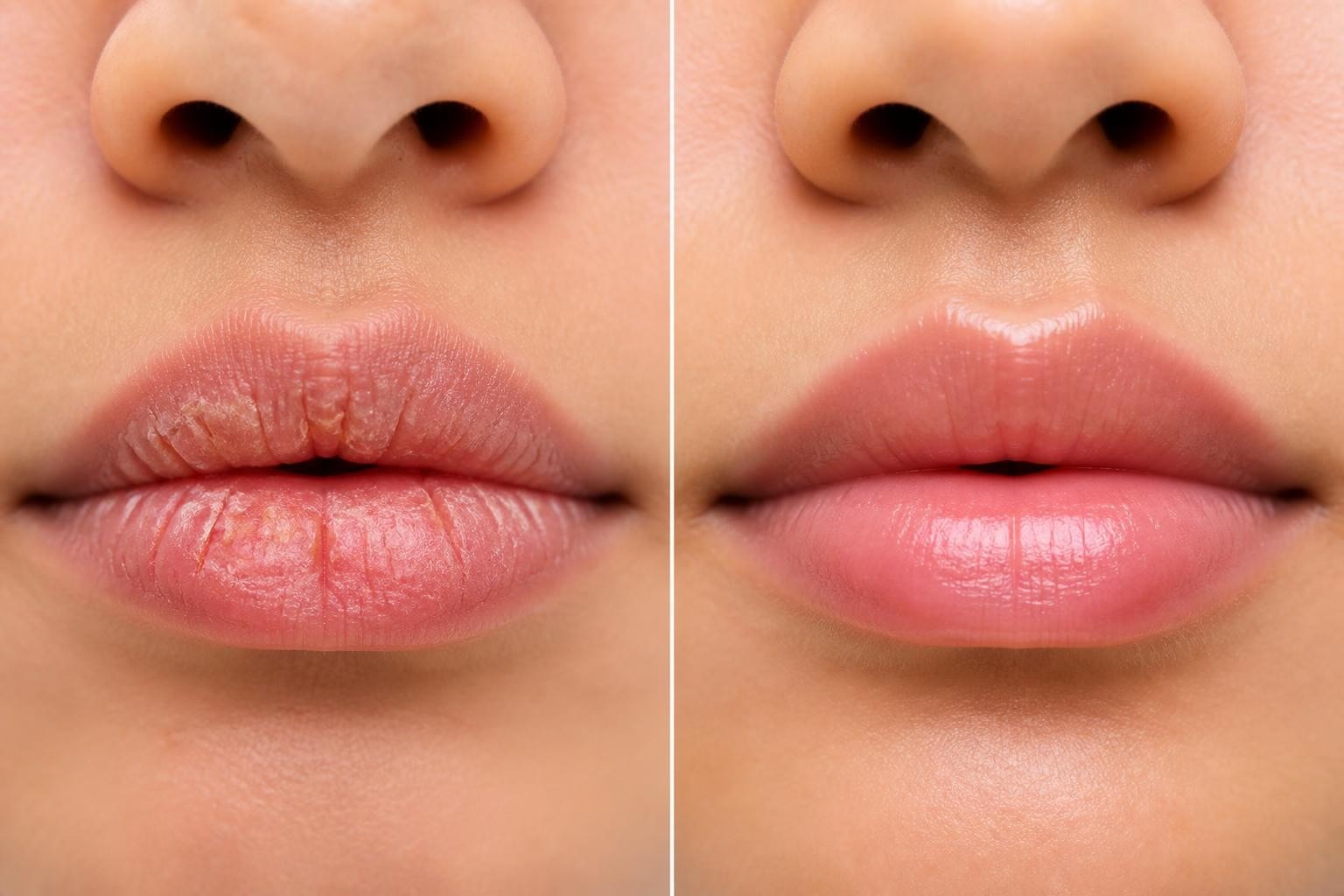
Cracked lips can transform daily activities like eating, speaking, and smiling into uncomfortable experiences. This common condition affects millions of people worldwide, yet many struggle to find effective solutions that provide lasting relief. Understanding the root causes of lip damage and implementing targeted lip care for cracked lips can restore comfort and confidence while preventing future issues from developing.
Understanding Why Lips Crack and Peel
The delicate skin on your lips lacks the protective oil glands found elsewhere on your body, making them particularly vulnerable to environmental stressors and dehydration. This structural difference explains why lips require specialized care and attention.
The Anatomy of Vulnerable Lip Skin
Lip skin is significantly thinner than facial skin, measuring only three to five cellular layers compared to sixteen layers on other areas. This reduced thickness means less natural protection against external aggressors.
Key vulnerability factors include:
Absence of sebaceous glands that produce protective oils
Higher rate of moisture loss compared to regular skin
Constant exposure to air, food, and environmental elements
Limited melanin production offering less UV protection
Research on chapped lips indicates that this unique composition makes lips especially susceptible to drying, cracking, and irritation throughout the year.
Common Triggers of Lip Damage
Environmental conditions play a significant role in lip health deterioration. Cold weather, low humidity, and wind strip moisture from lip surfaces rapidly, creating the perfect conditions for cracking and splitting.
Trigger Category |
Specific Causes |
Impact Level |
|---|---|---|
Weather |
Cold air, wind, low humidity |
High |
Habits |
Lip licking, mouth breathing |
Very High |
Products |
Irritating ingredients, allergens |
Moderate to High |
Health |
Dehydration, vitamin deficiencies |
Moderate |
Behavioral patterns often worsen existing damage. Lip licking provides only temporary moisture relief before saliva evaporation accelerates drying. Mouth breathing during sleep exposes lips to constant air flow that depletes hydration reserves overnight.

Building an Effective Daily Lip Care Routine
Establishing consistent lip care for cracked lips requires morning and evening rituals that prioritize hydration, protection, and gentle treatment. A structured approach yields better results than sporadic interventions.
Morning Protection Strategies
Start each day by assessing lip condition and applying appropriate treatments before exposure to environmental stressors. Morning care sets the foundation for all-day comfort.
Essential morning steps:
Gently exfoliate if needed using a soft, damp cloth
Apply a hydrating treatment with nourishing oils
Layer SPF protection before sun exposure
Choose non-irritating lip color formulations
According to expert lip care guidance, incorporating SPF protection prevents UV damage that compounds cracking and premature aging. Look for broad-spectrum formulas offering at least SPF 30 coverage.
Evening Repair and Restoration
Nighttime represents the optimal period for intensive lip repair since reduced facial movement allows treatments to work undisturbed. This overnight recovery window maximizes healing potential.
Deep hydration becomes the priority during evening routines. Apply rich, nourishing formulations that create a protective barrier while delivering active ingredients to damaged tissue. Lip oils have emerged as superior evening treatments due to their non-sticky texture and deep penetration capabilities.
What makes lip oils particularly effective for nighttime care? Unlike traditional balms that sit on the surface, lip oil for dry lips penetrates deeply while providing a silky, comfortable feel that doesn't transfer to pillows or cause discomfort during sleep.
Comparing Lip Oil to Traditional Treatments
The evolution of lip care has introduced innovative formulations that address the limitations of conventional products. Understanding these differences helps you select the most effective solutions for cracked lip recovery.
Lip Oil vs Lip Gloss: Key Distinctions
Many people confuse lip oils with glosses, but these products serve fundamentally different purposes. Non-sticky lip oil formulations prioritize skin health and hydration, while glosses focus primarily on aesthetic shine.
Feature |
Lip Oil |
Lip Gloss |
|---|---|---|
Primary Function |
Deep hydration + tint |
Shine + color |
Texture |
Silky, non-sticky |
Often sticky |
Absorption |
Penetrates skin |
Sits on surface |
Active Benefits |
Nourishing ingredients |
Primarily cosmetic |
Ideal Use |
Treatment + color |
Finishing touch |
Lip oils offer a 2-in-1 function, delivering both therapeutic benefits and subtle color enhancement. This dual action makes them particularly valuable for those seeking lip care for cracked lips without sacrificing appearance.
The Apple Seed Oil Advantage
Apple Seed Oil has gained recognition in K-beauty formulations for its exceptional moisturizing properties and nutrient density. This lightweight oil absorbs quickly while delivering vitamins E, F, and Coenzyme Q10 to damaged lip tissue.
The plumping effect from Apple Seed Oil occurs naturally as hydration levels increase, creating fuller-looking lips without irritating ingredients. This gentle volumizing action supports the healing process while enhancing aesthetic results.
Modern formulations combine Apple Seed Oil with complementary fruit extracts that provide additional nourishment. Vegan and cruelty-free standards ensure these treatments align with conscious beauty values while maintaining effectiveness.
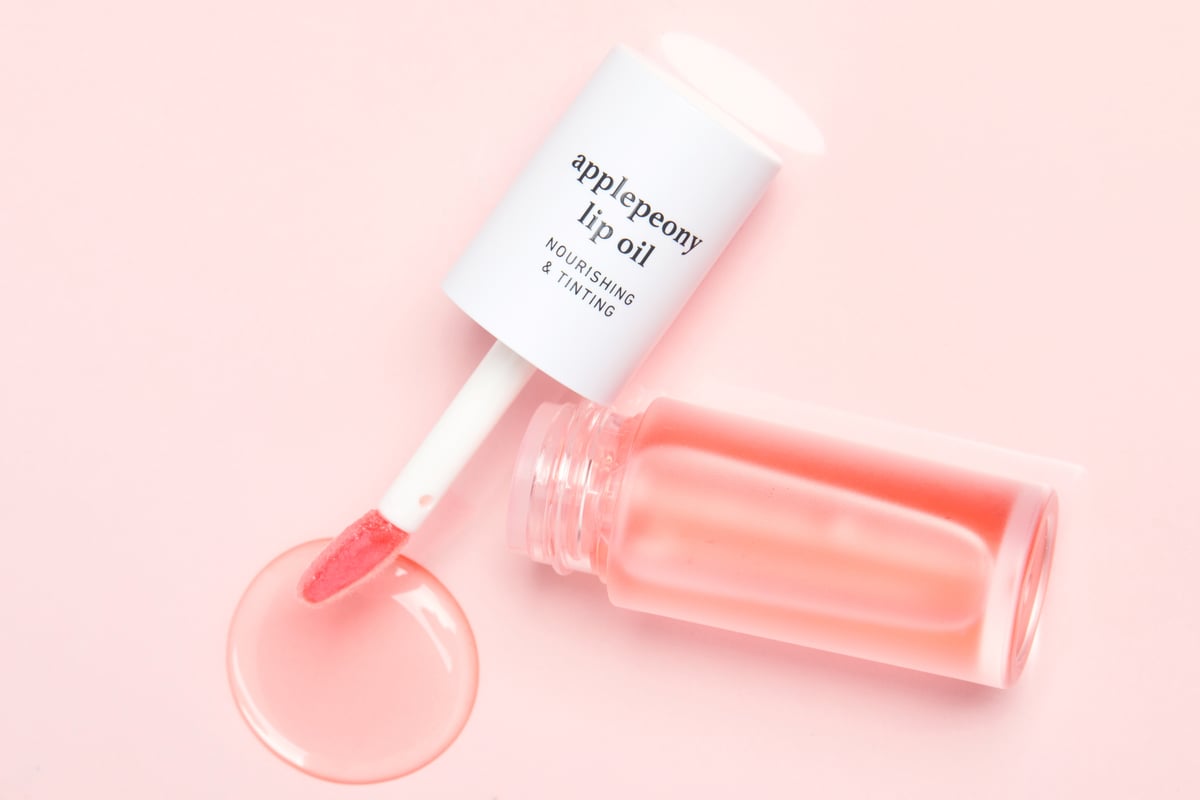
K-beauty brands like nooni have pioneered innovative lip oil formulations that harness the power of locally sourced Korean ingredients. Their approach emphasizes sustainability alongside performance, creating products that heal cracked lips while respecting environmental and ethical standards.
For those seeking immediate relief with lasting benefits, the nooni Applepeony Lip Oil offers a lightweight, non-sticky texture that provides deep hydration and a soft natural tint, making it ideal for everyday lip care and clean makeup looks.

Immediate Relief Techniques for Severely Cracked Lips
When lips reach an advanced state of cracking, bleeding, or severe discomfort, immediate intervention becomes necessary. These techniques provide rapid relief while supporting the healing process.
Emergency Hydration Methods
Severe lip damage requires intensive moisture therapy that goes beyond standard maintenance care. The following methods deliver concentrated hydration to compromised tissue.
Rapid relief protocol:
Apply a thick layer of nourishing lip oil or treatment
Cover with a clean, damp warm compress for 5-7 minutes
Gently pat dry and reapply treatment
Repeat every 2-3 hours until improvement appears
Avoid touching, picking, or peeling damaged skin
Professional dermatology recommendations emphasize the importance of creating an occlusive barrier that prevents moisture loss while damaged skin repairs itself.
Ingredients to Seek and Avoid
Product selection significantly impacts healing speed and comfort levels. Certain ingredients accelerate recovery, while others exacerbate damage and delay improvement.
Beneficial healing ingredients:
Hyaluronic acid for moisture retention
Vitamin E for antioxidant protection
Shea butter for barrier repair
Ceramides for structural support
Natural oils (especially Apple Seed Oil) for deep nourishment
Conversely, avoid products containing menthol, camphor, or synthetic fragrances that create temporary cooling sensations but ultimately increase irritation. According to research on lip balm effectiveness, some individuals develop adverse reactions to common balm ingredients, making careful product selection essential.
Lifestyle Adjustments for Long-Term Lip Health
Sustainable lip care for cracked lips extends beyond topical treatments to encompass daily habits and environmental management. These adjustments create conditions that support healing and prevent recurrence.
Hydration and Nutrition Fundamentals
Internal hydration status directly affects lip condition since moisture reaches lip tissue through blood flow and cellular processes. Inadequate water intake manifests visibly on lips before other body areas show dehydration signs.
Daily hydration targets:
Consume at least 8-10 glasses of water daily
Increase intake during exercise or hot weather
Limit dehydrating beverages like alcohol and caffeine
Eat water-rich foods like cucumber, watermelon, and citrus fruits
Nutritional deficiencies, particularly in B vitamins, iron, and zinc, contribute to persistent lip problems. Medical guidance on chapped lips suggests consulting healthcare providers if lip issues resist standard treatments, as this may indicate underlying nutritional or health concerns.
Environmental Control Measures
Creating a lip-friendly environment reduces stress on delicate skin and supports healing efforts. Small adjustments to your surroundings yield measurable improvements in lip condition.
Environment Type |
Protective Measures |
Expected Benefit |
|---|---|---|
Indoor |
Use humidifier (40-50% humidity) |
Prevents moisture loss |
Outdoor Cold |
Wear scarf over mouth, apply protective treatment |
Shields from wind and cold |
Outdoor Sun |
Apply SPF lip protection every 2 hours |
Prevents UV damage |
Sleep |
Keep humidifier near bed, apply overnight treatment |
Maximizes repair time |
Clinical recommendations for healing chapped lips emphasize humidifier use, especially during winter months when heating systems dry indoor air significantly.
Breaking Harmful Habits That Damage Lips
Unconscious behaviors often undermine even the most dedicated lip care routines. Identifying and modifying these patterns proves crucial for achieving lasting results with lip care for cracked lips.
The Lip Licking Cycle
Lip licking creates a destructive cycle where temporary moisture relief leads to increased dryness, triggering more licking behavior. Saliva contains digestive enzymes that break down the lip's protective barrier, accelerating damage.
Strategies to stop lip licking:
Apply treatment immediately when you notice the urge
Keep a nourishing lip product accessible at all times
Practice mindfulness to increase awareness of the habit
Address underlying causes like anxiety or boredom
Stay consistently hydrated to reduce dryness sensations
Product Overuse and Switching
Counterintuitively, excessive product application or frequent brand switching can impede healing progress. Lips require time to respond to treatments, and constant changes prevent you from identifying what truly works.
Give new lip care products at least two weeks of consistent use before evaluating effectiveness. This timeframe allows your lips to adjust and respond to active ingredients without interference from overlapping formulations.

Seasonal Considerations for Year-Round Lip Protection
Lip care requirements shift throughout the year as environmental conditions change. Adapting your approach to seasonal challenges maintains healthy lips regardless of weather patterns.
Winter Weather Challenges
Cold temperatures combined with low humidity create the harshest conditions for lip health. Indoor heating further depletes moisture, requiring intensified protection strategies.
Winter lip care essentials:
Apply treatments more frequently (every 1-2 hours)
Choose richer, more occlusive formulations
Protect lips with scarves during outdoor activities
Run humidifiers in frequently used rooms
Consider overnight lip masks for intensive repair
Dermatologist-approved tips recommend carrying lip treatment in pockets during winter so it remains warm and easy to apply rather than cold and stiff from low temperatures.
Summer Sun Protection Needs
While summer's humidity helps prevent dryness, UV exposure poses significant risks to lip tissue. Sun damage accumulates over time, leading to premature aging, increased cancer risk, and chronic sensitivity.
Apply SPF-rated lip protection before every outdoor activity, reapplying every two hours or after eating and drinking. Look for formulations that combine sun protection with hydrating ingredients for comprehensive coverage.
Advanced Treatment Options for Persistent Issues
When standard lip care for cracked lips fails to produce improvement after several weeks, advanced interventions may become necessary. These approaches address underlying causes and provide more intensive therapeutic action.
Professional Dermatological Interventions
Persistent lip cracking sometimes indicates conditions requiring professional diagnosis and treatment. Dermatologists can identify issues like angular cheilitis, eczema, or allergic reactions that mimic common chapped lips.
When to seek professional help:
Cracks that bleed frequently or won't heal
Severe pain interfering with eating or speaking
Signs of infection (pus, extreme redness, swelling)
Symptoms lasting more than 3-4 weeks despite treatment
Suspected allergic reactions to products
Medical treatments may include prescription ointments, anti-inflammatory medications, or allergy testing to identify triggering substances.
Specialized Lip Treatments and Masks
Intensive overnight treatments provide concentrated nourishment during the body's natural repair processes. Lip masks create occlusive barriers that lock in active ingredients while you sleep.
Look for formulations containing ceramides, peptides, and antioxidants that support cellular repair and barrier function restoration. The lip beauty solutions available today offer sophisticated ingredient combinations designed for targeted repair.
Preventing Future Lip Damage
Once you've successfully healed cracked lips, maintaining results requires ongoing preventive care. These proactive measures reduce the likelihood of recurrence and support long-term lip health.
Daily Maintenance Practices
Consistent application of protective treatments prevents minor dryness from escalating into painful cracks. Make lip care as automatic as brushing teeth.
Non-negotiable daily habits:
Apply treatment upon waking
Reapply before meals
Use SPF protection during daytime
Apply intensive treatment before bed
Keep treatment products in multiple locations (purse, car, desk, nightstand)
Product Selection Wisdom
Choose lip care products based on ingredient quality rather than marketing claims. Read labels carefully and prioritize formulations with proven moisturizing ingredients.
Premium ingredient indicators:
Natural oils (especially Apple Seed Oil for its vitamin content)
Ceramides for barrier repair
Hyaluronic acid for moisture retention
Vitamin E for antioxidant protection
Free from common irritants (fragrance, menthol, camphor)
The rise of vegan and cruelty-free lip care options provides effective solutions without compromising ethical values. These formulations often feature plant-based ingredients that deliver exceptional nourishment while supporting sustainable beauty practices.
Understanding the 2-in-1 Benefits of Modern Lip Care
Contemporary lip care technology has evolved beyond basic protection to offer multifunctional benefits. Products that combine therapeutic action with aesthetic enhancement streamline routines while delivering superior results.
Treatment Plus Tint Technology
Modern lip oils represent this evolution, providing deep hydration alongside subtle color enhancement. This 2-in-1 function eliminates the need for separate treatment and cosmetic products.
The long-lasting tint feature in quality lip oils comes from fruit-derived pigments that stain lips gently, creating natural-looking color that persists even as the oil absorbs. This staining action differs from traditional color that sits on the surface and transfers easily.
Benefits of tint-infused treatments:
Simplified makeup routine
Natural-looking color enhancement
Continuous lip care throughout the day
No compromise between health and appearance
Reduced product layering and potential irritation
The Plumping Effect Explained
Many people notice their lips appear fuller when consistently using quality lip oils. This plumping effect results from optimal hydration rather than irritating ingredients that cause temporary swelling.
Well-hydrated lips naturally look plumper, smoother, and more youthful. The silky texture of lip oils distributes evenly across lip surfaces, filling in fine lines and creating a smooth canvas that reflects light beautifully.
Smart Shopping for Lip Care Solutions
Navigating the extensive lip care market requires knowledge of what truly matters for healing and maintenance. Marketing claims can obscure the fundamental qualities that determine product effectiveness.
Decoding Product Labels
Understanding ingredient lists empowers you to make informed choices aligned with your specific lip care needs. Ingredients appear in descending order by concentration, making the first five items especially important.
Ingredient Type |
Purpose |
Examples |
|---|---|---|
Emollients |
Soften and smooth |
Shea butter, oils, lanolin |
Humectants |
Attract moisture |
Hyaluronic acid, glycerin |
Occlusives |
Seal moisture in |
Beeswax, petroleum jelly |
Antioxidants |
Protect from damage |
Vitamin E, CoQ10 |
Colorants |
Provide tint |
Fruit extracts, mineral pigments |
Avoid products listing alcohol, menthol, or synthetic fragrance high on the ingredient list, as these can exacerbate sensitivity and dryness.
Value Beyond Price Point
Expensive products don't automatically outperform affordable options, but extremely cheap formulations often rely on petroleum-based ingredients that provide temporary relief without addressing underlying dryness.
Invest in products with proven active ingredients and transparent sourcing. K-beauty brands particularly excel at combining efficacy with value, utilizing innovative ingredients from traditional Korean skincare wisdom. Exploring red lip treatment options can provide insight into specialized care approaches.
Effective lip care for cracked lips combines immediate relief techniques with long-term preventive strategies, creating a comprehensive approach that heals damage while preventing recurrence. By understanding your lips' unique vulnerabilities and implementing consistent, targeted care, you can maintain soft, healthy lips year-round. Ready to experience the difference that premium K-beauty lip care can make? Discover how nooni combines sustainable, vegan formulations with innovative Apple Seed Oil technology to deliver the hydration and protection your lips deserve.
Read more
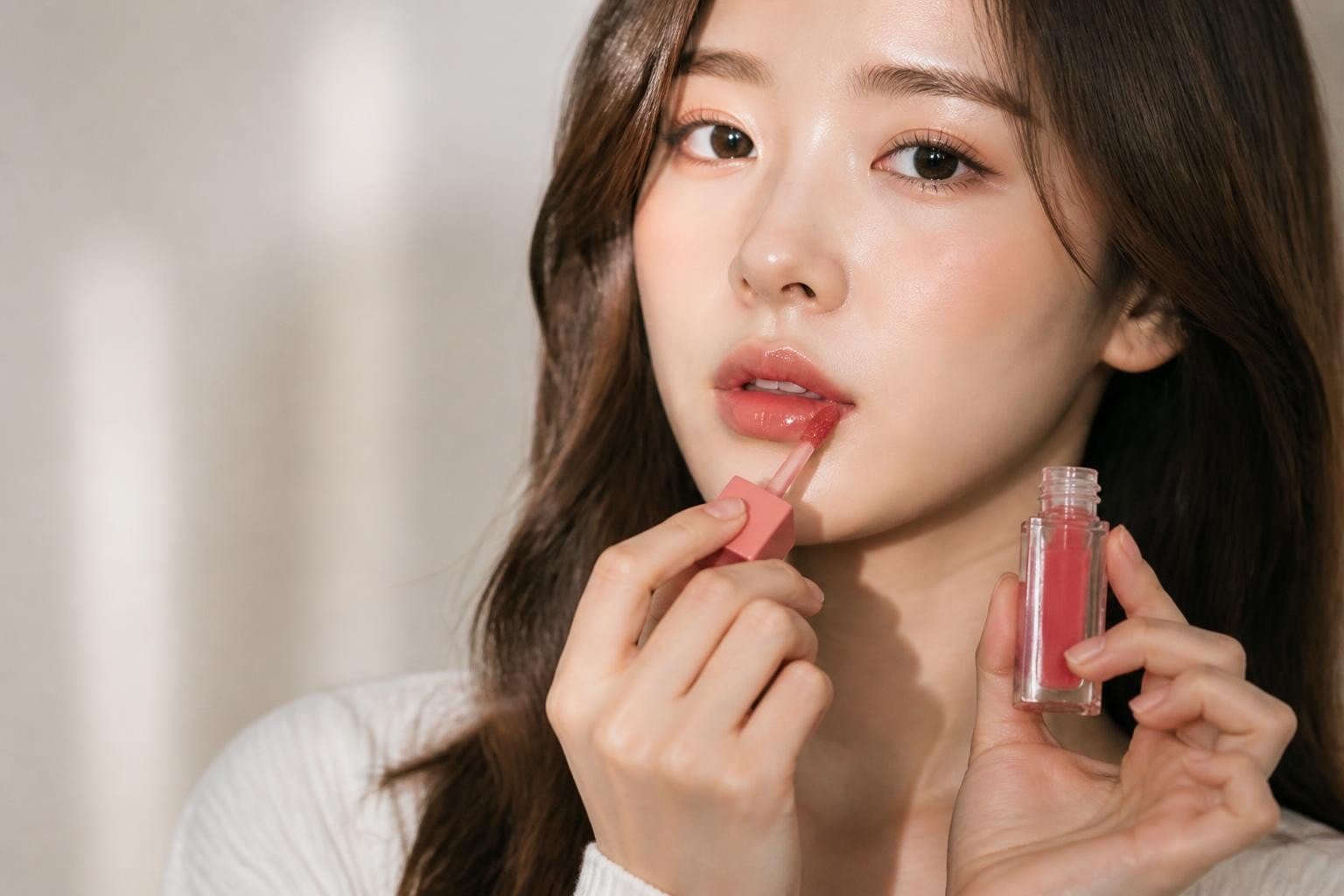
Discover korean lip colors, from hydrating lip oils to gradient tints. Learn benefits, trends, and how to choose the best K-beauty lip products.
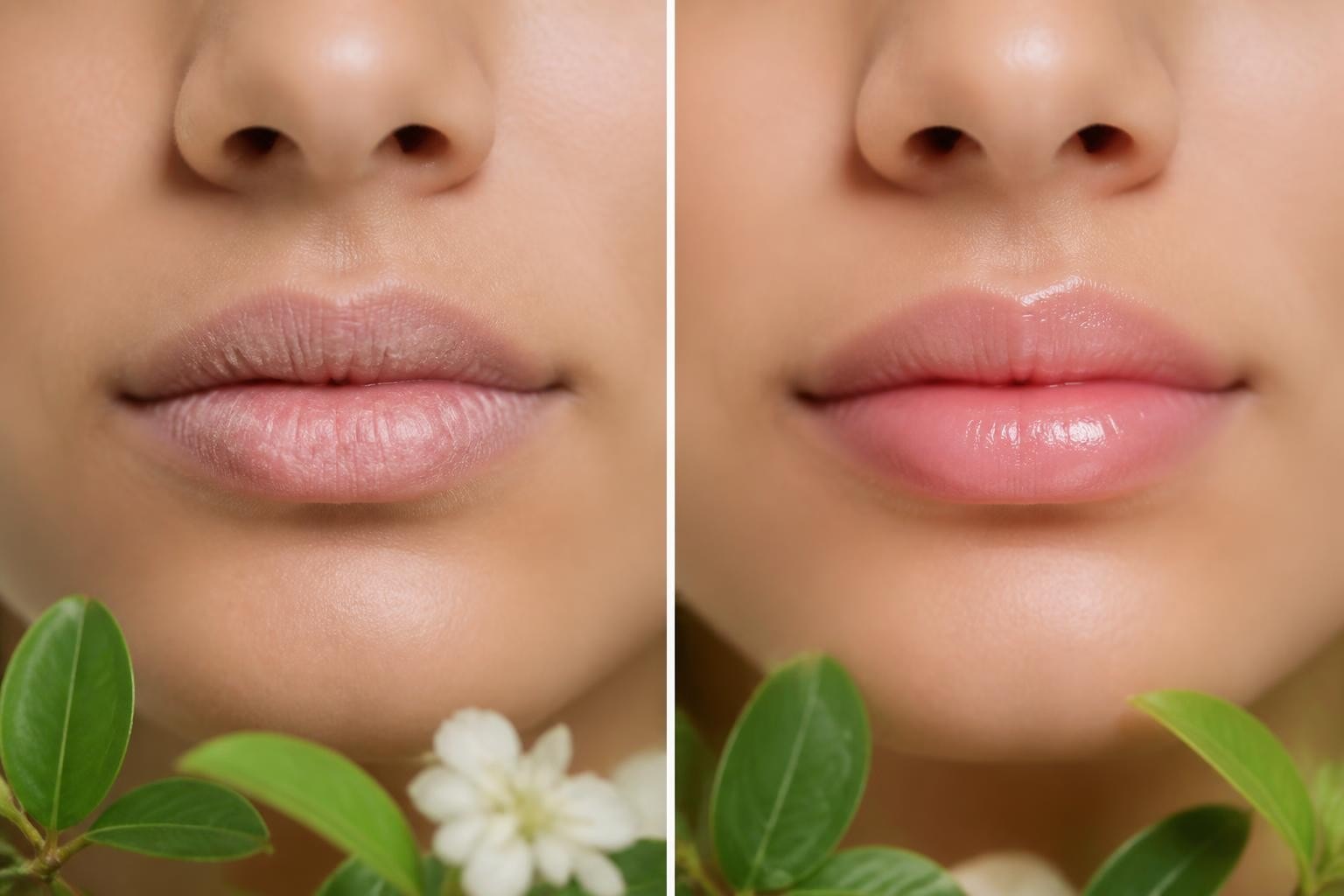
Discover how a lip hydrating mask transforms dry, chapped lips. Learn key ingredients, benefits, and how to choose the best treatment for you.