



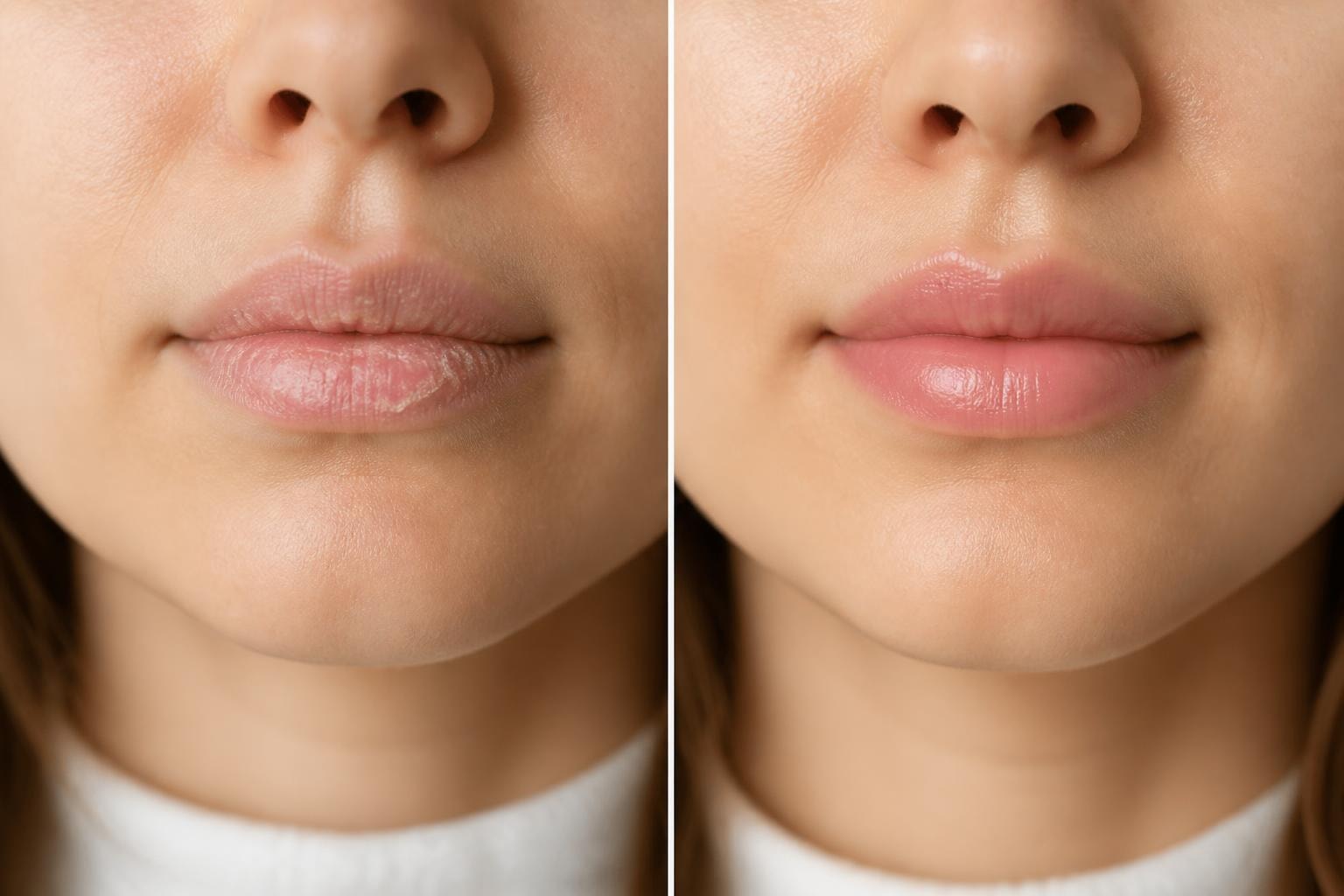
Lip Butter Lip Balm: Hydration Meets Silky Care in 2026
When it comes to lip care in 2026, the conversation has evolved far beyond basic moisture. Modern consumers seek products that deliver deep hydration while maintaining a lightweight, comfortable feel throughout the day. Lip butter lip balm has emerged as a standout solution, combining the intensive nourishment of traditional balms with the silky, non-greasy texture that today's beauty enthusiasts demand. This hybrid approach addresses the most common complaints about lip care products: sticky residue, short-lived moisture, and lack of visible results. Understanding what sets lip butter lip balm apart helps you make informed choices for healthier, more beautiful lips.
Understanding Lip Butter Lip Balm Formulation
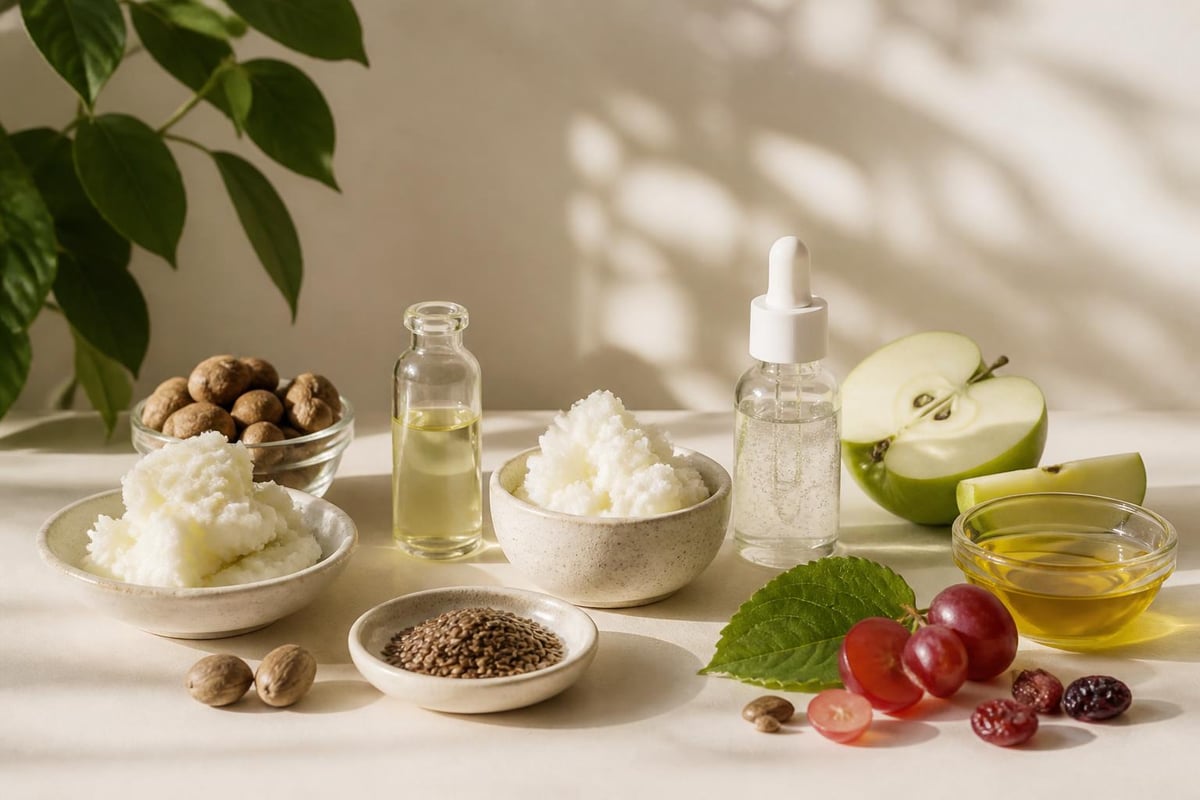
Lip butter lip balm represents a distinct category within the lip care spectrum. Unlike conventional balms that rely primarily on waxes and petroleum-based ingredients, these formulations incorporate rich butters and botanical oils that melt into the lips.
The texture profile differentiates this product immediately upon application. Traditional balms often sit on the surface, creating a protective barrier that can feel heavy or waxy. In contrast, lip butter lip balm absorbs more readily while still providing substantial protection against environmental stressors.
Key Ingredient Categories
The formulation architecture typically includes several critical components:
- Plant-based butters like shea, cocoa, or mango butter provide rich emollience
- Nourishing oils such as apple seed oil, jojoba oil, or coconut oil enhance absorption
- Hydrating agents including hyaluronic acid or glycerin attract and retain moisture
- Natural waxes from sources like candelilla or carnauba create structure without heaviness
- Antioxidant extracts from fruits or botanicals protect against free radical damage
According to Vogue's analysis of buttery lip balms, the trend toward butter-rich formulations gained momentum as consumers increasingly prioritized natural ingredients and sensory experience. The "buttery" descriptor refers not just to ingredients but to the luxurious, melt-on-contact application that distinguishes these products.
How Lip Butter Lip Balm Differs From Standard Balm
The performance characteristics reveal significant differences. Standard lip balms often require frequent reapplication because they create a temporary occlusive layer that wears away with eating, drinking, or talking. Lip butter lip balm penetrates the lip surface more effectively, delivering active ingredients deeper into the tissue.
This penetration creates longer-lasting results. Users report fewer applications needed throughout the day, reduced flaking, and improved lip texture over time with consistent use.
The Science Behind Deep Hydration
Effective lip hydration requires understanding the unique structure of lip skin. Unlike other facial skin, lips lack oil glands and have a thinner stratum corneum, making them more vulnerable to moisture loss.
Lip butter lip balm addresses this vulnerability through multi-level hydration. The butter component provides immediate relief and creates a breathable protective layer. Meanwhile, humectant ingredients pull moisture from the environment and deeper skin layers to the surface.
Moisture Retention Mechanisms
| Ingredient Type | Function | Duration |
|---|---|---|
| Butters (shea, mango) | Surface protection and emollience | 4-6 hours |
| Oils (apple seed, jojoba) | Deep nourishment and flexibility | 6-8 hours |
| Humectants (hyaluronic acid) | Water attraction and binding | 8-12 hours |
| Waxes (plant-based) | Structural integrity | Throughout wear |
The synergy between these components creates what skincare professionals call "barrier repair." Rather than simply coating dry lips, quality lip butter lip balm actively improves the lip barrier function over time.
Medical experts at MedlinePlus recommend lip care products containing ingredients like beeswax or plant butters for effective prevention and treatment of chapped lips. The emphasis on barrier protection aligns perfectly with the lip butter lip balm approach.
Non-Sticky Texture: The Game Changer
One of the most significant advantages of lip butter lip balm is its texture profile. The non-sticky quality addresses a primary consumer complaint about traditional lip care products, particularly glosses and some balms.
Stickiness occurs when formulations contain high levels of certain polymers, tackifying resins, or heavy petroleum derivatives. These ingredients create adhesion that traps hair, attracts debris, and generally feels uncomfortable.
Engineering Silky Application
Modern lip butter lip balm formulations achieve their silky texture through careful ingredient balance:
- Light-molecular-weight oils that spread easily
- Whipped or aerated butter textures that minimize density
- Silicone alternatives derived from plants for slip without synthetic feel
- Minimal wax content to prevent draggy application
The result is a product that glides smoothly, absorbs quickly, and leaves lips feeling conditioned rather than coated. This texture makes lip butter lip balm suitable for layering under lipstick or wearing alone for a natural, healthy appearance.
For those exploring non-sticky lip oil alternatives, the texture comparison becomes important. Both product types prioritize comfortable wear, though they achieve it through different formulation strategies.
Lip Butter Lip Balm Versus Lip Oil
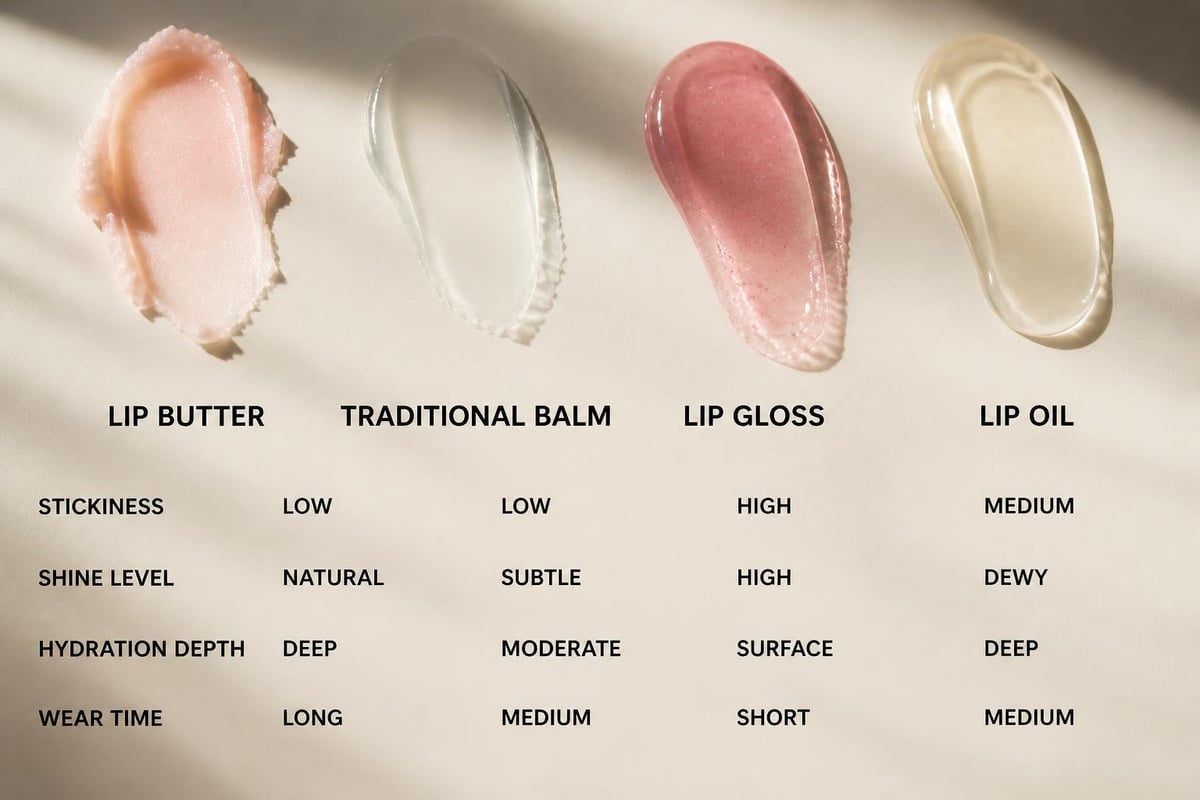
Understanding the distinction between lip butter lip balm and lip oil helps consumers choose the right product for their needs. While both focus on hydration and comfortable wear, their approaches differ meaningfully.
Formulation Structure Differences
Lip oils are predominantly oil-based formulations with minimal to no wax content. They deliver intense shine and a fluid, glossy finish. The lightweight nature means they absorb rapidly but may require more frequent application.
Lip butter lip balm incorporates oils but balances them with butters and waxes. This creates more substantial protection and longer wear time, though typically with less dramatic shine.
| Feature | Lip Butter Lip Balm | Lip Oil |
|---|---|---|
| Primary base | Butters + oils | Pure oils |
| Shine level | Natural to moderate | High gloss |
| Wear time | 4-6 hours | 2-4 hours |
| Protection | High | Moderate |
| Ideal for | Everyday protection | Shine and tint |
When to Choose Which Product
The decision often depends on your immediate needs and aesthetic preferences. Lip butter lip balm excels for:
- Overnight intensive repair
- Cold weather protection
- Under matte lipsticks
- Active outdoor environments
- Medical recovery from chapped lips
Lip oils shine (literally) for:
- Glass lips trend and glossy finishes
- Light tint with hydration
- Layering over lip color
- Quick midday refresh
- Comfortable all-day wear for those who dislike heavy products
Many beauty enthusiasts maintain both in their routines, using lip butter lip balm as their foundation treatment and lip oil for finishing touches or specific looks.
Tint and Color Benefits
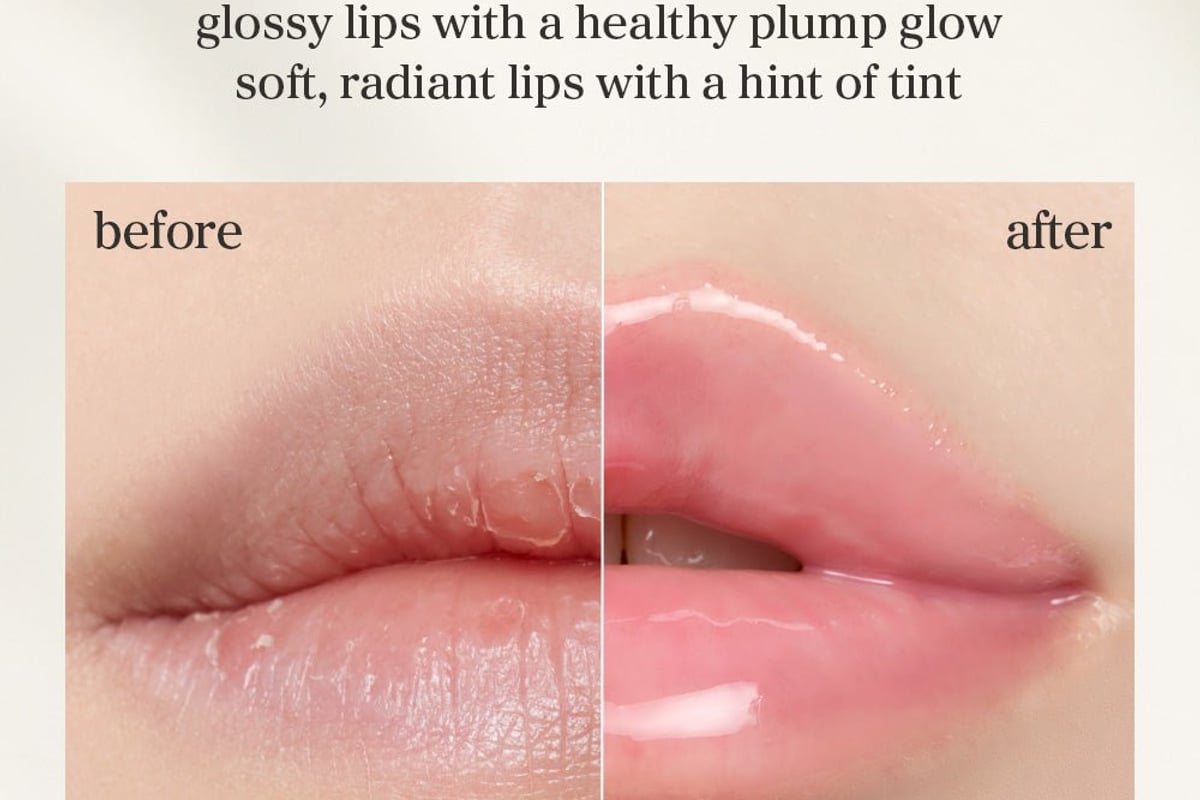
While traditionally considered a clear, protective product, modern lip butter lip balm often includes subtle tinting capabilities. This dual functionality addresses the consumer desire for simplified routines without sacrificing appearance.
Natural Enhancement Versus Coverage
The tinting approach in lip butter lip balm differs from traditional lipstick or lip gloss. Rather than providing opaque color coverage, these products enhance the natural lip tone with sheer, buildable pigmentation.
Benefits of this approach include:
- Forgiving application that doesn't require precision or mirrors
- Universal appeal across diverse lip tones and skin tones
- Low-maintenance wear that fades gracefully throughout the day
- Buildable intensity from barely-there to noticeable tint
- Natural appearance that suits professional and casual settings
The pigments used in quality lip butter lip balm formulations typically derive from fruit extracts, mineral oxides, or plant-based colorants. These align with clean beauty standards while delivering color that complements rather than overwhelms.
For those interested in more dramatic color with the same nourishing benefits, products like the nooni Applepeony Lip Oil offer a lightweight alternative that combines rich hydration with a soft natural tint, perfect for achieving a polished look without heavy coverage.
Long-Lasting Stain Effect
An unexpected benefit of some lip butter lip balm formulations is their ability to create a subtle staining effect. As the product wears throughout the day, certain pigments bond gently with the lip surface, leaving behind a natural-looking flush.
This staining phenomenon occurs through:
- pH-reactive colorants that adjust to individual lip chemistry
- Oil-soluble pigments that penetrate slightly into lip tissue
- Fruit acid derivatives that enhance lip receptivity to color
The result is lips that look naturally healthy and tinted even after the visible product has worn away.
Plumping Effects and Volume Enhancement
Beyond hydration and color, modern lip butter lip balm often incorporates ingredients that create a temporary plumping effect. This addresses the widespread desire for fuller-looking lips without invasive procedures.
Mechanism of Action
Lip plumping occurs through several pathways:
Immediate hydration swelling happens as humectants draw water into the lip tissue. This creates subtle volume increase that's gentle and natural-looking rather than dramatic.
Mild irritation response from ingredients like cinnamon, peppermint, or capsicum causes temporary blood flow increase to the lips. This creates a flushed, fuller appearance that lasts several hours.
Peptide stimulation encourages natural collagen production over time. According to Who What Wear's peptide lip balm analysis, these ingredients not only moisturize but enhance lip fullness and smoothness through collagen-boosting properties.
The advantage of plumping through lip butter lip balm is the gradual, buildable effect. Unlike some aggressive plumping glosses that create uncomfortable tingling or uneven results, quality butter balms deliver subtle enhancement that feels comfortable.
Addressing Common Lip Care Concerns
Lip butter lip balm serves as a comprehensive solution for multiple lip care challenges that consumers face throughout the year. Understanding these applications helps maximize product benefits.
Winter Weather Protection
Cold temperatures and low humidity create the perfect storm for chapped lips. The skin barrier becomes compromised, moisture evaporates rapidly, and lips become vulnerable to cracking and peeling.
Lip butter lip balm excels in these conditions because:
- Dense butter content creates effective wind barriers
- Oil components prevent moisture evaporation
- Emollient texture soothes existing irritation
- Protective layer reduces exposure to harsh elements
Cleveland Clinic research addresses concerns about whether frequent winter lip balm use creates dependency. The conclusion: while not physically addictive, choosing the right product prevents the apply-and-reapply cycle that characterizes inferior formulations.
Sun Exposure and Environmental Damage
Beyond cold weather, environmental stressors like UV radiation, pollution, and air conditioning contribute to lip aging and damage. Quality lip butter lip balm often includes:
- Antioxidant-rich extracts that neutralize free radicals
- Natural SPF ingredients like raspberry seed oil or carrot seed oil
- Barrier-strengthening components that resist pollutant penetration
- Repair ingredients that address existing photo-damage
The preventive aspect matters as much as the corrective. Consistent use of protective lip butter lip balm reduces cumulative damage that leads to fine lines, discoloration, and texture changes.
Medical Recovery and Sensitive Skin
For individuals recovering from lip procedures, experiencing allergic reactions, or managing conditions like eczema or psoriasis on the lip area, lip butter lip balm offers gentle, effective care.
Key considerations for sensitive applications:
- Fragrance-free formulations minimize irritation risk
- Hypoallergenic ingredient selection reduces reaction likelihood
- Vegan and cruelty-free standards appeal to conscious consumers
- Simple ingredient lists allow easier identification of triggers
The soothing nature of butters like shea and mango provides immediate relief while supporting long-term healing. Marie Claire's review of Rare Beauty's lip butter highlights how key ingredients like shea butter, seed oils, and hyaluronic acid effectively combat severe chapping.
Vegan and Clean Beauty Standards
The evolution of lip butter lip balm reflects broader beauty industry trends toward transparency, sustainability, and ethical production. Modern consumers increasingly scrutinize ingredient sourcing and manufacturing processes.
Plant-Based Ingredient Benefits
Traditional lip balms relied heavily on animal-derived ingredients like beeswax and lanolin. While effective, these ingredients don't align with vegan values or necessarily represent the most sustainable options.
Plant-based alternatives in lip butter lip balm include:
- Candelilla wax from desert plants replaces beeswax
- Mango butter provides similar emollience to lanolin
- Apple seed oil delivers essential fatty acids and antioxidants
- Fruit extracts offer both color and beneficial compounds
These substitutions maintain performance while meeting ethical standards. The apple seed oil deserves particular attention for its unique fatty acid profile that closely mimics skin's natural lipid composition, enhancing absorption and compatibility.
Korean Beauty Innovation
K-beauty brands have pioneered many advances in lip butter lip balm formulation, emphasizing locally sourced ingredients and traditional botanical knowledge combined with modern science.
The K-beauty approach to lip care and beauty incorporates:
- Fermented ingredients for enhanced bioavailability
- Fruit-based formulations rich in vitamins and antioxidants
- Layering philosophy that builds hydration gradually
- Emphasis on prevention rather than correction
This methodology has influenced global lip care trends, pushing the industry toward gentler, more nourishing formulations that prioritize long-term lip health.
Application Techniques for Maximum Benefit
Even the highest-quality lip butter lip balm delivers suboptimal results without proper application technique. Understanding best practices enhances product performance significantly.
Preparation Steps
Before applying lip butter lip balm:
- Gently exfoliate using a soft toothbrush or sugar scrub to remove dead skin
- Hydrate systemically by drinking water to support moisture from within
- Avoid licking lips, as saliva paradoxically increases dryness
- Pat dry rather than rubbing after cleansing to preserve natural oils
These preparatory steps create an optimal canvas for product absorption.
Strategic Application Methods
The application technique impacts both immediate feel and long-term results:
Layering approach: Apply a thin layer, allow 30 seconds for absorption, then add a second layer. This builds hydration gradually without overwhelming the lips.
Targeted treatment: Use slightly more product on particularly dry areas like lip corners or the center of the lower lip where cracking commonly occurs.
Overnight therapy: Apply a generous layer before bed to maximize repair during sleep when cellular renewal peaks.
Pre-lipstick primer: Allow lip butter lip balm to absorb for 5 minutes before applying lipstick. This creates a smooth base and prevents color from settling into fine lines.
Frequency Recommendations
Finding the right application frequency prevents both under-treatment and the overuse cycle. General guidelines suggest:
- Morning application after cleansing
- Midday reapplication after meals
- Evening application before bed
- Additional applications as needed in extreme weather
WebMD's exploration of lip balm use explains that while lip balms aren't physically addictive, choosing quality products like lip butter lip balm reduces the need for constant reapplication that characterizes dependency behaviors.
Comparing Popular Product Types
The lip care market offers numerous product categories, each with distinct characteristics. Understanding how lip butter lip balm fits within this landscape helps consumers make informed choices.
Traditional Balm Versus Butter Balm
Standard lip balms typically contain:
- Higher wax content for structure
- Petroleum-based ingredients for occlusion
- Simpler formulations with fewer active ingredients
- Lower price points
Lip butter lip balm distinguishes itself through:
- Richer texture with butter incorporation
- More complex ingredient profiles
- Enhanced sensory experience
- Often higher efficacy per application
The trade-off involves price and purpose. Traditional balms work well for basic protection, while lip butter lip balm addresses multiple concerns simultaneously.
Lip Gloss Alternatives
Those seeking alternatives to sticky lip gloss often discover lip butter lip balm as an ideal solution. Who What Wear's comprehensive lip balm review evaluates products across hydration, texture, and longevity factors that matter most to gloss-averse consumers.
The comparison reveals:
Lip gloss advantages: Maximum shine, dramatic finish, wide color range
Lip butter lip balm advantages: Comfortable wear, no stickiness, actual lip improvement, suitable for all occasions
For daily wear and lip health maintenance, lip butter lip balm typically edges out gloss in consumer preference surveys.
Treatment Masks and Intensive Care
Lip mask moisturizers represent another category in the lip care spectrum. These intensive treatments typically contain higher concentrations of active ingredients and require longer contact time.
The relationship between lip butter lip balm and treatment masks is complementary rather than competitive. Masks provide weekly intensive repair, while butter balms maintain results through daily use.
Selecting Quality Formulations
Not all lip butter lip balm products deliver equivalent results. Discerning consumers should evaluate several factors when choosing products.
Ingredient Quality Indicators
Look for formulations that feature:
- Named botanical extracts rather than generic "fragrance" or "flavor"
- Cold-pressed or unrefined oils that retain beneficial compounds
- Certified organic ingredients when possible
- Transparent sourcing information from brands
- Minimal preservative use through airless packaging or natural preservation
The ingredient list order matters. Ingredients appear in descending order by weight, so butters and oils should appear near the top for products claiming butter balm status.
Texture and Performance Testing
When evaluating a new lip butter lip balm:
- Application smoothness: Should glide without tugging
- Absorption rate: Should penetrate within 30-60 seconds
- Residual feel: Should leave lips soft, not greasy or waxy
- Durability: Should last through normal talking and drinking
- Visual effect: Should enhance rather than coat lip appearance
Brand Values Alignment
Beyond formulation, consider whether the brand's values match your priorities:
- Commitment to sustainability through packaging choices
- Cruelty-free and vegan certifications
- Transparent ingredient sourcing practices
- Support for ethical supply chains
- Investment in clean beauty standards
These factors contribute to long-term satisfaction beyond immediate product performance.
Future Trends in Lip Butter Innovation
The lip butter lip balm category continues evolving as consumer demands and scientific understanding advance. Several emerging trends shape product development in 2026.
Microbiome-Friendly Formulations
Skin microbiome research has revealed that beneficial bacteria on the skin surface contribute to health and appearance. Future lip butter lip balm formulations will likely incorporate:
- Prebiotic ingredients that support beneficial microorganisms
- Probiotic extracts that introduce helpful bacteria
- pH-optimized formulas that maintain ideal microbiome conditions
This approach treats lips as a living ecosystem requiring balance rather than just a surface requiring coating.
Personalized Lip Care
Technology enables increasingly personalized product recommendations based on:
- Climate and environmental exposure patterns
- Individual skin sensitivity profiles
- Dietary factors affecting lip health
- Lifestyle habits and needs
Customizable lip butter lip balm formulations may allow consumers to select specific ingredient concentrations, textures, or tinting levels matching their unique requirements.
Sustainable Packaging Innovation
Environmental concerns drive packaging evolution beyond the product itself:
- Refillable containers that reduce waste
- Compostable tubes from plant-based materials
- Zero-waste solid formulations
- Reduced packaging overall through concentrated formulas
These innovations align with the values of conscious consumers who choose eco-friendly lip care options from brands committed to sustainability.
Choosing the right lip care approach transforms a basic routine into an opportunity for genuine improvement. Lip butter lip balm bridges the gap between treatment and daily maintenance, offering deep hydration with a silky, non-sticky texture that fits seamlessly into modern lifestyles. Whether you're addressing winter dryness, seeking comfortable all-day wear, or building a clean beauty routine, these innovative formulations deliver measurable results. Discover how nooni combines K-beauty innovation with sustainable, vegan lip care solutions that nourish your lips while honoring your values and delivering the glossy, healthy appearance you deserve.
Read more
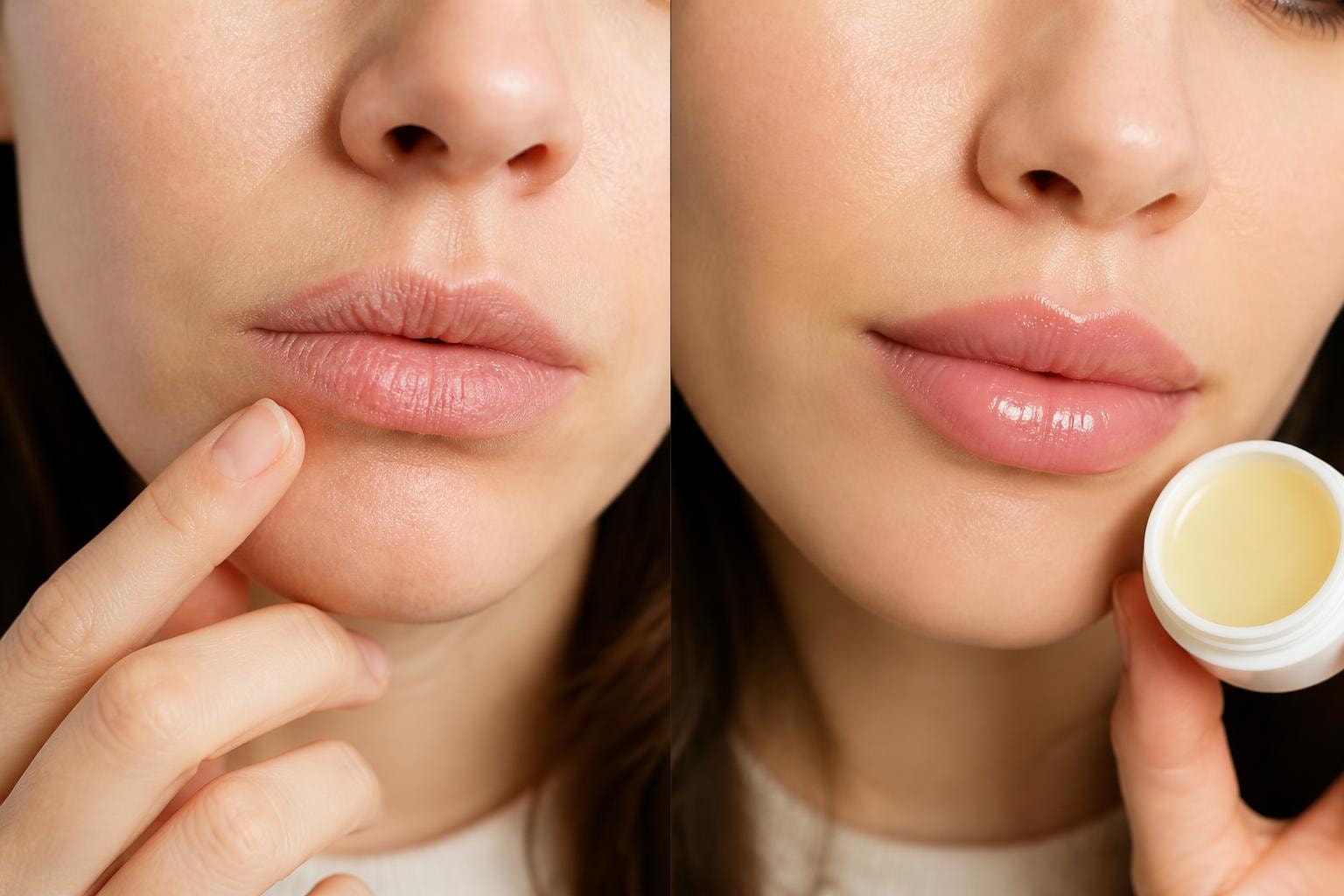
Discover how lip butter delivers deep hydration and nourishment for soft, smooth lips. Learn ingredients, benefits, and expert tips.
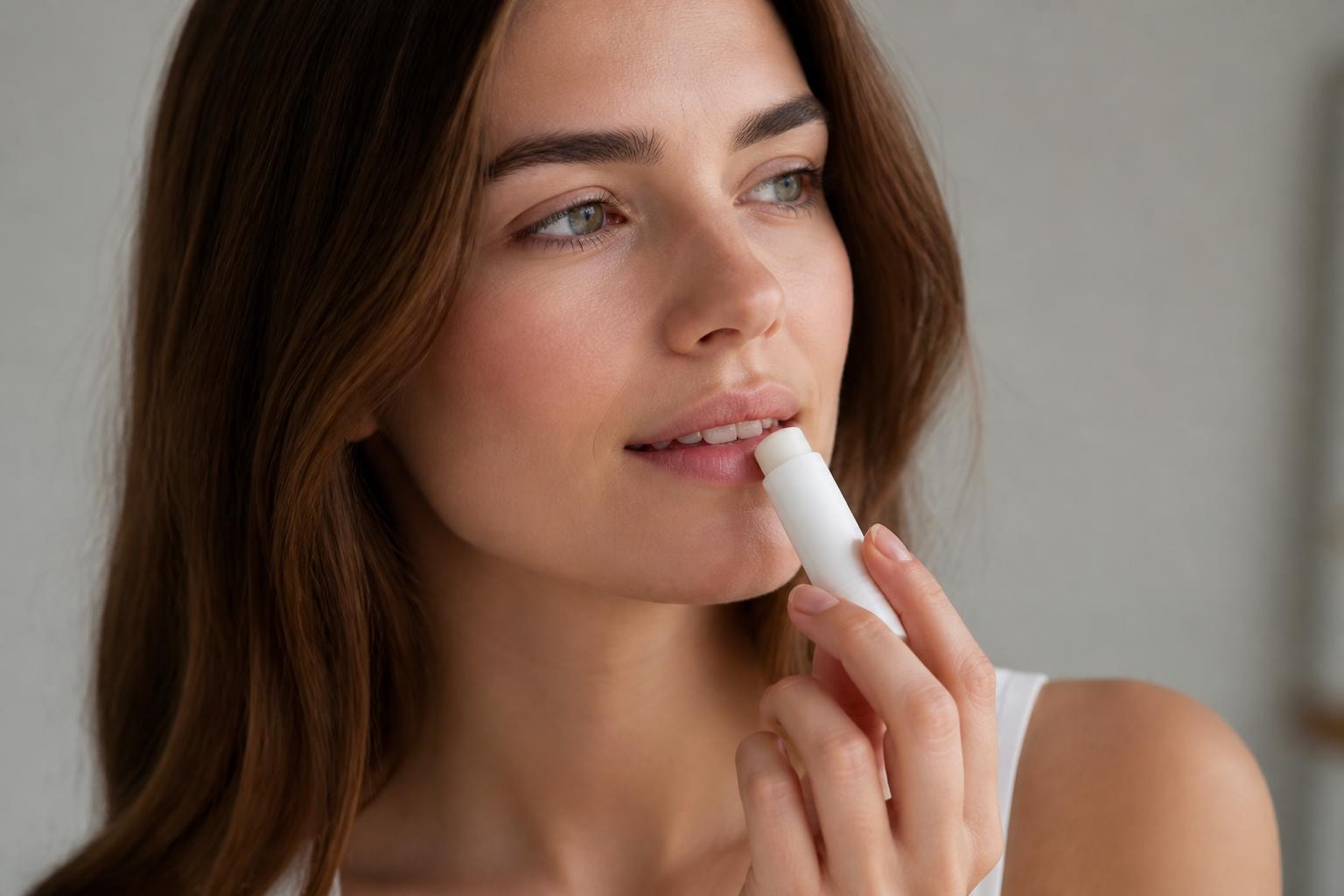
Discover what makes a good lip moisturiser in 2026. Learn about lip oils, ingredients, and how to keep your lips soft, hydrated, and healthy.