



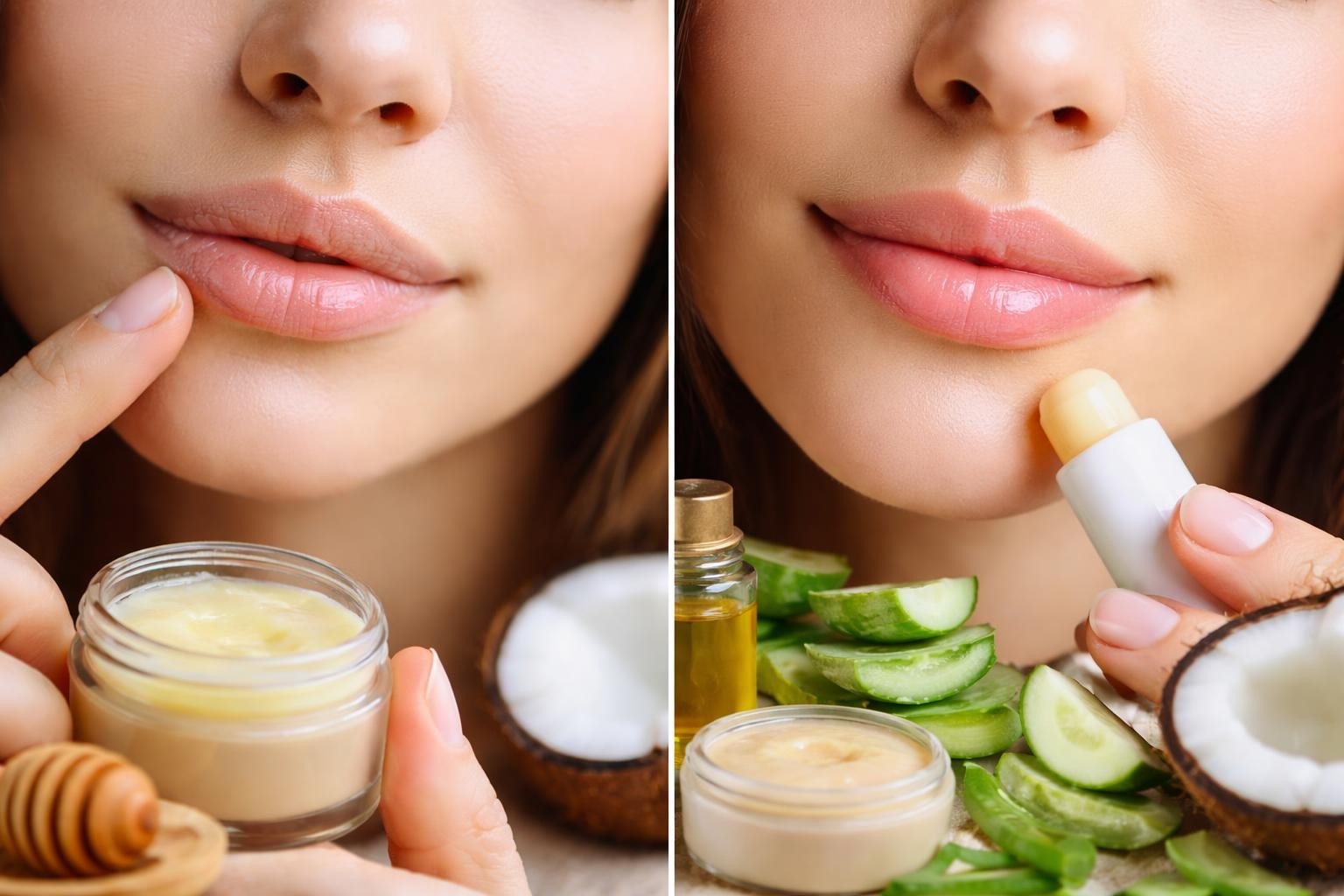
Lip Balm Cracked Lips: A Complete Guide to Healing
Cracked lips can turn simple daily activities like smiling, eating, or speaking into uncomfortable experiences. Many people reach for traditional lip balm when dealing with chapped, peeling lips, yet find themselves trapped in a frustrating cycle where the problem never truly resolves. Understanding why some products fail to deliver lasting relief and discovering truly effective solutions can transform your lip care routine from a constant battle into a simple, satisfying ritual. The relationship between lip balm cracked lips treatments requires a deeper look at ingredients, application methods, and the specific needs of your delicate lip skin.
Why Traditional Lip Balm Sometimes Worsens Cracked Lips
The paradox of lip balm making your cracked lips worse isn't just frustrating, it's surprisingly common. Many conventional balms contain ingredients that provide temporary relief while creating long-term dependency.
The Hidden Culprits in Your Lip Care
Menthol and camphor create a cooling sensation that feels soothing initially, but these ingredients can actually dry out your lips over time. According to experts who've studied common lip balm ingredients that may worsen chapped lips, these compounds can irritate sensitive skin and trigger increased moisture loss.
Fragrances and flavors might make your balm smell delightful, but they often contain alcohol-based compounds that evaporate quickly, taking natural moisture with them. This creates the need for constant reapplication, a cycle that never addresses the root problem.
Some balms also include salicylic acid or phenol, which can cause peeling and irritation when used on already compromised lip skin. While these ingredients serve purposes in other skincare products, they're too harsh for the delicate tissue of your lips.
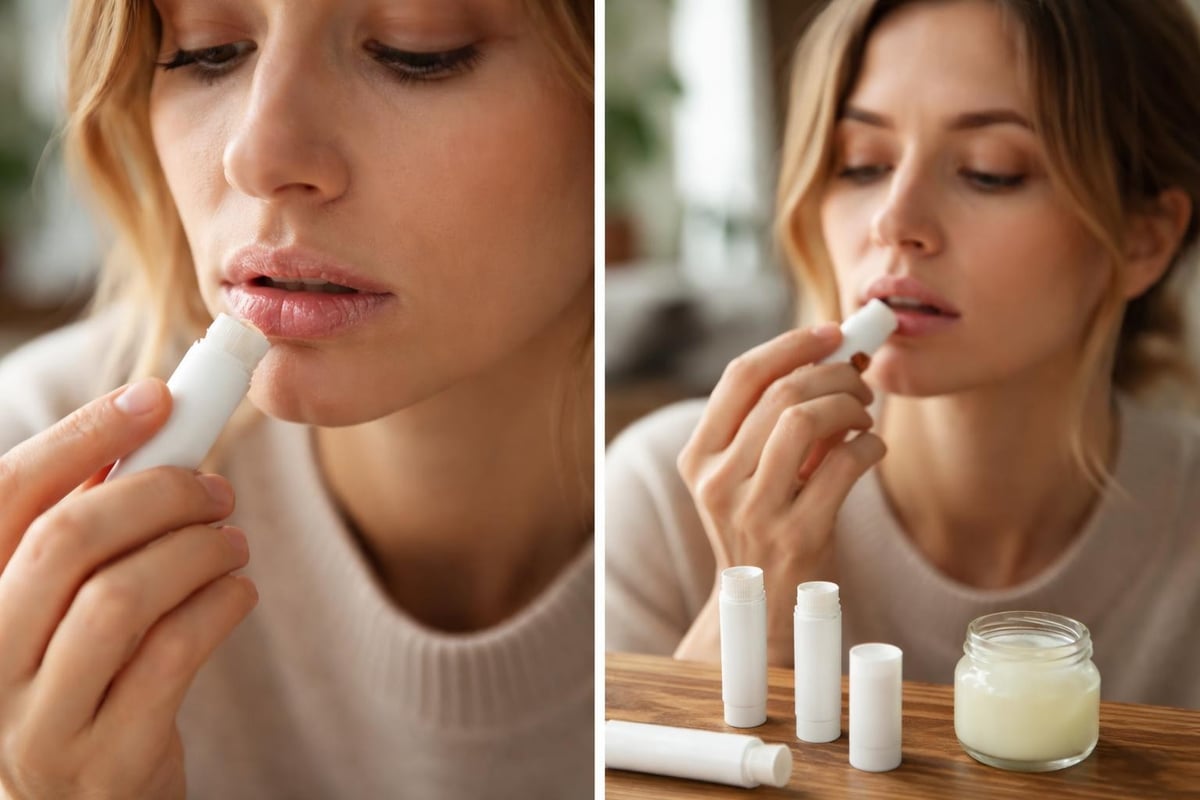
Understanding What Causes Lip Balm Cracked Lips Situations
Before finding the right solution, it's essential to understand why your lips crack in the first place. Unlike the rest of your skin, lips lack oil glands, making them inherently vulnerable to moisture loss.
Environmental and Behavioral Factors
Weather conditions play a massive role in lip health. Cold winter air strips away moisture, while summer sun exposure can damage the thin protective layer of your lips. Wind, regardless of season, accelerates water evaporation from lip tissue.
Dehydration manifests first in your lips because they're one of the most delicate areas of your body. When your overall fluid intake drops, your lips show the effects quickly through tightness, flaking, and cracking.
The condition known as lip licker's dermatitis develops when people repeatedly lick their lips to relieve dryness. Saliva contains digestive enzymes that break down the protective barrier, creating a vicious cycle where licking provides momentary relief but worsens the underlying problem.
| Common Cause | How It Affects Lips | Prevention Strategy |
|---|---|---|
| Cold weather | Strips natural moisture | Apply protective barrier before going outside |
| Sun exposure | Damages lip tissue | Use products with natural sun protection |
| Mouth breathing | Constant air flow dries lips | Stay hydrated, address breathing issues |
| Certain medications | Reduce moisture production | Increase hydration frequency |
| Nutritional deficiencies | Weaken lip barrier | Ensure adequate B vitamins and iron |
What Makes an Effective Lip Balm Cracked Lips Treatment
Not all lip treatments are created equal. The most effective solutions combine immediate relief with long-term healing properties, addressing both symptoms and underlying causes.
Key Ingredients for Genuine Healing
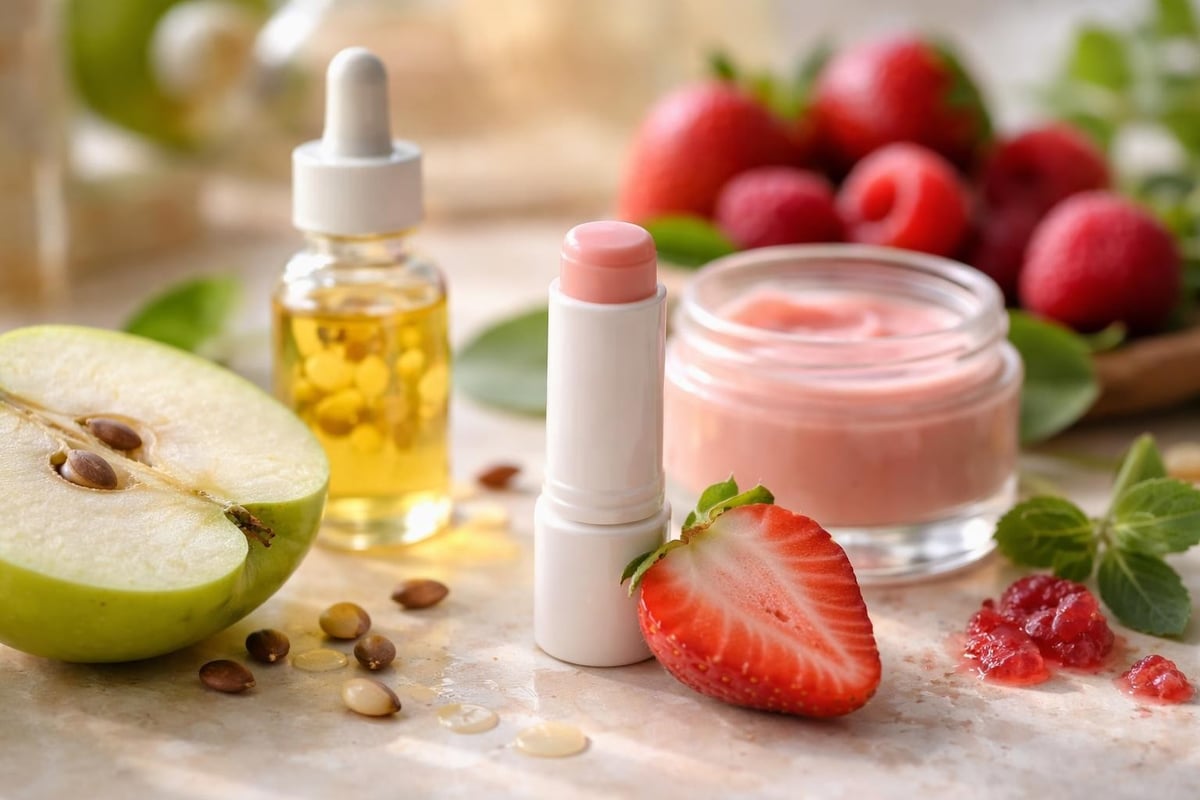
Natural oils provide the foundation for truly nourishing lip care. Apple seed oil, for instance, contains essential fatty acids that penetrate deeply into lip tissue, delivering moisture where it's needed most. Unlike petroleum-based products that sit on the surface, these oils work with your skin's natural processes.
Fruit extracts offer more than pleasant flavors. They contain vitamins, antioxidants, and natural compounds that support skin repair and protect against environmental damage. When formulated correctly, these extracts enhance both the effectiveness and sensory experience of lip care.
Vegan and cruelty-free formulations aren't just ethical choices; they often indicate products made with plant-based ingredients that align better with human biology. These formulas typically avoid synthetic additives that can trigger sensitivity or allergic reactions.
The texture matters tremendously. Non-sticky, silky formulas encourage consistent use because they feel comfortable throughout the day. When a product feels heavy or tacky, you're less likely to reapply it regularly, undermining the healing process.
The 2-in-1 Advantage
Modern lip care has evolved beyond basic protection. Products that function as both a tint and oil eliminate the choice between color and care. This dual purpose means you're treating your lips while enhancing their appearance, making lip care a seamless part of your beauty routine rather than an additional step.
The plumping effect from properly hydrated lips isn't about artificial inflation. When lips receive adequate moisture, they naturally appear fuller and healthier. This happens because hydration fills in fine lines and restores the smooth, supple texture that makes lips look their best.
How to Break the Lip Balm Cracked Lips Cycle
Transitioning from ineffective products to genuinely healing treatments requires both patience and strategy. Your lips need time to recover from previous damage and adjust to better care.
Step-by-Step Recovery Process
-
Discontinue problematic products immediately. If your current lip balm contains irritating ingredients, continuing to use it will delay healing no matter what else you try.
-
Increase water intake to at least eight glasses daily. Internal hydration provides the foundation that topical treatments build upon.
-
Apply treatment products before bed when your lips can absorb nutrients without interruption. Nighttime application allows active ingredients to work for hours without eating, drinking, or talking interfering.
-
Use gentle exfoliation only after lips have begun healing. A soft toothbrush or sugar scrub once weekly removes dead skin without damaging new tissue.
-
Protect during exposure by applying your treatment product before going outside, especially in harsh weather. Prevention is significantly easier than repair.
-
Monitor your progress by noting how often you need to reapply. As your lips heal, you should need less frequent application, not more.
Building Better Habits
Beyond product selection, daily habits significantly impact lip health. Avoid licking your lips when they feel dry; reach for your treatment instead. Consider using a humidifier in dry environments, particularly during winter months when indoor heating reduces air moisture.
When exploring options for dermatologist-recommended lip balm solutions, look for products emphasizing repair over temporary relief. The best formulas work gradually to restore your lips' natural moisture barrier rather than masking symptoms.
Comparing Lip Oil to Traditional Solutions
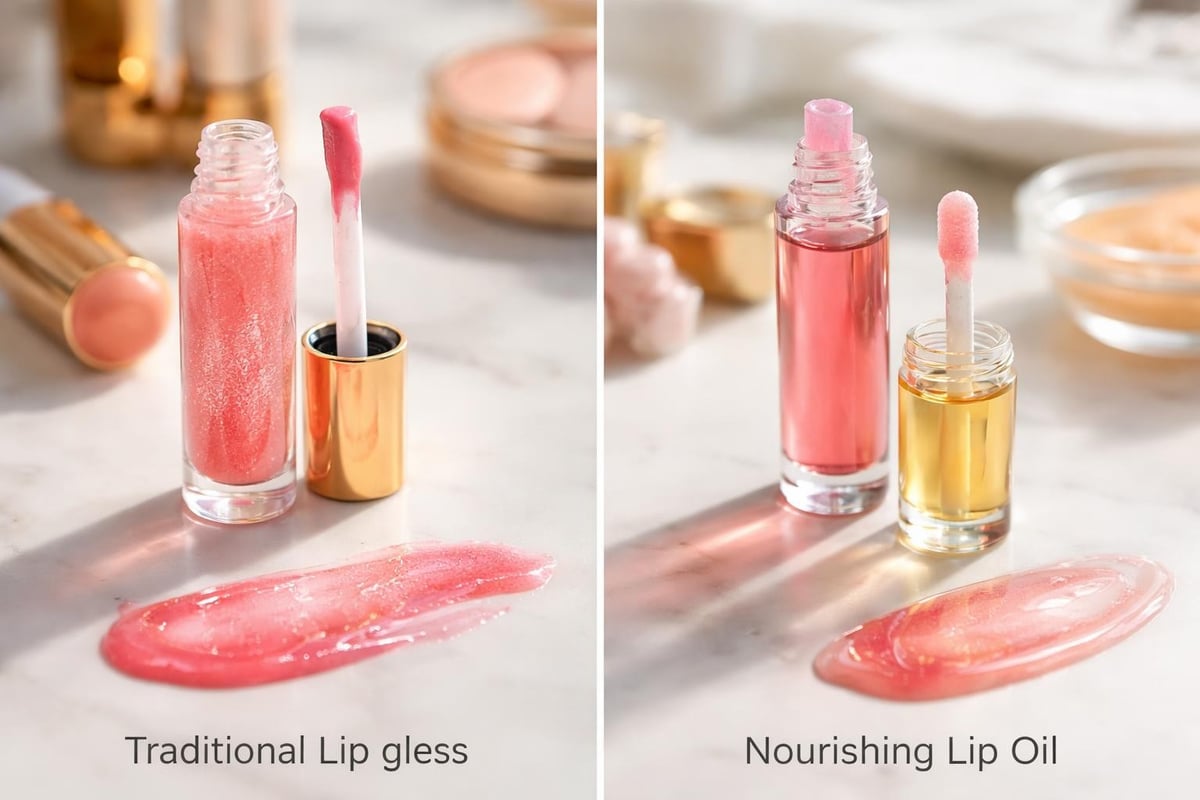
The distinction between lip oil and conventional products represents a fundamental shift in lip care philosophy. While traditional balms create a barrier, quality lip oils actually nourish and repair.
Why Texture Transforms Results
Sticky gloss might provide shine, but it attracts hair and debris while feeling uncomfortable enough that you wipe it away frequently. This constant removal and reapplication prevents your lips from maintaining consistent hydration.
Heavy balms can feel protective initially, but many create an occlusive layer that prevents moisture from escaping while also blocking beneficial ingredients from penetrating. You end up with a temporary shield that doesn't address underlying dryness.
Silky, non-sticky oils absorb readily while leaving a lightweight protective layer. This combination allows your lips to breathe while receiving continuous nourishment. The comfortable texture encourages consistent use, which is essential for breaking the lip balm cracked lips pattern.
| Feature | Traditional Gloss | Standard Balm | Nourishing Lip Oil |
|---|---|---|---|
| Texture | Sticky, heavy | Waxy, thick | Silky, lightweight |
| Hydration | Surface only | Temporary barrier | Deep penetration |
| Longevity | 1-2 hours | 2-3 hours | 4-6 hours |
| Comfort | Low | Medium | High |
| Repair Benefits | Minimal | Limited | Comprehensive |
The Role of Natural Ingredients in Healing
The shift toward naturally sourced ingredients reflects growing understanding of how botanical compounds support skin health. These ingredients work synergistically with your body's healing processes rather than against them.
Apple Seed Oil: The Deep Hydration Champion
Apple seed oil stands out among natural moisturizers for its unique fatty acid profile. Rich in linoleic acid and oleic acid, it penetrates the skin barrier to deliver moisture at the cellular level. This deep hydration addresses the root cause of cracking rather than merely coating the surface.
The oil's lightweight molecular structure allows it to absorb quickly without greasiness, making it ideal for products you'll wear throughout the day. Unlike heavier oils that can feel burdensome, apple seed oil provides intensive care in a comfortable formula.
Fruit Extract Benefits
Different fruit extracts offer specific advantages for lip care. Berry extracts provide antioxidants that protect against free radical damage from sun and pollution. Plum compounds contain natural humectants that draw moisture from the air into your lips. Cherry derivatives offer soothing properties that calm irritated tissue.
These extracts also contribute long-lasting tint through natural pigments rather than synthetic dyes. The color develops gradually and fades evenly, creating a more natural appearance than traditional lipstick or gloss. This staining effect means your lips maintain a hint of color even as the product wears away.
When you're researching the most effective lip balm options, prioritize formulas that list these beneficial extracts prominently in their ingredient lists. The concentration matters as much as the presence of these compounds.
Seasonal Strategies for Preventing Lip Damage
Different times of year present unique challenges for lip health. Adapting your approach to seasonal conditions prevents damage before it starts.
Winter Protection Protocols
Cold air holds less moisture, and indoor heating systems further dry the environment. Apply protective treatment before going outside to create a barrier against harsh conditions. Reapply after eating or drinking, as these activities remove your protective layer.
Consider keeping lip care products in multiple locations: your bathroom, bedside table, car, and bag. Easy access encourages frequent application, which is crucial during challenging weather.
Summer Care Considerations
Sun damage affects lips just as it does other skin, but most people forget to protect this vulnerable area. Choose lip care products with natural protective ingredients, and reapply after swimming or prolonged sun exposure.
Hydration becomes even more critical in summer when increased temperatures and activity levels raise your body's water needs. Pair topical treatments with increased fluid intake for comprehensive protection.
Year-Round Maintenance
Consistency matters more than intensity. Daily application of quality lip care, even when your lips feel fine, maintains the protective barrier that prevents cracking. Think of it as preventive maintenance rather than reactive treatment.
The best recommended lip balm formulas work year-round because they address fundamental needs rather than just seasonal symptoms. Look for versatile products that adapt to changing conditions.
Identifying Quality in Lip Care Products
With countless options available, discerning genuinely effective products from marketing hype requires knowledge and attention to detail.
Reading Labels Effectively
Ingredient order matters because components are listed by concentration. If beneficial ingredients appear near the end while potential irritants rank high, the product likely won't deliver promised results.
Avoid products with alcohol listed prominently, as it evaporates quickly and dries lips. Similarly, watch for synthetic fragrances which often cause sensitivity without adding therapeutic value.
Look for certifications like vegan and cruelty-free, which often indicate brands committed to quality and transparency. These certifications suggest rigorous ingredient sourcing and testing protocols.
Testing and Transitioning
When trying new products, allow at least two weeks for your lips to adjust and show improvement. Switching products too frequently prevents you from accurately assessing effectiveness.
Pay attention to how your lips feel an hour after application, not just immediately. Products that provide lasting comfort indicate genuine nourishment rather than temporary coating.
Special Considerations for Sensitive Lips
Some people experience heightened sensitivity that makes finding effective lip balm cracked lips solutions particularly challenging. These individuals need extra care in product selection and application.
Allergen Awareness
Common allergens in lip products include:
- Beeswax (for those with bee allergies)
- Lanolin (derived from wool)
- Certain essential oils
- Preservatives like parabens
- Synthetic fragrances
Patch testing new products on your inner wrist before applying to lips can help identify problematic ingredients. If redness or itching develops within 24 hours, avoid using the product on your more sensitive lip tissue.
Medical Conditions
Certain conditions like eczema, psoriasis, or angular cheilitis require specialized care beyond standard lip treatments. If cracking persists despite using quality products and following good habits, consult a healthcare provider to rule out underlying issues.
According to comprehensive reviews of the best lip balms available, some formulas specifically target sensitive skin and medical conditions. These therapeutic options often contain minimal ingredients to reduce reaction risk.
Building a Complete Lip Care Routine
Effective lip care extends beyond simply applying product when you remember. A structured routine ensures consistent protection and healing.
Morning Ritual
- Gently cleanse lips with water to remove any overnight buildup
- Apply hydrating treatment before other morning activities
- Allow absorption for a few minutes before eating or drinking
- Reapply after breakfast and before leaving home
Throughout the Day
- Keep product accessible for easy reapplication
- Apply before meals to protect against food acids and salts
- Reapply after eating or drinking to restore protection
- Use before sun exposure for additional defense
Evening Care
- Remove makeup gently with oil-based cleansers that don't strip moisture
- Apply intensive treatment before bed for overnight healing
- Consider a lip mask weekly for deep conditioning
- Stay consistent even when lips feel healthy
The range of lip care products from nooni supports this comprehensive approach with options for different times of day and specific needs.
The Science Behind Long-Lasting Results
Understanding why certain approaches work better than others helps you make informed choices and maintain realistic expectations about healing timelines.
How Lips Heal
Lip tissue regenerates approximately every two weeks, meaning consistent care over this period allows new, healthier cells to develop. Interrupted treatment resets this process, explaining why sporadic application yields poor results.
Deep hydration penetrates multiple skin layers, addressing dryness at its source. Surface treatments only temporarily mask symptoms, which return quickly once the product wears away.
The Importance of Barrier Repair
Your lips' natural moisture barrier consists of specialized cells and lipids that prevent water loss. Damage to this barrier accelerates dehydration and cracking. Quality treatments containing essential fatty acids help rebuild this protective layer, creating lasting improvement.
Repeated application of products with the right ingredients gradually strengthens this barrier until your lips can maintain healthy moisture levels with less frequent intervention. This represents true healing rather than dependency.
Research into what causes dry lips and effective hydration methods confirms that consistent use of properly formulated products creates measurable improvements in lip barrier function.
Sustainable and Ethical Lip Care Choices
Your lip care choices impact more than just your personal health. The growing emphasis on sustainability and ethics in beauty reflects broader awareness of interconnected environmental and social issues.
Why Vegan Matters
Vegan formulations avoid animal-derived ingredients like beeswax, lanolin, and carmine. Beyond ethical considerations, plant-based alternatives often prove gentler and more biocompatible with human skin.
These products typically undergo rigorous testing to ensure performance matches or exceeds conventional options, dispelling the myth that vegan means less effective.
Cruelty-Free Commitment
Cruelty-free certification ensures no animal testing occurred during product development. This standard reflects both compassion and scientific advancement, as modern testing methods provide more reliable safety data than animal trials.
Supporting brands that prioritize these values encourages industry-wide change toward more responsible practices.
Locally Sourced Ingredients
Korean-sourced ingredients in K-beauty products often benefit from centuries of traditional use combined with modern scientific research. This heritage creates formulas backed by both empirical evidence and cultural knowledge.
Local sourcing also reduces transportation environmental impact while supporting regional economies and preserving traditional cultivation methods.
Exploring nooni's collection of lip oils reveals how these principles translate into practical, effective products that align with conscious consumer values.
Making the Switch: What to Expect
Transitioning from conventional lip balm to more effective treatments involves an adjustment period where your lips adapt to better care.
The First Week
Initially, you might experience a detox period where your lips seem drier as they stop relying on surface coating and begin accepting deeper nourishment. This temporary discomfort signals your lips adjusting to actually healing rather than just masking symptoms.
Resist the urge to revert to old products during this phase. The adjustment period typically lasts three to five days before improvement becomes noticeable.
Weeks Two Through Four
As your lips' natural barrier strengthens, you'll notice:
- Reduced need for reapplication
- Smoother texture with less flaking
- Better color as circulation improves
- Increased comfort even in challenging conditions
Long-Term Maintenance
After a month of consistent care, your lips should require minimal intervention to stay healthy. Preventive application becomes the focus rather than constant repair. This shift represents successful transition from the lip balm cracked lips cycle to sustainable wellness.
Healing cracked lips requires understanding the difference between products that mask symptoms and those that truly nourish and repair. By choosing formulas with deep-hydrating ingredients like apple seed oil, avoiding common irritants, and maintaining consistent care routines, you can break free from the frustrating cycle of temporary relief and persistent dryness. At nooni, we've crafted vegan lip oils that combine the non-sticky, silky texture you'll love wearing with the plumping effect and long-lasting tint that enhance your natural beauty while delivering genuine healing through fruit extracts and thoughtfully sourced Korean ingredients. Experience the elevated simplicity of lip care that works with your body, not against it, transforming your daily routine into a moment of self-care that delivers lasting results.
Read more
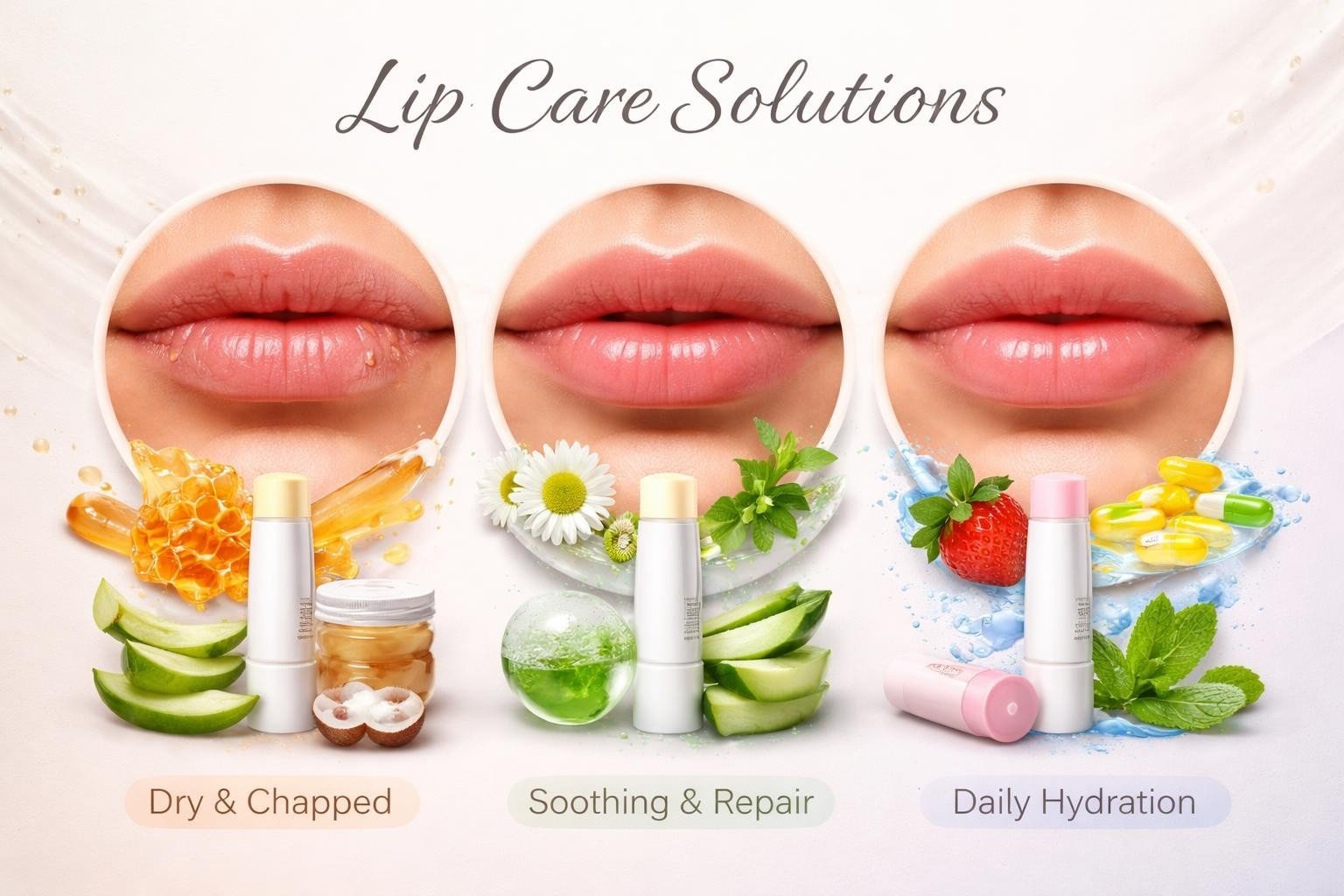
Discover the best lip balm for hydration, tint, and nourishment. Learn what ingredients work, how to choose, and why K-beauty lip oils excel.
Discover what makes better lip balm in 2026. Learn about ingredients, textures, and formulas that deliver real hydration and lasting care.