



Hydrating Tinted Lip Oil: Ultimate Guide 2026
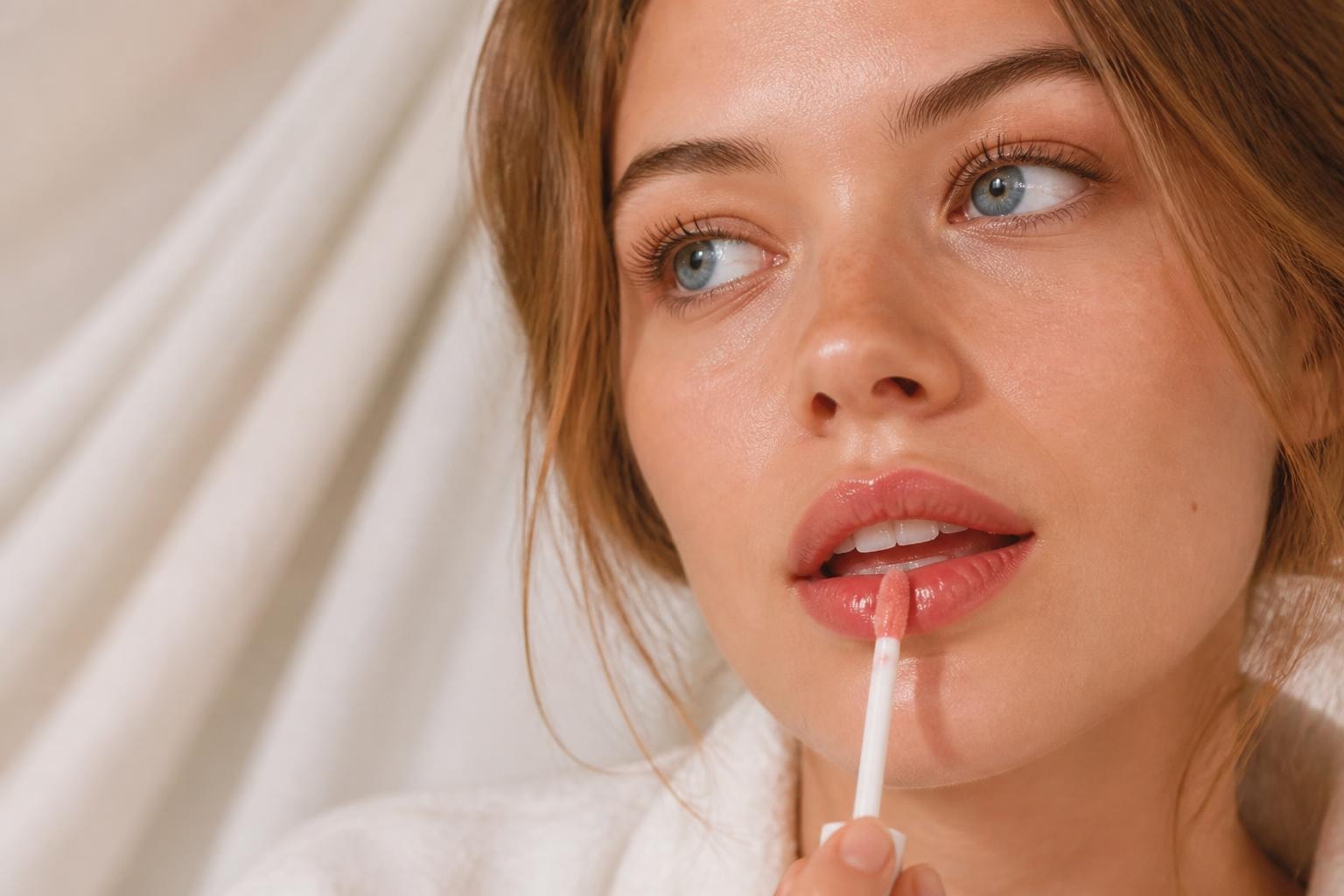
A hydrating tinted lip oil is a lightweight lip care product that combines the nourishing benefits of facial oils with a sheer wash of color. Unlike traditional lip gloss, this 2-in-1 formula delivers deep moisture while providing a subtle tint and glossy finish. The product is designed for those seeking effortless lip care with minimal stickiness and maximum hydration throughout the day.
What Is a Hydrating Tinted Lip Oil
A hydrating tinted lip oil is a hybrid beauty product that merges the conditioning properties of pure oils with semi-transparent color pigments. The formula typically contains nourishing plant-based oils such as Apple Seed Oil, which penetrate the lip barrier to deliver moisture from within. This type of lip product gained widespread popularity in K-beauty routines before becoming a global phenomenon.
The primary function of this product category is to provide continuous hydration while enhancing natural lip color. The oil-based formula creates a protective barrier that locks in moisture and prevents water loss throughout the day. Most formulations include antioxidant-rich fruit extracts that support lip health while delivering a fresh, natural-looking tint.
Key Characteristics That Define Lip Oils
Modern lip oils are formulated to address common complaints about traditional lip products. The non-sticky texture sets them apart from conventional glosses, making them comfortable for all-day wear. The silky application glides smoothly across lips without tugging or pulling on delicate skin.
These products typically offer:
Lightweight consistency that feels barely-there on lips
Sheer to medium pigmentation that enhances rather than masks natural lip color
Glossy finish without the heavy, tacky feel of traditional gloss
Vegan and cruelty-free formulations using plant-derived ingredients
Buildable coverage allowing customization from subtle to more visible color
The formulation philosophy centers on simplicity and effectiveness. Rather than layering multiple products, users can achieve both hydration and color in a single application.
Benefits of Using Hydrating Tinted Lip Oil
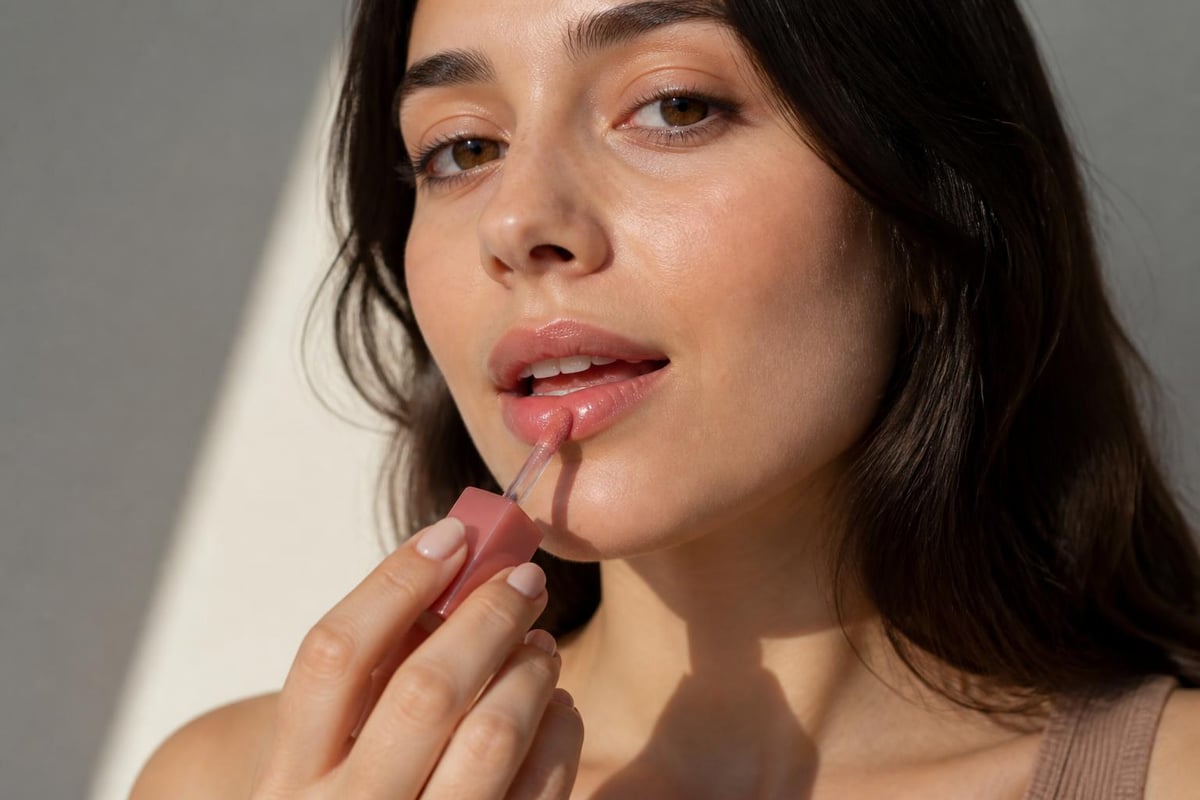
The advantages of incorporating a lip oil for dry lips into your routine extend beyond simple aesthetics. Clinical observations show that consistent use can improve lip texture and appearance over time. The nourishing ingredients work continuously to repair and protect the delicate lip surface.
Deep Hydration Without Heaviness
Traditional lip balms create a surface-level barrier, but oil-based formulas penetrate deeper into the lip tissue. This allows active ingredients to work from within the skin rather than sitting on top. Apple Seed Oil contains essential fatty acids that support the natural moisture barrier and prevent dehydration.
The molecular structure of oils allows them to integrate with the skin's lipid layer seamlessly. This creates a more effective seal against environmental stressors like wind, cold air, and indoor heating. Users report longer-lasting moisture compared to wax-based alternatives.
Feature |
Hydrating Tinted Lip Oil |
Traditional Lip Gloss |
Standard Lip Balm |
|---|---|---|---|
Texture |
Silky, non-sticky |
Thick, sticky |
Waxy, heavy |
Hydration Level |
Deep, long-lasting |
Surface only |
Moderate |
Finish |
Natural glossy |
High shine |
Matte to slight sheen |
Color Payoff |
Sheer tint |
Opaque to sheer |
Usually clear |
Reapplication |
Less frequent |
Frequent |
Moderate |
Natural Plumping Effect
The hydrating properties of lip oils create a subtle plumping effect without artificial stimulants. As the lips absorb moisture, they appear fuller and more defined. This effect results from genuine hydration rather than temporary irritation-based swelling.
The glossy finish further enhances the appearance of volume by reflecting light across the lip surface. This optical effect creates dimension and makes lips appear healthier and more youthful. The combination of actual moisture and visual enhancement delivers noticeable results.
Long-Lasting Tint and Stain
Many users appreciate that quality lip oils leave behind a long-lasting tint even after the glossy finish fades. The color pigments gently stain the lips, creating a natural flush that persists throughout the day. This characteristic makes reapplication optional rather than mandatory.
The staining effect works particularly well with fruit-based extracts that contain natural pigments. These botanical colorants interact with the pH of individual lips, creating a customized shade that complements your natural tone. When discussing the best tinted lip balms, experts often highlight this adaptive quality.
Non-Sticky Lip Oil: Why Texture Matters
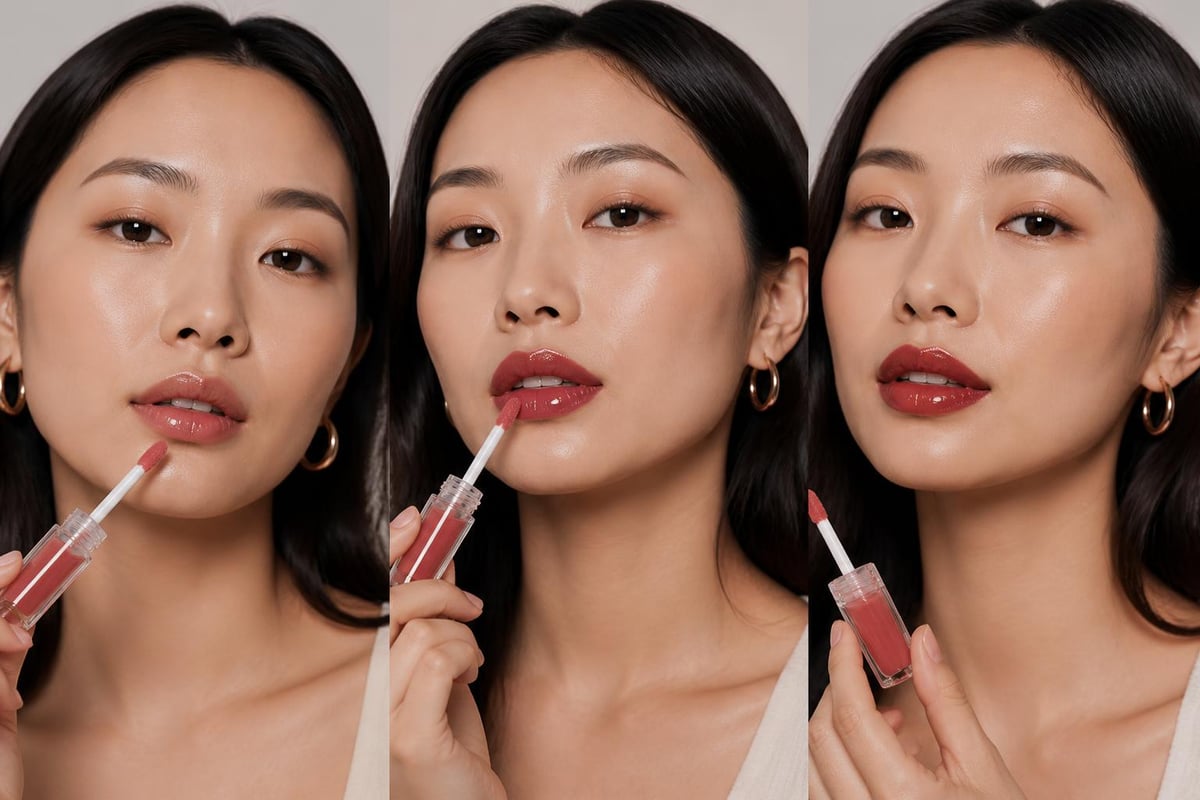
The non-sticky lip oil formula represents a significant advancement in lip care technology. Traditional glosses achieved shine through heavy silicones and polymers that created an adhesive feel. Modern oil formulations deliver the same visual effect through lightweight botanical oils that feel comfortable on the lips.
Texture directly impacts wearability and user satisfaction. Products that feel heavy or sticky discourage consistent use, while comfortable formulas integrate seamlessly into daily routines. The absence of tackiness also means less transfer onto cups, masks, and clothing.
Formulation Science Behind the Silky Feel
The silky texture results from carefully selected oil blends with optimal viscosity. Lighter oils like jojoba and squalane provide slip without greasiness, while richer oils like avocado deliver nourishing fatty acids. This balanced combination creates a formula that spreads easily without feeling heavy.
Emollients work synergistically to coat the lip surface uniformly. The even distribution prevents patches or streaking that can occur with poorly formulated products. Advanced formulations also include natural film-formers that extend wear time without compromising comfort.
Comparison: Lip Oil vs Lip Gloss
Understanding the distinction between these categories helps consumers make informed choices. While both products deliver shine, they achieve this goal through different mechanisms. For those exploring whether you can wear lip oil in the sun, it is important to note that oils themselves do not provide SPF protection.
The fundamental difference lies in base ingredients:
Lip Oil Benefits:
Oil-based formula that nourishes as it beautifies
Lightweight, breathable feel throughout wear
Ingredients that actively improve lip condition
Minimal stickiness or transfer
Suitable for layering over other lip products
Lip Gloss Characteristics:
Polymer-based formula focused on shine
Heavier, more noticeable texture
Primarily cosmetic rather than treatment-focused
Higher transfer and stickiness
Often requires dedicated application
When examining products like those detailed on INCI Decoder's analysis, you can see the specific ingredients that create these textural differences. The presence of conditioning oils versus synthetic polymers fundamentally changes the user experience.
How to Choose Your Perfect Shade
Selecting the ideal hydrating tinted lip oil involves considering both undertone and desired intensity. The sheer nature of most lip oils makes them forgiving, but understanding color theory helps maximize your results. Unlike opaque lipsticks, lip oils work with your natural lip color to create a customized effect.
Understanding Tint Intensity Levels
Lip oils typically range from barely-there tints to richer, more visible shades. Sheer formulations enhance natural color with subtle warmth or coolness. These work well for everyday wear and professional settings where minimal makeup is preferred.
Medium-tint options provide more noticeable color while maintaining the translucent quality that defines lip oils. These formulas suit those wanting definition without the commitment of traditional lipstick. The glass lips aesthetic often incorporates these medium-tint oils for their luminous, hydrated appearance.
Fruit-Inspired Color Families
Many K-beauty brands draw inspiration from natural fruit pigments when developing their shade ranges. These botanical references create intuitive naming conventions that help consumers envision the final result. Berry-based shades typically lean cool and pink, while stone fruit tones offer warmer neutrals.
Consider these categories when selecting:
Berry tints (cranberry, raspberry, blackberry) - Cool-toned pinks and reds that brighten
Stone fruit shades (peach, apricot, plum) - Warm peachy-pinks to deep mauves
Herbal tones (ginseng, tea, fig) - Neutral to warm browns with sophisticated depth
Wine-inspired hues - Rich, deeper tones that create elegant dimension
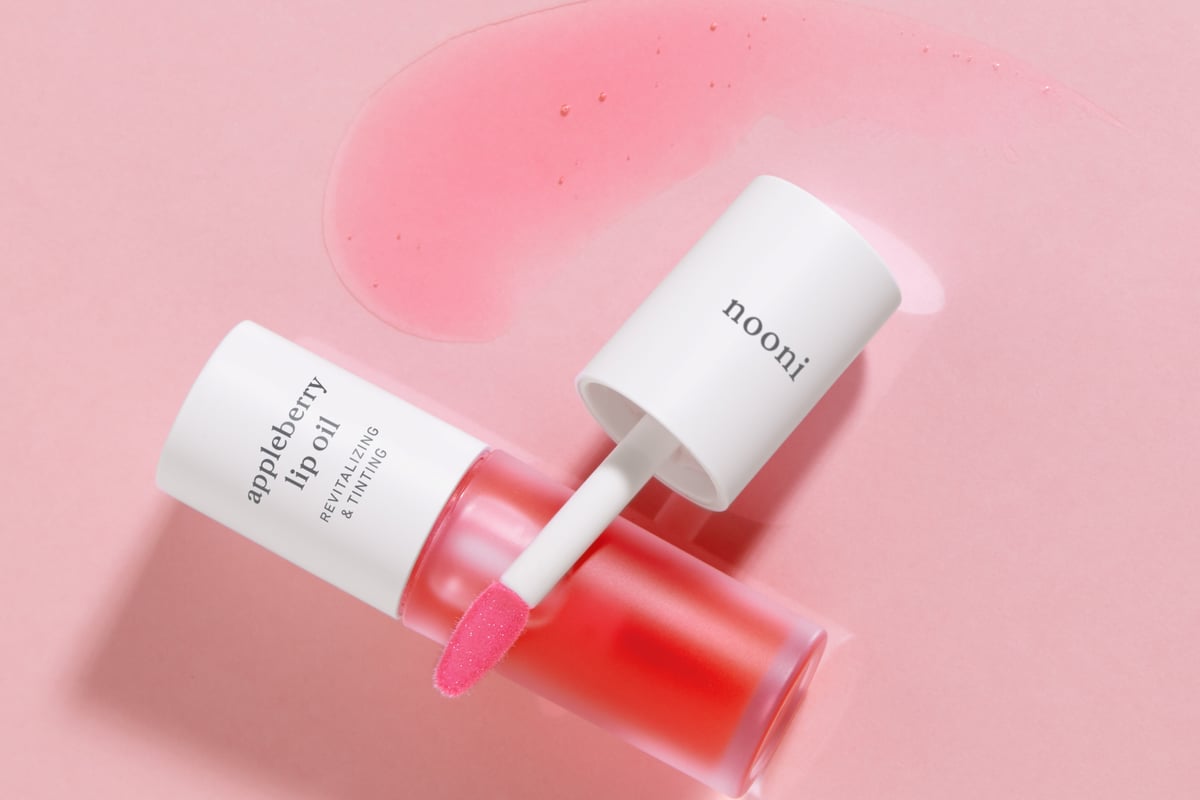
The nooni Appleberry Lip Oil exemplifies how fruit-forward formulations combine nourishing ingredients with fresh, wearable color. This approach to shade development emphasizes natural beauty enhancement rather than dramatic transformation.
Application Techniques for Best Results
Maximizing the benefits of your hydrating tinted lip oil requires understanding optimal application methods. While these products are designed for simplicity, strategic techniques can enhance both appearance and longevity. The versatility of lip oils allows for creative layering and customization.
Standalone Application for Natural Enhancement
For a minimal, fresh-faced look, apply lip oil directly to clean, bare lips. The built-in applicator typically features a doe-foot wand that picks up the perfect amount of product. Start at the center of the lips and work outward toward the corners for even distribution.
The key to achieving the signature glossy finish is allowing the formula to settle for 30-60 seconds after application. This brief pause lets the oils absorb slightly while the pigments set. The result is a natural-looking flush with comfortable, long-wearing shine.
Layering Strategies for Dimension
Lip oils excel when layered over other lip products to add moisture and luminosity. Apply your favorite matte lipstick first, then top with a complementary lip oil shade. This technique transforms any lipstick into a hydrating, comfortable formula with enhanced dimension.
For deeper color intensity, apply multiple thin layers of the same lip oil shade rather than one thick coat. Allow each layer to partially absorb before adding the next. This building technique creates richer pigmentation while maintaining the lightweight feel.
Precision Tips for Professional Results
Blot lightly after initial application to remove excess and create a longer-lasting stain effect
Apply to lip center only for a gradient or ombre effect that looks naturally flushed
Use a lip liner beneath the oil for more defined edges and extended wear
Refrigerate before use for a cooling, soothing sensation on irritated lips
Combine shades by mixing two colors on the back of your hand before application
Ingredients That Make the Difference
The efficacy of a hydrating tinted lip oil depends heavily on its formulation. Quality products feature carefully selected botanical ingredients that deliver measurable benefits. Understanding these components helps consumers make informed purchasing decisions and recognize effective formulations.
Apple Seed Oil: The Star Hydrator
Apple Seed Oil serves as a cornerstone ingredient in many premium lip oils. This extract contains high concentrations of linoleic acid, an essential fatty acid that supports barrier function. The oil's molecular structure allows it to penetrate effectively while providing antioxidant protection.
The benefits of Apple Seed Oil include:
Vitamin E content that protects against environmental damage
Omega-6 fatty acids that repair and strengthen the lip barrier
Lightweight absorption that hydrates without greasiness
Natural emollient properties that soften and smooth texture
Research into formulations like those found at Bloom Pharmacy demonstrates the growing emphasis on ingredient transparency and botanical actives in lip care.
Vegan and Cruelty-Free Standards
Modern consumers increasingly prioritize ethical considerations when selecting beauty products. Vegan formulations exclude all animal-derived ingredients, relying instead on plant-based alternatives. This commitment extends beyond basic ingredients to include testing practices and supply chain ethics.
Cruelty-free certification ensures that no animal testing occurred during any phase of product development. These standards align with broader sustainability goals and appeal to environmentally conscious consumers. K-beauty brands like those featured on nooni's website often lead the industry in combining efficacy with ethical production methods.
Ingredient Type |
Function |
Benefits |
Common Sources |
|---|---|---|---|
Plant Oils |
Base hydration |
Deep moisture, barrier repair |
Apple seed, jojoba, sunflower |
Fruit Extracts |
Color and antioxidants |
Natural tint, protection |
Berry, plum, cranberry |
Vitamin E |
Preservation and care |
Antioxidant, extends shelf life |
Tocopherol |
Natural Waxes |
Texture and hold |
Structure without heaviness |
Candelilla, rice bran |
Additional Nourishing Components
Beyond the primary oil base, effective formulations include complementary ingredients that enhance performance. Ceramides support the natural lipid barrier, preventing moisture loss. Hyaluronic acid attracts and holds water molecules for plumping effects.
Botanical extracts contribute both functional and sensory benefits. Chamomile soothes irritation, while peppermint provides a subtle cooling sensation. These additions transform a basic lip oil into a comprehensive treatment product that addresses multiple concerns simultaneously.
Seasonal Considerations and Daily Use
The versatility of hydrating tinted lip oil makes it suitable for year-round wear, though seasonal factors influence application needs. Environmental conditions directly impact lip hydration levels, requiring strategic adjustments to your routine. Understanding these variations ensures optimal results regardless of weather.
Winter Protection and Intense Hydration
Cold weather and indoor heating create particularly challenging conditions for lip health. The dry air pulls moisture from the skin, leading to chapping and flaking. During winter months, consider applying lip oil more frequently and choosing richer formulations with deeper hydration properties.
Layering becomes especially valuable in harsh conditions. Start with a intensive treatment like the Applebutter Lip Mask at night, then maintain moisture throughout the day with your preferred tinted oil. This comprehensive approach prevents damage rather than simply treating existing problems.
Summer and Sun Considerations
While lip oils provide excellent moisture, they do not offer sun protection unless specifically formulated with SPF. During summer months or high-altitude activities, layer your lip oil over a dedicated lip sunscreen. The oil can actually help extend the wear of SPF products by preventing them from drying out.
Lighter, more refreshing shades often feel appropriate for warm weather. Berry and citrus-inspired tints complement sun-kissed skin and summer wardrobes. The non-sticky formula becomes particularly valuable when temperatures rise, as heavy glosses can feel uncomfortable in heat.
Daily Maintenance Routine
Incorporating lip oil into your everyday routine requires minimal effort:
Morning: Apply after skincare, before or instead of lipstick
Midday: Reapply as needed, typically every 3-4 hours
Evening: Use as overnight treatment for continuous repair
Post-meals: Touch up after eating or drinking
The low-maintenance nature of lip oils makes consistent use effortless. Unlike products requiring mirrors and precision, most users can reapply quickly throughout the day.
Troubleshooting Common Concerns
Even with high-quality formulations, users occasionally encounter challenges or have specific questions about lip oil use. Addressing these common issues helps maximize satisfaction and results. Most concerns have simple solutions that enhance the overall experience.
Managing Product Longevity
If your lip oil seems to fade too quickly, consider these adjustments. First, ensure lips are properly exfoliated before application. Dead skin cells prevent optimal absorption and adhesion of both moisture and pigment. Gently buff lips with a soft toothbrush or specialized lip scrub weekly.
Secondly, try the blotting technique mentioned earlier. Pressing a tissue lightly against lips after initial application removes surface excess while allowing the formula to set into the skin. This creates a longer-lasting tint and reduces the need for frequent reapplication.
Addressing Sensitivity Issues
While lip oils generally suit sensitive skin due to their gentle, natural formulations, individual reactions can occur. If you experience tingling or irritation, check the ingredient list for potential allergens. Common culprits include essential oils used for fragrance or flavoring.
Those with specific sensitivities should seek out minimal formulations with shorter ingredient lists. Products featuring simple oil blends without added fragrances often work best for reactive skin. Patch testing new products on the inner wrist before lip application helps identify potential issues.
Achieving Better Color Payoff
If the tint appears too subtle, several techniques can intensify the effect. Apply multiple thin layers, allowing each to partially dry before adding the next. This builds pigmentation gradually while maintaining the lightweight texture that defines lip oils.
Alternatively, pair your lip oil with a complementary lip liner used across the entire lip surface. This creates a base layer of color that the oil enhances and glosses. The liner prevents feathering while the oil provides comfort and shine.
Storage and Shelf Life Considerations
Proper storage extends the life and maintains the quality of your hydrating tinted lip oil. Natural formulations without heavy preservatives require more careful handling than synthetic alternatives. Following basic guidelines ensures your product remains effective and safe throughout its intended lifespan.
Optimal Storage Conditions
Store lip oils in a cool, dry location away from direct sunlight. Heat can alter the texture of oil-based formulas, causing separation or changes in viscosity. While the bathroom seems convenient, temperature fluctuations from showers make it less than ideal for long-term storage.
A bedroom drawer or vanity away from heating vents provides the most consistent environment. For those in particularly hot climates, refrigerating lip oils can enhance shelf life and provide a refreshing cooling effect upon application. The cold temperature also helps maintain the precise consistency the manufacturer intended.
Recognizing Product Changes
Natural formulations have finite shelf lives, typically ranging from 12-24 months depending on ingredients and packaging. Watch for these signs that your lip oil may need replacing:
Separation that doesn't resolve with gentle shaking
Off odors indicating oxidation of natural oils
Texture changes such as excessive thickness or unusual thinness
Color shifts particularly darkening or fading of the tint
Quality products often include production dates or period-after-opening symbols on packaging. These indicators help track freshness and ensure optimal performance.
Hydrating tinted lip oil represents the intersection of effective skincare and effortless beauty, delivering moisture, color, and shine in one streamlined product. The non-sticky, silky formulas with fruit-derived pigments and nourishing oils like Apple Seed Oil make daily lip care both simple and effective. Whether you are seeking a lip oil for dry lips or exploring the differences in a lip oil vs lip gloss comparison, the right product transforms your routine while supporting long-term lip health. Discover how nooni combines K-beauty innovation with vegan, sustainably sourced ingredients to create lip oils that hydrate, enhance, and protect your lips naturally every day.
Read more
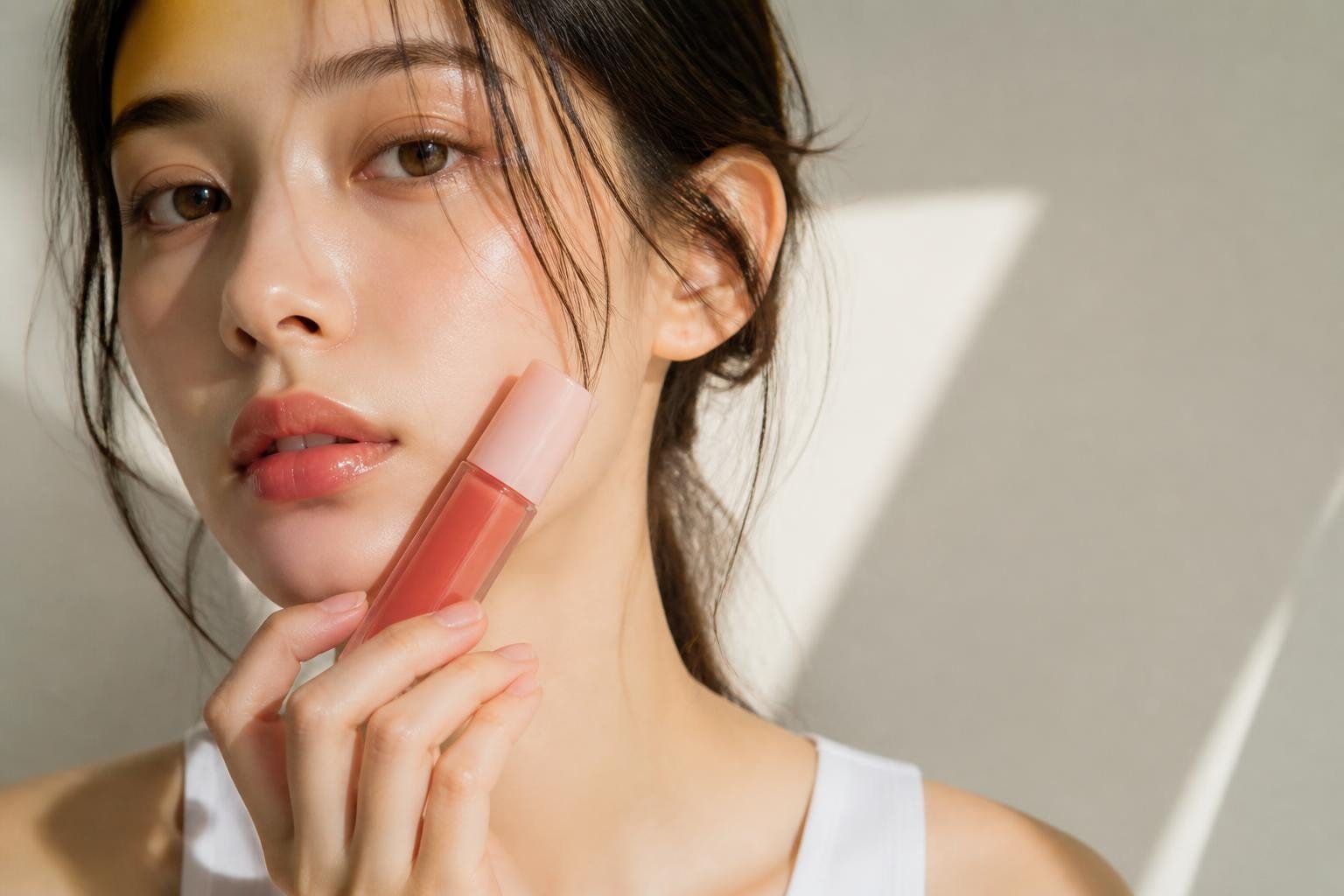
Discover the best Korean lip oil for dry lips. Non-sticky, deeply hydrating, and cruelty-free with Apple Seed Oil. Your guide to K-beauty lip care.
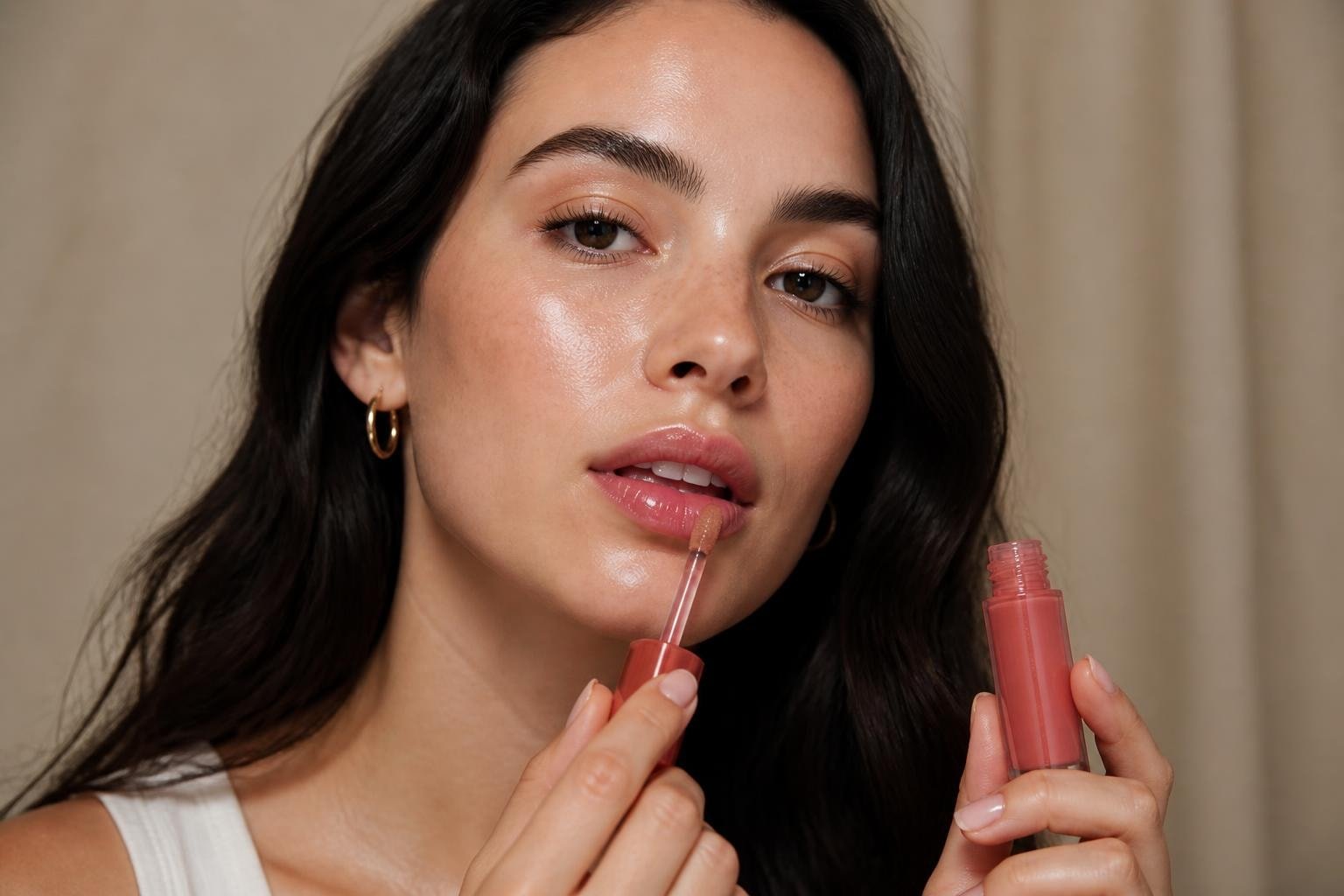
Discover non sticky tinted lip oil: a lightweight K-beauty hybrid that hydrates, tints, and plumps lips without the heavy feel of gloss.