



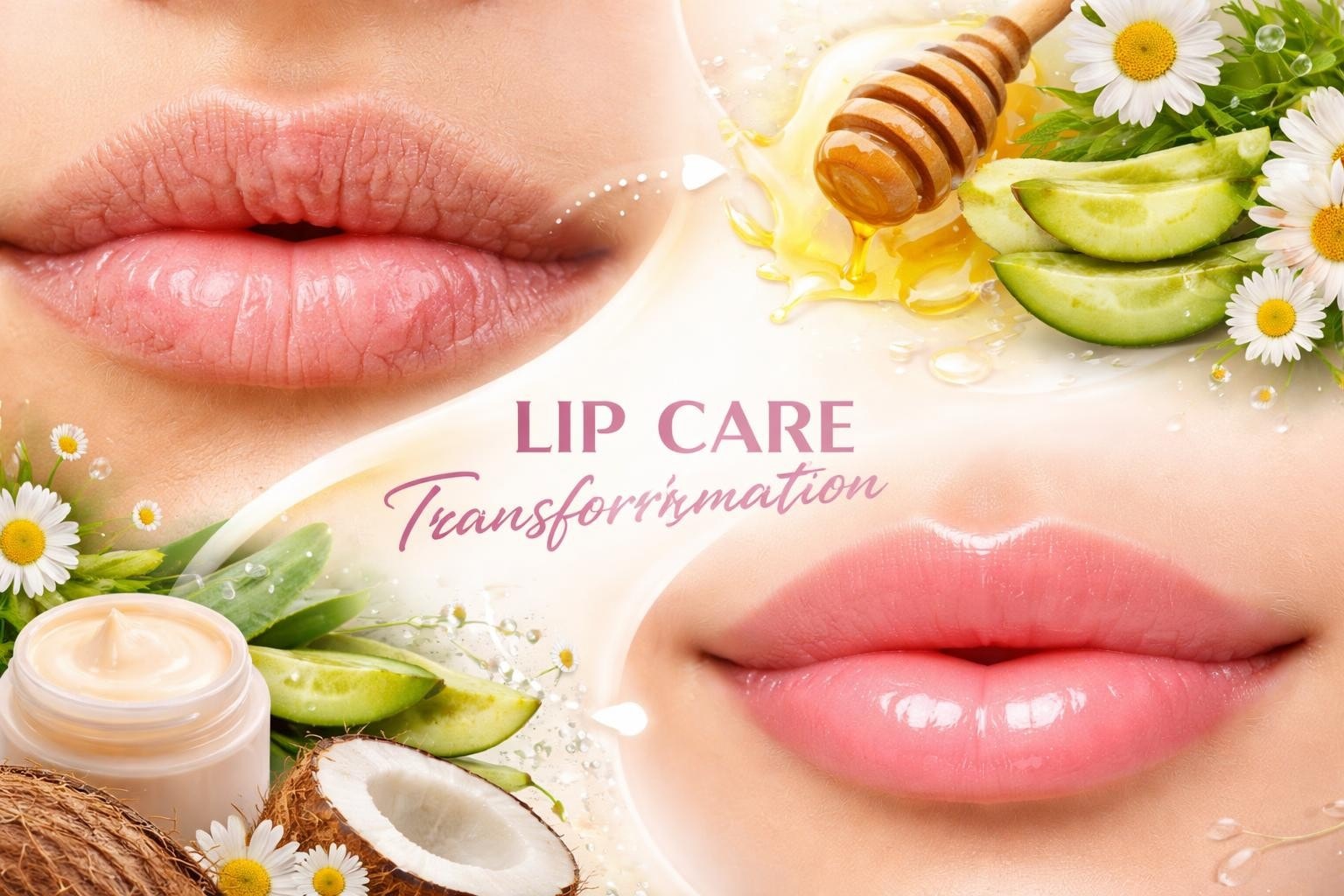
Dry Lip Care: Complete Guide to Soft, Hydrated Lips
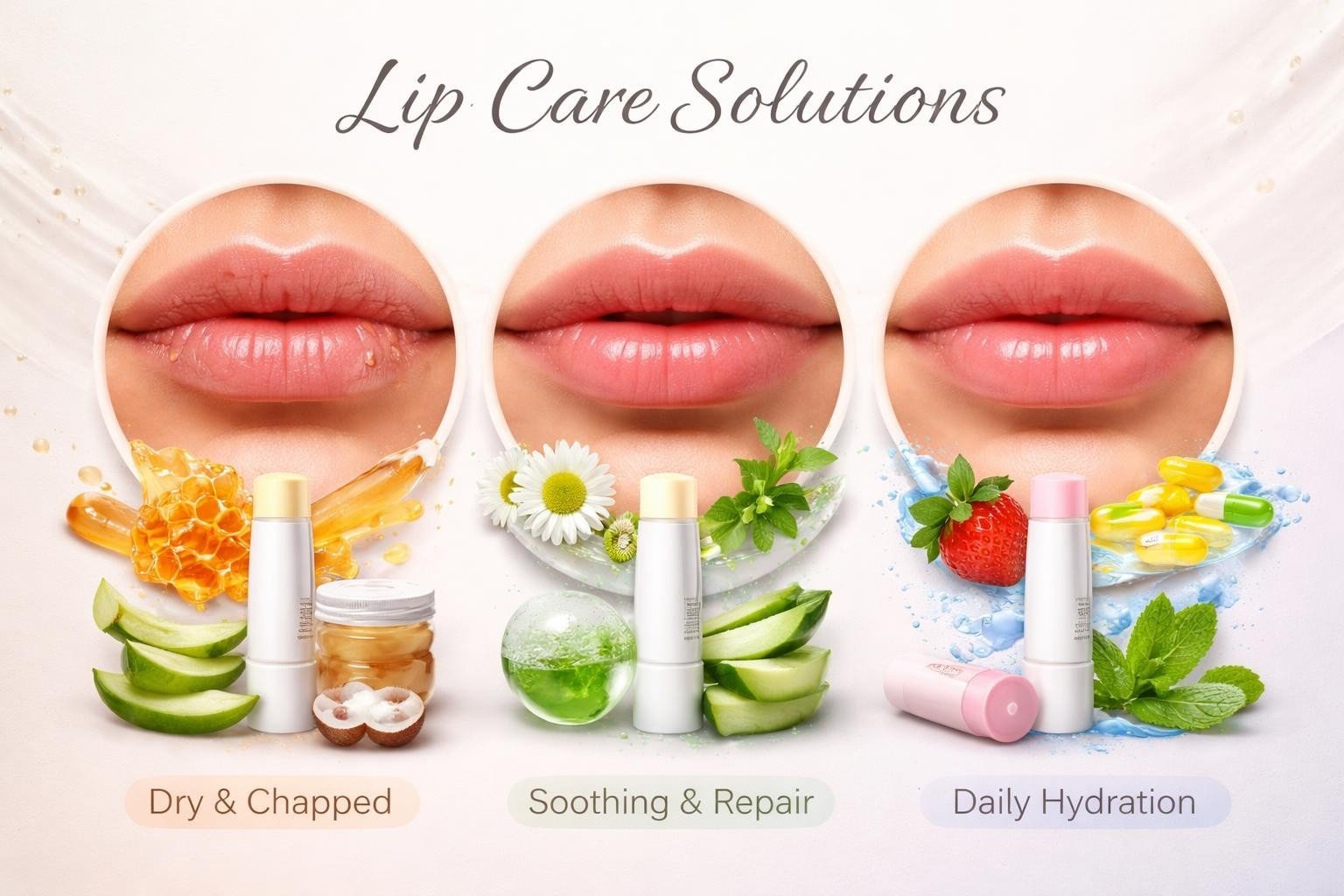
Nothing feels quite as uncomfortable as dry, chapped lips. Whether you're dealing with seasonal changes, environmental stress, or simply need better hydration, understanding proper dry lip care can transform your daily routine. The journey to soft, supple lips involves more than just applying any balm you find. It requires understanding what causes dryness, which ingredients truly work, and how modern solutions like lip oils offer superior hydration without the sticky feeling of traditional products. Let's explore everything you need to know about keeping your lips healthy, comfortable, and beautifully hydrated throughout the year.
Understanding Why Lips Get Dry
The skin on your lips is remarkably different from the rest of your face. Unlike other areas, lips lack oil glands, which means they cannot produce natural moisture on their own. This unique characteristic makes them particularly vulnerable to dehydration and environmental damage.
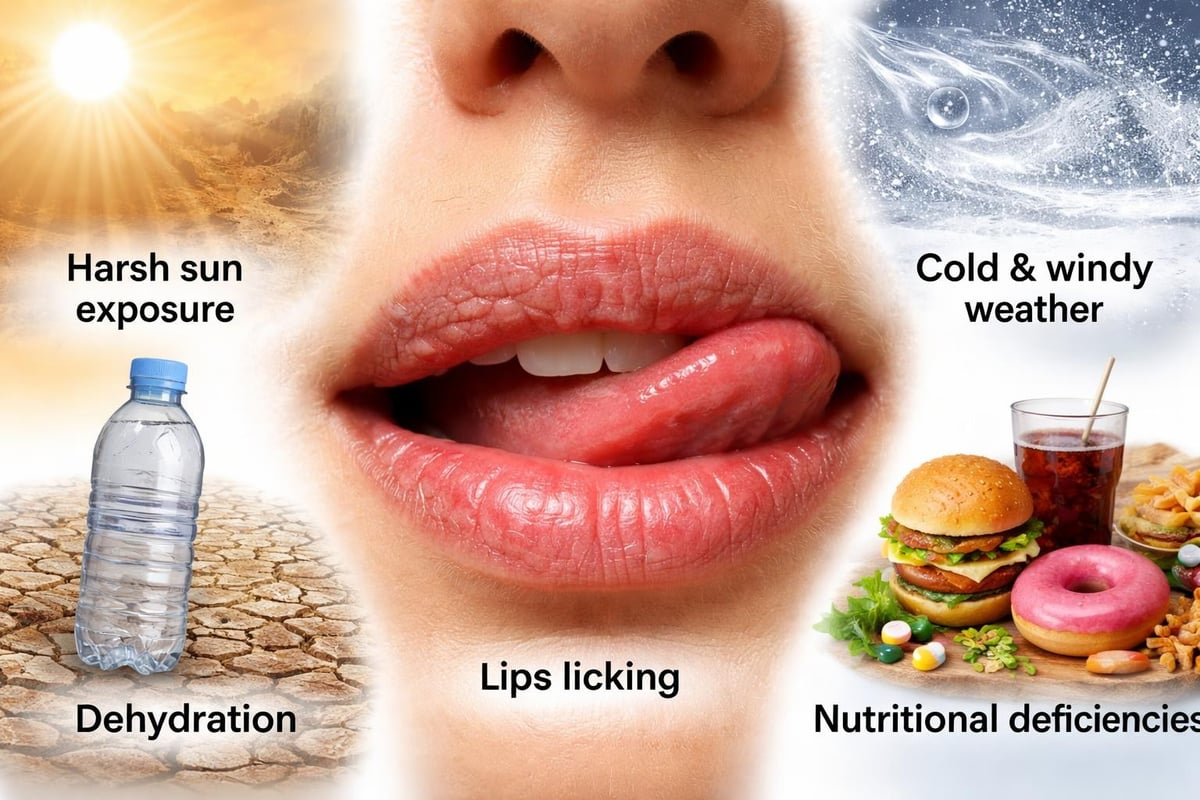
Several factors contribute to dry lips beyond simple lack of moisture. According to dermatologist-recommended dry lip treatment guidelines, exposure to harsh weather conditions ranks among the top culprits. Cold winter air strips moisture away rapidly, while summer sun can cause burning and peeling.
Common Causes of Lip Dryness
Environmental factors: Wind, cold temperatures, low humidity, and excessive sun exposure
Dehydration: Not drinking enough water throughout the day
Mouth breathing: Especially during sleep or due to nasal congestion
Lip licking: Saliva evaporates quickly, leaving lips drier than before
Certain medications: Some prescriptions have drying side effects
Nutritional deficiencies: Lack of vitamins B, iron, or zinc
The American Academy of Dermatology notes that many people unknowingly worsen their dry lip care routine by choosing products with irritating ingredients. Flavored balms, fragrances, and certain preservatives can trigger sensitivity reactions that compound the problem.
The Science Behind Effective Dry Lip Care
Effective dry lip care relies on understanding the barrier function of lip skin. Your lips need three essential components: hydration, protection, and nourishment. Traditional lip balms often provide temporary relief but fail to address underlying moisture retention.
Modern K-beauty innovations have revolutionized how we approach lip hydration. Lip oils represent a significant advancement over conventional products because they work with your skin's natural processes rather than simply coating the surface. These formulations typically contain Apple Seed Oil, which penetrates deeply to provide lasting moisture without the heavy, sticky texture of glosses.
Key Ingredients for Optimal Lip Health
Ingredient Type |
Benefits |
Best For |
|---|---|---|
Plant Oils |
Deep hydration, vitamin delivery |
Severely dry lips |
Fruit Extracts |
Antioxidant protection, gentle nourishment |
Sensitive lips |
Ceramides |
Barrier repair, moisture retention |
Chronically chapped lips |
Natural Butters |
Intensive overnight treatment |
Extreme dryness |
The beauty of vegan and cruelty-free formulations is they harness powerful botanical ingredients without compromise. Locally sourced ingredients from Korea bring unique benefits, as these regions have centuries of knowledge about skin-nourishing plants.
Building Your Perfect Dry Lip Care Routine
Creating an effective routine doesn't require dozens of products. Instead, focus on consistency and choosing the right formulations for your specific needs. Your lips deserve the same attention you give to your facial skincare.
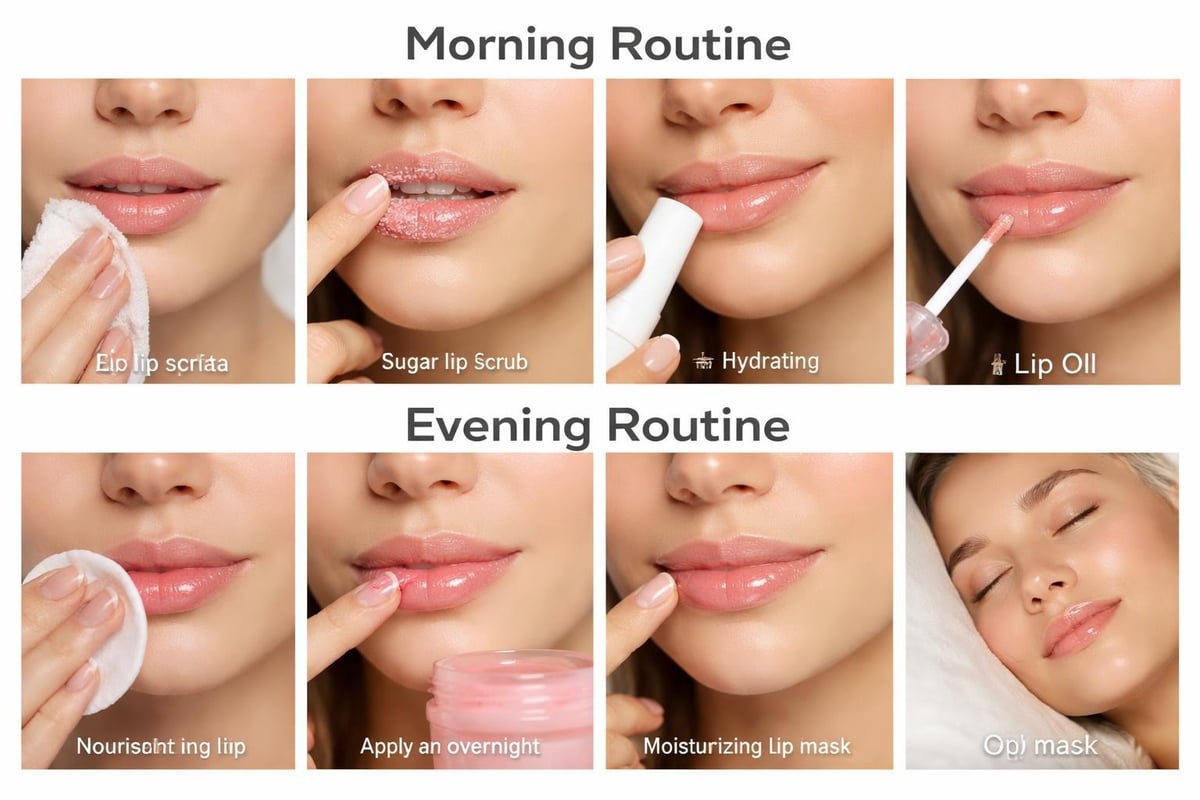
Start each morning by gently exfoliating if needed. Not daily, but when you notice flaking or rough texture. A soft toothbrush or gentle lip scrub removes dead skin, allowing treatments to penetrate more effectively.
Morning Lip Care Steps
Cleanse gently: Remove any overnight treatments with lukewarm water
Apply hydrating treatment: Choose a non-sticky, silky texture formula
Add SPF protection: Sun damage accelerates aging and dryness
Layer if desired: Top with color if you prefer a long-lasting tint
The beauty of modern lip oils lies in their 2-in-1 function as both treatment and cosmetic. Unlike traditional glosses that sit on the surface, quality lip oils absorb while leaving a beautiful sheen. This plumping effect comes from genuine hydration, not irritating ingredients that cause temporary swelling.
Evening routines should focus on intensive repair. Experts at Geisinger Health System recommend applying thicker treatments before bed, allowing hours of uninterrupted healing time. This is when your body performs most of its cellular repair work.
Choosing Between Lip Products: Oils, Balms, and Masks
The lip care market offers countless options, making selection overwhelming. Understanding the distinctions helps you build an effective dry lip care arsenal tailored to your lifestyle.
Lip balms provide basic protection and are excellent for preventing moisture loss. However, many contain waxes that create a barrier without delivering deep hydration. Harper's Bazaar's exploration of lip balm myths reveals that some formulations might actually contribute to dependency rather than solving underlying dryness.
Product Type Comparison
Lip Oils excel at combining deep hydration with cosmetic appeal. Their lightweight, non-sticky formulation makes them perfect for all-day wear. The silky texture feels luxurious while fruit extracts provide antioxidant benefits. Many users appreciate the subtle long-lasting tint that enhances natural lip color without heavy pigment.
Lip Masks offer intensive overnight treatment. Products like lip masks deliver concentrated nourishment during sleep, when your body is most receptive to repair. These thicker formulations create an occlusive layer that locks in active ingredients.
Traditional Glosses might add shine, but they often lack substantive treatment benefits. The sticky texture can feel uncomfortable, and many formulations contain minimal hydrating ingredients. This is where lip oils shine by offering hydration without the stickiness that glosses are known for.
Natural Ingredients That Transform Dry Lip Care
The shift toward clean beauty has brought attention to powerful botanical ingredients. Vegan formulations prove that effective dry lip care doesn't require animal-derived components. Nature provides everything needed for soft, healthy lips.
Apple Seed Oil stands out as a cornerstone ingredient in premium lip care. Rich in essential fatty acids and vitamins, it penetrates deeply to restore moisture balance. Unlike mineral oils that simply coat the surface, Apple Seed Oil works at the cellular level to strengthen your lips' natural barrier.
Fruit extracts bring more than pleasant scent. Each offers unique benefits:
Berry extracts: High in antioxidants that protect against environmental damage
Plum: Contains vitamins that support skin renewal
Cherry: Provides gentle exfoliation through natural acids
Fig: Offers soothing properties for irritated skin
Ginseng: Energizes and promotes circulation for healthy color
Korean beauty wisdom emphasizes locally sourced ingredients because regional plants often contain higher concentrations of beneficial compounds. The climate and soil conditions create botanicals perfectly suited for skincare applications.
Avoiding Common Dry Lip Care Mistakes
Even with the best intentions, many people sabotage their lip care efforts through common mistakes. Awareness helps you avoid these pitfalls and achieve faster results.
NBC News investigations into lip balm effectiveness reveal that product addiction isn't just psychological. Some ingredients can actually thin the skin's protective layer over time, creating dependency. Choose formulations with genuinely nourishing components rather than temporary fixes.
What to Avoid
Stop licking your lips. This habit feels soothing momentarily but causes rapid moisture evaporation. Saliva contains digestive enzymes that break down the delicate lip skin, worsening dryness and leading to chronic chapping.
Don't over-exfoliate. While removing dead skin helps treatments absorb better, excessive scrubbing damages healthy cells. Limit physical exfoliation to once or twice weekly, and always follow with intensive hydration.
Avoid irritating ingredients commonly found in flavored products. Menthol, camphor, and certain fragrances can trigger sensitivity reactions. Check labels carefully and opt for gentle, naturally derived components instead.
Never skip hydration from within. No topical treatment can compensate for systemic dehydration. Drinking adequate water throughout the day supports overall skin health, including your lips.
Seasonal Adjustments for Year-Round Lip Health
Your dry lip care needs change with seasons, requiring different approaches throughout the year. Adapting your routine ensures consistent comfort regardless of weather conditions.
Winter demands the most intensive care. Cold air holds less moisture, and indoor heating further depletes humidity levels. During these months, layer your treatments. Start with a hydrating lip oil that provides deep hydration, then add a protective balm if you'll be outdoors for extended periods.
Seasonal Care Strategies
Season |
Primary Challenge |
Best Approach |
|---|---|---|
Winter |
Extreme dryness, cold damage |
Multiple daily applications, overnight masks |
Spring |
Allergen irritation, variable weather |
Gentle formulas, consistent routine |
Summer |
Sun damage, air conditioning |
SPF protection, lightweight hydration |
Fall |
Transition dryness, wind |
Barrier strengthening, repair focus |
Summer brings different challenges. Sun exposure can burn delicate lip skin, while swimming in chlorinated or salt water strips natural oils. Choose products with natural sun protection and reapply frequently. The 2-in-1 function of quality lip oils makes this easy since they provide both treatment and attractive finish.
Spring allergies often manifest as lip irritation. Pollen and environmental allergens can cause swelling and sensitivity. Opt for hypoallergenic, fragrance-free options during peak allergy season. Cruelty-free and vegan formulations typically have fewer potential irritants.

The Role of Diet and Lifestyle in Lip Health
External treatments form only part of effective dry lip care. What you consume and how you live significantly impact lip condition. Taking a holistic approach yields the best long-term results.
Hydration starts internally. Aim for at least eight glasses of water daily, more if you exercise heavily or live in dry climates. Herbal teas count toward this goal and provide additional antioxidants that support skin health.
Nutritional factors play crucial roles. B vitamins, particularly B2 and B12, directly affect lip condition. Iron deficiency can cause cracking at the corners of your mouth. Ensure your diet includes:
Leafy greens: Rich in vitamins and minerals
Nuts and seeds: Provide healthy fats for moisture retention
Fatty fish: Omega-3 fatty acids support skin barrier function
Fresh fruits: Natural vitamin C aids collagen production
Whole grains: B vitamins for cellular health
Lifestyle habits matter tremendously. Smoking accelerates lip aging and dryness through multiple mechanisms. The repetitive motion, chemical exposure, and reduced circulation all damage delicate lip tissue. If you smoke, quitting represents the single most impactful change for lip health.
Sleep quality affects cellular repair processes. During deep sleep, your body produces growth hormone that supports tissue regeneration. Prioritize seven to nine hours nightly for optimal results. This is why overnight treatments with intensive lip masks work so effectively.
Understanding the Innovation Behind Modern Lip Oils
The evolution from traditional balms to sophisticated lip oils represents a significant advancement in dry lip care technology. These products combine skincare science with cosmetic elegance, offering solutions that previous generations lacked.
Traditional glosses prioritized shine over substance. Their thick, sticky formulas sat on the surface, providing visual appeal but minimal treatment benefits. Many contained synthetic ingredients that could actually contribute to long-term dryness.
Modern lip oils take a different approach. By using Apple Seed Oil as a base, they deliver nutrients directly into lip tissue. The lightweight, non-sticky formula absorbs partially while leaving a protective layer. This dual action provides immediate comfort and lasting improvement.
The plumping effect deserves special attention. Unlike irritating ingredients that cause temporary inflammation, quality lip oils create fullness through genuine hydration. As cells absorb moisture, they naturally expand, creating a healthier, more youthful appearance.
Benefits of Premium Lip Oils
Immediate hydration that you can feel within seconds
Long-lasting tint that enhances natural color for hours
Silky texture that glides on effortlessly
Deep nourishment from fruit extracts and botanical oils
Vegan and cruelty-free formulation for conscious consumers
K-beauty brands have pioneered this category by focusing on locally sourced ingredients and sustainable practices. The emphasis on eco-friendly production ensures that caring for your lips doesn't harm the environment.
Addressing Severe Dryness and Special Concerns
Sometimes dry lip care requires more intensive intervention. Chronic chapping, persistent cracking, or recurring issues might indicate underlying problems that need special attention.
If you experience bleeding, severe pain, or lips that don't respond to consistent care, consult a dermatologist. These symptoms could indicate allergic reactions, infections, or nutritional deficiencies requiring medical treatment. The most effective approaches combine professional guidance with quality products.
Angular cheilitis, characterized by cracking at the mouth corners, often results from fungal infections or vitamin deficiencies. This condition needs targeted treatment beyond standard moisturizing. A healthcare provider can determine the cause and recommend appropriate solutions.
For extremely dry lips, consider the layering technique. Start with a hydrating treatment that penetrates deeply. Follow with a thicker occlusive product that seals in moisture. This two-step approach maximizes both hydration and protection.
Intensive Treatment Protocol
Evening preparation: Gently exfoliate to remove barriers to absorption
Apply treatment oil: Choose formulations with deep hydration properties
Add protective layer: Use an intensive mask or butter
Leave overnight: Allow extended contact time for maximum benefit
Morning assessment: Evaluate improvement and adjust as needed
Consistency proves more important than product quantity. Using the best recommended approaches regularly yields better results than sporadic use of multiple products.
Creating a Sustainable Lip Care Practice
True dry lip care extends beyond personal benefit to consider environmental impact. Choosing vegan, cruelty-free products from brands committed to sustainability ensures your routine aligns with broader values.
Packaging matters significantly. Look for brands using recyclable materials, minimal packaging, and refillable options when possible. The beauty industry generates substantial waste, but conscious choices help reduce your footprint.
Ingredient sourcing affects both product quality and environmental health. Locally sourced botanicals from Korea often have smaller carbon footprints than globally transported materials. Additionally, supporting regional agriculture helps maintain biodiversity and traditional farming practices.
Quality over quantity represents another sustainability principle. Investing in well-formulated products that actually work means buying less overall. One excellent lip oil that delivers results replaces multiple ineffective balms cluttering your bathroom drawer.
Consider the complete lifecycle of your lip care products. How are ingredients grown? What happens to packaging after use? Does the company engage in ethical labor practices? These questions help you make informed choices that benefit both your lips and the planet.
Transforming dry, uncomfortable lips into soft, healthy ones requires understanding the science behind effective care and choosing products that truly deliver. By focusing on deep hydration, natural ingredients, and consistent routines, you can achieve lasting results that go beyond temporary relief. Whether you're dealing with seasonal dryness or chronic chapping, nooni offers K-beauty solutions designed with both your lips and the environment in mind, combining locally sourced Korean ingredients with vegan formulations that nourish beautifully without compromise.
Read more
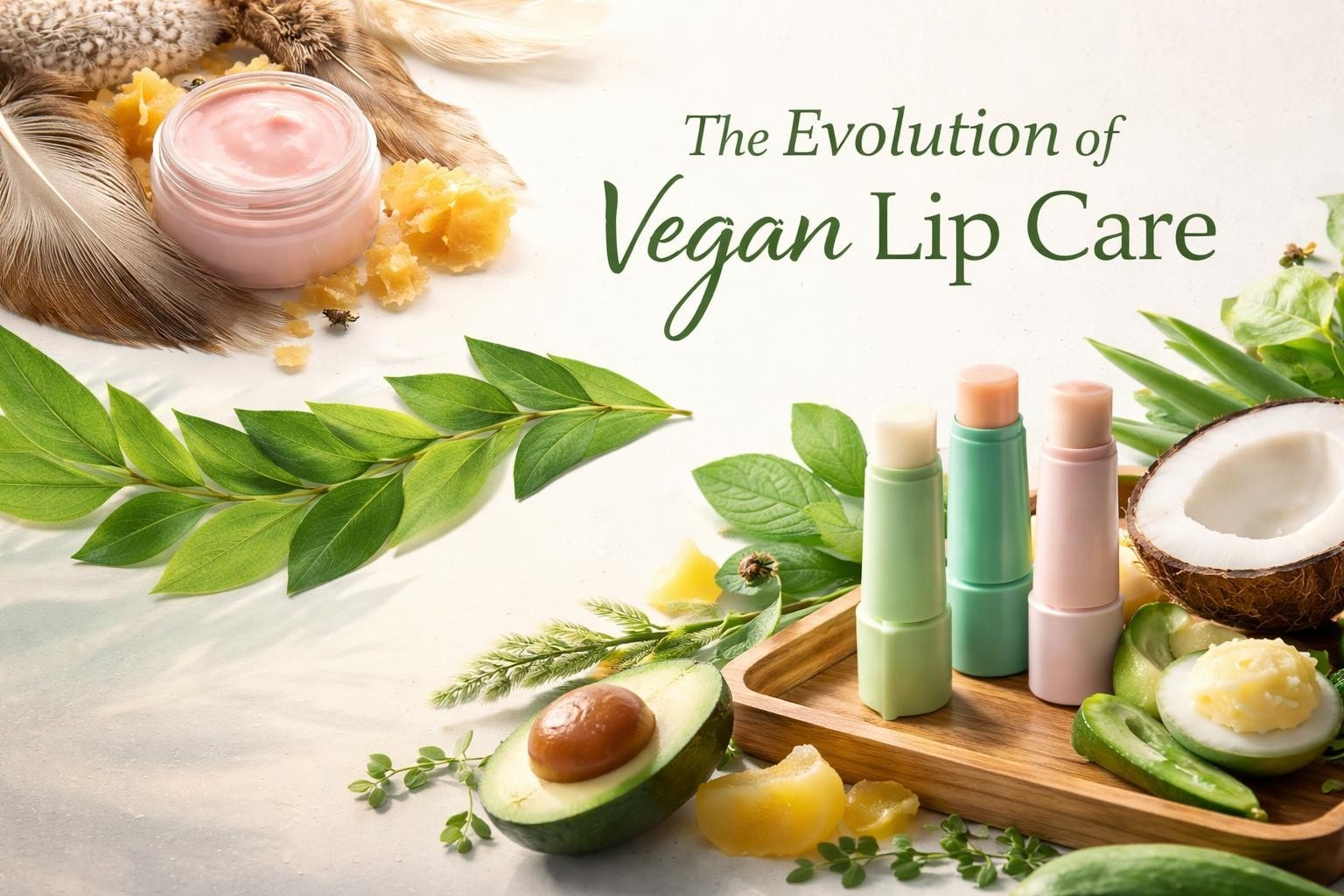
Discover the benefits of vegan lip care products and how clean, plant-based formulas provide superior hydration without compromising ethics or effectiveness.
Discover the best lip balm for hydration, tint, and nourishment. Learn what ingredients work, how to choose, and why K-beauty lip oils excel.