



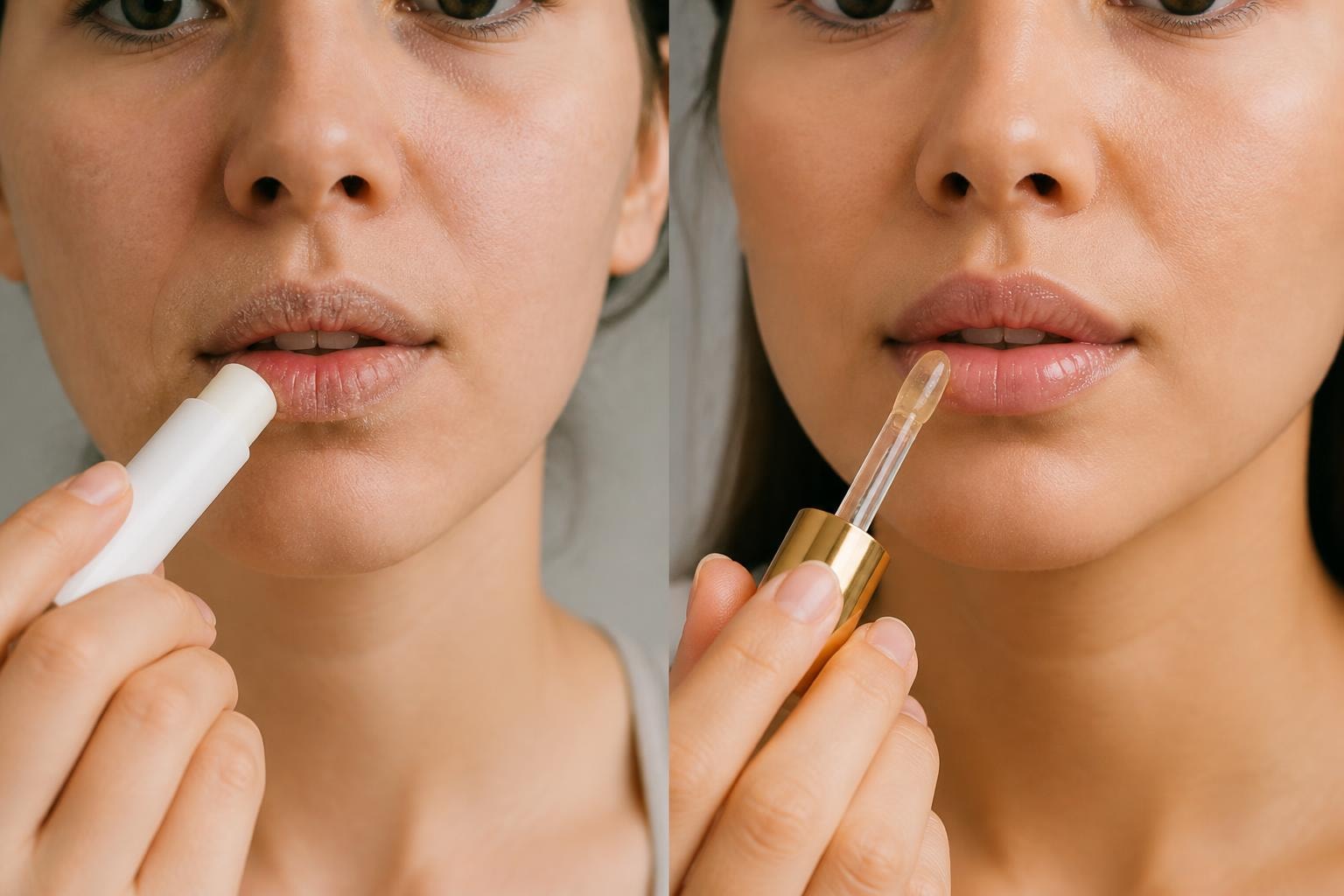
Chapped Lip Balm: Why Lip Oils Are the Better Choice
Chapped lips are a frustrating condition that affects millions of people worldwide, especially during harsh weather months. When your lips become dry, cracked, and uncomfortable, reaching for traditional chapped lip balm seems like the obvious solution. However, many people discover that conventional balm products only provide temporary relief, creating a cycle of constant reapplication without addressing the underlying hydration needs of delicate lip skin. Modern lip care has evolved beyond basic balm formulas to include innovative solutions like lip oils that offer deeper nourishment, lasting hydration, and a comfortable, non-sticky finish that keeps lips healthy and beautiful throughout the day.
Understanding Why Lips Become Chapped
The skin on your lips differs significantly from the rest of your facial skin. Lips lack oil glands, which means they cannot produce natural moisture to protect themselves from environmental stressors. This unique characteristic makes lips particularly vulnerable to dehydration and damage.
Several factors contribute to chronically chapped lips:
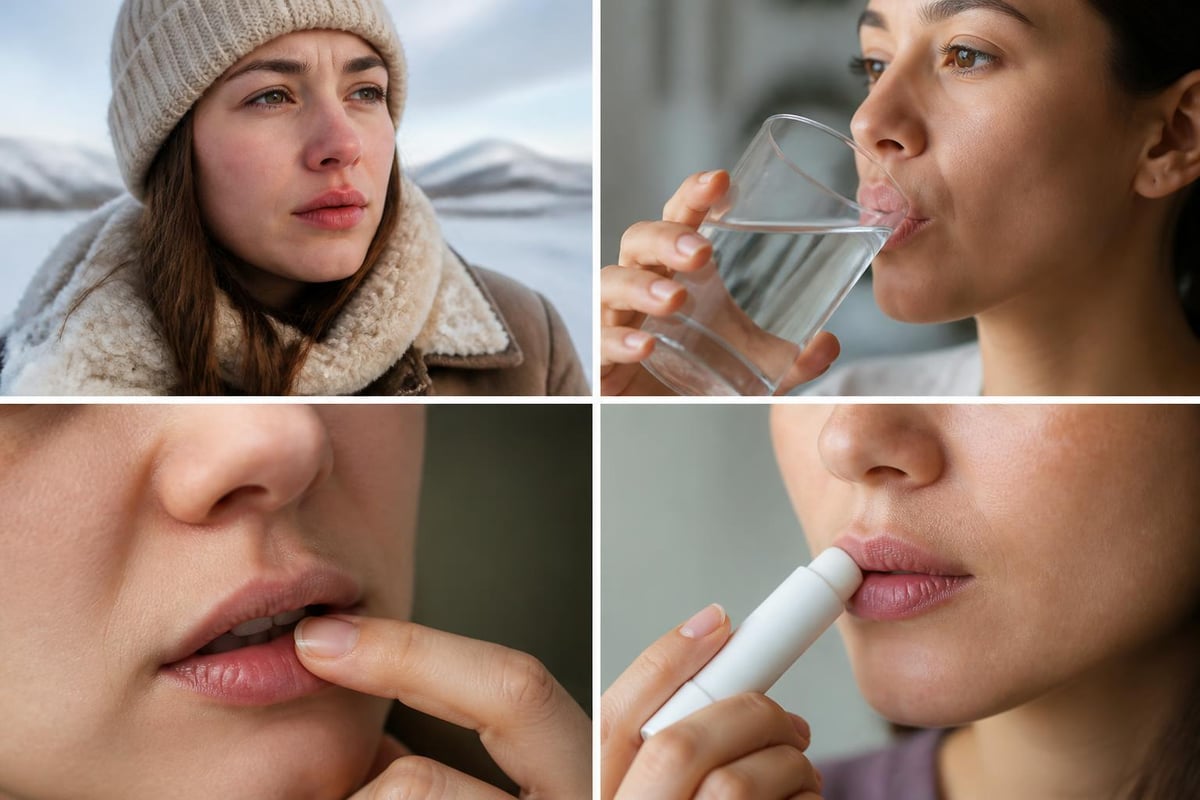
Weather conditions: Cold air, wind, and low humidity strip moisture from lip surfaces
Sun exposure: UV rays damage delicate lip tissue without proper SPF protection
Dehydration: Insufficient water intake affects overall skin hydration, including lips
Mouth breathing: Constant air flow over lips accelerates moisture loss
Lip licking: Saliva evaporation creates a drying cycle that worsens chapping
Certain medications: Some prescriptions cause dryness as a side effect
According to dermatology experts at Healthline, chronic chapped lips can signal underlying health issues or vitamin deficiencies. Understanding the root cause helps you choose the most effective treatment approach rather than simply masking symptoms with repeated balm applications.
The Traditional Chapped Lip Balm Approach
Traditional chapped lip balm products typically rely on occlusive ingredients like petroleum jelly, beeswax, or synthetic waxes to create a barrier on the lip surface. While this barrier can temporarily prevent moisture loss, it does not actively hydrate or nourish the lip tissue beneath.
Many people find themselves trapped in what experts describe as the "lip balm cycle." You apply balm, feel temporary relief, then notice your lips feel even drier when the product wears off. This pattern occurs because surface-level barriers do not address the deeper hydration needs of lip skin cells.
Traditional Balm Feature |
Potential Drawback |
|---|---|
Heavy wax-based formula |
Can feel thick and uncomfortable |
Petroleum derivatives |
May create dependency without healing |
Limited absorption |
Sits on surface rather than penetrating |
Temporary relief |
Requires frequent reapplication |
Expert dermatologists interviewed by Allure emphasize that effective lip care goes beyond creating a surface barrier. The most successful treatments combine protective elements with active hydration ingredients that penetrate lip tissue to restore moisture from within.
What Is Lip Oil and How Does It Work
Lip oil represents a modern evolution in lip care formulation. Unlike traditional chapped lip balm that sits on the surface, lip oil combines lightweight nourishing oils with active botanical ingredients to deliver deep hydration while creating a comfortable protective layer.
A lip oil is a treatment product that uses plant-based oils as the primary vehicle for delivering moisture and nutrients to lip tissue. These formulas absorb more readily than wax-based balms, allowing beneficial ingredients to penetrate the skin barrier and provide lasting hydration.
Key Benefits of Lip Oil for Chapped Lips
The advantages of using lip oil instead of conventional chapped lip balm include:
Non-sticky texture: Silky, lightweight feel without the tackiness of traditional glosses
Deep hydration: Oil molecules penetrate lip tissue for lasting moisture
Plumping effect: Hydrated lips appear fuller and healthier naturally
Long-lasting tint: Many lip oils provide sheer color that stains lips gently
2-in-1 function: Combines treatment benefits with aesthetic enhancement
Apple Seed Oil, a key ingredient in many K-beauty lip oil formulations, contains essential fatty acids and vitamins that support lip barrier repair. This ingredient delivers moisture deep into lip tissue while protecting against environmental damage.
The formula works differently than chapped lip balm because it does not rely solely on occlusive barriers. Instead, lip oil uses emollient and humectant properties to attract moisture to lip cells and seal it in with a breathable, comfortable layer.
Lip Oil vs Lip Gloss: Understanding the Difference
Many people confuse lip oil with lip gloss, but these products serve distinct purposes and deliver different results. Understanding the difference helps you choose the right product for chapped lip care.
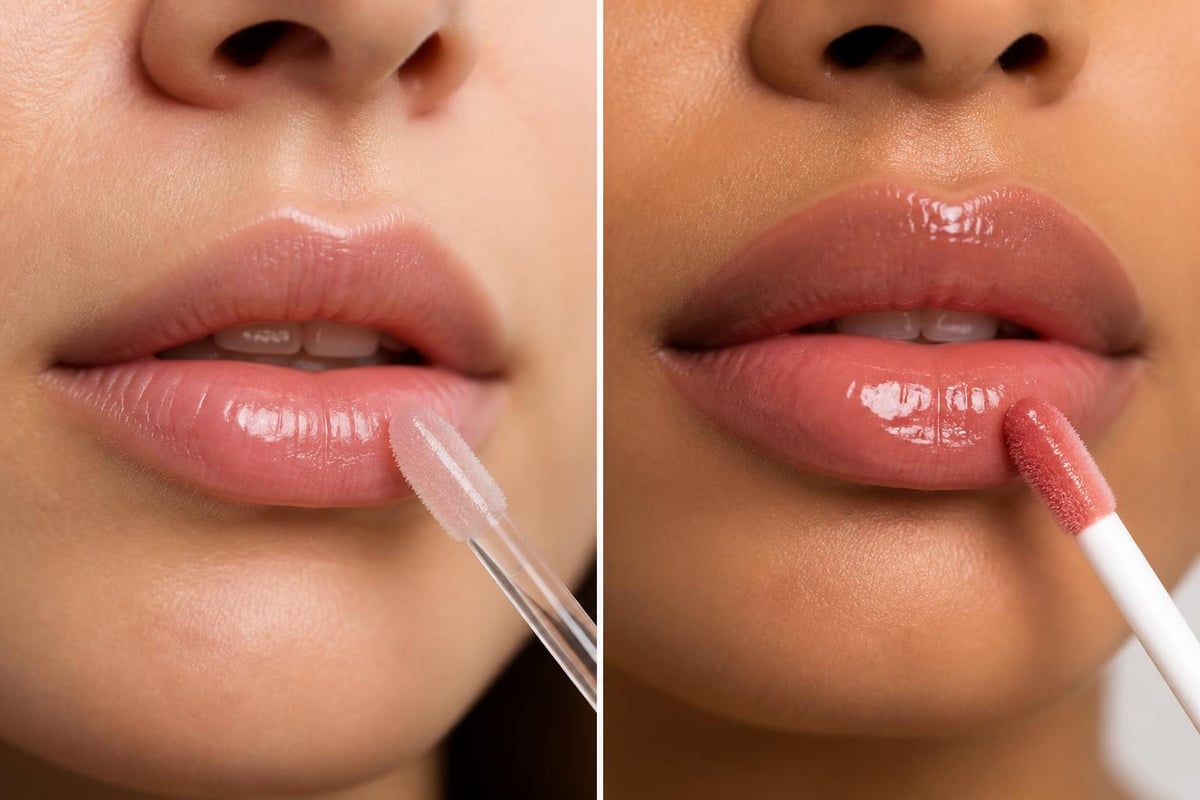
Lip oil for dry lips focuses primarily on treatment and hydration. The formulation emphasizes nourishing botanical oils that repair and protect lip tissue. The shine is a pleasant side effect rather than the primary goal.
Lip gloss, conversely, prioritizes aesthetic appearance. Most gloss formulas use synthetic polymers to create intense shine and sometimes include sticky textures. While some glosses contain moisturizing ingredients, hydration is not their main function.
Feature |
Lip Oil |
Lip Gloss |
|---|---|---|
Primary purpose |
Hydration and treatment |
Cosmetic shine |
Texture |
Lightweight, non-sticky |
Often sticky or tacky |
Absorption |
Penetrates lip tissue |
Sits on surface |
Wear time |
Long-lasting hydration |
Shorter wear, requires reapplication |
Ingredients |
Natural oils, botanical extracts |
Synthetic polymers, waxes |
For those struggling with chronically chapped lips, non-sticky lip oil provides superior comfort. You can wear it throughout the day without the discomfort of hair sticking to your lips or the constant awareness of product sitting on your mouth.
When to Choose Lip Oil Over Chapped Lip Balm
Certain situations and lip conditions respond better to lip oil treatment than traditional chapped lip balm:
Chronic dryness: When balm provides only temporary relief
Sensitive lips: When you need gentle, vegan, cruelty-free formulas
Daily wear: When you want treatment without heavy, obvious product
Layering: When you need a base under or over lip color
Climate challenges: When facing extreme weather conditions
The expert analysis from WebMD confirms that different lip conditions require different treatment approaches. Lip oils excel in situations where you need continuous hydration without the weight or stickiness of traditional products.
Ingredients That Make the Difference
The effectiveness of any lip treatment depends on its ingredient profile. Modern lip oils incorporate carefully selected components that work synergistically to heal chapped lips.
Natural Oils and Botanical Extracts
Premium lip oil formulations feature fruit extracts and plant-based oils that deliver specific benefits:
Apple Seed Oil: Rich in essential fatty acids and antioxidants for barrier repair
Cranberry extract: Contains vitamins and polyphenols that protect lip tissue
Berry extracts: Provide natural pigments and antioxidant protection
Ginseng: Offers anti-inflammatory properties and circulation support
Fig extract: Delivers gentle exfoliation and moisture retention
These natural ingredients work together to address multiple aspects of lip health. Rather than simply covering chapped areas like basic balm, they actively support the skin's natural healing processes.
Vegan and Cruelty-Free Standards
Consumers increasingly prioritize ethical beauty choices. Modern lip care brands, particularly in the K-beauty sector, emphasize vegan formulations that exclude animal-derived ingredients like beeswax, carmine, or lanolin.
Vegan lip oils rely entirely on plant-based ingredients to deliver results. This approach aligns with sustainability values while often providing gentler formulas for sensitive skin. All components come from renewable sources, and the products undergo no animal testing during development or production.
Korean beauty brands have pioneered this approach, using locally sourced ingredients from Korea to create effective, ethical lip care solutions. The emphasis on clean, sustainable practices resonates with modern consumers who want their beauty products to reflect their values.
Application Techniques for Maximum Benefit
Getting the most from your lip oil requires proper application methods that differ from how you might use traditional chapped lip balm.
Daily Application Routine
For optimal results, incorporate lip oil into your daily skincare routine:
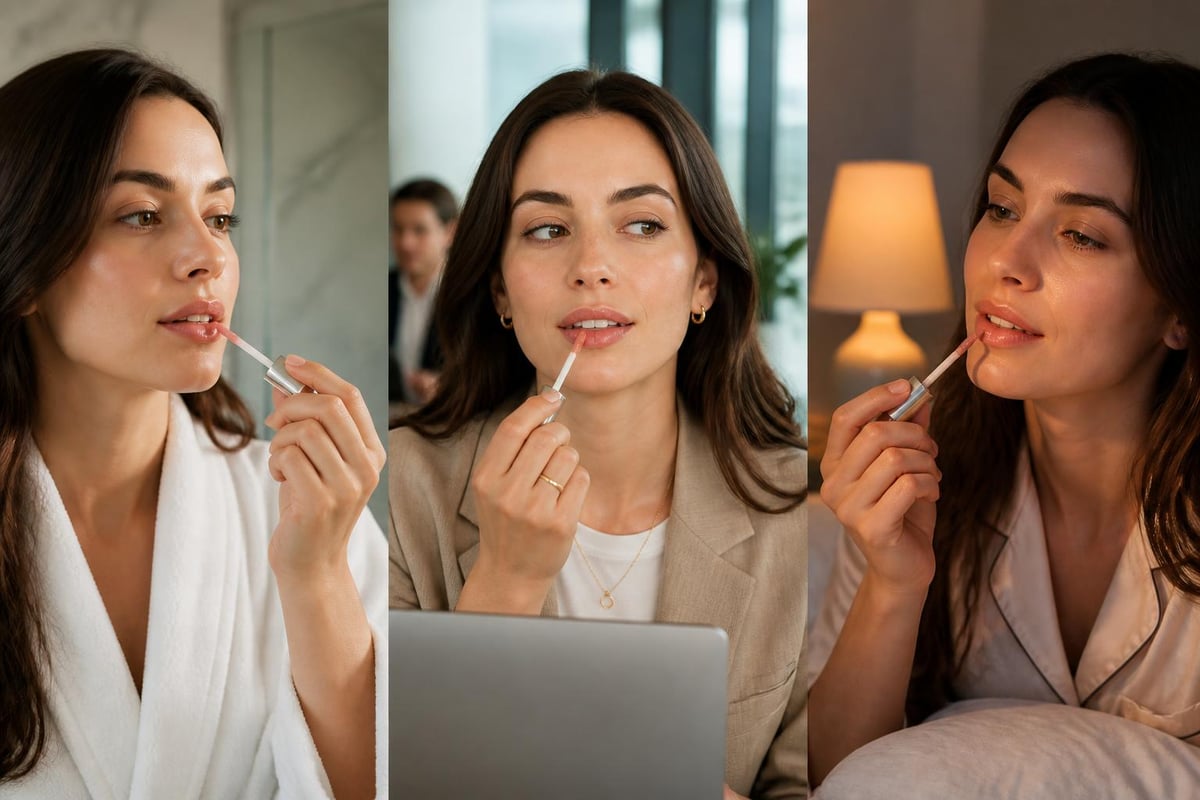
Morning prep: Apply lip oil before other makeup to create a hydrated base
Throughout the day: Reapply as needed without buildup or stickiness
Evening treatment: Use generously before bed for overnight repair
Pre-lipstick: Layer under lip color for improved texture and longevity
The lightweight texture of lip oil allows for frequent reapplication without the heavy, waxy buildup that chapped lip balm can create. You can apply it multiple times daily without discomfort.
Layering and Combination Strategies
Lip oil works beautifully in combination with other lip products:
Apply clear lip oil over matte lipstick to add shine and prevent drying
Use tinted lip oil alone for a natural, glossy lip look
Layer lip oil under lip liner for smoother application
Combine with lip masks for intensive overnight treatment
The versatility of lip oil makes it an essential component of modern lip care routines. Unlike single-purpose chapped lip balm, lip oil adapts to various aesthetic and treatment needs.
The K-Beauty Approach to Lip Care
Korean beauty philosophy has revolutionized skincare and lip care globally. The K-beauty approach emphasizes prevention, hydration, and gentle formulas that work with your skin rather than masking problems.
Traditional chapped lip balm takes a reactive approach, addressing dryness after it appears. K-beauty lip care focuses on maintaining optimal lip hydration continuously, preventing chapping before it starts.
Locally Sourced Korean Ingredients
K-beauty brands prioritize ingredients native to Korea, harvested sustainably and processed minimally to preserve their beneficial properties. These locally sourced materials include various fruit extracts, plant oils, and botanical compounds unique to the Korean peninsula.
The emphasis on local sourcing ensures ingredient freshness and supports sustainable agricultural practices. Consumers benefit from formulas containing active compounds at their peak potency.
Innovation in Texture and Wear
Korean beauty laboratories have perfected the art of creating products with exceptional sensory experiences. The development of non-sticky lip oil represents years of formulation refinement to achieve the perfect balance between treatment efficacy and wearing comfort.
These innovations have changed consumer expectations. People no longer accept that effective lip treatment must feel heavy, sticky, or uncomfortable. The glass lips trend exemplifies how K-beauty combines aesthetic goals with genuine skin health benefits.
Choosing the Right Lip Oil for Your Needs
With growing popularity, the lip oil market offers numerous options. Selecting the right product requires understanding your specific needs and preferences.
Tint Selection and Color Preferences
Modern lip oils come in various tint options, from completely clear to richly pigmented formulas:
Clear: Pure hydration without color alteration
Sheer berry tints: Natural flush of color with treatment benefits
Wine and plum tones: Deeper color for more dramatic looks
Neutral fig and peony shades: Subtle enhancement for everyday wear
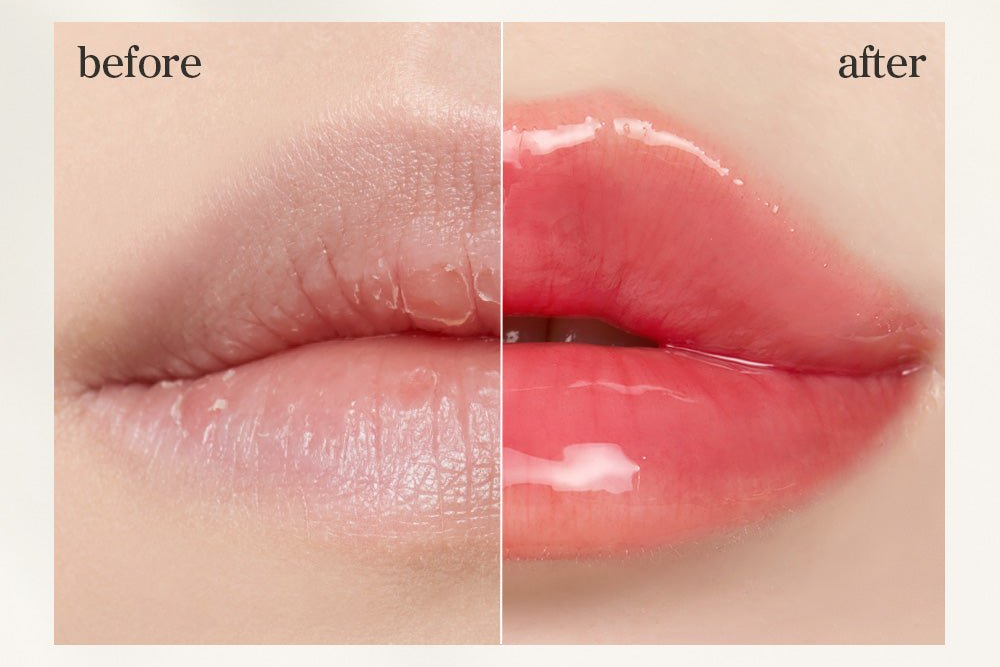
The best tinted lip oil for chapped lips provides both treatment and aesthetic enhancement. For those seeking versatile options that work with any look while providing deep hydration, products like the nooni Appleberry Lip Oil combine a fresh berry-inspired tint with lightweight, non-sticky hydration that layers beautifully over lip color or works alone for a naturally polished appearance.
Considering Your Lifestyle and Environment
Your daily routine and climate affect which lip oil formulation works best:
For dry climates: Choose formulas with higher concentrations of hydrating oils For humid environments: Lighter formulas prevent excessive shine For active lifestyles: Long-wearing tints that maintain color throughout the day For sensitive skin: Fragrance-free, minimal ingredient formulas
Research reported by the Associated Press highlights that some people experience adverse reactions to certain lip balm ingredients. Opting for clean, vegan formulations with transparent ingredient lists reduces the risk of irritation.
Common Mistakes in Treating Chapped Lips
Even with the best products, improper use can undermine your results. Avoiding these common errors improves your lip care outcomes.
Over-Reliance on Surface Protection
The biggest mistake people make with chapped lip balm is treating symptoms without addressing root causes. If you constantly reapply product without seeing improvement, you need a different approach.
Surface barriers alone cannot heal deeply chapped lips. You need formulas that penetrate tissue and deliver active hydration. This is where lip oil excels over traditional balm.
Ignoring Hydration and Nutrition
External lip care products work best when supported by proper internal hydration. Drinking adequate water and consuming foods rich in essential fatty acids support lip health from within.
Beauty experts at Woman & Home discuss whether lip balm creates an unhealthy dependency cycle. The key is choosing products that genuinely heal rather than creating temporary relief that requires constant reapplication.
Using the Wrong Products for Your Condition
Not all lip products address the same concerns. Severely chapped lips need intensive treatment, while mildly dry lips require maintenance care.
For chronic issues that do not respond to standard chapped lip balm, consider more intensive treatments. Combining daily lip oil application with weekly lip mask treatments provides comprehensive care for stubborn dryness.
The Science of Lip Hydration
Understanding how skin hydration works helps explain why lip oil outperforms traditional chapped lip balm for many users.
How Moisture Penetrates Lip Tissue
The stratum corneum, the outermost layer of skin, acts as a barrier that regulates moisture movement. Effective hydration requires ingredients small enough to penetrate this barrier while preventing moisture loss from deeper layers.
Occlusives create surface barriers that prevent water loss. Emollients smooth and soften skin by filling gaps between cells. Humectants attract water from the environment and deeper skin layers.
The most effective lip treatments combine all three types of ingredients. Quality lip oils incorporate this multi-faceted approach, while basic chapped lip balm often relies primarily on occlusive action.
Long-Term Lip Health Benefits
Consistent use of properly formulated lip oil provides cumulative benefits:
Improved barrier function: Lips become more resilient to environmental stress
Reduced sensitivity: Healthy, hydrated lips react less to irritants
Better texture: Smooth, supple lips without flaking or roughness
Enhanced appearance: Naturally fuller, more vibrant lip color
These improvements develop over weeks of consistent use, highlighting the importance of viewing lip care as an ongoing practice rather than a quick fix.
Addressing Specific Lip Concerns
Different lip conditions require tailored approaches beyond basic chapped lip balm application.
Severely Dry and Cracked Lips
For extreme dryness with visible cracking or bleeding, intensive intervention is necessary:
Apply lip oil generously throughout the day
Use overnight lip masks for deep repair
Avoid picking or peeling dry skin
Stay consistently hydrated
Protect lips from sun exposure with SPF
Marie Claire's roundup of the best tinted lip balms emphasizes that combining treatment benefits with aesthetic appeal encourages consistent use, which is crucial for healing severely damaged lips.
Seasonal and Environmental Challenges
Different seasons demand different lip care strategies:
Season |
Primary Challenge |
Recommended Approach |
|---|---|---|
Winter |
Cold air and indoor heating |
Rich, protective lip oils with frequent application |
Spring |
Allergies and wind |
Soothing formulas with anti-inflammatory ingredients |
Summer |
Sun exposure and heat |
SPF protection with lightweight hydration |
Fall |
Transitional weather |
Barrier repair with nourishing botanical oils |
Adapting your lip care routine to seasonal needs prevents the cycle of chronic chapping that frustrates many people.
Sensitive Lip Concerns
Those with sensitive lips or allergies need clean formulas free from common irritants:
Avoid synthetic fragrances and dyes
Choose vegan, cruelty-free products
Test new products on a small area first
Read ingredient lists carefully
Opt for minimal, transparent formulations
The shift toward clean beauty has made it easier to find effective lip care products that meet sensitivity needs without sacrificing performance. Explore the full range of lip care solutions designed specifically for sensitive skin.
Expert Recommendations and Professional Insights
Dermatologists and beauty professionals offer valuable guidance on treating chapped lips effectively.
What Skincare Professionals Recommend
Leading skincare experts consistently advise:
Prioritize hydration: Choose products with proven moisturizing ingredients
Avoid irritants: Eliminate products containing potential allergens or sensitizers
Practice prevention: Apply protective products before exposure to harsh conditions
Address underlying causes: Consider health factors contributing to chronic dryness
Be patient: Allow time for treatments to work before switching products
Expert recommendations from Who What Wear highlight that the best lip treatments combine immediate comfort with long-term healing benefits.
The Role of Consistency in Lip Care
Sporadic application of even the best products yields inconsistent results. Professionals emphasize that effective lip care requires regular, consistent application.
Building lip oil into your daily routine-morning, throughout the day, and before bed-provides the continuous hydration that prevents chapping rather than just treating it after it occurs. This proactive approach surpasses the reactive cycle of applying chapped lip balm only when discomfort becomes noticeable.
Future Trends in Lip Care Innovation
The lip care industry continues evolving, with several emerging trends shaping future product development.
Sustainable and Eco-Friendly Formulations
Environmental consciousness drives innovation in beauty formulation. Brands increasingly focus on:
Biodegradable packaging materials
Refillable product designs
Carbon-neutral manufacturing processes
Sustainably harvested ingredients
Minimal waste production
These practices align with consumer values while maintaining product efficacy. The K-beauty industry leads this movement, demonstrating that sustainability and performance can coexist.
Personalized Lip Care Solutions
Advances in understanding individual skin needs enable more personalized approaches to lip care. Future products may offer customizable formulations based on:
Climate and environmental exposure
Individual skin chemistry
Specific sensitivity profiles
Personal aesthetic preferences
Lifestyle and usage patterns
This personalization moves beyond one-size-fits-all chapped lip balm to targeted solutions addressing unique needs.
Technology Integration
Digital tools and apps increasingly support skincare routines. Future lip care may include:
Smart application reminders based on environmental conditions
UV exposure tracking for sun protection timing
Ingredient scanning for allergy management
Virtual consultations for product selection
Progress tracking through photo documentation
These technological enhancements help users maintain consistent, effective lip care practices.
Treating chapped lips effectively requires moving beyond surface-level solutions to embrace products that deliver deep, lasting hydration. Modern lip oils offer superior comfort, treatment benefits, and aesthetic appeal compared to traditional balm formulas. If you are ready to experience the difference that lightweight, non-sticky lip care can make for chronically dry lips, explore how nooni combines K-beauty innovation with vegan, sustainable ingredients to transform your lip care routine. Discover lip oils that truly nourish while giving your lips the glossy, healthy appearance you desire.
Read more

Discover why portable lip balm is essential for healthy lips. Expert tips on choosing the best travel-friendly lip care for hydration anytime.
Discover how radiant tinted moisturizer transforms your skin with lightweight coverage, hydration, and a natural glow. Expert tips for 2026.